
सुपरअलॉय टरबाइन कास्टिंग RFQs के लिए प्रथम-लेख निरीक्षण पैकेज
सुपरअलॉय टरबाइन कास्टिंग के लिए एक प्रथम-लेख निरीक्षण पैकेज को यह साबित करना चाहिए कि प्रस्तावित मार्ग भाग का उत्पादन कर सकता है, न कि केवल यह कि एक कास्टिंग स्वीकार्य दिखती है। खरीदारों को सबूत चाहिए कि सामग्री नियंत्रण, कास्टिंग सफाई, ताप उपचार, मशीनिंग भत्ता, एनडीटी, सीएमएम, और अंतिम रिलीज़ रिकॉर्ड सभी ड्राइंग और खरीद दायरे के अनुरूप हैं। पैकेज को इस सवाल का जवाब देना चाहिए कि क्या दोहराए जाने वाले टुकड़े उसी मार्ग से आगे बढ़ सकते हैं।
NewayAeroTech टरबाइन कास्टिंग RFQs के लिए सामग्री परीक्षण और विश्लेषण का समर्थन कर सकता है, जब खरीदार चित्र, मॉडल, सामग्री आवश्यकताएं, मार्ग धारणाएं, निरीक्षण मानक, मात्रा, और वितरण स्थिति प्रदान करते हैं। गर्म-अनुभाग कास्टिंग के लिए, प्रथम-लेख योजना टूलिंग या कास्टिंग परीक्षण शुरू होने से पहले बनाई जानी चाहिए।
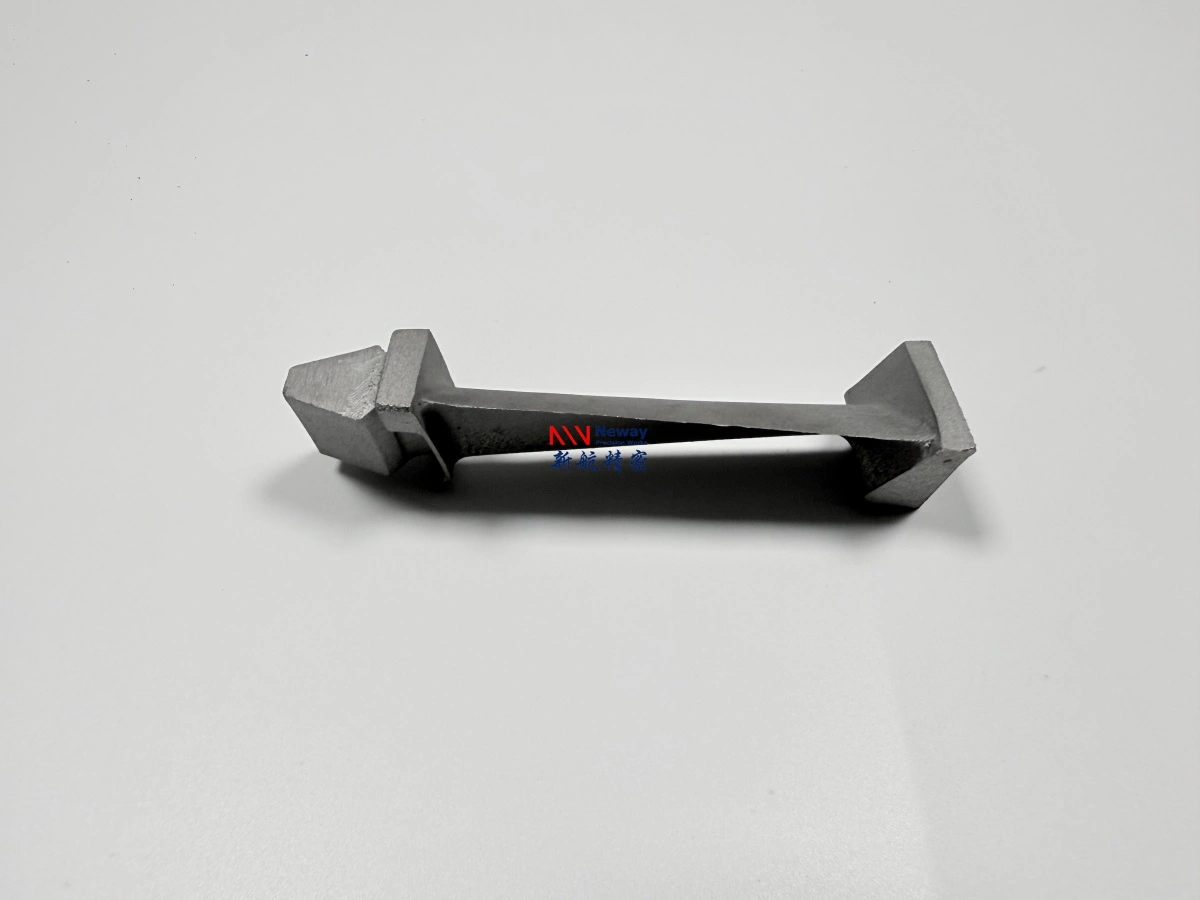
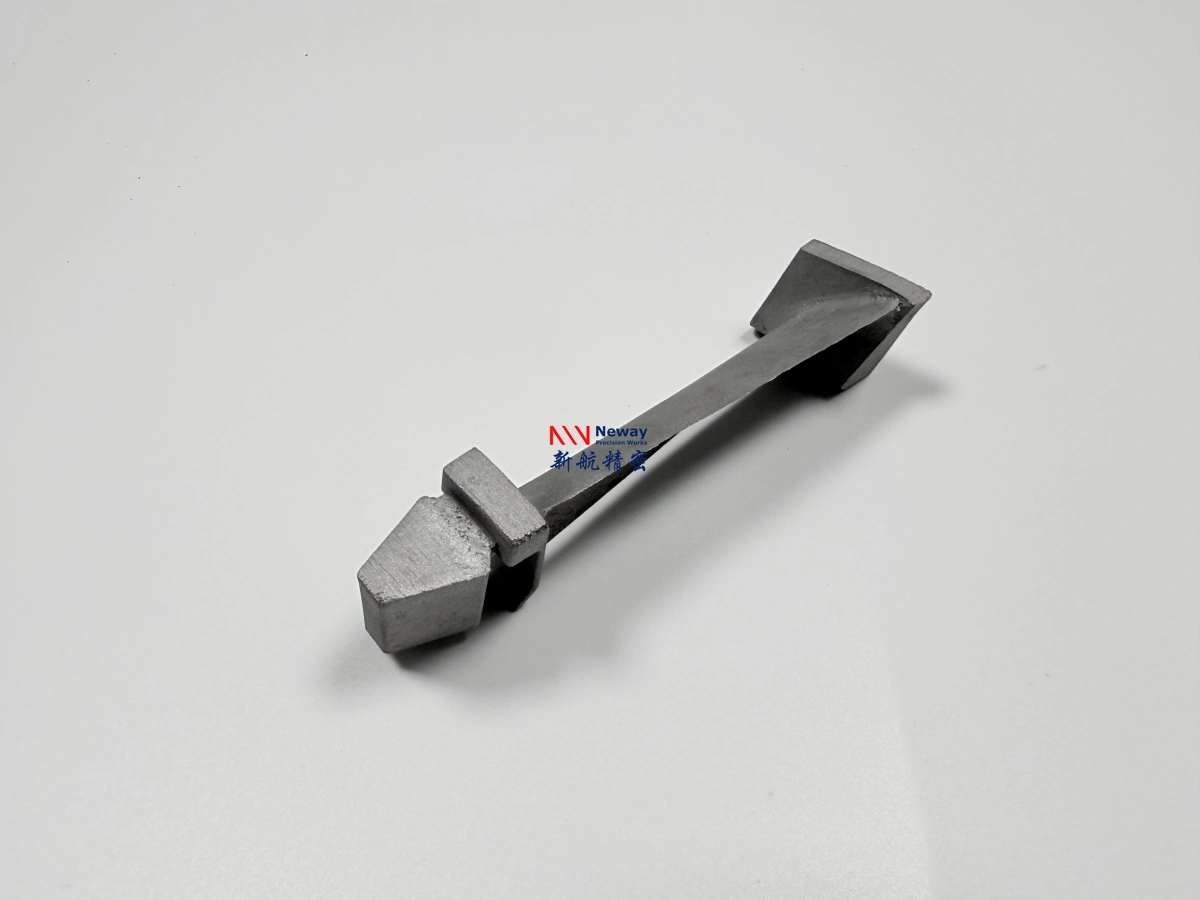
परिभाषित करें कि प्रथम-लेख को क्या रिलीज़ करना चाहिए
इस RFQ के लिए, खरीदारों को पहले परिभाषित करना चाहिए कि प्रथम-लेख से क्या रिलीज़ होने की उम्मीद है। यह केवल टूलिंग व्यवहार्यता, केवल कास्टिंग ज्यामिति, पूर्ण कास्टिंग प्लस ताप-उपचार मार्ग, या मशीनिंग और निरीक्षण के साथ एक तैयार टरबाइन घटक जारी कर सकता है। ये अलग-अलग निर्णय हैं। यदि खरीदार निर्णय को परिभाषित नहीं करता है, तो आपूर्तिकर्ता रिपोर्टों का एक सेट प्रदान कर सकता है जो पूर्ण दिखता है लेकिन रिलीज़ प्रश्न का उत्तर नहीं देता है।
एक सुपरअलॉय टरबाइन कास्टिंग में ब्लेड, वेन्स, श्राउड्स, नोजल, हीट शील्ड, दहनकर्ता विवरण, डिस्क, या अन्य गर्म-अनुभाग हार्डवेयर शामिल हो सकते हैं। प्रथम-लेख पैकेज उन विशेषताओं के आसपास बनाया जाना चाहिए जो उस घटक को जोखिम भरा बनाती हैं। आंतरिक मार्ग वाली एक पतली वेन को मशीनीकृत श्राउड खंड या खरीदार-पक्ष परिष्करण के लिए एक मोटे कास्टिंग रिक्त से अलग सबूत की आवश्यकता होती है।
पहले लेख को यह भी परिभाषित करना चाहिए कि आगे क्या होता है। यदि पहला भाग पास हो जाता है, तो क्या आपूर्तिकर्ता शेष मात्रा शुरू करता है? क्या खरीदार मशीनिंग को मंजूरी देता है? क्या कोटिंग शुरू होती है? क्या मार्ग प्रोटोटाइप टूलिंग से दोहराए जाने वाले टूलिंग में जाता है? ये गेट शेड्यूल, रिकॉर्ड समय और लागत को प्रभावित करते हैं। पहला भाग बनाने से पहले गेट को RFQ में डालें।
रिलीज़ निर्णय | आवश्यक साक्ष्य | खरीदार का निर्देश |
|---|---|---|
टूलिंग मार्ग रिलीज़ | एज़-कास्ट ज्यामिति, गेट सफाई, स्टॉक मानचित्र, और दोष समीक्षा। | बताएं कि क्या मशीनिंग कास्टिंग समीक्षा के अनुमोदन तक प्रतीक्षा कर सकती है। |
ताप-उपचार मार्ग रिलीज़ | सामग्री रिकॉर्ड, ताप-उपचार रिकॉर्ड, विरूपण समीक्षा, और कठोरता या अन्य निर्दिष्ट डेटा। | मशीनिंग जारी रखने से पहले आवश्यक रिकॉर्ड बताएं। |
तैयार-भाग रिलीज़ | CMM, सतह निरीक्षण, NDT, सामग्री रिकॉर्ड, और अंतिम ड्राइंग समीक्षा। | अंतिम ड्राइंग संशोधन और स्वीकृति सुविधा सूची प्रदान करें। |
दोहराने-लॉट रिलीज़ | अनुमोदित प्रथम-लेख रिपोर्ट प्लस आवर्ती निरीक्षण योजना। | परिभाषित करें कि प्रत्येक लॉट के लिए कौन सी जाँच दोहराई जाती हैं। |
आपूर्तिकर्ता FAI के लिए एक-पंक्ति अनुरोध से उपयोगी प्रथम-लेख पैकेज नहीं बना सकता। खरीदारों को रिलीज़ गेट और उन संचालनों का नाम देना चाहिए जिन्हें उस गेट को स्वीकार करने के बाद आगे बढ़ने की अनुमति है।
सामग्री रिकॉर्ड को कास्टिंग मार्ग से जोड़ें
सामग्री साक्ष्य मार्ग से बंधा होना चाहिए, न कि एक अलग कागजी कार्रवाई आइटम के रूप में। एक टरबाइन कास्टिंग के लिए मिश्र धातु विनिर्देश, पिघल या लॉट ट्रेसेबिलिटी, रसायन विज्ञान सत्यापन, ताप-उपचार रिकॉर्ड, और किसी भी खरीदार-परिभाषित सामग्री परीक्षण की आवश्यकता हो सकती है। RFQ को बताना चाहिए कि रिकॉर्ड हीट, लॉट, भाग, या केवल प्रथम-लेख द्वारा आवश्यक हैं या नहीं।
यदि कास्टिंग निकल या कोबाल्ट सुपरअलॉय का उपयोग करती है, तो सामग्री कॉलआउट में ग्रेड, विनिर्देश, संशोधन, और वितरण स्थिति शामिल होनी चाहिए। यदि खरीदार विनिर्देश अंतिम होने से पहले मार्ग समीक्षा की अनुमति देता है, तो इसे निर्माण क्षमता अनुमान के रूप में लेबल किया जाना चाहिए। NewayAeroTech प्रक्रिया व्यवहार्यता की समीक्षा कर सकता है, लेकिन अंतिम सामग्री अनुमोदन खरीदार-नियंत्रित रहना चाहिए।
सामग्री रिकॉर्ड डाउनस्ट्रीम संचालन को भी प्रभावित करते हैं। ताप उपचार विरूपण और मशीनिंग स्टॉक को बदल सकता है। HIP जहां निर्दिष्ट है वहां दोष बंद करने की उम्मीदों को प्रभावित कर सकता है। कोटिंग की तैयारी के लिए कोटिंग शुरू होने से पहले सब्सट्रेट स्थिति समीक्षा की आवश्यकता हो सकती है। प्रथम-लेख पैकेज को दिखाना चाहिए कि प्रत्येक डाउनस्ट्रीम ऑपरेशन आगे बढ़ने से पहले कौन से रिकॉर्ड पूर्ण हैं।
नमूना-आधारित RFQs के लिए, सामग्री साक्ष्य अनिश्चित हो सकते हैं। एक प्रयुक्त नमूना मिश्र धातु ग्रेड, ताप-उपचार स्थिति, या पिछले मरम्मत इतिहास को साबित नहीं कर सकता है। यदि खरीदार के पास रिकॉर्ड नहीं हैं, तो उसे सामग्री सत्यापन का अनुरोध करना चाहिए या नई सामग्री कॉलआउट को अलग से परिभाषित करना चाहिए। सामग्री स्वीकृति को नियंत्रित करने के लिए अकेले नमूने पर भरोसा न करें।
रिकॉर्ड प्रकार | यह क्या समर्थन करता है | प्रथम-लेख जोखिम यदि अनुपलब्ध है |
|---|---|---|
मिश्र धातु विनिर्देश | उद्धरण को आवश्यक सुपरअलॉय ग्रेड से जोड़ता है। | आपूर्तिकर्ता खरीदार सामग्री रिलीज़ से मेल खाए बिना मार्ग उद्धृत कर सकता है। |
रसायन विज्ञान या ट्रेसेबिलिटी रिकॉर्ड | लॉट पहचान और सामग्री नियंत्रण का समर्थन करता है। | आवक समीक्षा रुक सकती है, भले ही भाग ज्यामिति स्वीकार्य हो। |
ताप-उपचार रिकॉर्ड | मशीनिंग या अंतिम रिलीज़ से पहले प्रक्रिया की स्थिति दिखाता है। | विरूपण और यांत्रिक अपेक्षाओं पर बाद में विवाद हो सकता है। |
पोस्ट-प्रोसेस रिकॉर्ड | HIP, मशीनिंग, कोटिंग तैयारी, या सफाई को रिलीज़ से जोड़ता है। | खरीदार को यह नहीं पता हो सकता है कि प्रथम-लेख में कौन से ऑपरेशन शामिल थे। |
NDT और आयामी निरीक्षण को सुविधा जोखिम से मिलाएं
निरीक्षण विधियों का चयन सुविधा जोखिम द्वारा किया जाना चाहिए। FPI सफाई या मशीनिंग के बाद सतह संकेतों के लिए उपयोगी है। एक्स-रे या CT आंतरिक कास्टिंग स्थितियों की समीक्षा कर सकते हैं जहां ज्यामिति और स्वीकृति मानक इसे उचित ठहराते हैं। CMM मशीनीकृत सतहों, डेटम, प्लेटफ़ॉर्म चेहरे, रूट सुविधाओं, बोल्ट पैटर्न, और अंतिम इंटरफेस की पुष्टि करता है। दृश्य निरीक्षण सफाई, गेट हटाने, किनारे की स्थिति, और सतह की स्थिति का समर्थन करता है।
RFQ को हर जगह हर संभव निरीक्षण के लिए पूछने के बजाय महत्वपूर्ण क्षेत्रों की पहचान करनी चाहिए। एक टरबाइन वेन को आंतरिक मार्ग समीक्षा और प्लेटफ़ॉर्म CMM की आवश्यकता हो सकती है। एक ब्लेड को रूट निरीक्षण, एयरफ़ॉइल प्रोफ़ाइल, और सतह संकेत समीक्षा की आवश्यकता हो सकती है। एक श्राउड को सील-चेहरा सपाटता, खंड फिट, और कोटिंग-तैयार सतह की स्थिति की आवश्यकता हो सकती है। एक हीट शील्ड को छेद सुविधाओं, किनारे की स्थिति, और विरूपण समीक्षा की आवश्यकता हो सकती है।
NewayAeroTech निरीक्षण दायरे को वैक्यूम निवेश कास्टिंग, मशीनिंग, और पोस्ट-प्रोसेसिंग चरणों के साथ संरेखित करने में मदद कर सकता है। खरीदार को तय करना चाहिए कि NDT मशीनिंग से पहले, बाद में, या प्रथम-लेख के लिए दोनों बिंदुओं पर किया जाता है। प्रत्येक विकल्प मार्ग के बारे में एक अलग प्रश्न का उत्तर देता है।
आयामी निरीक्षण भी चरणबद्ध होना चाहिए। एक कास्टिंग स्टॉक रिपोर्ट दिखा सकती है कि मशीनिंग भत्ता पर्याप्त है या नहीं। एक अंतिम CMM रिपोर्ट दिखा सकती है कि तैयार घटक ड्राइंग आवश्यकताओं को पूरा करता है या नहीं। यदि दोनों की आवश्यकता है, तो RFQ में दोनों मॉडल शामिल होने चाहिए या प्रत्येक चरण में मापी गई सुविधाओं को स्पष्ट रूप से परिभाषित करना चाहिए।
सुविधा जोखिम | निरीक्षण प्रतिक्रिया | रिपोर्ट विवरण |
|---|---|---|
हॉट-चेहरे या सील क्षेत्र पर सतह संकेत | सफाई या मशीनिंग के बाद FPI। | निरीक्षण क्षेत्र और स्वीकृति संदर्भ। |
आंतरिक संकोचन या समावेशन जोखिम | परिभाषित कास्टिंग क्षेत्रों में एक्स-रे या CT। | दृश्य क्षेत्र, रिपोर्ट प्रारूप, और नमूनाकरण योजना। |
मशीनीकृत रूट, निकला हुआ किनारा, या प्लेटफ़ॉर्म | अंतिम मशीनिंग के बाद CMM। | डेटम योजना और सुविधा सूची। |
कोटिंग-तैयार सतह | दृश्य, खुरदरापन, या खरीदार-परिभाषित सतह समीक्षा। | लेपित सतहें, मास्किंग क्षेत्र, और पूर्व-कोटिंग होल्ड पॉइंट। |
प्रथम-लेख रिपोर्ट लिखें ताकि खरीदार दोहराए जाने वाले कार्य को मंजूरी दे सकें
एक प्रथम-लेख रिपोर्ट इंजीनियरिंग, गुणवत्ता, और खरीद टीमों के लिए पढ़ने में आसान होनी चाहिए। इसमें ड्राइंग संशोधन, भाग संख्या, सामग्री ग्रेड, वितरण स्थिति, निरीक्षण चरण, रिपोर्ट तिथि, मापी गई सुविधाएं, अपवाद, और खुले खरीदार निर्णयों की पहचान होनी चाहिए। रिपोर्ट में माप के बाद दिखाई देने वाले नोट में महत्वपूर्ण धारणाओं को नहीं दबाना चाहिए।
टरबाइन कास्टिंग के लिए, रिपोर्ट को विनिर्माण चरणों को अलग करना चाहिए। कास्टिंग परिणाम, ताप-उपचार रिकॉर्ड, मोटी मशीनिंग जाँच, अंतिम मशीनिंग रिपोर्ट, NDT परिणाम, और कोटिंग-तत्परता समीक्षा को एक अस्पष्ट पास स्टेटमेंट में मिश्रित नहीं किया जाना चाहिए। यदि कोई परिणाम खरीदार समीक्षा के साथ स्वीकार किया जाता है, तो इसे आपूर्तिकर्ता धारणा के बजाय खरीदार निर्णय के रूप में चिह्नित करें।
फोटो उपयोगी हो सकते हैं जब वे गेट हटाने, सतह की सफाई, पहले भाग की स्थिति, या नमूना तुलना दिखाते हैं। उन्हें तकनीकी रिपोर्ट का समर्थन करना चाहिए न कि इसे प्रतिस्थापित करना चाहिए। एक साफ कास्टिंग की तस्वीर दीवार की मोटाई, आंतरिक स्थिति, सामग्री पहचान, या अंतिम आयामों को साबित नहीं करती है। रिकॉर्ड को ऑडिट करने में आसान बनाने के लिए फोटो का उपयोग करें।
प्रथम-लेख रिपोर्ट में पहले भाग के बाद किए गए मार्ग परिवर्तनों को भी सूचीबद्ध करना चाहिए। यदि मशीनिंग स्टॉक समायोजित किया गया था, यदि गेट संपर्क क्षेत्र बदल गया, यदि निरीक्षण एक अलग चरण में चला गया, या यदि एक महत्वपूर्ण सुविधा आवर्ती रिपोर्ट में जोड़ी गई थी, तो उस परिवर्तन को रिकॉर्ड करें। यह दोहराए जाने वाले कार्य को खरीदार द्वारा अनुमोदित के साथ संरेखित रखता है।
प्रथम-लेख अनुमोदन के बाद दोहराने-लॉट निरीक्षण सेट करें
पहले लेख से दोहराने-लॉट योजना बननी चाहिए। खरीदारों को तय करना चाहिए कि कौन से रिकॉर्ड हर भाग पर दोहराए जाते हैं, कौन से रिकॉर्ड लॉट द्वारा दोहराए जाते हैं, और कौन से रिकॉर्ड केवल मार्ग को मंजूरी देने के लिए आवश्यक थे। एक टरबाइन कास्टिंग परियोजना महंगी और धीमी हो सकती है यदि हर प्रोटोटाइप-स्तरीय निरीक्षण को अनावश्यक रूप से दोहराया जाता है। यह जोखिम भरा भी हो सकता है यदि महत्वपूर्ण जाँच खरीदार की मंजूरी के बिना गायब हो जाती हैं।
एक आवर्ती निरीक्षण योजना में लॉट द्वारा सामग्री रिकॉर्ड, प्रत्येक भाग के लिए दृश्य निरीक्षण, महत्वपूर्ण सतहों के लिए FPI, चयनित प्रमुख विशेषताओं के लिए CMM, और भाग, लॉट, या जोखिम क्षेत्र द्वारा एक्स-रे या CT शामिल हो सकते हैं। योजना घटक जोखिम और खरीदार स्वीकृति मानक से मेल खाना चाहिए। यदि मार्ग बदलता है, तो खरीदार को एक और प्रथम-लेख समीक्षा या सीमित पुनर्मूल्यांकन की आवश्यकता हो सकती है।
छोटे-बैच के खरीदारों को विशेष रूप से स्पष्ट होना चाहिए। यदि आदेश केवल कुछ हिस्सों का है, तो पहला लेख और उत्पादन बैच ओवरलैप हो सकता है। RFQ में बताया जाना चाहिए कि क्या शेष टुकड़ों को जारी रखने से पहले एक हिस्सा अनुमोदन के लिए रखा गया है या क्या सभी हिस्सों का उत्पादन बढ़े हुए निरीक्षण के साथ एक साथ किया जाता है। यह विकल्प शेड्यूल और लागत को प्रभावित करता है।
NewayAeroTech को ड्राइंग, मॉडल, मिश्र धातु विनिर्देश, कास्टिंग मार्ग, पोस्ट-प्रोसेस दायरा, निरीक्षण आवश्यकताएं, प्रथम-लेख रिलीज़ गेट, और दोहराने-लॉट योजना भेजें। एक पूर्ण RFQ एक प्रथम-लेख निरीक्षण पैकेज बनाने में मदद करता है जो खरीदार की स्वीकृति प्रक्रिया और आपूर्तिकर्ता के विनिर्माण कार्यक्रम दोनों की रक्षा करता है।
संबंधित FAQ
सुपरअलॉय कास्टिंग में सबसे आम दोष क्या हैं और उनका पता कैसे लगाया जाता है?
सुपरअलॉय घटकों की गुणवत्ता सुनिश्चित करने के लिए कौन सी परीक्षण विधियाँ हैं?
मशीनीकृत सुपरअलॉय भागों का समर्थन करने वाले निरीक्षण रिकॉर्ड कौन से हैं?
क्या CMM निरीक्षण को FPI या एक्स-रे परीक्षण के साथ जोड़ा जा सकता है?
सिंगल क्रिस्टल टरबाइन ब्लेड को उद्धृत करने के लिए क्या जानकारी आवश्यक है?
