Aerospace Turbine Engine Component Supplier Evaluation Checklist
Evaluating an aerospace turbine engine component supplier should start with manufacturing evidence, not a broad capability statement. Buyers need to know which process route the supplier can actually support, which material decisions remain with the buyer, what inspection records are available, and how the supplier separates prototype review from repeat production. A good RFQ scorecard makes those boundaries visible before drawings and samples move into quotation.
NewayAeroTech can review aerospace and aviation component RFQs involving high-temperature superalloy casting, single crystal casting, directional casting, forging, CNC machining, post-process work, and material testing. The buyer should still define the component family, material grade, route preference, quantity, delivery condition, and inspection records. Supplier evaluation is strongest when it compares engineering responsibility rather than website claims.
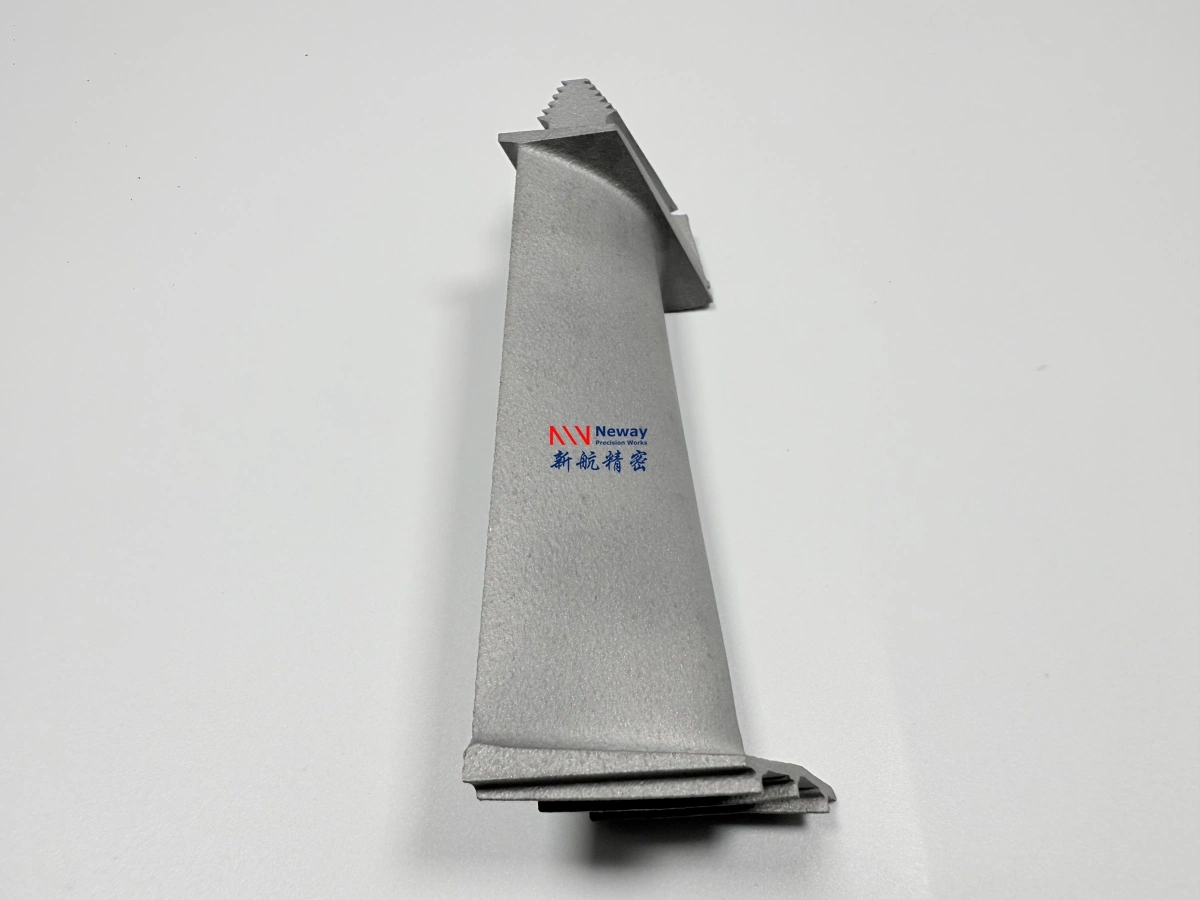
Evaluate Supplier Fit Before Sharing Controlled Drawings
For this RFQ, buyers should screen supplier fit before releasing complete buyer-controlled drawings. A short prequalification package can describe component type, material family, process route, approximate size, annual or prototype quantity, and required records without exposing every detail. The supplier response should show whether it can review the route, whether any process is outside scope, and what information is needed for a formal quotation.
Supplier fit should include more than whether the supplier says it works with aerospace parts. Buyers should ask about component families, alloy experience, casting route limits, machining responsibility, inspection capability, and whether the supplier can support first-article review. A supplier that can cast a blade blank may not be the right supplier for a finished nozzle segment with cooling holes, coating preparation, and CMM reports.
Evaluation area | Buyer question | Supplier evidence to request |
|---|---|---|
Component fit | Has the supplier reviewed similar blades, vanes, shrouds, rings, discs, or hot-section parts? | Process route summary and limits, without invented case claims. |
Material fit | Can the supplier work with the required superalloy family and delivery condition? | Alloy handling, material record approach, and substitution boundary. |
Process fit | Which operations are in scope: casting, forging, machining, coating readiness, testing? | Responsibility matrix and handoff points. |
Inspection fit | Can the supplier provide the records needed for buyer release? | CMM, FPI, X-ray, CT, chemistry, heat treatment, or other agreed report list. |
The prequalification step also helps buyers decide what to share next. If the supplier cannot support the route or material, the buyer can stop before a full package is exchanged. If the fit is promising, the buyer can release drawings under its own commercial and compliance process and move into detailed manufacturability review.
Route Capability for Cast, Forged, Machined, and Coated Engine Components
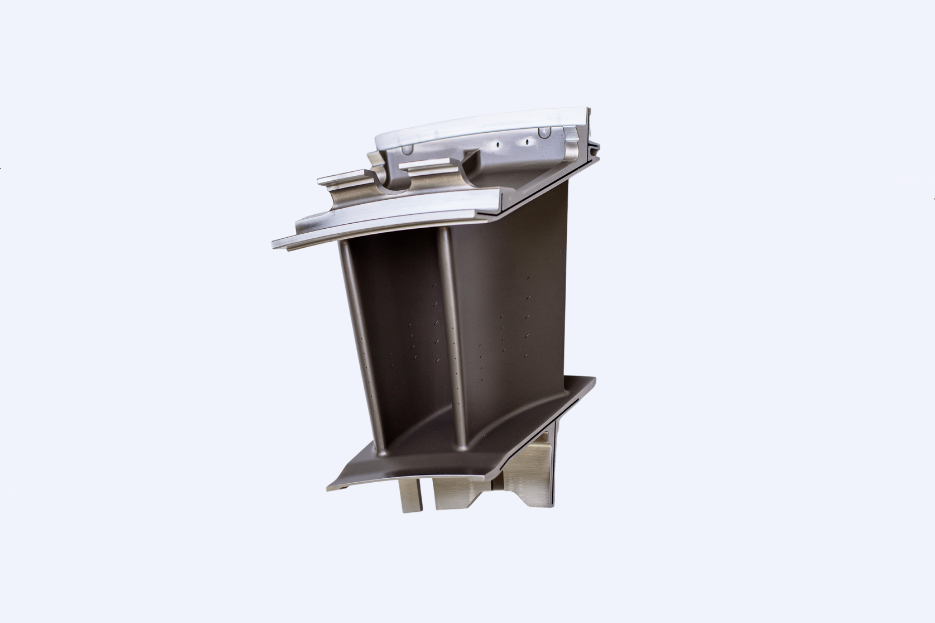
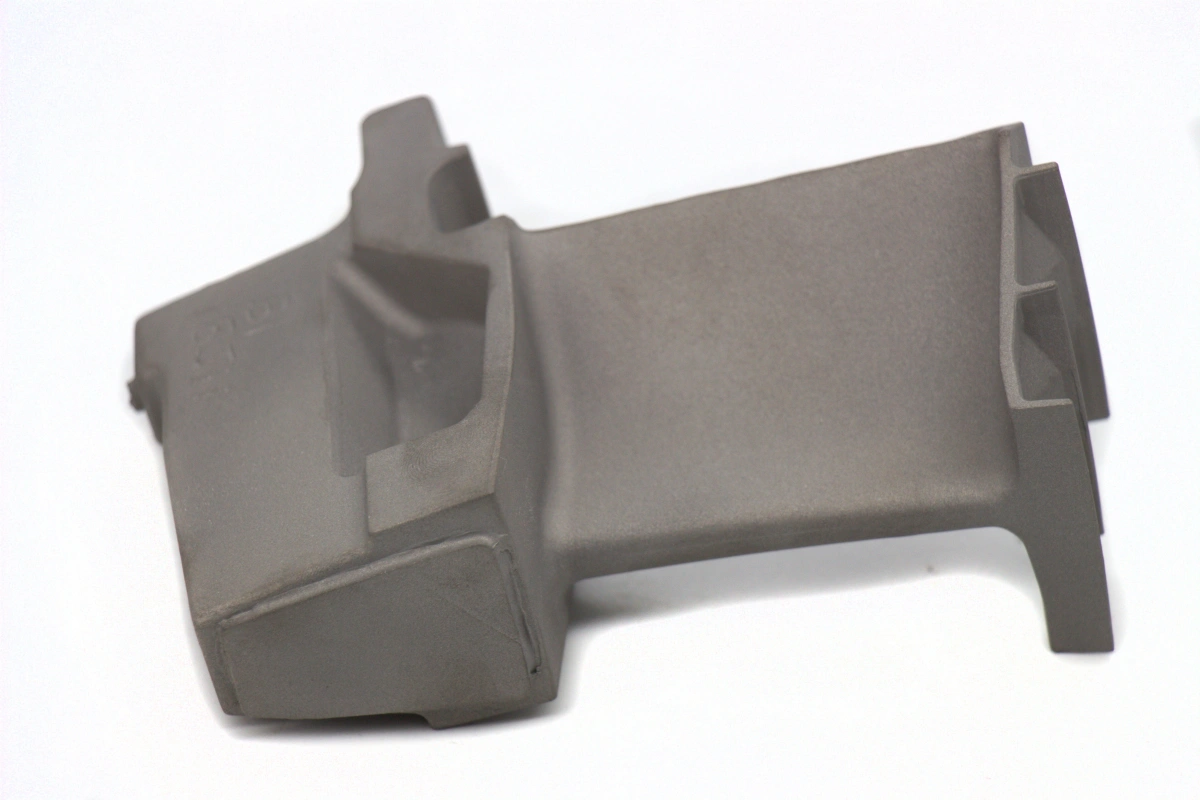
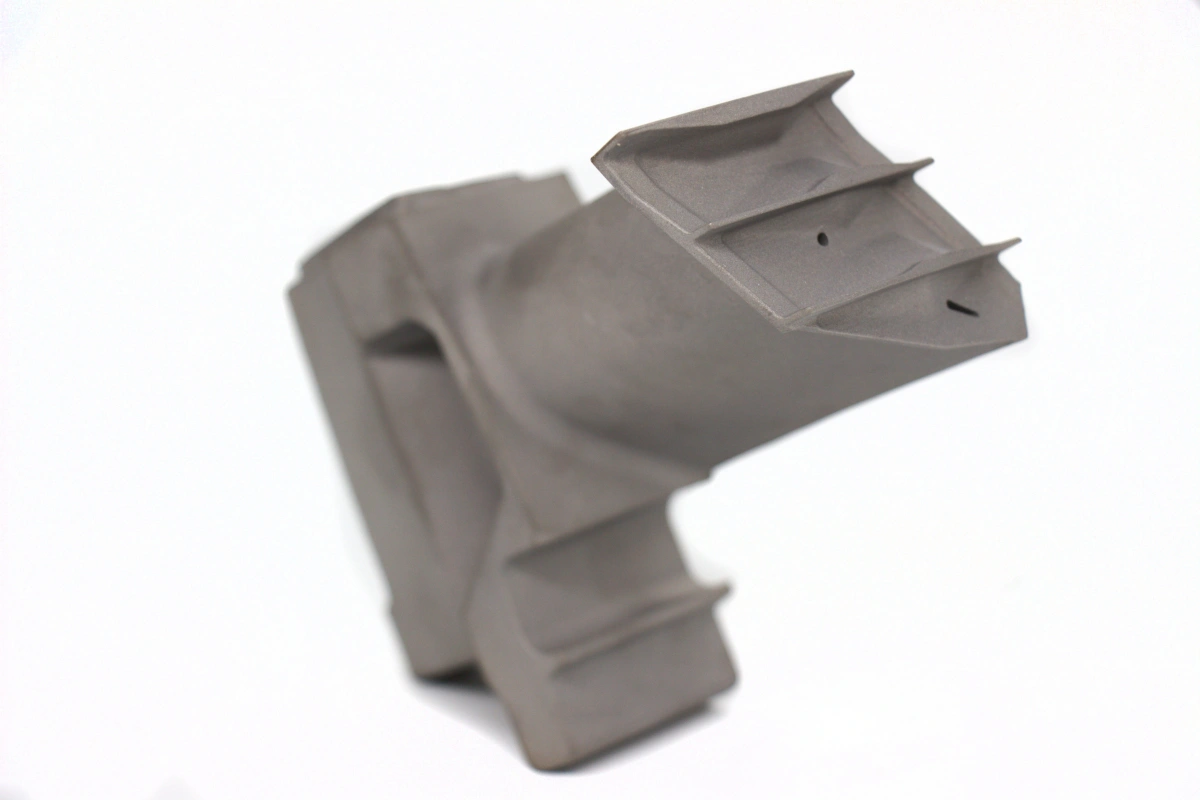
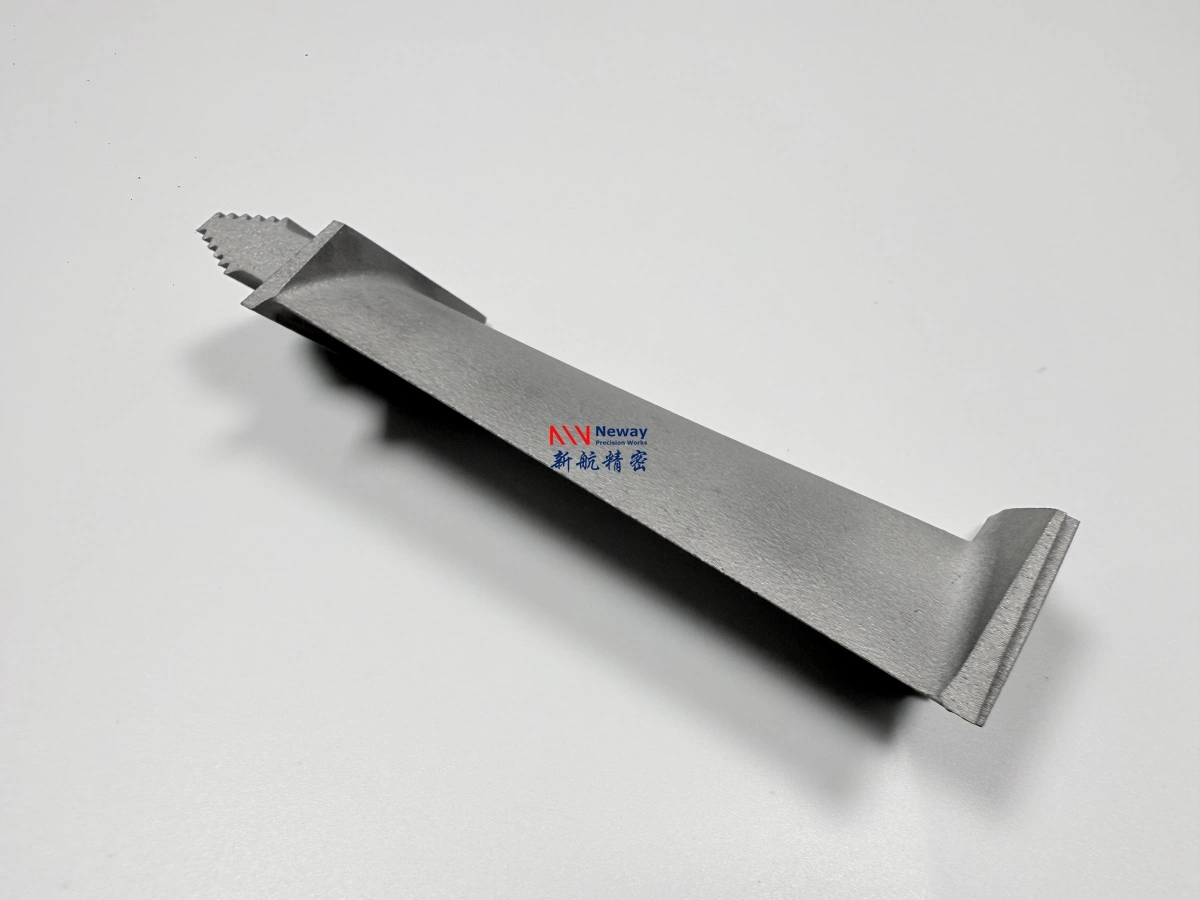
Aerospace turbine engine components can require very different routes. A single crystal blade is not quoted like an equiaxed bracket. A directional solidification vane is not quoted like a forged ring. A machined seal land is not quoted like a coating-ready hot face. The supplier evaluation should separate process capability by component and delivery condition.
NewayAeroTech can review routes involving casting superalloys, single crystal casting, directional casting, superalloy CNC machining, and post-process support. The buyer should define whether the supplier is expected to deliver a rough blank, semi-machined part, or finished component with inspection records.
Component or feature | Route capability to evaluate | Supplier boundary to confirm |
|---|---|---|
Turbine blade or vane | SX, DS, or equiaxed casting route plus inspection evidence. | Blank only, machined features, cooling features, and orientation or grain requirements. |
Shroud, heat shield, or combustor detail | High-temperature casting, machining, and coating-readiness support. | Hot face condition, coating preparation, and dimensional report stage. |
Ring, disc-adjacent blank, or forged item | Forging or machining route review with heat treatment and testing. | Preform, stock allowance, datum, and inspection scope. |
Prototype or small batch component | Route comparison and first-article validation before repeat order. | What evidence releases the first article and what repeats later. |
Buyers should ask suppliers to state route limits clearly. If a feature requires EDM, deep hole drilling, HIP, TBC, or external testing, that should be visible in the quote. Hidden subcontracted steps or unclear handoffs make supplier comparison difficult even when the unit price looks attractive.
Material Responsibility and Substitution Boundaries
Material responsibility should be explicit. The buyer may specify Inconel, Rene, CMSX, Nimonic, Hastelloy, Stellite, titanium alloy, or another high-temperature material. The supplier can review manufacturability, procurement, casting behavior, machining risk, and inspection records, but the buyer should control material approval and any allowed substitute list. A quote should not imply that a supplier can change the alloy without buyer approval.
The RFQ should also identify whether the buyer provides material, asks NewayAeroTech to source material, or only needs manufacturing from an approved stock condition. For casting, the alloy route may involve melt records and chemistry verification. For forging or machining, the buyer may need heat/lot traceability. For coated components, the base alloy and surface preparation both affect the final acceptance package.
If the component is a maintenance or legacy part, material responsibility becomes even more important. A used sample may not reveal the exact original alloy, and service exposure can change surface chemistry. The buyer should specify whether chemical verification is required before route approval and whether the final part must meet a buyer-controlled material specification.
Inspection Evidence That Supports Aerospace Turbine Component RFQs
Inspection evidence should be tied to component risk. A cast turbine blade may need X-ray, FPI, dimensional inspection, crystal orientation evidence, or material records. A machined bracket may need CMM and surface inspection. A coating-ready hot-section part may need surface preparation evidence and final checks. The supplier evaluation should ask for the record package that fits the actual route, not a generic quality statement.
NewayAeroTech can support material testing and analysis where the buyer specifies required tests. The supplier response should identify which reports are available internally, which may require outside lab support, and which tests need buyer-provided acceptance standards. This prevents later disputes about whether a report was assumed or included.
Evidence type | Best use in supplier evaluation | Buyer should define |
|---|---|---|
Material records | Shows alloy, heat/lot, and chemistry relationship to the supplied parts. | Grade, specification revision, and report format. |
Dimensional inspection | Verifies datums, critical features, and final or intermediate geometry. | CMM or layout requirement, feature list, and inspection stage. |
NDT or defect review | Supports casting or machined-part acceptance for critical zones. | Method, acceptance reference, inspected area, and sample plan. |
First-article package | Links trial manufacturing to repeat production approval. | Which records release the first article and what repeats in production. |
The inspection conversation should happen before pricing is finalized. A supplier can quote faster if the buyer states whether inspection is by part, by lot, by first article only, or by selected critical features. The same component can carry a very different workload depending on that evidence requirement.
Buyers should also ask when each inspection record is created. A dimensional report before coating does not prove the same condition after coating. An X-ray report before machining does not replace final dimensional evidence. A chemistry record tied to raw material does not always release the finished part if the buyer requires coupon testing. The scorecard should reward suppliers that can place each record at the correct manufacturing stage.
Supplier Scorecard and RFQ Package Checklist
A practical supplier scorecard should rate route fit, material boundary, drawing readiness, manufacturing responsibility, inspection evidence, first-article plan, communication clarity, and risk visibility. Buyers can score each item before selecting a supplier for the complete RFQ. The goal is not to reward the longest capability list. The goal is to identify the supplier that understands the specific component and can explain the manufacturing boundary.
A complete RFQ package should include the drawing, 3D model, material requirement, route preference if fixed, quantity, delivery condition, critical surfaces, inspection records, first-article expectations, and any buyer constraints on sample handling or drawing release. If the project is early stage, the buyer can ask for a route review first and hold final pricing until geometry and acceptance records are complete.
The buyer can make the scorecard practical by assigning each supplier a response requirement: identify route risks, list missing data, separate included and excluded operations, state inspection assumptions, and name the evidence needed before production release. This makes the evaluation less dependent on sales language. It also gives the buyer a clear way to compare two suppliers when both claim broad aerospace manufacturing experience.
For first-article work, the supplier should explain what will be learned from the first component and what will not. A first article can verify route setup, machining datum, inspection record flow, and surface acceptance. It should not be treated as proof that every later geometry or material change is automatically covered. If the buyer expects repeat production, the RFQ should state how changes to drawing revision, alloy, coating, or inspection standard will be handled.
Send the component family, material grade, process route, drawing package, delivery condition, quantity, and inspection requirements. NewayAeroTech can review whether casting, forging, machining, post-process work, and testing support fit the aerospace turbine engine component RFQ.
Related FAQs
What are the primary superalloys used in manufacturing jet engine components?
How does vacuum investment casting ensure high precision in jet engine components?
How is the quality of superalloy jet engine components tested for reliability?
What benefits do single crystal castings provide in aerospace applications?
How does CNC machining enhance quality and durability of aerospace parts?
Which testing methods ensure integrity and reliability of superalloy components?
Which post-processes enhance aerospace superalloy component performance?