How is the quality of superalloy jet engine components tested for reliability?
Material Verification and Chemical Analysis
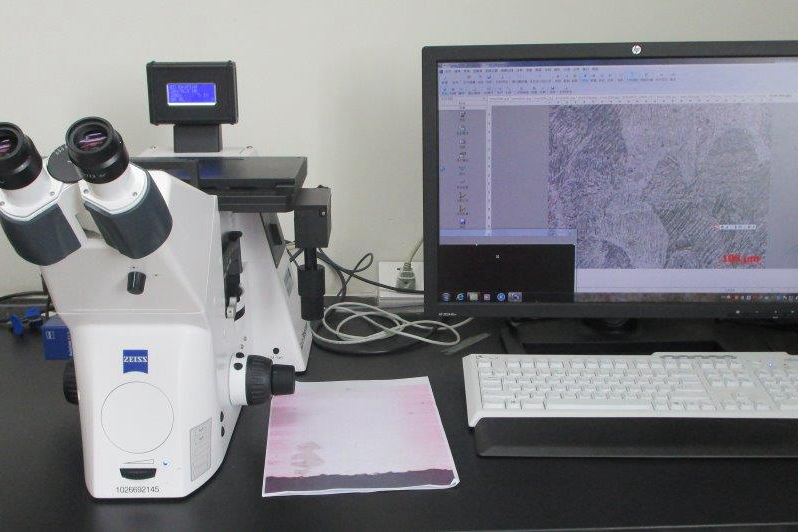
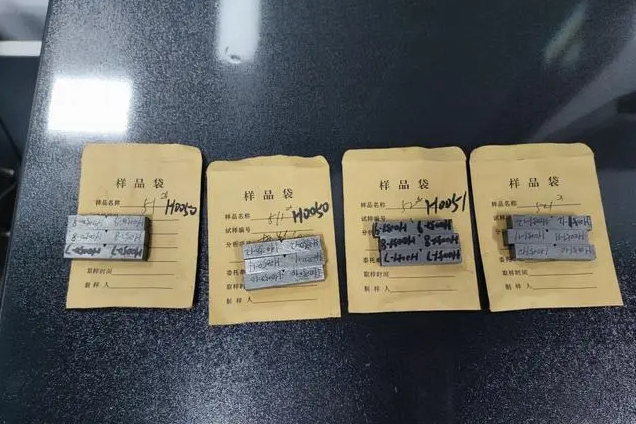
Reliability begins with validating the chemical composition of each alloy used in jet engine components. Techniques under material testing and analysis verify elemental balance, impurity levels, and grain structure stability. Alloys such as Inconel 625 and Nimonic 90 undergo metallographic inspection to assess creep resistance and durability under elevated temperatures.
Non-Destructive Evaluation (NDT)
Internal porosity, micro-cracks, and casting defects must be detected without damaging the component. Techniques such as ultrasonic testing, X-ray inspection, and dye-penetrant examination are routinely used after vacuum investment casting or powder metallurgy. These NDT processes ensure structural integrity before proceeding to post-processing or final assembly.
Thermal and Stress Simulation
Jet engine components experience harsh operational conditions, including rapid temperature cycling and high mechanical loads. Simulated environment testing replicates thermal gradients, gas flow pressure, and rotational stress. Alloys treated with hot isostatic pressing (HIP) are evaluated for fatigue resistance and crack propagation performance under high-stress conditions.
Dimensional Accuracy and Machining Validation
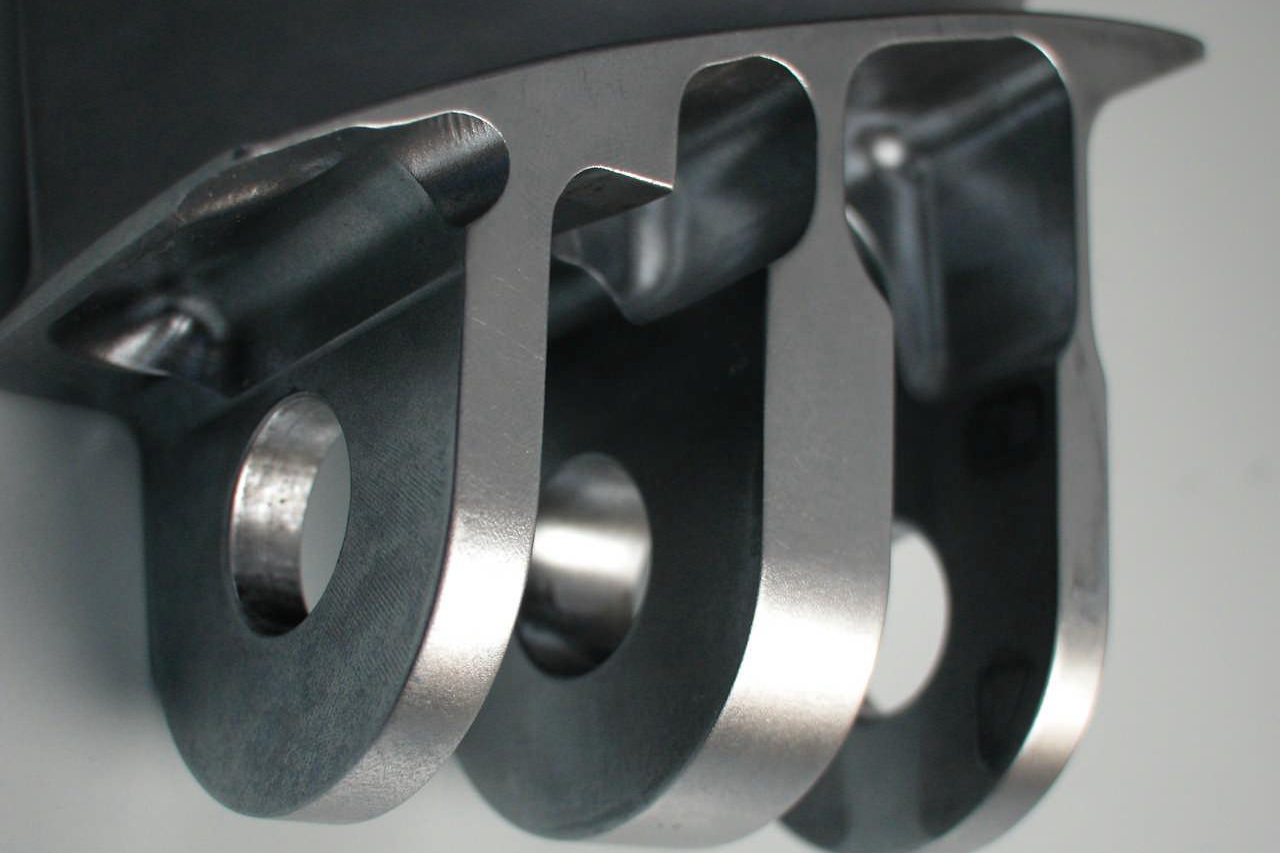
Precision machining plays a vital role in fit and performance. Parts produced via superalloy cnc machining are tested with coordinate measuring machines (CMM) and surface profilometry to confirm tolerances. This ensures safe clearance control and aerodynamic efficiency in turbine and combustor systems.
Regulatory Certification and Fatigue Testing
Before being integrated into flight systems, components must comply with aerospace safety standards. Fatigue testing, creep analysis, and structural integrity validation are conducted to verify compliance. Traceability and documentation procedures—similar to requirements in aerospace and aviation manufacturing—ensure each part meets reliability requirements for long-term operation.