
Pièces industrielles en aluminium imprimées en 3D haute performance pour applications industrielles
Introduction à l'impression 3D industrielle en aluminium
L'impression 3D en aluminium permet aux fabricants de produire des pièces légères et complexes offrant une haute résistance mécanique, une excellente résistance à la corrosion et des performances thermiques optimisées. Chez Neway Aerotech, nous fournissons des composants en aluminium imprimés en 3D pour des secteurs industriels tels que l'automatisation, l'énergie, l'électronique et les équipements lourds.
L'utilisation des procédés SLM et WAAM nous permet une production rentable de pièces fonctionnelles en aluminium avec des rapports résistance/poids optimisés et une liberté géométrique accrue.
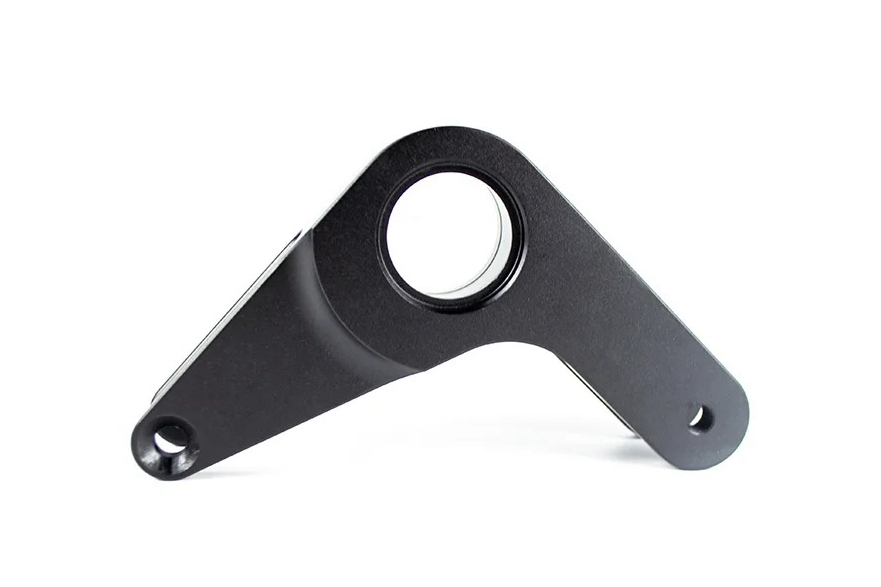
Principales applications industrielles de l'impression 3D en aluminium
1. Systèmes énergétiques
L'impression 3D en aluminium permet la création d'échangeurs de chaleur légers, de canaux de refroidissement personnalisés et de boîtiers sous pression pour les systèmes de stockage et de conversion d'énergie.
Matériau : AlSi10Mg
Avantage : Conductivité thermique jusqu'à 170 W/m·K et tolérance à la pression de 5–7 MPa
2. Automatisation industrielle
Des boîtiers de capteurs complexes, des supports et des effecteurs terminaux de robots sont fabriqués avec une rigidité élevée et une masse réduite pour des performances à haute vitesse.
Caractéristique : Intégration des canaux de câblage et des interfaces de montage dans un seul corps imprimé
Précision : ±0,05 mm avec finition CNC pour une répétabilité élevée
3. Outillages et dispositifs de fixation
Les pièces en alliage d'aluminium sont utilisées pour des gabarits personnalisés, des moules et des dispositifs de positionnement, réduisant considérablement les délais de livraison et le poids.
Exemple : Ébauches d'outillages imprimées par WAAM jusqu'à 1,2 m de longueur
Réduction des délais : Jusqu'à 60 % par rapport aux blocs usinés par CNC
4. Boîtiers électroniques
Les boîtiers imprimés offrent une excellente protection contre les interférences électromagnétiques (EMI) et un contrôle thermique optimal pour l'électronique industrielle et les systèmes de capteurs.
Finition de surface : Ra < 3,2 μm achievable après grenaillage
Personnalisation : Parois en treillis, ailettes de refroidissement et ports de connecteurs imprimés en une seule opération
Alliages d'aluminium courants et leurs propriétés
Alliage | Rm (MPa) | Allongement (%) | Conductivité (W/m·K) | Application clé |
|---|---|---|---|---|
AlSi10Mg | 460–520 | 5–12 | 150–170 | Boîtiers énergétiques, supports aérospatiaux |
AlSi9Cu3 | 280–330 | 2–5 | 120–140 | Boîtiers électroniques, dissipateurs thermiques |
AlMgSc (Scalmalloy®) | >500 | >10 | ~130 | Composants structurels haute performance |
Étude de cas : Boîtier en aluminium imprimé en 3D pour laser industriel haute puissance
Contexte du projet
Un fabricant d'optiques de haute précision avait besoin d'un boîtier personnalisé en aluminium pour une unité laser à fibre haute puissance. Le boîtier nécessitait des caractéristiques de montage à tolérance serrée, des structures de dissipation thermique et une réduction de poids.
Processus de fabrication
Technologie utilisée : Fusion sélective par laser (SLM)
Matériau : AlSi10Mg
Paramètres de construction : Couches de 30 μm, environnement de gaz inerte, laser de 500 W
Géométrie : Parois internes à ailettes, bossages de fixation intégrés, interfaces de montage optique
Post-traitement
Traitement thermique : 320 °C pendant 2 heures pour la relaxation des contraintes
Usinage CNC : Précision de ±0,01 mm sur les surfaces d'accouplement
Anodisation : Résistance à la corrosion améliorée et émissivité thermique accrue
Inspection et validation
Scan 3D : Vérification de la conformité dimensionnelle
END par rayons X : Confirmation de l'absence de vides internes
Tests thermiques : La température de surface est restée < 70 °C sous une charge thermique de 200 W dans un environnement fermé
Résultats et impact
Le boîtier imprimé en 3D a réduit le nombre de pièces de 40 % grâce à l'intégration fonctionnelle et a diminué le poids du système de 35 %. L'amélioration de la conception thermique a prolongé la durée de vie des composants et permis une intégration compacte du système dans des espaces contraints.
FAQ
Quels alliages d'aluminium sont les mieux adaptés aux composants industriels fonctionnels imprimés en 3D ?
Comment garantissez-vous l'absence de défauts dans les canaux internes des pièces en aluminium imprimées ?
Les outillages en aluminium imprimés en 3D peuvent-ils être utilisés dans des environnements industriels à forte contrainte ?
Quels traitements de surface sont disponibles pour les pièces additivées en aluminium ?
Quelles tolérances sont atteignables pour les caractéristiques usinées des pièces en aluminium imprimées en 3D ?
