
Fournisseur de Pressage Isostatique à Chaud pour Pièces Moulées Monocristallines en Alliage CMSX
Traitement HIP pour Composants de Turbine Monocristallins CMSX Haute Performance
Les superalliages monocristallins CMSX sont conçus pour les applications d'aubes et de directrices de turbine à haute température, offrant une résistance exceptionnelle au fluage, à l'oxydation et à la fatigue thermique. Cependant, même les pièces moulées monocristallines de précision peuvent conserver une porosité sous-surface et des défauts de retrait localisés. Le Pressage Isostatique à Chaud (HIP) est essentiel pour densifier les composants CMSX tout en préservant l'orientation directionnelle des grains.
Neway AeroTech est un fournisseur certifié HIP pour les pièces de turbine monocristallines fabriquées en alliage CMSX-4, CMSX-10 et CMSX-2. Notre procédé HIP élimine les défauts de moulage tout en maintenant l'alignement cristallographique et les propriétés mécaniques pour des composants de turbine qualifiés par les OEM.
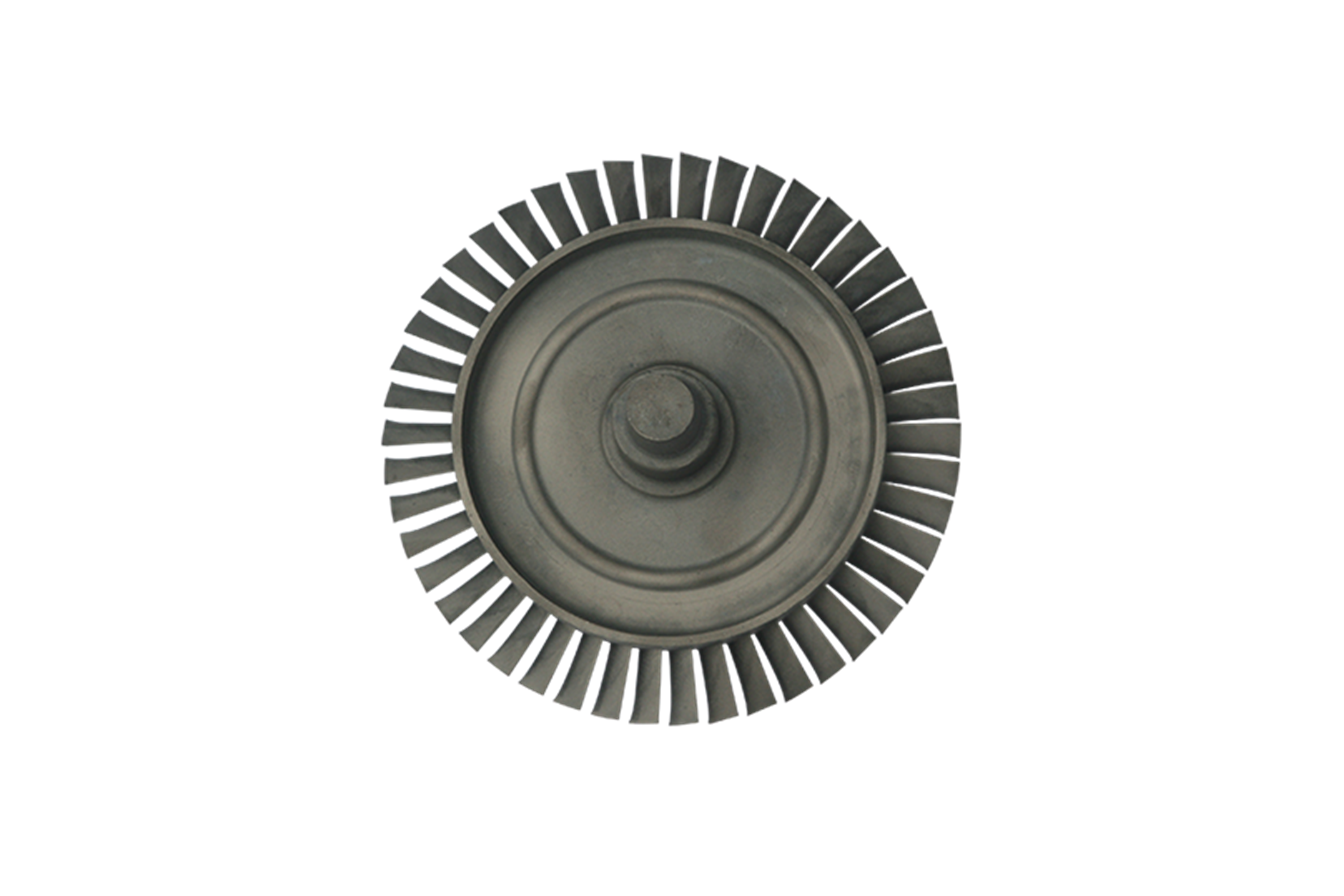
Pourquoi le HIP est Essentiel pour les Pièces Moulées Monocristallines CMSX
Les aubes monocristallines doivent être structurellement parfaites pour fonctionner dans des conditions de turbine extrêmes. Le traitement HIP :
Élimine la microporosité interne due à la solidification directionnelle dans les sections de pied, de carter et de profil aérodynamique
Maintient l'intégrité du grain unique, essentielle pour la résistance au fluage
Améliore l'uniformité mécanique avant l'usinage CNC 5 axes et l'application de revêtement barrière thermique
Prépare à la réparation par soudage, minimisant le risque de recristallisation
Tous les paramètres HIP sont adaptés pour éviter la formation de grains parasites.
Superalliages CMSX Traités par HIP
Alliage | Température de Service Max (°C) | Température HIP (°C) | Applications |
|---|---|---|---|
CMSX-4 | 1140 | 1260 | Aubes de 1er étage, directrices |
CMSX-10 | 1170 | 1280 | Rotors de turbine, profils aérodynamiques |
CMSX-2 | 1120 | 1245 | Aubes de transition, segments de refroidissement |
Les alliages sont traités par HIP selon des protocoles conformes aux spécifications OEM et AMS 2774.
Étude de Cas : HIP d'Aube CMSX-4 pour l'Intégrité du Profil Aérodynamique
Contexte du Projet
Un client a soumis 72 aubes de turbine monocristallines CMSX-4 avec des profils aérodynamiques de 25 mm d'épaisseur et des canaux de refroidissement radiaux. Le HIP a été effectué à 1260°C, 140 MPa pendant 4 heures. La MEB post-HIP a montré une porosité fermée et un alignement dendritique ininterrompu sans recristallisation.
Composants et Industries Typiques CMSX
Modèle de Composant | Description | Alliage | Industrie |
|---|---|---|---|
SCB-600 | Profil aérodynamique de 1er étage avec refroidissement serpentin | CMSX-4 | Applications aérospatiales |
VNS-420 | Segment de directrice de busette avec refroidissement par fentes | CMSX-2 | Secteur de l'énergie |
TBR-510 | Aube de rotor avec pied en queue d'aronde | CMSX-10 | Industrie de l'énergie |
Toutes les pièces sont traitées par HIP avant la finition et le revêtement.
Avantages du HIP pour les Pièces Moulées Monocristallines CMSX
Réduit la porosité en dessous de 0,03 %, améliorant l'inspectabilité par ultrasons et la résistance mécanique dans des conditions de fonctionnement à 1150°C.
Préserve l'orientation des grains (axe 001) sans formation de grains parasites ni zones recristallisées pendant la pressurisation et le refroidissement.
Améliore la durée de vie en fatigue de 2 à 3 fois, en particulier aux coins de carter et aux intersections de cavités de refroidissement sous contrainte thermique cyclique.
Stabilise la variation d'épaisseur de paroi <0,01 mm, garantissant des tolérances d'usinage CNC post-HIP constantes.
Prépare les pièces moulées à la réparation par soudage, permettant le soudage TIG du bord de fuite avec une transformation granulaire minimale dans la zone affectée thermiquement.
Paramètres et Normes de Traitement HIP
Température : 1245–1280°C, maintenue à ±5°C pour préserver les limites de phase et éviter le désalignement des grains.
Pression : 100–200 MPa, l'atmosphère d'argon assure une consolidation uniforme de la porosité fine dans les régions du profil aérodynamique et du pied.
Temps de maintien : 4–6 heures, ajusté en fonction de la taille de la pièce moulée, de la complexité géométrique et de l'épaisseur de section.
Vitesse de refroidissement : ≤10°C/min, empêche la croissance de grains parasites, la fissuration et le développement de contraintes résiduelles sur les surfaces du profil aérodynamique.
Validation : Inspection par rayons X, CMM, analyse MEB, EBSD pour confirmation de l'orientation.
Résultats et Vérification
Exécution du HIP
Les pièces ont été traitées par HIP à 1260°C, 140 MPa pendant 4 heures en atmosphère inerte. Le refroidissement était contrôlé à ≤8°C/min. Aucun grain parasite ou recristallisation détecté.
Traitement Post-HIP
Toutes les aubes ont été traitées thermiquement selon les spécifications OEM. Le traitement final comprenait un usinage CNC de précision et l'application optionnelle d'un revêtement barrière thermique.
Inspection
Le contrôle non destructif par rayons X a confirmé la fermeture de la porosité. La mesure par coordonnées a validé la précision dimensionnelle. La MEB + EBSD de la structure granulaire a confirmé l'intégrité et l'orientation.
FAQ
Le HIP peut-il être appliqué aux aubes CMSX avec des trous de refroidissement internes ?
Comment l'orientation monocristalline est-elle préservée pendant le HIP ?
Quelles méthodes d'inspection vérifient l'efficacité du HIP dans les pièces moulées monocristallines ?
Le HIP peut-il suivre une réparation par soudage ou précéder un profilage CNC ?
Quelles normes régissent le traitement HIP des composants de turbine CMSX ?
