
Fonderie de Composants Personnalisés Haute Température pour Chambres de Combustion de Turbines à Gaz...
Introduction aux Composants Haute Température pour Chambres de Combustion de Turbines à Gaz
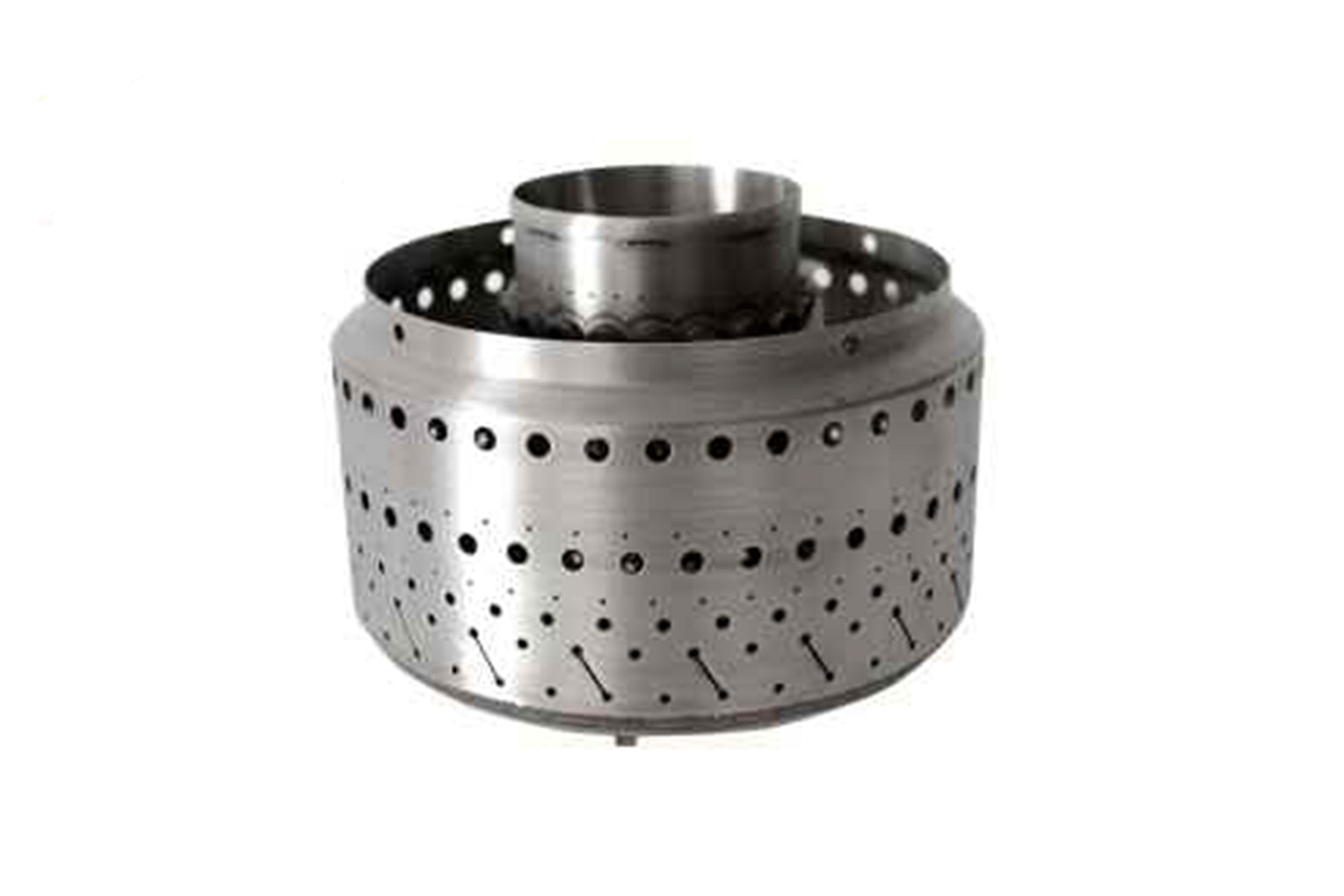
Les alliages haute température sont essentiels pour les composants fonctionnant sous des contraintes thermiques et mécaniques extrêmes dans les chambres de combustion de turbines à gaz. Chez Neway AeroTech, nous sommes spécialisés dans la fabrication de composants personnalisés en utilisant des techniques avancées telles que la moulage à la cire perdue sous vide, la solidification directionnelle et la technologie de pointe de l'impression 3D.
En tirant parti d'une expertise approfondie, nous fournissons des composants de haute précision et performance, conçus sur mesure pour répondre aux exigences opérationnelles strictes des turbines à gaz du secteur énergétique.
Principaux Défis de Fabrication pour les Composants Haute Température
Les principaux défis de fabrication incluent :
Stabilité Thermique : Maintenir l'intégrité structurelle à des températures dépassant 1000°C.
Complexité de Précision : Atteindre des tolérances dimensionnelles extrêmement serrées (±0,10 mm) dans des géométries complexes.
Résistance au Fluage et à la Fatigue : Garantir la fiabilité sous des contraintes opérationnelles soutenues.
Résistance à la Corrosion et à l'Oxydation : Protéger les composants contre des environnements opérationnels agressifs.
Explication Détaillée des Procédés de Fabrication
Moulage à la Cire Perdue sous Vide
Des modèles en cire de précision sont créés pour reproduire des géométries détaillées.
Des moules céramiques sont produits, suivis de l'élimination de la cire par autoclave (~180°C).
Le moulage est effectué sous vide (<0,01 Pa), éliminant les impuretés et garantissant la pureté de l'alliage.
Un refroidissement lent contrôlé (25–35°C/heure) minimise les contraintes résiduelles et améliore la stabilité dimensionnelle.
Solidification Directionnelle
Utilise des gradients thermiques contrôlés (20–50°C/cm) pour aligner les structures de grains.
Améliore la résistance au fluage et la durée de vie en fatigue grâce à un alignement directionnel contrôlé des grains.
Un refroidissement lent (20–35°C/heure) réduit les défauts, assurant une intégrité structurelle améliorée.
Comparaison des Procédés de Fabrication Principaux
Procédé | Précision Dimensionnelle | État de Surface | Efficacité | Capacité de Complexité |
|---|---|---|---|---|
Moulage à la Cire Perdue sous Vide | ±0,15 mm | Ra 3,2–6,3 µm | Modérée | Élevée |
Solidification Directionnelle | ±0,20 mm | Ra 6,3–12,5 µm | Modérée | Modérée |
Usinage CNC | ±0,01 mm | Ra 0,8–3,2 µm | Modérée | Modérée |
Impression 3D SLM | ±0,05 mm | Ra 6,3–12,5 µm | Élevée | Très Élevée |
Stratégie de Sélection des Procédés de Fabrication pour les Pièces Haute Température
Moulage à la Cire Perdue sous Vide : Idéal pour les pièces complexes et de précision nécessitant une précision dimensionnelle de ±0,15 mm avec une excellente qualité métallurgique.
Solidification Directionnelle : Meilleur pour les composants critiques nécessitant une performance améliorée au fluage, offrant une précision jusqu'à ±0,20 mm.
Usinage CNC : Optimal pour la finition complexe et les caractéristiques à tolérances serrées (précision de ±0,01 mm).
Impression 3D SLM : Préféré pour le prototypage rapide et les structures de refroidissement internes complexes, avec une précision dimensionnelle de ±0,05 mm.
Matrice d'Analyse des Matériaux pour les Alliages Haute Température
Matériau | Résistance à la Traction (MPa) | Limite d'Élasticité (MPa) | Température Opérationnelle Max (°C) | Résistance à l'Oxydation | Applications |
|---|---|---|---|---|---|
1240 | 1035 | 700 | Supérieure | Disques de turbine, aubes | |
780 | 385 | 1175 | Excellente | Chemises de combustion, conduits d'échappement | |
1200 | 870 | 980 | Exceptionnelle | Anneaux de buse, aubes | |
1160 | 815 | 920 | Exceptionnelle | Composants de turbine haute pression | |
1300 | 1000 | 1150 | Supérieure | Aubes de turbine monocristallines | |
860 | 700 | 850 | Excellente | Chemises de combustion résistantes à l'usure |
Stratégie de Sélection des Matériaux
Inconel 718 : Choisi pour les composants nécessitant une haute résistance à la traction (1240 MPa) et à la fatigue en dessous de 700°C.
Hastelloy X : Optimal pour les chemises de combustion en raison d'une résistance exceptionnelle à l'oxydation à des températures allant jusqu'à 1175°C.
Rene 80 : Meilleur pour les anneaux de buse et les aubes de turbine, offrant une résistance mécanique supérieure (1200 MPa de traction) à 980°C.
Nimonic 90 : Idéal pour les composants de turbine haute pression nécessitant une résistance exceptionnelle au fluage et une résistance (1160 MPa de traction) à 920°C.
CMSX-4 : Préféré pour les aubes de turbine monocristallines nécessitant la plus haute résistance au fluage (1300 MPa de traction) et une stabilité structurelle à 1150°C.
Stellite 6 : Recommandé pour les chemises de combustion résistantes à l'usure en raison d'une excellente résistance à l'usure thermique et d'une résistance (860 MPa de traction) à 850°C.
Technologies Clés de Post-traitement
Pressage Isostatique à Chaud (HIP) : Élimine la porosité interne à ~1200°C et 150 MPa, améliorant l'intégrité mécanique.
Revêtement Barrière Thermique (TBC) : Réduit les températures opérationnelles sur les surfaces des composants (~200°C), prolongeant significativement la durée de vie.
Usinage par Décharge Électrique (EDM) : Permet une finition de précision et des caractéristiques internes complexes avec une précision allant jusqu'à ±0,005 mm.
Traitement Thermique : Améliore la résistance des composants et la résistance à la corrosion grâce à une optimisation microstructurale.
Application Industrielle et Analyse de Cas
Neway AeroTech a fourni des anneaux de buse de turbine Rene 80 de précision pour un OEM énergétique mondial. Notre expertise en fabrication, utilisant le moulage à la cire perdue sous vide, le HIP et les revêtements barrières thermiques, a permis d'obtenir une précision dimensionnelle supérieure (±0,15 mm), une excellente résistance à la fatigue et au fluage, et un fonctionnement fiable à 980°C, dépassant les normes de performance de l'industrie.
Notre expertise approfondie, combinée à des capacités de fabrication avancées, nous positionne comme un partenaire de confiance pour des composants haute température fiables et performants.
FAQ
Quels sont vos délais standard pour les composants de turbine haute température personnalisés ?
Pouvez-vous soutenir le développement de prototypes et la fabrication en petites séries ?
À quelles normes et certifications industrielles vos composants sont-ils conformes ?
Quelles technologies de post-traitement améliorent la durée de vie des composants haute température ?
Offrez-vous un support technique pour la sélection des matériaux et l'optimisation de la conception des composants de chambre de combustion ?
