
Von Thermoplasten zu Photopolymeren: Entfalten Sie Ihre Designs mit Kunststoff-3D-Druck
Einführung in den materialgetriebenen Kunststoff-3D-Druck
Der Kunststoff-3D-Druck unterstützt ein breites Spektrum an Materialien – von flexiblen Thermoplasten bis hin zu starren Photopolymeren – und bietet unvergleichliche Designfreiheit und Funktionalität. Ingenieure können nun Materialeigenschaften in einem einzigen Fertigungsworkflow auf spezifische mechanische, thermische oder visuelle Anforderungen zuschneiden.
Bei Neway Aerotech umfassen unsere Kunststoff-3D-Druckdienste die Technologien SLA, SLS, MJF und FDM mit breiter Materialkompatibilität für Prototypen, Werkzeuge und Endanwendungsteile.
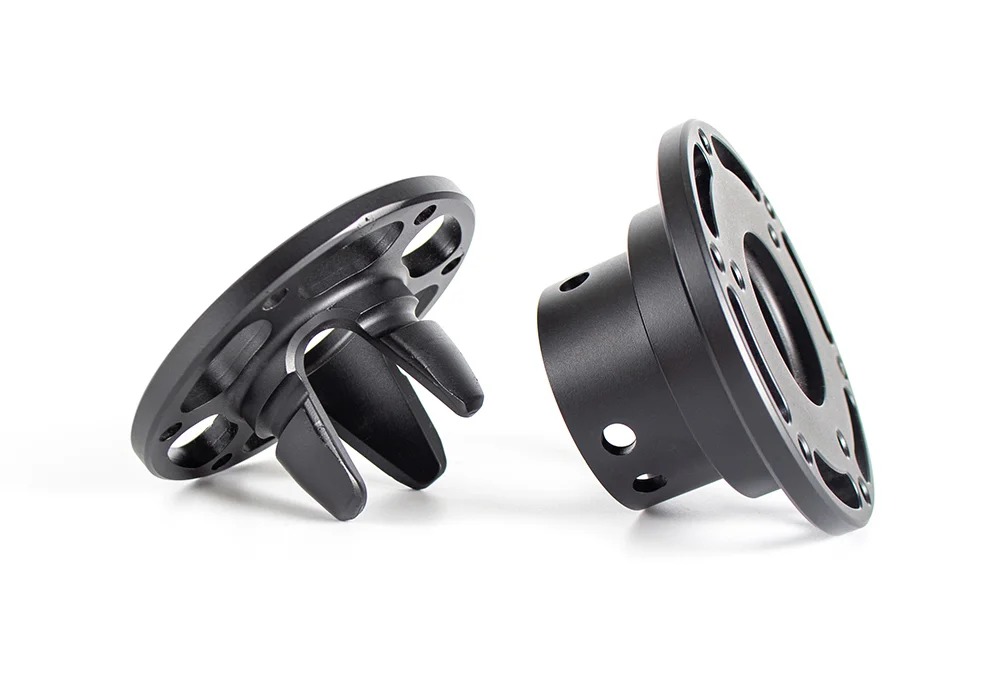
Überblick über die Kunststoff-3D-Drucktechnologie
Überblick: Thermoplaste vs. Photopolymere
Technologie | Materialtyp | Auflösung (μm) | Toleranz (mm) | Hauptmerkmale | Häufige Anwendungsfälle |
|---|---|---|---|---|---|
FDM | Thermoplast | 100–300 | ±0,2–0,4 | Zäh, kostengünstig, konstruktionsgeeignet | Funktionale Vorrichtungen, Halterungen, Gehäuse |
SLS | Thermoplast | 80–120 | ±0,1–0,25 | Langlebig, keine Stützstrukturen, flexible Optionen | Mechanische Prototypen, lasttragende Teile |
MJF | Thermoplast | 70–100 | ±0,1–0,2 | Skalierbar für Chargen, konsistente Festigkeit | Endanwendungsteile, Gehäuse, Verbinder |
SLA | Photopolymer | 25–100 | ±0,05–0,15 | Glatte Oberfläche, hohe Auflösung | Passkontrollen, visuelle Modelle, Zahnmedizin, Medizin |
Hinweis: Photopolymere härten durch Licht aus; Thermoplaste verschmelzen unter Hitze. Die Auswahl hängt von Leistungs- und visuellen Prioritäten ab.
Auswahlstrategie nach Materialtyp
Thermoplaste: Verwenden Sie diese für Haltbarkeit, Hitzebeständigkeit und mechanische Leistung bei funktionalen oder strukturellen Komponenten.
Photopolymere: Wählen Sie diese, wenn ultra-glatte Oberflächen, Detailauflösung oder Transparenz in der frühen Prototypenphase entscheidend sind.
Materialeigenschaften für fortschrittliche Anwendungen
Thermoplaste und Harze: Leistung auf einen Blick
Material | Typ | Festigkeit (MPa) | Wärmeformbeständigkeit HDT (°C) | Hauptvorteil | Anwendungen |
|---|---|---|---|---|---|
PLA | Thermoplast | ~60 | ~55 | Schnelles, einfaches Prototyping | Design-Mockups, visuelle Prototypen |
ABS | Thermoplast | ~45 | ~96 | Schlag- und chemikalienbeständig | Gehäuse, Automobilkomponenten |
Nylon PA12 | Thermoplast | ~50 | ~180 | Abriebfest, halbflexibel | Schnappverschlüsse, tragbare Komponenten |
TPU | Thermoplast | ~30 | ~60 | Flexibel, reißfest | Dichtungen, Hülsen, weiche Kontaktelemente |
SLA Tough Resin | Photopolymer | ~55 | ~50 | Hohe Genauigkeit, steif und widerstandsfähig | Vorrichtungen, Prototypen für Verbrauchergehäuse |
SLA Clear Resin | Photopolymer | ~50 | ~45 | Transparent, polierbar | Lichtleiter, Fluidmodelle, Optiktests |
Strategie zur Materialauswahl
PLA: Ideal für schnelle, kosteneffiziente Iterationen und die Validierung physikalischer Modelle in frühen Phasen.
ABS: Wird für strukturelle Anwendungen verwendet, die höhere Temperatur- und Chemikalienbeständigkeit erfordern.
Nylon PA12: Bevorzugt für mechanisch belastete Komponenten und industrielle Prototypensysteme.
TPU: Wird eingesetzt, wo Stoßdämpfung oder Bewegungsfähigkeit erforderlich sind.
Tough Resin: Für Anwendungen, die Präzision mit besserer Schlagzähigkeit als Standardharze erfordern.
Clear Resin: Wird für Transparenz und Polierfähigkeit gewählt, insbesondere in optischen oder fluidischen Studien.
Fallstudie: SLA- und SLS-gedruckte Komponenten für die Prototypenerstellung von Medizinprodukten
Projekthintergrund
Ein Medizintechnik-Startup benötigte funktionale und kosmetische Teile, um einen Inhalator-Prototypen für Investorenprüfungen und frühe Usability-Tests vorzuführen.
Fertigungsablauf
Materialauswahl: SLA Tough Resin für transparente Kappen und detailreiche Gehäuse; SLS Nylon PA12 für interne Halterungen.
Designoptimierung: Schnappverschluss-Geometrie mit Toleranzen von ±0,1 mm und gleichmäßiger Wandstärke für Festigkeit konzipiert.
Druckprozess: SLA verwendete eine Schichtdicke von 50 μm; SLS wurde in genesteten Chargen für reduzierte Kosten gefertigt.
Nachbearbeitung: SLA-Teile UV-gehärtet und auf <4 μm Ra poliert; SLS-Teile kugelgestrahlt und trocken montiert.
Validierung: Funktioneller Luftstrom durch das montierte Gerät getestet; alle Komponenten bestanden Pass- und Montageprüfungen.
Nachbearbeitungsprozess
Oberflächenfinish: SLA-Teile manuell für optische Klarheit poliert; SLS-Teile versiegelt für angenehme Handhabung.
Maßkontrolle: Verifiziert durch 3D-Scan-Inspektion; Abweichung < ±0,08 mm über 15 Einheiten.
Montage: Der Schnappverschluss behielt seine Form nach über 100 Einführzyklen ohne Verlust der Rückhaltekraft.
Ergebnisse und Verifizierung
Die final montierten Geräte zeigten volle funktionale und kosmetische Intentionsumsetzung und erhielten positives Kundenfeedback ohne necessità di Iterationen.
Maßtoleranzen und mechanisches Eingreifen lagen innerhalb von ±0,1 mm und erfüllten damit die Anforderungen für präklinische Tests und Verpackungen.
Teileproduktion und Nachbearbeitung wurden in 5 Werktagen abgeschlossen, was den Zeitplan im Vergleich zur traditionellen CNC-Bearbeitung um über 60 % reduzierte.
Die SLA-Klarheit eliminierte die Notwendigkeit transparenter Spritzguss-Abdeckungen, sparte Werkzeugkosten und beschleunigte das visuelle Feedback.
Häufig gestellte Fragen (FAQs)
Was ist der Unterschied zwischen SLA-Harz und Thermoplast-3D-Druckmaterialien?
Kann ich klare oder medizinisch zugelassene Materialien für kunststoffgedruckte 3D-Teile verwenden?
Wie vergleichen sich SLA und SLS in Bezug auf Genauigkeit und Haltbarkeit?
Sind funktionale Schnappverschluss-Komponenten mittels Kunststoff-3D-Druck möglich?
Wie schnell kann ich Prototypenteile aus Spezialharzen oder Nylons erhalten?
