
Superlegierungs-CNC-Bearbeitung für die Präzisionsfertigung von Hochtemperaturkomponenten
Hochpräzisionsbearbeitung für anspruchsvolle thermische und mechanische Umgebungen
Superlegierungen sind für den Einsatz in Umgebungen über 1000°C entwickelt, wo Oxidationsbeständigkeit, Kriechfestigkeit und Maßhaltigkeit entscheidend sind. Diese Materialien – wie Inconel, Rene, CMSX und Hastelloy – sind aufgrund ihrer geringen Wärmeleitfähigkeit, Kaltverfestigung und hohen Festigkeit schwer zu bearbeiten.
Neway AeroTech bietet fortschrittliche CNC-Bearbeitungsdienste an, die für Superlegierungsbauteile optimiert sind. Wir fertigen Turbinenschaufeln, Leitschaufeln, Brennkammerkomponenten, Flansche und Düsen mit engen Toleranzen für die Luft- und Raumfahrt, Energie, Nuklear- und Öl- und Gasindustrie.
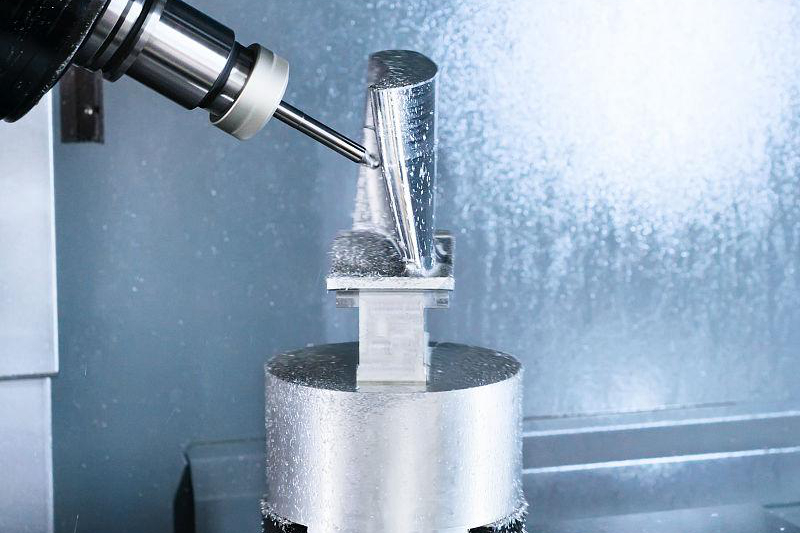
Kern-CNC-Technologien für die Superlegierungsbearbeitung
Die Bearbeitung von Superlegierungen erfordert präzise Temperaturkontrolle, fortschrittliche Werkzeuge und Echtzeit-Rückmeldungen, um Toleranzen und Oberflächenintegrität zu gewährleisten.
5-Achsen-Simultanbearbeitung für komplexe Schaufel-, Leitschaufel- und Innenkonturen
Hochdruckkühlmittel (bis zu 100 bar) für Spanabfuhr und Temperaturkontrolle
Hartmetall-, CBN- und Keramikwerkzeuge optimiert für Nickel- und Kobaltbasislegierungen
Werkzeugverschleiß-Kompensationsalgorithmen für Maßwiederholgenauigkeit bei Serienfertigung
Vor- und nachbearbeitende Wärmebehandlung zur Spannungsarmglühung
Wir halten die Zertifizierungen ISO 9001, AS9100D und NADCAP für die Fertigung kritischer Luftfahrt- und Energieteile ein.
Häufig für Hochtemperaturanwendungen bearbeitete Superlegierungen
Legierung | Max. Temp. (°C) | Bearbeitete Komponenten | Branche |
|---|---|---|---|
704 | Dichtungen, Flansche, Düsen | ||
980 | Turbinenschaufeln, Leitschaufeln | ||
1140 | Tragflächenprofile, Kühlplatten | ||
1175 | Brennkammergehäuse |
Diese Materialien werden aufgrund ihrer Thermoschwingfestigkeit, Oxidationsbeständigkeit und mechanischen Integrität ausgewählt.
Fallstudie: CMSX-4 Erststufen-Tragflächenprofil CNC-Bearbeitung
Projekthintergrund
Ein Turbinenhersteller benötigte die 5-Achsen-CNC-Bearbeitung von CMSX-4-Tragflächenprofilen mit 3D-Krümmung, Hinterkantenschlitzen und Kühlbohrungen. Die geforderten Toleranzen waren ±0,008 mm für das Profil, Ra ≤ 0,4 μm Oberflächengüte und 0,2 mm Kantenradien. Die Nachbearbeitungsprüfung bestätigte die Maßhaltigkeit und die Erhaltung der Mikrostruktur.
Typische bearbeitete Superlegierungskomponenten und Anwendungen
Komponente | Legierung | Toleranz | Branche |
|---|---|---|---|
HPT-Schaufel | Rene 88 | ±0,008 mm | |
Düsenring | Inconel 718 | ±0,01 mm | |
Brennkammerauskleidung | Hastelloy X | ±0,015 mm | |
Kraftstoffeinspritzkopf | CMSX-4 | ±0,006 mm |
Jedes Bauteil muss Anforderungen an Thermoschwingfestigkeit, Strömungspfadgenauigkeit und Dichtflächen erfüllen.
CNC-Bearbeitungsherausforderungen in der Superlegierungsfertigung
Werkzeugverschleißraten >0,08 mm/Stunde in Inconel- und Rene-Legierungen erfordern häufige Kompensation und hochbelastbare Wendeschneidplatten
Thermische Verformung >0,01 mm während langer Bearbeitungszyklen ohne Hochdruckkühlmittel führt zu Toleranzabweichungen
Kaltverfestigungstiefe bis zu 1 mm in Nickellegierungen verringert das Schneidereindringen und erhöht das Werkzeugflattern
Ra ≤ 0,4 μm Oberflächengüte muss an Dichtflanschen und Luftstromkontaktflächen eingehalten werden
Entgraten und Verrunden von Kühlbohrungen muss 0,2 mm halten, ohne angrenzende Wandstärken zu reduzieren
CNC-Lösungen für die Präzisionsfertigung von Superlegierungsbauteilen
Kühlmittel-durchflossene Hartmetallbohrer und Walzenfräser halten das Profil innerhalb von ±0,008 mm bei tiefen Nuten und Schlichtbearbeitung
Mehrachsige Werkzeugbahnsteuerung gewährleistet das Verschleifen der Hinterkante mit 0,2 mm Radius und gleichmäßiger Tragflächenverwindung
Echtzeit-Drehmoment-Rückmeldesysteme passen die Vorschübe an, um Werkzeugüberlastung zu verhindern und die Standzeit zu erhalten
EDM-Integration für enge Radien oder innere Filmkühlkanäle in CMSX-Schaufeln
Vorbearbeitende Wärmebehandlung zur Reduzierung innerer Spannungen und Vermeidung von Verzug unter Spannung
Ergebnisse und Verifizierung
Fertigungsmethoden
Die Teile wurden mittels Vakuum-Fein- oder Präzisionsguss gegossen und dann auf Hochgeschwindigkeits-5-Achsen-CNC-Zentren bearbeitet. CAM-Werkzeugbahnen wurden für Kaltverfestigung und thermische Belastungen optimiert.
Präzisions-Finishbearbeitung
Oberflächengüte Ra ≤ 0,4 μm wurde durch Diamantpolieren und Konturinterpolation erreicht. Kühlbohrungspositionen wurden durch In-Prozess-Taster und Nachbearbeitungsprüfung verifiziert.
Nachbearbeitung
Die Teile erhielten eine HIP-Behandlung gefolgt von einer Wärmebehandlung. Optional wurde eine TBC-Beschichtung für Heißgasanwendungen aufgebracht.
Prüfung
CMM-Prüfung bestätigte das Tragflächenprofil innerhalb von ±0,005 mm. Röntgenprüfung sicherte die innere Integrität. SEM-Analyse validierte die Oberflächen- und Kantenqualität.
FAQs
Welche Toleranzen sind in der Superlegierungs-CNC-Bearbeitung erreichbar?
Können Sie EDM und CNC in der Turbinenschaufelfertigung kombinieren?
Welche Materialien eignen sich am besten für CNC-Komponenten bei Extremtemperaturen?
Wie minimieren Sie den Werkzeugverschleiß in Inconel- oder Rene-Legierungen?
Welche Finishbearbeitungsprozesse werden für Dicht- und aerodynamische Oberflächen verwendet?
