
Dienstleister für das Schweißen von Gasturbinenschaufeln aus äquiaxial gegossenem Kristall
Präzisionsschweißen für Reparatur und Montage von äquiaxialen Superlegierungs-Schaufeln
Gasturbinenschaufeln, die mittels äquiaxialer Kristallgussverfahren hergestellt werden, bieten robuste Leistung unter hoher thermischer und zyklischer Belastung. Diese Bauteile, typischerweise aus Inconel, Hastelloy oder Rene-Legierungen gefertigt, erfordern häufig hochintegritäres Schweißen zum Fügen, zur Schaufelspitzenreparatur und zum Oberflächenaufbau während Wartung und Fertigung.
Neway AeroTech bietet spezialisierte Superlegierungs-Schweißdienstleistungen für äquiaxial gegossene Gasturbinenschaufeln in den Bereichen Luft- und Raumfahrt, Stromerzeugung und industrielle Gasturbinen. Unsere Prozesse umfassen WIG- und Laserschweißen, unterstützt durch Wärmebehandlung und zerstörungsfreie Prüfung, um strukturelle und metallurgische Konformität sicherzustellen.
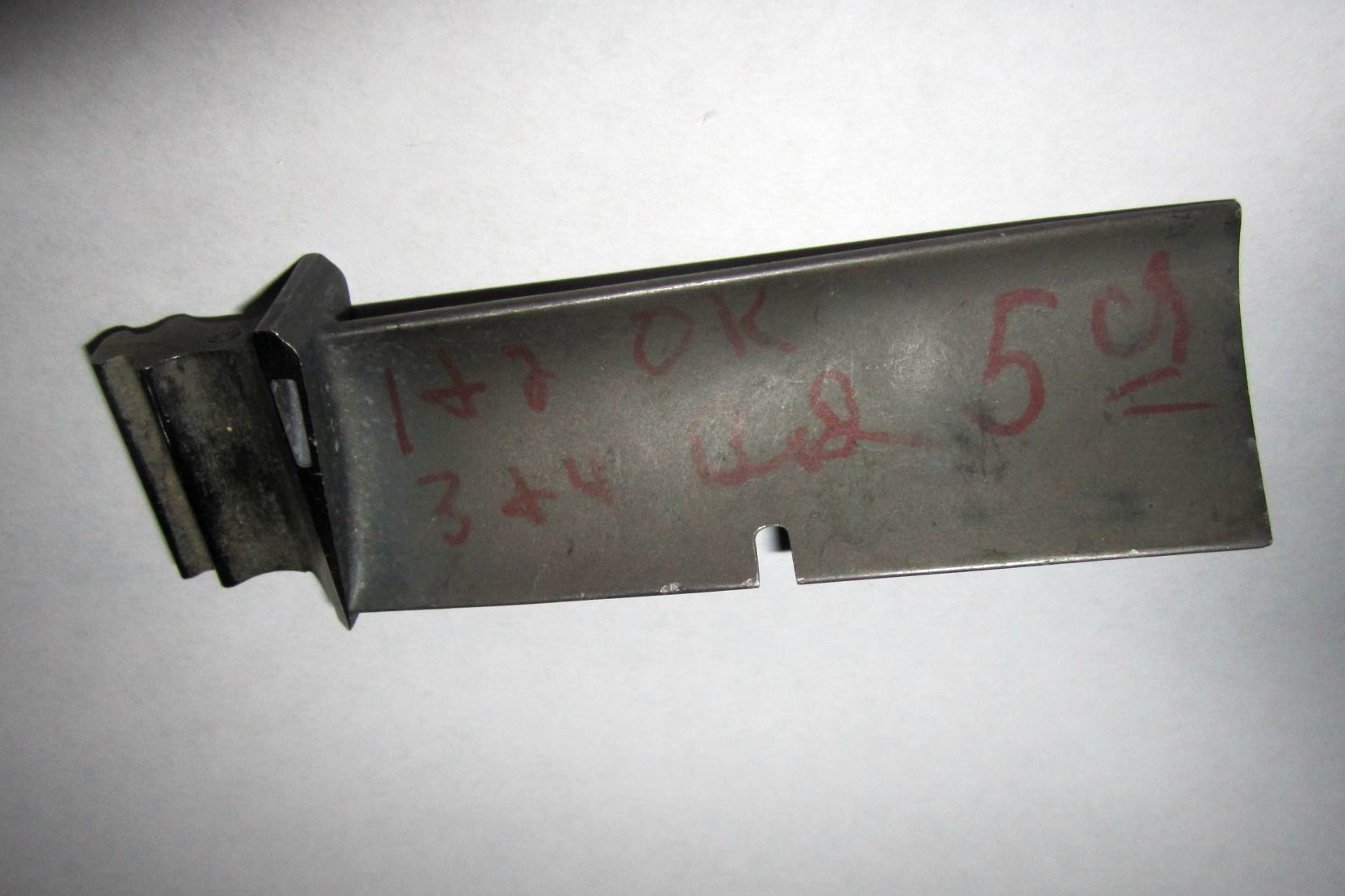
Kernschweißtechnologien für gegossene Turbinenschaufeln
Das Schweißen von Gasturbinenschaufeln erfordert präzise Temperaturkontrolle und abgestimmte Legierungszusammensetzung, um Rissbildung und Gefügeverschlechterung zu vermeiden.
WIG-Schweißen für Schaufelspitzenwiederherstellung und Vorderkantenreparatur
Laserschweißen für kleine Querschnittsverbindungen und verzerrungsarme Nähte
Gasschutz und Vorwärmkontrolle zur Reduzierung von Porosität und Oxidation
Wärmebehandlung nach dem Schweißen zur Spannungsarmglühung und Wiederherstellung mechanischer Eigenschaften
Alle Schweißarbeiten entsprechen den AS9100D-, NADCAP- und OEM-Schaufelreparaturstandards.
Häufige Schaufellegierungen und Anwendungen
Legierung | Max. Temp. (°C) | Streckgrenze (MPa) | Anwendung |
|---|---|---|---|
1050 | 880 | Turbinenleit- und -laufschaufeln | |
1040 | 950 | Hochdruckstufenschaufeln | |
1175 | 790 | Brennkammerübergangsteile | |
950 | 760 | Turbinenrad und Düsenschaufeln |
Diese Legierungen werden aufgrund ihrer Gießbarkeit, Thermoermüdungsbeständigkeit und Schweißbarkeit ausgewählt.
Fallstudie: WIG-Schaufelspitzenwiederherstellung von Inconel 738 Turbinenschaufeln
Projekthintergrund
Ein OEM aus der Stromerzeugungsbranche reichte eine Charge Inconel 738 Turbinenschaufeln mit Schaufelspitzenerosion nach 5.000 Betriebsstunden ein. Unter Verwendung passenden WIG-Zusatzwerkstoffs wurden Schaufelspitzenschweißungen aufgebracht und neu geformt. Die abschließende Wärmebehandlung stellte Härte und Duktilität wieder her, während Röntgenprüfung vollständige Durchschweißung bestätigte.
Typische Schaufelschweißanwendungen und Branchen
Bauteil | Schweißtyp | Legierung | Branche |
|---|---|---|---|
Turbinenlaufschaufel | WIG-Schaufelspitzenschweißung | Inconel 738 | |
Leitschaufelsegment | Lasernahtschweißung | Hastelloy X | |
Schaufelfußaufbau | WIG-Auftragsschweißung | Rene 77 | |
Übergangsschaufel | WIG + Spannungsarmglühen | Inconel 713C |
Jede Schweißnaht wird geprüft, um zyklische Belastung, Kriechen und Oxidationsstandards zu erfüllen.
Schweißherausforderungen bei äquiaxial gegossenen Turbinenkomponenten
Korngrenzenverflüssigung während des Schweißens kann zu Rissen führen
Porosität und Schlackeneinschlüsse in kleinen Schweißbädern
Fehlanpassung des Wärmeausdehnungskoeffizienten zwischen Zusatzwerkstoff und Grundmaterial verursacht Spannungen
Wärmeeinflusszonen-Versprödung durch unkontrollierte Phasenumwandlung
Eingeschränkter Zugang zu gekrümmten Schaufel- und Hinterkantengeometrien
Zertifizierte Lösungen für das Turbinenschaufelschweißen
WIG-Schweißen mit passendem Inconel/Rene-Draht zur Aufrechterhaltung metallurgischer Kompatibilität
Laserschweißen unter Inertgasatmosphäre für rissanfällige Zonen
Kontrollierte Vorwärm- und Zwischenlagentemperaturen für duktile Schweißzonen
Heißisostatisches Pressen (HIP) nach dem Schweißen und Wärmebehandlung zur Spannungsreduzierung und Verdichtung der Korngrenzen
Endbearbeitung und Polieren zur Wiederherstellung des aerodynamischen Profils
Ergebnisse und Verifizierung
Schweißdurchführung
Für Schaufelspitzenreparaturen wurde WIG-Schweißen mit Inconel 738 Zusatzwerkstoff verwendet. Lagen wurden unter Gasschutz aufgebaut und präzisionskonturgeschliffen. Mehrstufige Wärmebehandlung stellte Gefügestruktur und Festigkeit wieder her.
Nachschweißbehandlung
Die Schaufeln wurden einer HIP-Behandlung bei 1030°C und Passivierung unterzogen, um die Oxidationsbeständigkeit zu verbessern. Optional wurde eine TBC-Beschichtung auf exponierten Oberflächen aufgebracht.
Prüfung
Röntgen sicherte die Durchschweißungsintegrität. Koordinatenmessmaschine (KMM) bestätigte die Schaufelprofilabmessungen. Rasterelektronenmikroskopie (REM) validierte Mikrostruktur und Kornverfeinerung in der Wärmeeinflusszone.
FAQs
Welche Inconel- oder Rene-Legierungen sind in äquiaxial gegossener Form schweißbar?
Wie werden Schaufelspitzenreparaturen an Turbinenschaufeln validiert?
Kann TBC nach dem Schaufelschweißen wieder aufgebracht werden?
Welche Wärmebehandlung nach dem Schweißen ist erforderlich?
Bearbeiten Sie sowohl Reparatur- als auch Neumontageschweißungen?
