
Equiaxed Crystal Casting Gas Turbine Blade Welding Service Provider
Precision Welding for Equiaxed Superalloy Blade Repair and Assembly
Gas turbine blades cast using equiaxed crystal casting deliver robust performance under high thermal and cyclic stress. These components, typically manufactured in Inconel, Hastelloy, or Rene alloys, often require high-integrity welding for joining, tip repair, and surface build-up during maintenance and manufacturing.
Neway AeroTech provides specialized superalloy welding services for equiaxed-cast gas turbine blades used in aerospace, power generation, and industrial gas turbines. Our processes include TIG and laser welding, supported by heat treatment and non-destructive inspection to ensure structural and metallurgical compliance.
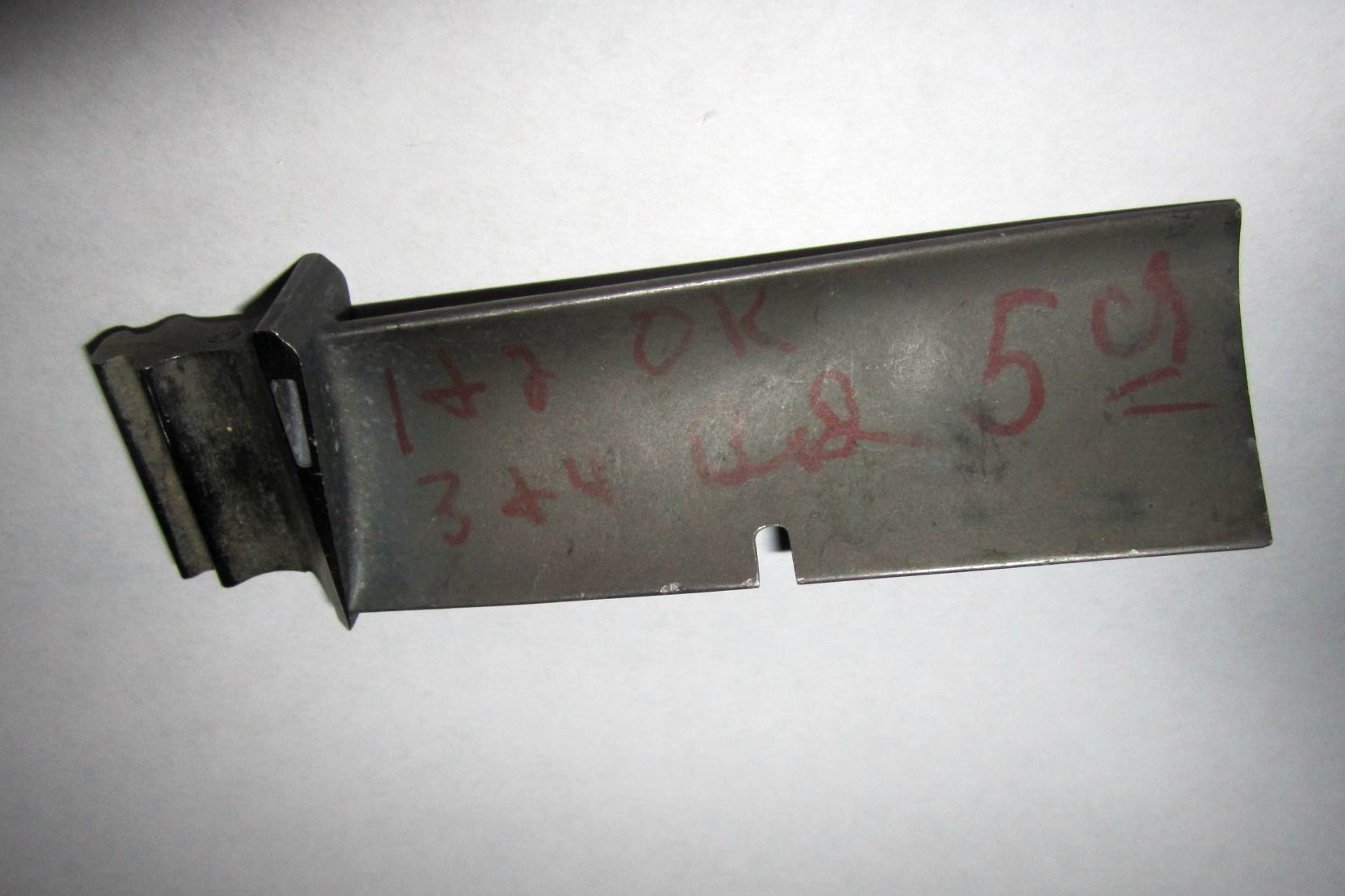
Core Welding Technologies for Cast Turbine Blades
Gas turbine blade welding requires precise thermal control and matching alloy chemistry to avoid crack formation and microstructural degradation.
TIG welding for tip restoration and leading-edge repair
Laser welding for small cross-section joints and low-distortion seams
Gas shielding and preheat control to mitigate porosity and oxidation
Post-weld heat treatment to relieve residual stress and restore mechanical properties
All welding operations comply with AS9100D, NADCAP, and OEM blade repair standards.
Common Blade Alloys and Applications
Alloy | Max Temp (°C) | Yield Strength (MPa) | Application |
|---|---|---|---|
1050 | 880 | Turbine stator vanes, rotor blades | |
1040 | 950 | High-pressure stage blades | |
1175 | 790 | Combustor transition parts | |
950 | 760 | Turbine wheel and nozzle vanes |
These alloys are selected for castability, thermal fatigue resistance, and weldability.
Case Study: TIG Tip Restoration of Inconel 738 Turbine Blades
Project Background
A power generation OEM submitted a batch of Inconel 738 turbine blades with tip erosion after 5,000 service hours. Using matching TIG filler metal, tip welds were applied and reshaped. Final heat treatment restored hardness and ductility, while X-ray testing confirmed full fusion.
Typical Blade Welding Applications and Industries
Component | Weld Type | Alloy | Industry |
|---|---|---|---|
Turbine Rotor Blade | TIG tip weld | Inconel 738 | |
Stator Segment | Laser seam weld | Hastelloy X | |
Blade Root Buildup | TIG filler weld | Rene 77 | |
Transition Vane | TIG + stress relief | Inconel 713C |
Each weld is tested to meet cyclic load, creep, and oxidation standards.
Welding Challenges in Equiaxed-Cast Turbine Components
Grain boundary liquation during welding can lead to cracking
Porosity and slag entrapment in small weld pools
Mismatch in CTE between weld filler and base material causes stress
HAZ embrittlement from uncontrolled phase transformation
Limited access to curved vane and trailing edge geometries
Certified Solutions for Turbine Blade Welding
TIG with matching Inconel/Rene wire to maintain metallurgical compatibility
Laser welding under inert atmosphere for crack-prone zones
Controlled preheat and interpass temperatures for ductile weld zones
Post-weld HIP and heat treatment to relieve stress and densify grain boundaries
Final machining and polishing for aerodynamic profile restoration
Results and Verification
Welding Execution
Blade tip repairs used TIG welding with Inconel 738 filler metal. Layers were built up under gas shielding with precision contour grinding. Multi-step heat treatment restored grain structure and strength.
Post-Weld Processing
Blades underwent HIP at 1030°C and passivation to improve oxidation resistance. Optional TBC coating was applied to exposed surfaces.
Inspection
X-ray ensured fusion integrity. CMM confirmed blade profile dimensions. SEM validated microstructure and HAZ grain refinement.
FAQs
What Inconel or Rene alloys are weldable in equiaxed cast form?
How are tip repairs validated on turbine blades?
Can TBC be reapplied after blade welding?
What post-weld heat treatment is required?
Do you handle both repair and new assembly welding?
