Corrax (CX)
Werkstoffeinführung
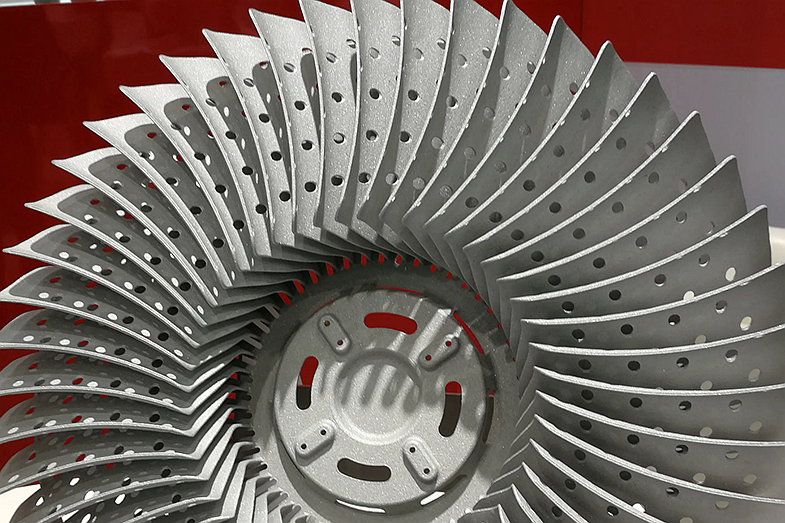
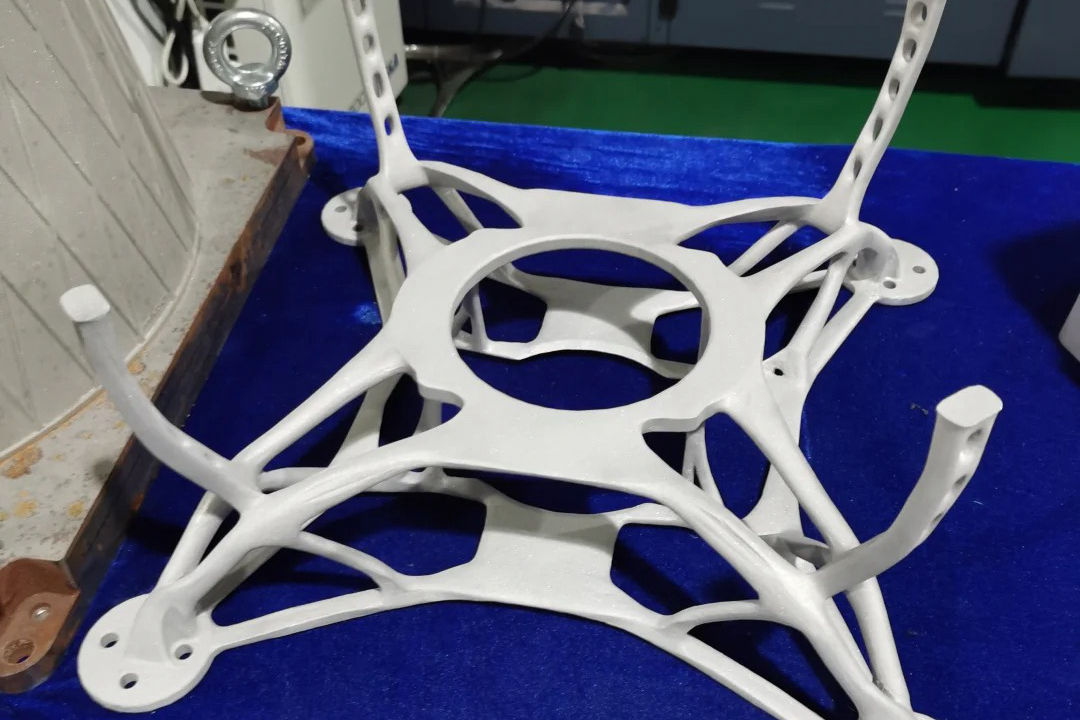
Corrax (CX) ist ein hochwertiger ausscheidungshärtender Edelstahl-Werkzeugstahl, der speziell für den fortschrittlichen Formenbau, die Werkzeugherstellung und hochleistungsfähige industrielle Komponenten entwickelt wurde. In der additiven Fertigung bietet Corrax eine leistungsstarke Kombination aus hoher Härte, hervorragender Maßhaltigkeit und überlegener Korrosionsbeständigkeit – Eigenschaften, die bei herkömmlichen Werkzeugstählen selten zu finden sind. Bei der Verarbeitung mit dem hochpräzisen Edelstahl-3D-Druck von Neway AeroTech bietet CX eine konsistente mikrostrukturelle Homogenität und außergewöhnliche mechanische Stabilität, was es besonders geeignet macht für Spritzgussformen, komplexe Kühlkanäle, hochverschleißfeste Mechanismen und korrosive Betriebsumgebungen. Die Fähigkeit, nach einer Alterungsbehandlung hohe Härte zu erreichen, ermöglicht es Konstrukteuren, funktionale, serientaugliche Werkzeuge direkt mittels Pulverbettfusion ohne Verzug durch Nachbearbeitung herzustellen. Corrax erhöht die Zuverlässigkeit, verbessert die Oberflächenqualität und verlängert die Werkzeuglebensdauer in anspruchsvollen industriellen Anwendungen.
Internationale Bezeichnungen oder repräsentative Güteklassen
Region | Gängige Bezeichnung | Repräsentative Güteklassen |
|---|---|---|
USA | Corrax-Werkzeugstahl | Corrax (CX) |
Europa | Ausscheidungshärtender Edelstahl-Werkzeugstahl | CX |
China | Korrosionsbeständiger Werkzeugstahl | CX |
Japan | Hochharter Edelstahl | CX |
Formenbauindustrie | Ausscheidungshärtender Werkzeugstahl | CX |
Alternative Werkstoffoptionen
Abhängig von den Anforderungen an die Werkzeugleistung können verschiedene alternative Werkstoffe ausgewählt werden. Für Universalwerkzeuge mit hoher Verschleißfestigkeit bietet martensitisch alternder Stahl wie 18Ni300 hervorragende Festigkeit und Bearbeitbarkeit. Für Komponenten, die eine überlegene Korrosionsbeständigkeit bei moderater Härte erfordern, liefern Edelstahloptionen wie 17-4 PH oder 316L verbesserte Zähigkeit und chemische Stabilität. Bei Hochtemperaturanwendungen bieten Nickelbasislegierungen wie Inconel 625 oder Inconel 718 hervorragende Kriech- und Oxidationsbeständigkeit. Für extreme Verschleißbedingungen in rauen mechanischen Umgebungen bieten kobaltbasierte Lösungen wie Stellite 6 unübertroffene Verschleiß- und Fressbeständigkeit. Diese Alternativen ermöglichen es Ingenieuren, das optimale Gleichgewicht zwischen Härte, Korrosionsbeständigkeit, thermischer Leistung und Kosten zu wählen.
Konstruktionsziel
Corrax wurde ursprünglich entwickelt, um einen Edelstahl-Werkzeugstahl bereitzustellen, der hohe Härte (bis zu 50+ HRC), minimalen Verzug und eine überlegene Korrosionsbeständigkeit im Vergleich zu traditionellen Werkzeugstählen erreicht. Sein ausscheidungshärtender Mechanismus gewährleistet eine stabile Wärmebehandlungsleistung ohne übermäßige Maßänderungen, was ihn ideal für Präzisionsformen und langlebige Werkzeuge macht. In der additiven Fertigung ist Corrax weiter optimiert, um komplexe Kühlkanäle, intricate Formgeometrien und schnelle Produktionszyklen zu unterstützen, wodurch Formeningenieure die Durchlaufzeiten verkürzen und gleichzeitig die Kühleffizienz und Lebensdauer verbessern können.
Chemische Zusammensetzung (typisch)
Element | Zusammensetzung (%) |
|---|---|
Eisen (Fe) | Rest |
Chrom (Cr) | 12 |
Nickel (Ni) | 9 |
Molybdän (Mo) | 1,4 |
Aluminium (Al) | 1,6 |
Silizium (Si) | ≤ 0,5 |
Kohlenstoff (C) | ≤ 0,03 |
Mangan (Mn) | ≤ 0,5 |
Physikalische Eigenschaften
Eigenschaft | Wert |
|---|---|
Dichte | ~7,7 g/cm³ |
Wärmeleitfähigkeit | ~18 W/m·K |
Spezifische Wärmekapazität | ~460 J/kg·K |
Elektrischer Widerstand | ~0,8 μΩ·m |
Alterungstemperaturbereich | 425–625 °C |
Mechanische Eigenschaften
Eigenschaft | Typischer Wert |
|---|---|
Zugfestigkeit | 1100–1400 MPa |
Streckgrenze | 900–1150 MPa |
Härte (nach Alterung) | 42–50+ HRC |
Bruchdehnung | 8–12 % |
Schlagzähigkeit | Hoch für Werkzeugstähle |
Wesentliche Werkstoffmerkmale
Fähig, durch kontrollierte Alterungsbehandlung hohe Härte zu erreichen
Hervorragende Korrosionsbeständigkeit im Vergleich zu herkömmlichen Formstählen
Ausgezeichnete Maßhaltigkeit mit minimalem Verzug nach Wärmebehandlung
Hohe Zähigkeit, geeignet für langlebige Formeinsätze und Werkzeugkomponenten
Überlegene Oberflächengüte durch Polieren und Bearbeiten erreichbar
Ausgezeichnete Druckbarkeit mit konsistenter Mikrostruktur
Unterstützt komplexes Kühlkanaldesign zur Optimierung von Spritzgussformen
Stabile mechanische Eigenschaften über einen breiten Temperaturbereich
Vorhersagbares Alterungsverhalten für präzise Härtesteuerung
Reduzierter Wartungsaufwand im Vergleich zu nicht rostfreien Formstählen
Fertigbarkeit in verschiedenen Verfahren
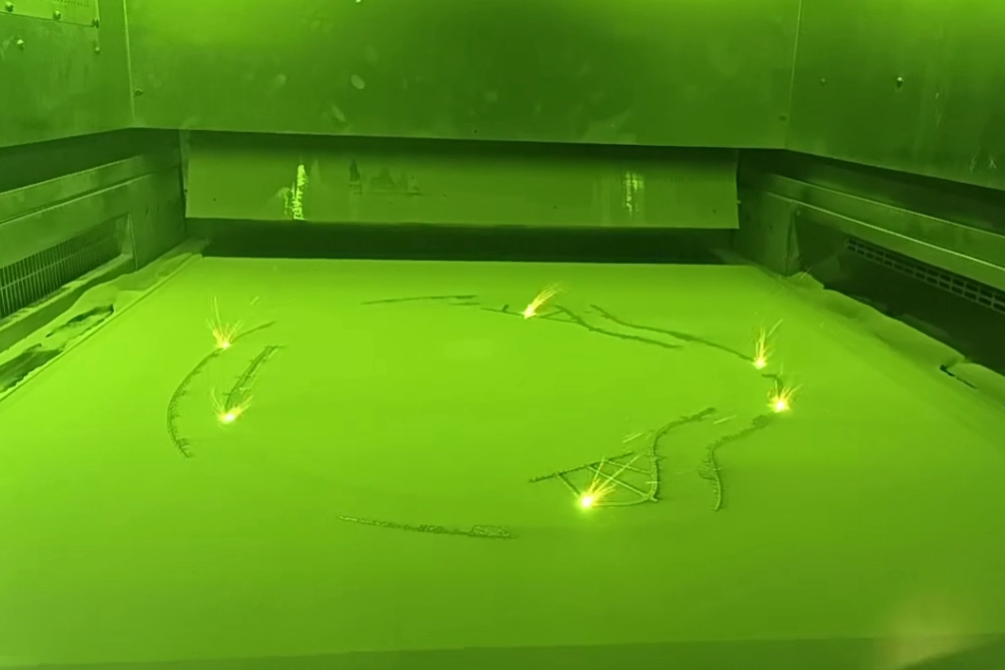
Additive Fertigung: Pulverbettfusion ermöglicht hochdichte, serientaugliche Werkzeuge mit optimierten internen Kühlstrukturen mittels Edelstahl-3D-Druck.
CNC-Bearbeitung: Corrax lässt sich im lösungsgeglühten Zustand sauber bearbeiten und ist kompatibel mit hochpräziser Endbearbeitung, unterstützt durch Superlegierungs-CNC-Bearbeitung.
EDM: Hervorragende Leistung bei der Feinstdetailbearbeitung durch Superlegierungs-EDM.
Tiefbohren: Komplexe Kanäle und Formkreisläufe können mittels Tiefbohren verfeinert werden.
Wärmebehandlung: Corrax reagiert auf Alterungszyklen mit vorhersagbaren Härtesteigerungen unter Nutzung der Superlegierungs-Wärmebehandlung.
Schweißen: Reparatur- oder Modifikationsschweißungen werden unter kontrollierten Bedingungen mittels Superlegierungsschweißen unterstützt.
Gießen: Wird konventionell nicht zum Gießen verwendet, aber die zugrundeliegenden metallurgischen Prinzipien entsprechen der Präzisionsstahlverarbeitung.
Geeignete Nachbearbeitungsverfahren
Alterungsbehandlung zur Härteteinstellung und Strukturfestigung
Heißisostatisches Pressen (HIP) mittels HIP-Technologie zur Erhöhung der Dichte und Ermüdungsbeständigkeit
Polierverfahren zur Erreichung von formgerechten Oberflächengüten
Bearbeitungsanpassungen für Maßgenauigkeit bei kritischen Werkzeugkomponenten
Oberflächenschleifen und -finish für verschleißempfindliche Oberflächen
Zerstörungsfreie Prüfung unter Verwendung fortschrittlicher Werkstoffprüfung
Reinigung und Glättung interner Formkühlkanäle
Häufige Branchen und Anwendungen
Spritzgussform-Einsätze und komplexe Kühlformen
Hochverschleiß-Werkzeuge und Präzisionsformkerne
Kunststoffformsysteme, die Korrosionsbeständigkeit erfordern
Verpackungs-, Unterhaltungselektronik- und Automobilwerkzeuge
Langlebige Formkomponenten für chemisch aggressive Polymere
Präzisionsmechanische Komponenten, die hohe Härte und geringes Korrosionsrisiko erfordern
Wann Sie diesen Werkstoff wählen sollten
Wenn Formkomponenten gleichzeitig hohe Härte und Korrosionsbeständigkeit erfordern
Wenn die Minimierung von Verzug während der Wärmebehandlung entscheidend ist
Bei der Konstruktion von Formen mit konformen Kühlkanälen, optimiert durch additive Fertigung
Wenn eine verlängerte Werkzeuglebensdauer in korrosiven Kunststoffverarbeitungsumgebungen erforderlich ist
Wenn schnelles Prototyping funktionaler Formeinsätze benötigt wird
Wenn Maßhaltigkeit und konsistente Härte für Präzisionsoperationen erforderlich sind
Wenn Polierqualität und Oberflächengüte entscheidend für die Formleistung sind
Wenn wartungsfreies und langlebiges Werkzeug gegenüber herkömmlichen Werkzeugstählen bevorzugt wird
Verwandte Blogs erkunden