304
Werkstoffeinführung
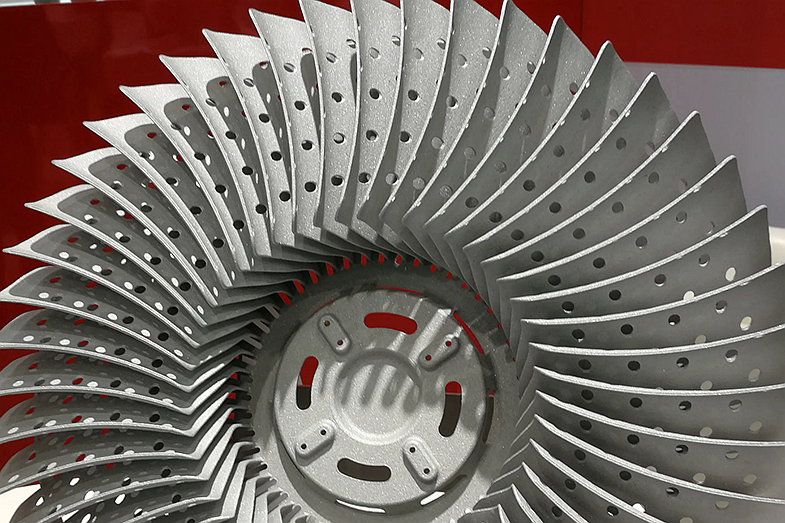
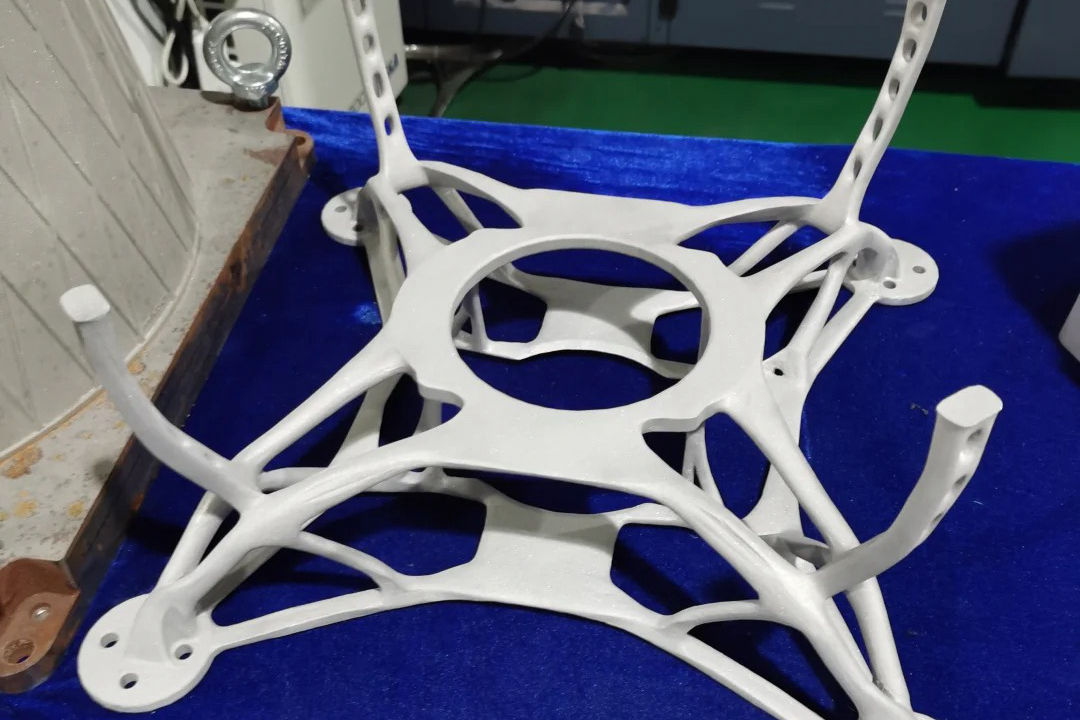
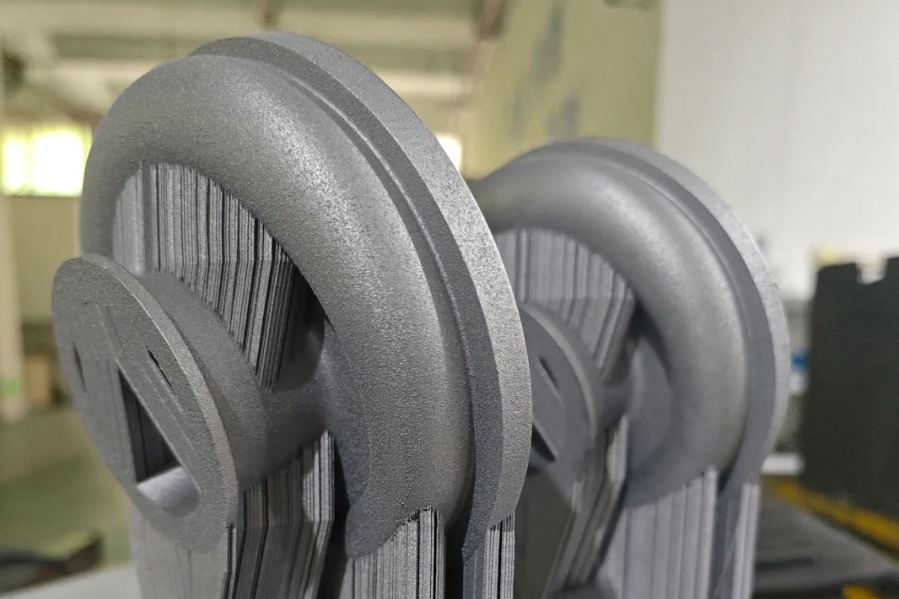
Edelstahl 304 ist einer der weltweit am häufigsten verwendeten austenitischen Edelstähle, der für seine hervorragende Korrosionsbeständigkeit, gute mechanische Festigkeit und Kosteneffizienz geschätzt wird. In der additiven Fertigung bietet 304 einen zuverlässigen Weg zur Herstellung funktioneller Metallkomponenten, die Langlebigkeit, Hygiene und stabile Leistung in verschiedenen Betriebsumgebungen erfordern. Durch die fortschrittlichen Fähigkeiten von Neway im Bereich des 3D-Drucks mit Edelstahl kann 304 in komplexe Geometrien gefertigt werden, die durch spanende Bearbeitung oder traditionelle Umformverfahren schwer oder unmöglich zu realisieren sind. Diese Legierung zeigt eine konsistente Schichtbindung, stabiles Schmelzverhalten und vorhersagbare Maßgenauigkeit. In Kombination mit dem umfassenden 3D-Druck-Service unterstützt 304 das Rapid Prototyping und die Produktion von mechanischen Gehäusen, Vorrichtungen, Halterungen, Küchenkomponenten, chemiebeständigen Teilen und Gebrauchshardware für verschiedene Branchen.
Internationale Bezeichnungstabelle
Region / Norm | Bezeichnung |
|---|---|
USA (AISI) | 304 |
UNS | S30400 |
Europa (EN) | 1.4301 |
China (GB/T) | 06Cr19Ni10 |
Japan (JIS) | SUS304 |
Alternative Werkstoffoptionen
Abhängig von den Betriebsbedingungen und Leistungsanforderungen dienen mehrere rostfreie und nicht rostfreie Legierungen als Alternativen zu 304. Wenn höhere Festigkeit und Härte erforderlich sind, bietet 17-4 PH überlegene mechanische Eigenschaften und eine wärmebehandelbare Leistung. Für Anwendungen, die eine verbesserte Korrosionsbeständigkeit erfordern, übertrifft Edelstahl 316L andere Materialien in Chlorid- und Meeresumgebungen. Wenn Hochtemperaturfestigkeit Priorität hat, bieten Nickellegierungen wie Inconel 625 oder Hastelloy eine deutlich verbesserte thermische Stabilität. Für leichte Nichteisenmetall-Alternativen wird der Aluminium-3D-Druck bevorzugt, während Werkzeugstahl für verschleißfeste oder hochbelastete Komponenten ausgewählt werden kann.
Konstruktionsziel von Edelstahl 304
Edelstahl 304 wurde entwickelt, um eine wirtschaftliche, stabile und korrosionsbeständige Legierung bereitzustellen, die den Anforderungen der Lebensmittelverarbeitung, architektonischer Strukturen, drucktragender Komponenten und chemieverarbeitender Anlagen gerecht wird. Seine Zusammensetzung balanciert Chrom und Nickel aus, um die austenitische Phase zu stabilisieren, was eine hervorragende Duktilität, Zähigkeit und Oxidationsbeständigkeit bietet. Die Legierung ist zudem so konzipiert, dass sie einer breiten Palette von Säuren, Reinigungsmitteln und atmosphärischen Bedingungen widersteht und gleichzeitig leicht umformbar und schweißbar bleibt. Für die additive Fertigung bietet Stahl 304 aufgrund seines stabilen Erstarrungsverhaltens und seiner geringen Rissanfälligkeit eine zuverlässige Druckbarkeit. Sein Konstruktionsziel entspricht Anwendungen, die Reinigbarkeit, Hygiene, Langlebigkeit und moderate Festigkeit erfordern – was ihn ideal für Abdeckungen industrieller Geräte, Konsumgüter, Vorrichtungen und mechanische Komponenten macht.
Chemische Zusammensetzung (Gew.-%)
Element | Gew.-% |
|---|---|
Cr | 18,0–20,0 |
Ni | 8,0–11,0 |
Mn | ≤2,0 |
Si | ≤1,0 |
C | ≤0,08 |
P | ≤0,045 |
S | ≤0,030 |
N | ≤0,10 |
Fe | Rest |
Physikalische Eigenschaften
Eigenschaft | Wert |
|---|---|
Dichte | 7,9 g/cm³ |
Schmelzbereich | 1400–1450 °C |
Wärmeleitfähigkeit | ~16 W/m·K |
Elektrischer Widerstand | ~0,72 μΩ·m |
Wärmeausdehnung | 17,2×10⁻⁶ /K |
Elastizitätsmodul | 193 GPa |
Mechanische Eigenschaften (Gedruckt + Nachbearbeitet)
Eigenschaft | Typischer Wert |
|---|---|
Zugfestigkeit | 515–650 MPa |
Streckgrenze | 205–320 MPa |
Bruchdehnung | 40–55 % |
Härte | ~170 HB |
Dauerfestigkeit | Mittel |
Schlagzähigkeit | Hoch |
Werkstoffmerkmale
Edelstahl 304 bietet eine robuste Reihe von Eigenschaften, die ihn ideal für allgemeine 3D-gedruckte Metallteile machen. Seine austenitische Struktur bietet eine hervorragende Duktilität und ermöglicht die Herstellung komplexer Geometrien ohne Kompromisse bei der Sprödigkeit. Die Korrosionsbeständigkeit der Legierung ist stark gegenüber den meisten Säuren, alkalischen Lösungen, Reinigungsmitteln und atmosphärischen Bedingungen. Sie funktioniert auch zuverlässig in kryogenen Umgebungen und behält dabei Zähigkeit und mechanische Stabilität. 304 zeigt eine gute thermische Stabilität, Oxidationsbeständigkeit bis etwa 870 °C und eine glatte Druckbarkeit aufgrund einer stabilen Schmelzbadkontrolle. Im geglühten Zustand ist er nicht magnetisch, was ihn für den Einsatz in Elektronikgehäusen und medizinischen Geräten geeignet macht. Seine Schweißbarkeit und Kompatibilität mit Nachbearbeitungsverfahren erweitern zudem seinen Nutzen für funktionale Prototypen, kundenspezifische Armaturen und industrielle Komponenten. Obwohl seine Festigkeit im Vergleich zu wärmebehandelbaren Güten moderat ist, hat seine Kombination aus Korrosionsbeständigkeit, Hygiene und Erschwinglichkeit Edelstahl 304 als universelle Ingenieurlegierung etabliert.
Leistung im Fertigungsprozess
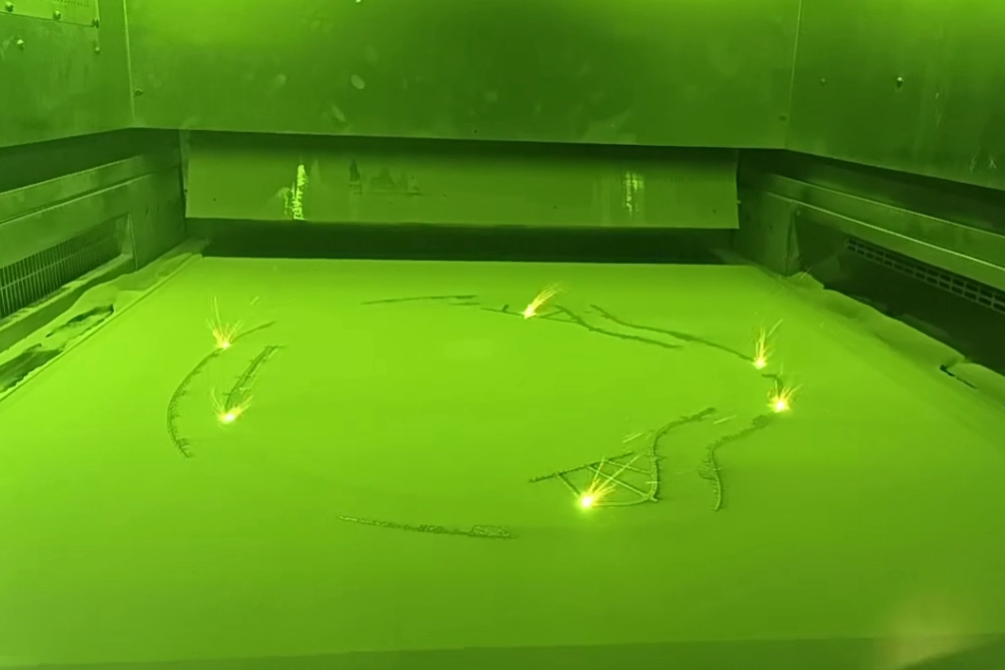
In der additiven Fertigung zeigt Edelstahl 304 vorhersagbares Schmelzen, Erstarren und Schichthaftung, was ihn gut geeignet für das Laser-Pulverbett-Schmelzen macht. Seine stabile austenitische Matrix minimiert das Risiko von Heißrissen während des Drucks. Die Maßgenauigkeit ist hoch, wenn geeignete Temperaturkontrollen und Scanstrategien angewendet werden. Für Gussanwendungen, wie z. B. durch Vakuum-Feinguss, bietet 304 gute Fließfähigkeit und Widerstand gegen Heißrisse. Die Bearbeitung von gedrucktem oder gegossenem 304 ist möglich, erfordert jedoch scharfes Werkzeug aufgrund seines Verfestigungsverhaltens. Nachbearbeitungsoperationen mittels CNC-Bearbeitung von Superlegierungen oder Funkenerosionsbearbeitung (EDM) können enge Toleranzen und verfeinerte Oberflächenqualitäten erreichen. Bei tiefen Innenstrukturen oder langen Kanälen kann präzises Tiefbohren angewendet werden. Für die hybride Fertigung lässt sich 304 sauber verschweißen und unterstützt Polier-, Bürst- und mechanische Härtungsbehandlungen.
Anwendbare Nachbearbeitungsmethoden
Edelstahl 304 spricht gut auf eine breite Palette von Nachbearbeitungsschritten an, sodass finale Komponenten kommerziellen, architektonischen oder hygienischen Standards entsprechen können. Übliche finishing-Schritte umfassen Schleifen, Polieren, Elektropolieren, Passivieren, Strahlen und mechanisches Bürsten. Wärmebehandlungen können angewendet werden, um Spannungen abzubauen oder die Duktilität zu optimieren, obwohl Edelstahl 304 nicht durch Wärmebehandlung härtbar ist. Oberflächenverbesserungen wie chemische Passivierung erhöhen die Korrosionsbeständigkeit, während Reinigungs- und Testprozesse, einschließlich Werkstoffprüfung und -analyse, die Teilekonsistenz sicherstellen. Für gedruckte Teile, die eine hohe strukturelle Integrität erfordern, können HIP oder thermische Konditionierung eingesetzt werden.
Häufige Anwendungen
Edelstahl 304 wird widely in verschiedenen Anwendungen eingesetzt, darunter Lebensmittelverarbeitung, Industriemaschinen, Haushaltsgeräte, Medizinprodukte und Verkehrshardware. In der additiven Fertigung ist er besonders nützlich für die Herstellung von kundenspezifischen Vorrichtungen, Halterungen, Gehäusen, Klemmen, Rohr fittings, Laborwerkzeugen und hygienischen Komponenten, die Korrosion und Reinigungsmitteln standhalten müssen. Branchen wie Pharma und Lebensmittel, Automobil und Energie profitieren von der Kombination aus mechanischer Stabilität, Langlebigkeit und Erschwinglichkeit von 304.
Wann man 304 für den 3D-Druck wählen sollte
304 ist die ideale Wahl, wenn Ingenieure einen korrosionsbeständigen Edelstahl benötigen, der ein Gleichgewicht zwischen Festigkeit, Duktilität und Kosten findet. Er zeichnet sich in Umgebungen mit moderaten Temperaturen, lebensmittelechten Anwendungen und allgemeinen mechanischen Komponenten aus. Wählen Sie 304 für Prototypen, die direkt in die Produktion von Edelstahlteilen übergehen sollen, oder für komplexe Geometrien, die die Korrosionsbeständigkeit und Hygieneeigenschaften einer austenitischen Legierung erfordern. Wählen Sie 304, wenn magnetische Neutralität, einfache Reinigung und Beständigkeit gegen Industriechemikalien entscheidend sind. Er ist auch hervorragend für Konsumgüter, mechanische Gehäuse und Hardware mit mittlerer Festigkeit geeignet. Für extreme Temperaturen, schwere strukturelle Lasten oder chloridreiche Umgebungen sind Gütegrade wie 316L oder Nickel-Superlegierungen besser geeignet. Insgesamt ist 304 der ideale Edelstahl für wirtschaftliche, korrosionsbeständige 3D-gedruckte Komponenten.
Verwandte Blogs erkunden