Hastelloy
Material Introduction
Hastelloy is a family of nickel-based, corrosion-resistant superalloys engineered for extreme environments, widely recognized for their exceptional chemical stability and high-temperature performance. In metal additive manufacturing, Hastelloy has become a preferred choice for components requiring outstanding resistance to acids, chlorides, oxidation, and thermal fatigue. When processed through advanced metal powder bed fusion technologies such as those offered by Neway AeroTech’s dedicated superalloy 3D printing, Hastelloy enables the production of intricate geometries that are difficult or impossible to achieve through conventional casting or machining. These alloys are particularly valued across chemical processing, aerospace, energy, and marine engineering, where long-term durability and structural stability are mandatory. Their robustness, weldability, and predictable metallurgy make them an ideal solution for mission-critical 3D-printed parts operating in high-risk environments.
International Names or Representative Grades
Country/Region | Common Name | Representative Grades |
|---|---|---|
USA | Hastelloy | C-22, C-276, X, B-3 |
Europe | Ni-Cr-Mo Superalloy | C-22, C-4 |
Japan | High-Corrosion Nickel Alloy | C-276 |
China | GH Series / Hastelloy | GH2761 |
Industry Classification | Corrosion-Resistant Nickel Alloy | C-22HS, G-35 |
Alternative Material Options
While Hastelloy is widely used for corrosive and high-temperature applications, several alternative materials can serve different engineering needs depending on thermal load, environmental exposure, or mechanical strength. For extreme heat applications, nickel-based alloys such as Inconel 625 and Inconel 718 offer high creep resistance, along with superior strength-to-weight performance. If oxidation resistance is prioritized, advanced cobalt-based materials, such as Stellite 6, offer excellent wear and galling resistance. For applications requiring lightweight and corrosion resistance in less aggressive environments, titanium 3D printing offers strong mechanical properties with a lower density. In situations where extreme chemical stability is critical, alloys such as Monel 400 offer a balanced alternative for marine and chemical equipment. Each option ensures a tailored approach to performance, manufacturability, and cost optimization.
Design Purpose
Hastelloy alloys were originally designed to withstand the harshest corrosive environments encountered in chemical reactors, acid processing vessels, flue-gas desulfurization systems, aerospace engine components, and high-temperature power-generation assemblies. The intentional blend of nickel, chromium, molybdenum, tungsten, and iron enables superior resistance to pitting, stress-corrosion cracking, and oxidizing or reducing media. Within additive manufacturing, the design intention expands toward enabling lighter, topology-optimized, high-strength components that retain stability under continuous thermal and chemical attack.
Chemical Composition (Typical Range: Hastelloy C-276)
Element | Composition (%) |
|---|---|
Nickel (Ni) | Balance |
Chromium (Cr) | 14.5 – 16.5 |
Molybdenum (Mo) | 15 – 17 |
Iron (Fe) | 4 – 7 |
Tungsten (W) | 3 – 4.5 |
Cobalt (Co) | ≤ 2.5 |
Silicon (Si) | ≤ 0.08 |
Carbon (C) | ≤ 0.01 |
Physical Properties
Property | Value |
|---|---|
Density | ~8.9 g/cm³ |
Melting Range | 1325–1370°C |
Electrical Resistivity | ~1.25 μΩ·m |
Thermal Conductivity | ~10 W/m·K |
Specific Heat Capacity | 420 J/kg·K |
Mechanical Properties
Property | Typical Value |
|---|---|
Tensile Strength | 690–760 MPa |
Yield Strength | 280–350 MPa |
Elongation | 40–50% |
Hardness | 200–240 HB |
Fatigue Strength | High cyclic stability |
Key Material Characteristics
Exceptional corrosion resistance in reducing/oxidizing environments
Outstanding resistance to pitting, crevice corrosion, and chloride-induced attack
High stability in both acidic and alkaline media, ideal for chemical reactors
Excellent high-temperature strength for aerospace and energy systems
Superior weldability and crack resistance during additive fusion processes
Excellent metallurgical stability under cyclic thermal loading
Reliable performance in seawater and offshore environments
High resistance to stress-corrosion cracking and hydrogen embrittlement
Suitable for thin-wall and complex-geometry structures with minimal distortion
Compatible with topology-optimized lightweight designs for aerospace applications
Manufacturability in Different Processes
Additive manufacturing: Powder bed fusion enables the precise fabrication of corrosion-resistant components, supporting complex internal channels and lattice structures for aerospace, energy, and chemical equipment.
CNC machining: High work-hardening tendency requires optimized speeds, supported by Neway’s specialized superalloy CNC machining.
EDM: Excellent compatibility with superalloy EDM for hard-to-cut geometries.
Deep hole drilling: Stable under thermal stress when processed through advanced deep hole drilling methods.
Welding: High weldability when processed using controlled superalloy welding techniques.
Heat treatment: Suitable for controlled strengthening within the superalloy heat treatment workflow.
Casting compatibility: While challenging in conventional casting, modern precision techniques like vacuum investment casting are applicable for certain Hastelloy grades.
Common Post-Processing Methods
Hot Isostatic Pressing (HIP) via HIP service to eliminate porosity and enhance fatigue performance
Heat treatment for microstructure homogenization and stress relief
Surface machining for dimensional accuracy
Chemical resistance coating solutions, such as thermal barrier coating, for thermal stability
Non-destructive testing using advanced material testing and analysis
Polishing and finishing for chemical equipment requiring low surface roughness
EDM finishing for intricate internal passages
Common Industries and Applications
Aerospace engine hot-section parts, brackets, and flow components
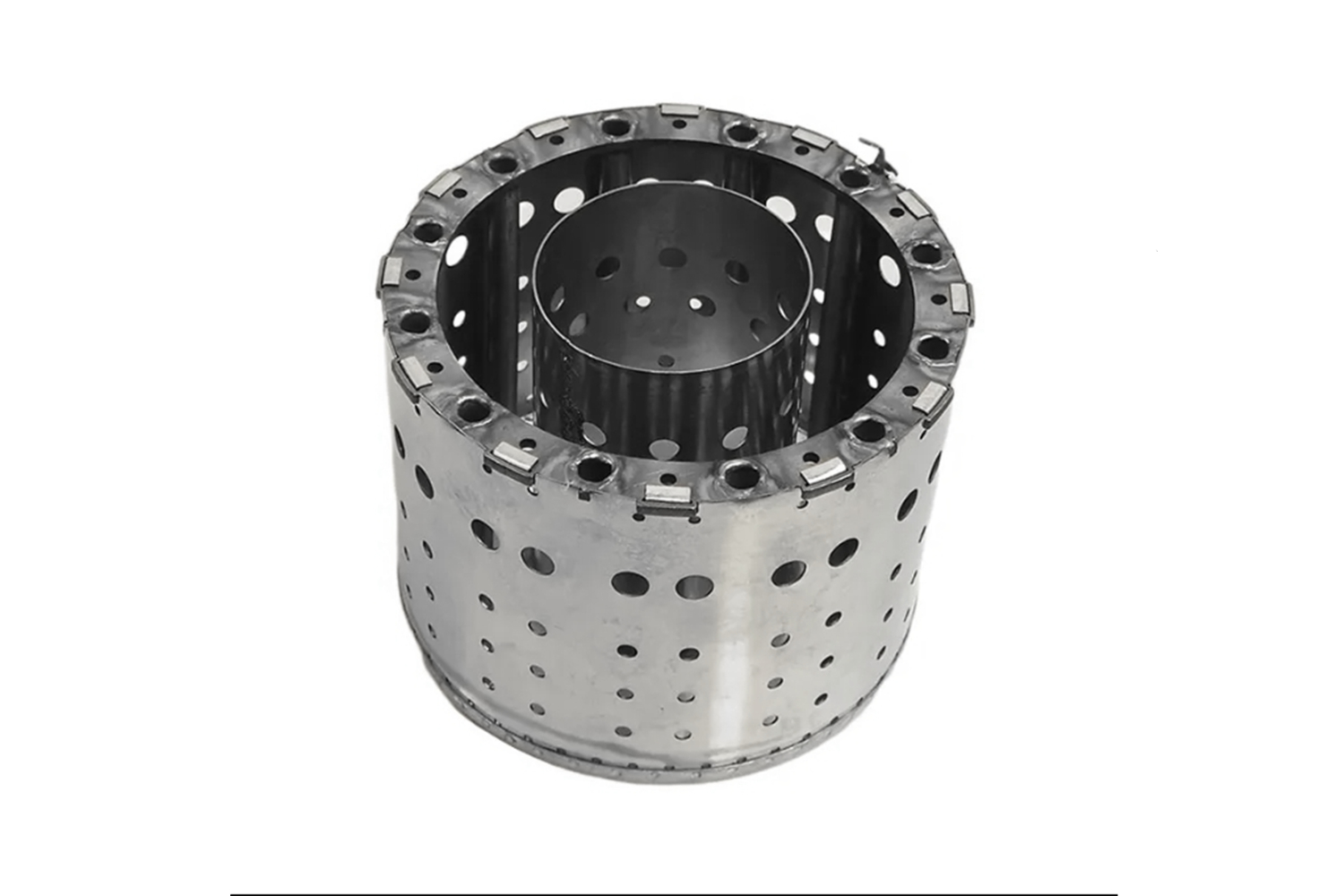
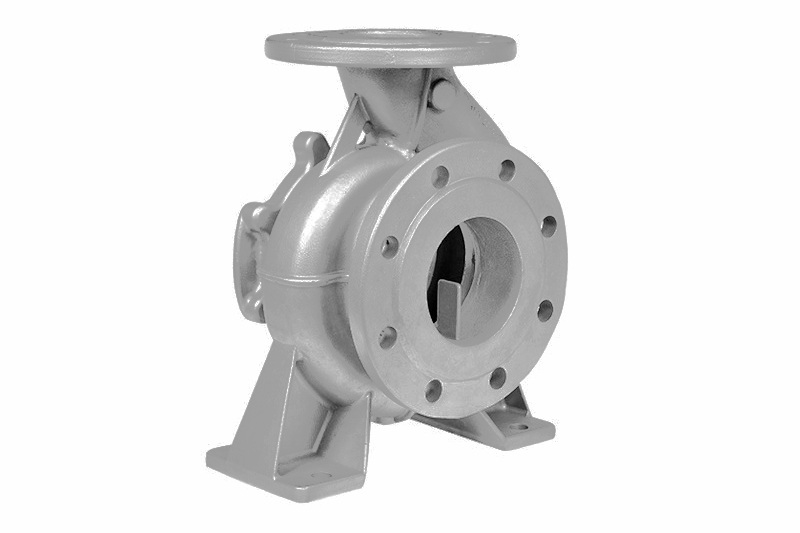
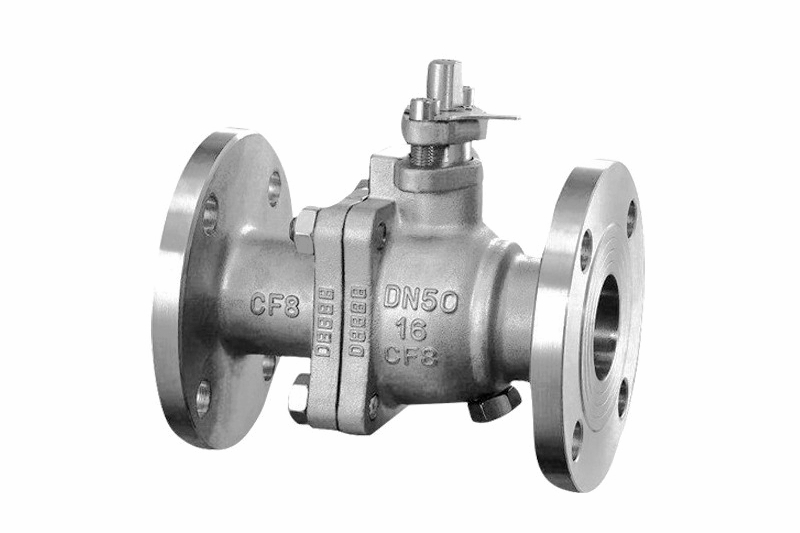
Chemical processing reactors, pumps, valves, and piping systems
Marine and offshore equipment exposed to seawater corrosion
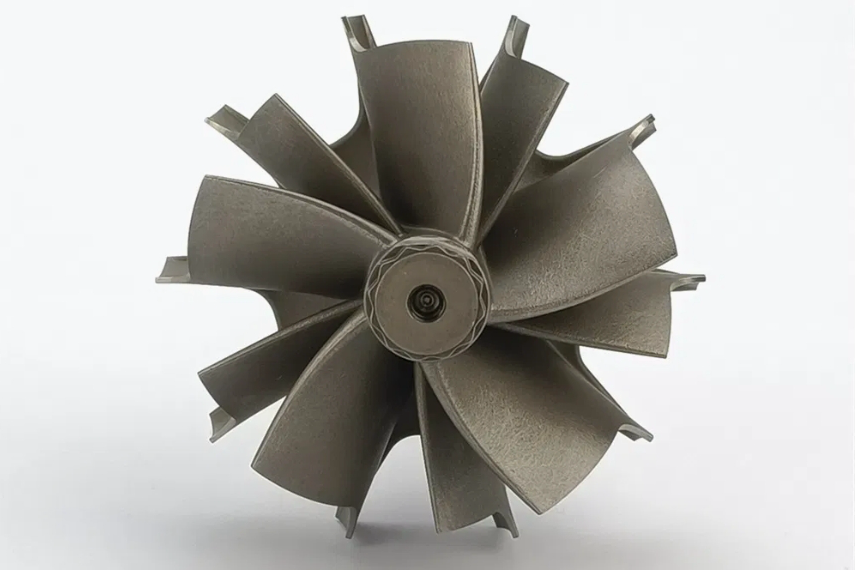
Energy sector applications such as heat exchangers, burners, and gas turbines
Oil and gas downhole tools, sour-gas components, and corrosion-resistant assemblies
Pharmaceutical production vessels require extreme purity and corrosion resistance
When to Choose This Material
When components will be exposed to harsh acidic or chloride environments
When the design requires both corrosion resistance and elevated-temperature performance
When long-term metallurgical stability is necessary for safety-critical systems
When weight-optimized or complex internal channels must be produced through additive manufacturing
When components are subject to both thermal cycling and aggressive chemical exposure
When weldability, crack resistance, and structural reliability are critical
When operating in seawater or marine environments, demanding high corrosion longevity
When conventional materials such as stainless steel fail due to chemical attack
Explore Related Blogs