Aerospace-Grade Metal Heat Exchanger Units Manufacturing Hub
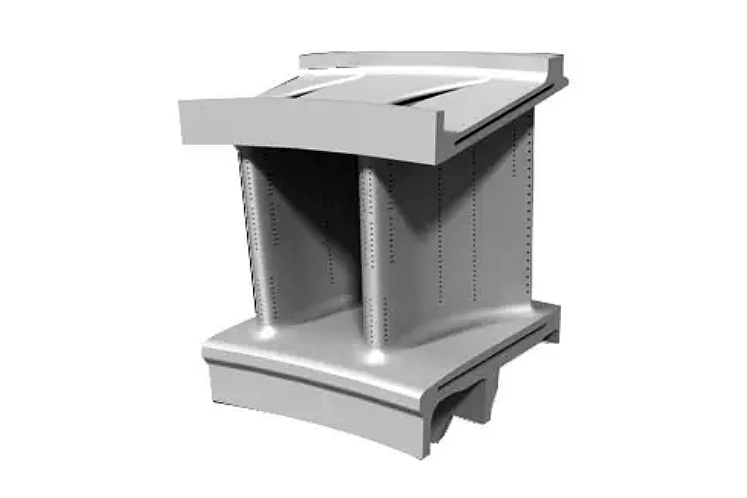
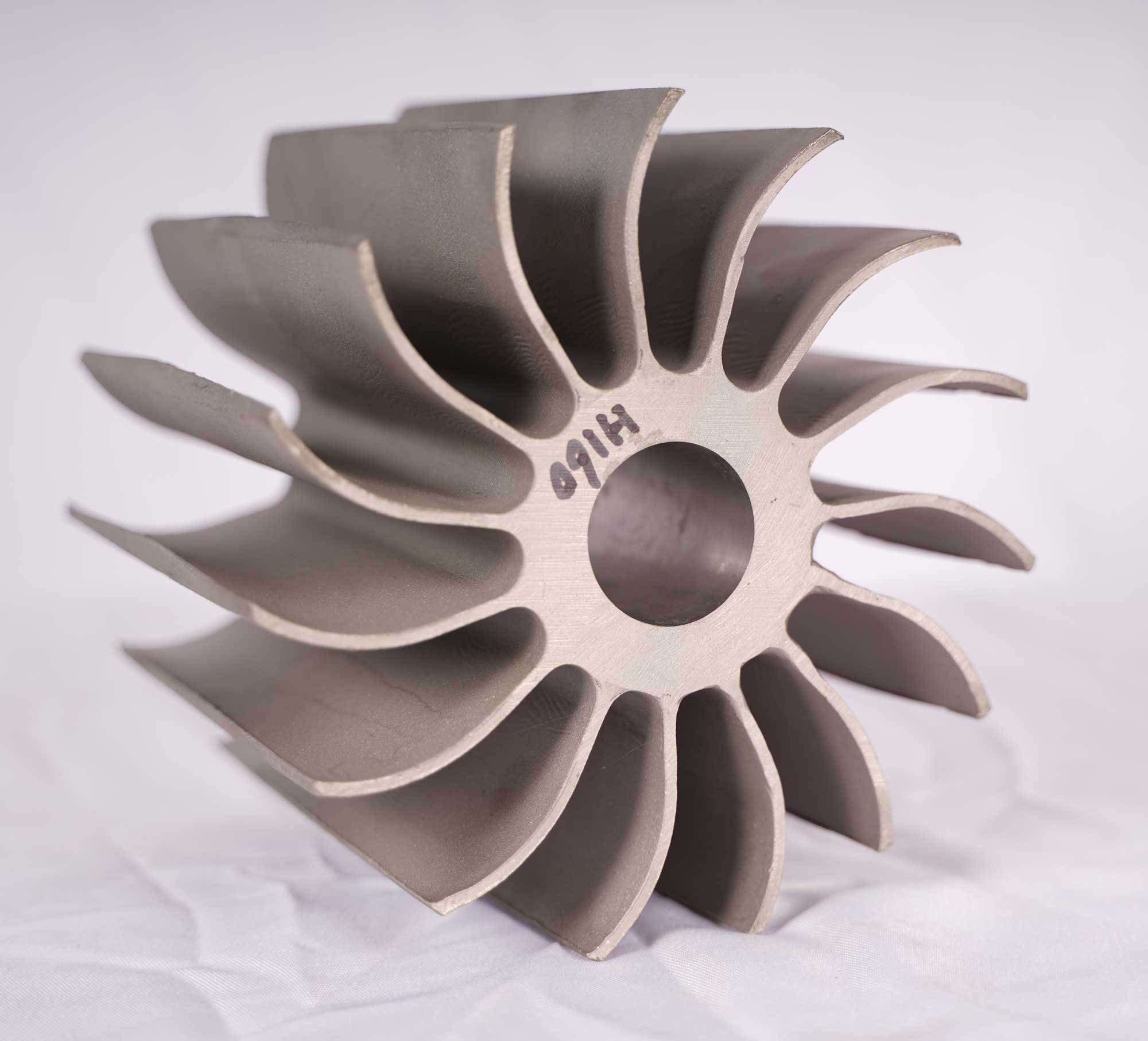
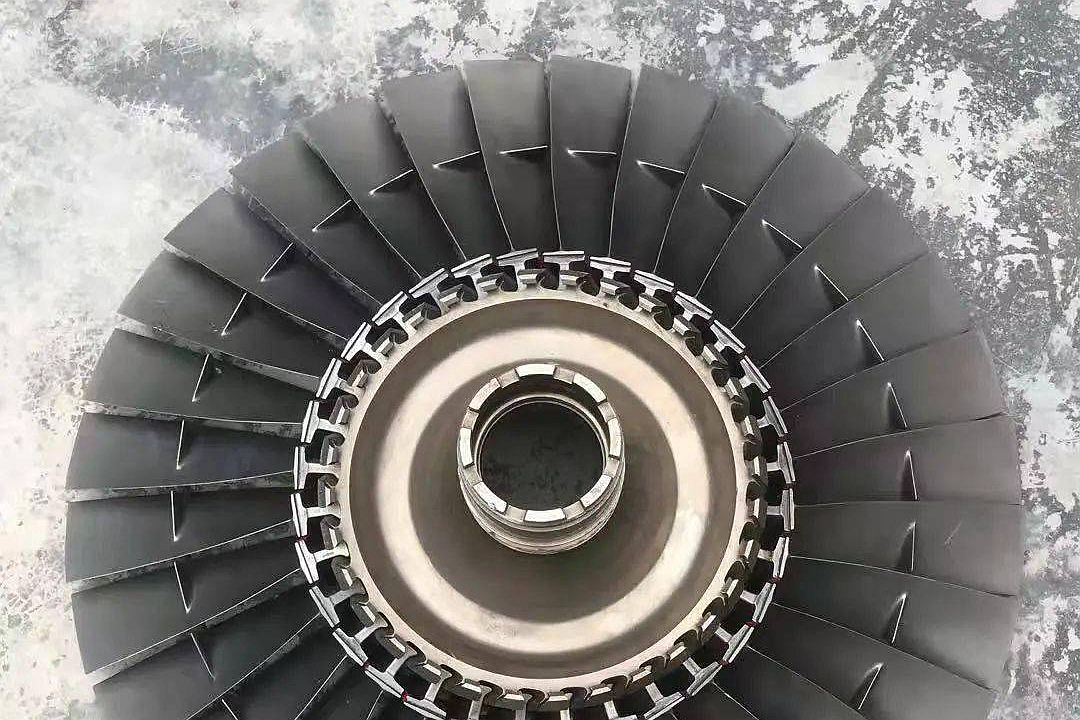
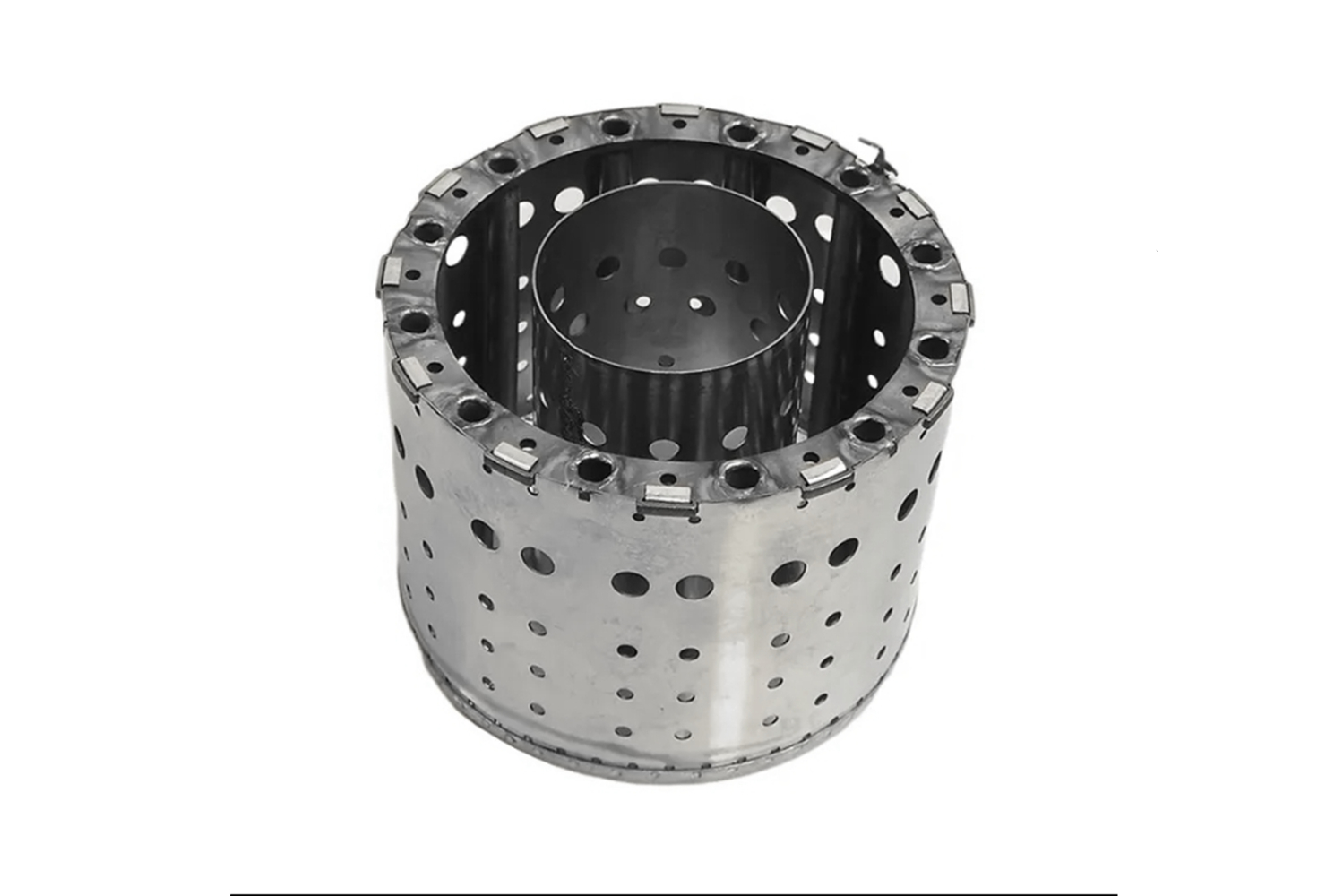
An aerospace heat-exchanger-unit RFQ should define the hot side, cold side, pressure boundary, and interface surfaces before the buyer requests a manufacturing quote. Heat exchanger units may include cast headers, manifolds, end tanks, frames, mounting lugs, tube-sheet features, compact flow distributors, seal retainers, and special transition fittings. Some features transfer heat. Others only locate the unit or seal it into an assembly. Those roles should be separated before alloy, casting route, or machining scope is selected.
NewayAeroTech supports high-temperature and corrosion-resistant heat-exchanger parts through vacuum investment casting, special alloy casting, CNC machining, deep-hole features, heat treatment, and inspection. For buyers, the useful RFQ describes the unit's fluid paths, mounting interfaces, pressure-sensitive faces, cleanliness needs, and whether the request is for a cast blank, machined component, prototype, or small-batch finished part.
Define hot-side, cold-side, and pressure-boundary zones
The first engineering review should mark which surfaces see hot gas, which surfaces see coolant or process fluid, which regions carry pressure, and which features only support installation. A manifold wall may need soundness and corrosion resistance. A mounting lug may need hole position and fatigue-sensitive geometry. A seal face may need flatness and surface finish. A flow distributor may need clean passages and uniform transitions. Treating all zones as one metal part hides the actual manufacturing risks.
Buyers should describe temperature, media, pressure, thermal cycling, cleaning medium, and whether the component sees condensate or abrasive particles. The supplier does not need to own the complete heat exchanger design, but it needs enough context to judge alloy family, process sequence, and inspection scope. A part exposed to hot exhaust gas and fuel residue needs a different review from a cool-side bracket that only carries load.
If the buyer provides a damaged or used sample, deformation and deposits must be separated from intended geometry. A heat exchanger unit can warp, corrode, or accumulate residue during service. A sample is useful for layout and interface investigation, but acceptance should be tied to a drawing or a first-article agreement rather than an unfiltered copy of worn surfaces.
Select alloy by thermal cycle, media, and manufacturability
Superalloys and high-temperature alloys may be used in heat exchanger units when stainless steel cannot handle the combined temperature, corrosion, oxidation, or strength requirement. Inconel alloy casting may be reviewed for hot-side strength and oxidation resistance. Hastelloy alloy casting may be reviewed when corrosion resistance is central. Titanium or other special alloys may be considered only when the service environment, joining method, and inspection plan support them.
The selected alloy must also suit the route. Thin walls, long flow features, thick bosses, and integral mounting lugs do not cast or machine with the same risk. A material that performs well in the system may still be difficult to cast into the required geometry without tooling changes or machining stock. Buyers should ask the supplier to comment on both material behavior and manufacturability instead of quoting a grade in isolation.
For aerospace-related units, weight and envelope constraints can make the geometry more aggressive. The supplier needs to know which features are fixed by the aircraft or engine package and which can be adjusted for manufacturability. A small rib movement, stock pad, or datum change may reduce route risk without changing the heat exchanger's system function.
Choose casting, machining, and hole-making route by geometry
Investment casting can be useful for compact manifolds, curved transition ducts, integrated brackets, and end features that would waste material if fully machined. A casting can preserve external form and leave stock where final sealing or mounting is needed. It also requires gating review, shrinkage control, shell removal, surface review, and first-article measurement. The quote should state whether NewayAeroTech is supplying a rough casting, a machined casting, or a finished component ready for the next assembly operation.
Superalloy CNC machining often controls the functional result. Seal faces, tube-sheet interfaces, bolt pads, ports, and frame datums need controlled stock and stable fixturing. Where long holes or internal passages are required, deep hole drilling or EDM may need review. These operations should be planned before the casting or billet route is frozen.
Prototype pieces should be labeled by purpose. A machined prototype can confirm port positions and mounting interfaces. A printed development model can help review envelope and fixture access. A casting first article is needed to validate the actual casting and machining route. Buyers should not treat one prototype method as proof that every later manufacturing route will behave the same.
Control cleanliness, surface condition, and sealing interfaces
Heat exchanger units are sensitive to internal cleanliness. Passages, ports, manifolds, and cross-holes can trap chips, shell residue, abrasive media, or cleaning liquid. The RFQ should state whether internal surfaces need visual access, borescope review, flushing, ultrasonic cleaning, or special packaging. A component can meet outside dimensions and still be unsuitable if internal debris remains in the flow path.
Surface condition should be divided by function. A hot-side external wall may need oxidation-resistant surface preparation. A gasket face may need flatness and finish. A welded or brazed interface may need controlled edge and surface condition before the next process. A mounting lug may need burr-free holes and stable datum faces. Post-process work should protect these surfaces instead of applying a generic finish to the whole part.
Machining allowance is part of surface control. Too little stock can expose casting skin or distortion at a seal face. Too much stock can create unnecessary machining time and raise distortion risk on thin walls. The buyer should mark final-machined surfaces and allow the supplier to propose stock around pressure and sealing features.
Review heat treatment, HIP, and dimensional stability before final machining
Heat treatment may be needed for selected heat exchanger alloys, but it must be sequenced with machining and inspection. Thin walls, asymmetric headers, and welded or bolted interfaces can move during thermal processing. A supplier may recommend rough machining, heat treatment, and finish machining so critical surfaces are controlled after thermal movement. The RFQ should identify which dimensions are critical after all processing is complete.
Hot isostatic pressing may be reviewed when cast internal soundness is a major concern and the alloy/geometry supports the process. It should be connected to a specific risk such as porosity in thicker cast regions, not added as a decorative process line. The buyer should ask how HIP interacts with later machining, surface finish, and inspection records.
Dimensional stability is especially important at mounting faces and tube or port interfaces. If these surfaces shift after heat treatment, assembly may fail even when the part material is correct. The route proposal should list which features are inspected after final processing and which features are only controlled before a downstream assembly step.
Build inspection evidence around flow, pressure, and assembly fit
Material testing and analysis should support the heat exchanger unit's real risks. For cast components, the inspection package may include material chemistry, visual inspection, dimensional report, penetrant inspection, radiographic review where agreed, hardness checks where required, and surface-condition review. For machined components, CMM reports, bore measurements, flatness, surface finish, and thread or port inspection may be more valuable.
The buyer should state whether leak testing, pressure testing, flow testing, or cleaning verification is expected from the component supplier or from the heat exchanger assembler. Component-level inspection can document the supplied part; it does not replace system-level validation unless that scope is separately defined. Clear responsibility avoids assumptions after delivery.
Reports should be tied to the drawing. A surface-finish result should identify the measured seal face. A dimensional report should show the datum structure. A visual or NDT report should identify the relevant regions. This gives the buyer useful evidence rather than a thick file that misses the unit's actual acceptance points.
What to include in a heat exchanger unit RFQ
A clear RFQ includes drawings, models, candidate material, media on each side, temperature, pressure notes, quantity range, cleaning expectations, downstream joining or assembly steps, critical surfaces, and inspection requirements. If the part supports aerospace and aviation, energy, or chemical-processing systems, the buyer should describe the operating environment rather than rely only on the industry label.
The supplier response should separate material review, casting or machining route, hole-making plan, heat-treatment and HIP assumptions, post-process scope, inspection evidence, and open technical questions. If the buyer only needs a casting blank, that should be stated. If the buyer needs a machined component ready for assembly, the quote should include the functional surfaces and inspection records that make it ready.
NewayAeroTech's value in this RFQ is connecting casting, machining, post-process, and inspection into a route that fits the heat exchanger unit's geometry. That route should answer where heat, fluid, pressure, cleanliness, and assembly interfaces drive manufacturing risk.
Related FAQs
What advantages do superalloys offer for heat exchanger parts?
How does vacuum investment casting enhance the quality of heat exchanger components?
How do HIP and heat treatment enhance heat exchanger performance?
What quality controls ensure the reliability of superalloy heat exchanger parts?
What types of superalloys are commonly used in heat exchanger parts?
How can prototyping benefit the development of heat exchanger parts?