How do HIP and heat treatment enhance heat exchanger performance?
Porosity Elimination and Density Improvement
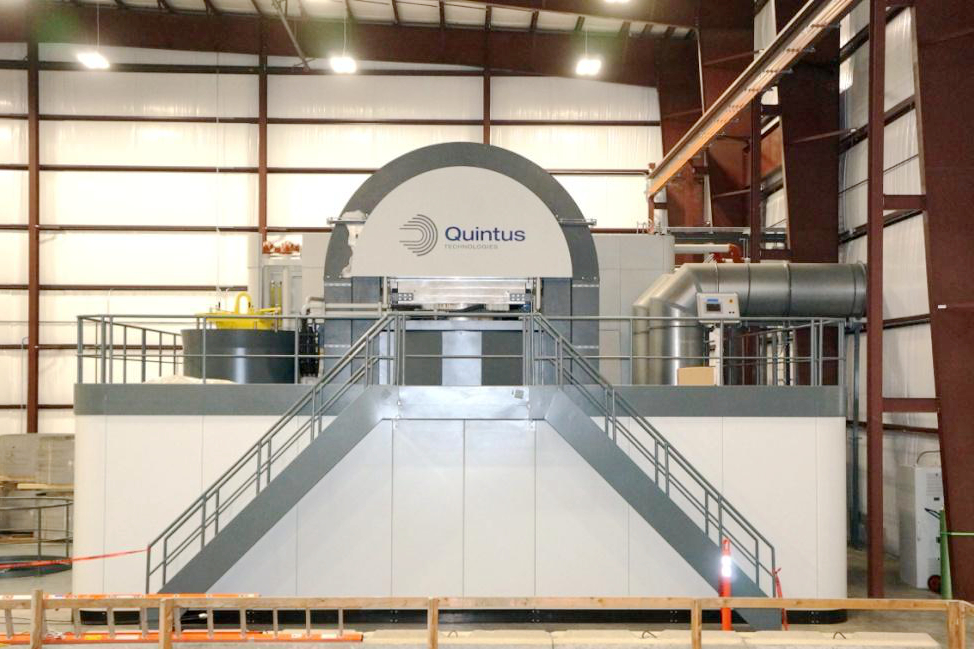
Heat exchanger components require high structural integrity to withstand thermal cycling and pressure fluctuations. Hot isostatic pressing (HIP) eliminates internal porosity and increases material density, enabling superalloys such as Inconel 625 and powder metallurgy alloys like FGH96 to deliver consistent reliability under stress.
Microstructure Stabilization with Heat Treatment
Post-HIP superalloy heat treatment refines the γ′ and γ″ strengthening phases, promoting uniform grain structure and enhancing creep resistance. This thermal stabilization is critical for components exposed to high temperature gradients, especially in gas-to-liquid or steam-based heat exchanger systems.
Enhanced Fatigue and Thermal Cycling Resistance
HIP and heat treatment reduce crack initiation risk and improve fatigue life during dynamic loads. These processes provide superior resistance to thermal fatigue, preventing performance degradation during rapid heating and cooling cycles. This is vital for heat exchangers used in power generation and oil and gas industries.
Integration with Precision Finishing
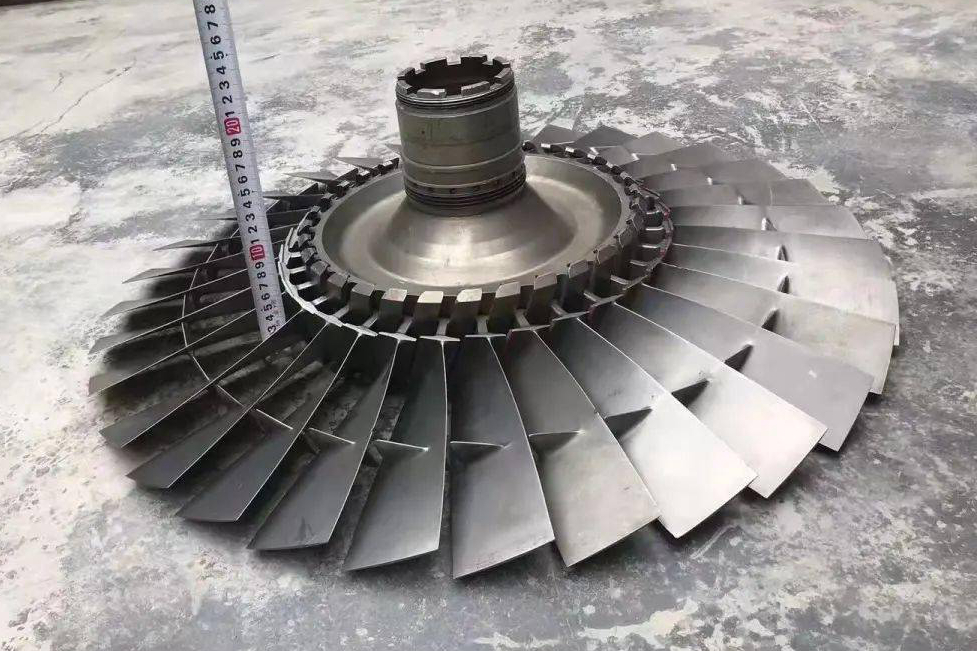
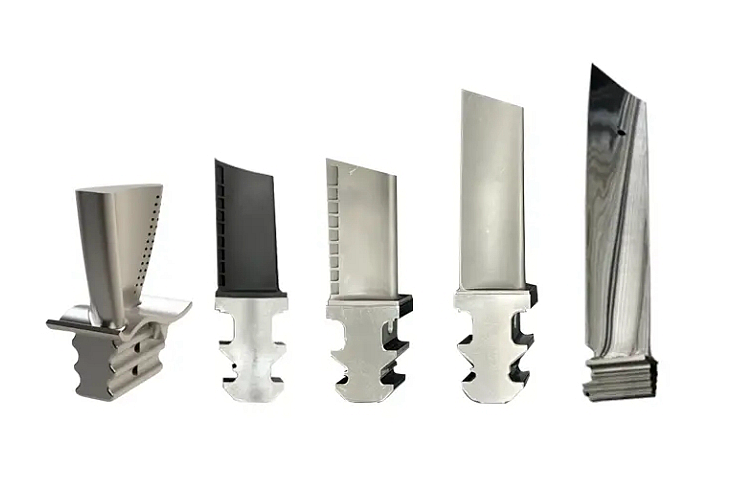
After strengthening, parts are machined through superalloy CNC machining to ensure sealing surface accuracy and precise fit in assembly zones. For intricate flow channels, electrical discharge machining (EDM) allows shape completion without mechanical stress, preserving the microstructure enhanced by HIP and heat treatment.