What quality controls ensure the reliability of superalloy heat exchanger parts?
Material Selection and Performance Validation
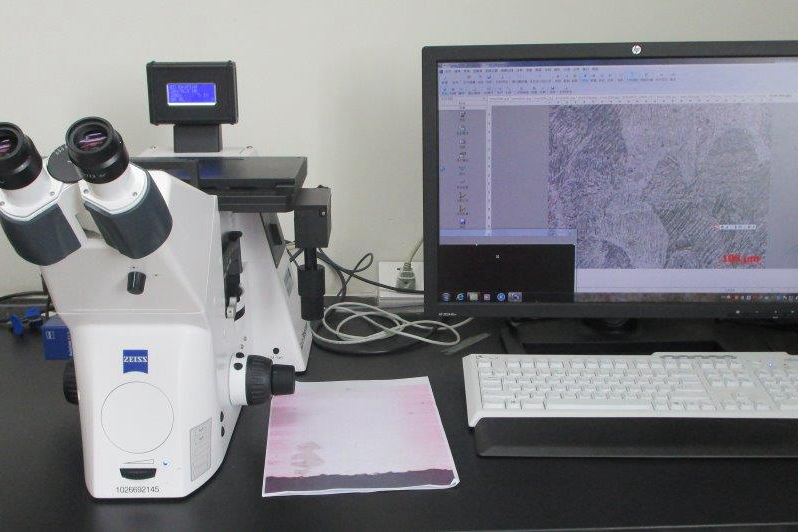
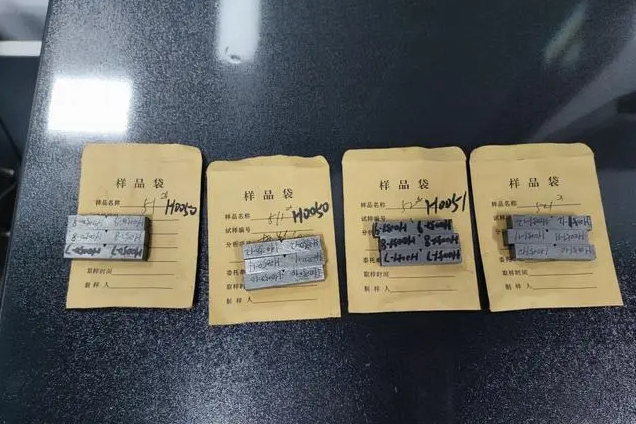
Heat exchanger components endure continuous thermal cycling and aggressive fluid flow, so reliability begins with selecting alloys that maintain creep resistance and oxidation stability at elevated temperatures. Materials such as Inconel 625 or Hastelloy C-22 provide excellent corrosion resistance in chloride or acidic media, but must be validated through chemical analysis and high-temperature exposure tests. Long-term reliability is further confirmed using material testing and analysis, including thermal aging, cyclic oxidation, and phase stability assessments.
Advanced Manufacturing and Microstructure Control
Consistency in grain structure and porosity levels is essential for heat exchanger tubes, plates, or manifolds. Processes like vacuum investment casting and equiaxed crystal casting provide controlled solidification conditions that reduce segregation and ensure uniform mechanical properties. Continuous monitoring of cooling curves and mold temperature is necessary to maintain structure consistency, while hot isostatic pressing (HIP) is used to remove internal voids and improve fatigue and pressure resistance—both critical for high-pressure operation.
Precision Machining and Geometric Tolerance
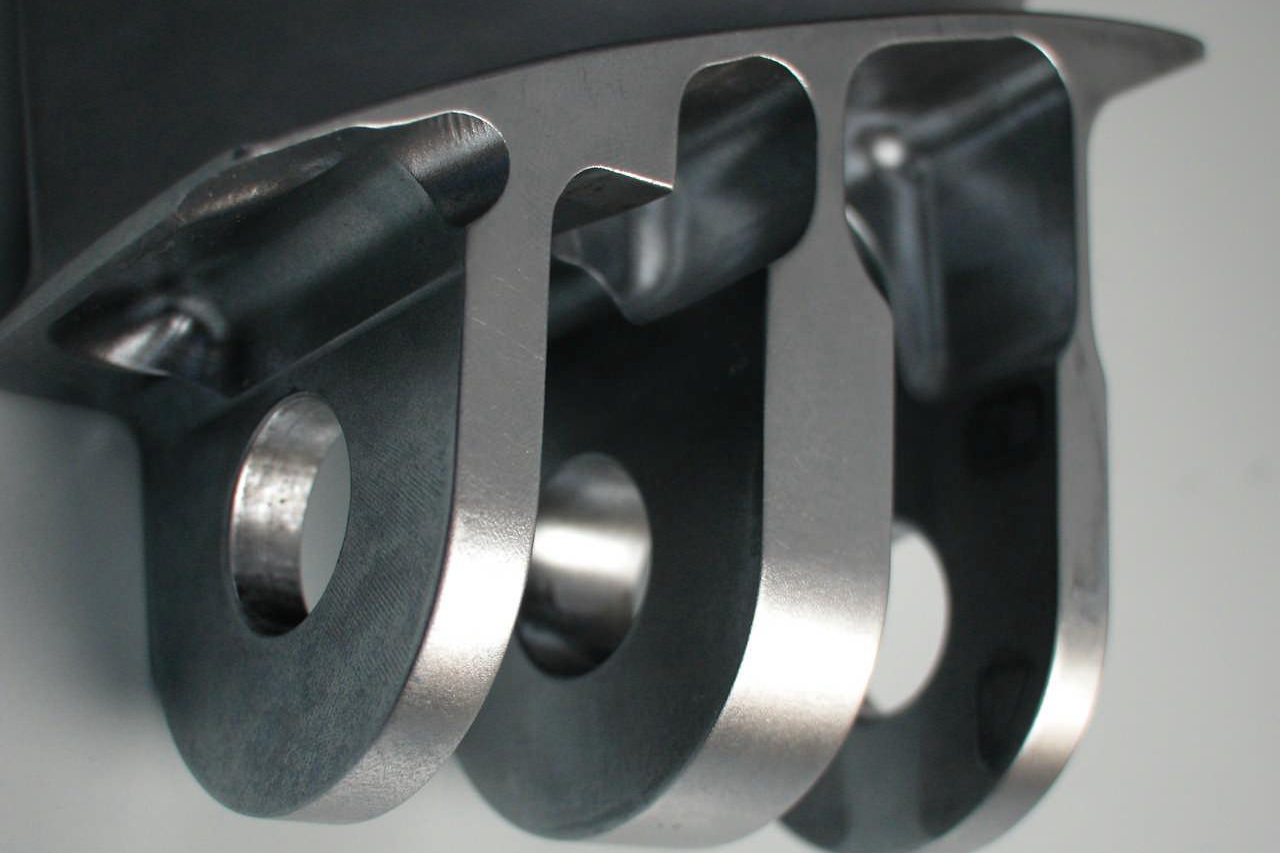
Heat exchanger components often feature thin walls, complex channels, and multi-zone flow paths. Strict dimensional tolerances are achieved through superalloy CNC machining, with real-time tool wear monitoring and optimized coolant flow to prevent thermal distortion. When intricate internal flow structures are required, superalloy 3D printing offers design freedom but demands porosity inspection and surface finishing before functional testing.
Functional Validation and Surface Protection
Performance qualification involves pressure testing, flow simulation, and temperature cycling to replicate real operating environments. High-temperature heat treatment ensures stable grain phases, while protective coatings such as thermal barrier coating (TBC) extend service life against oxidation and hot corrosion. Non-destructive inspections such as ultrasonic testing and radiography are used to ensure crack-free structure before shipment.
Compliance with Industry Standards
Applications in power generation and chemical processing industries demand traceable production records, heat treatment certifications, and flow performance validation. Each batch must meet regulatory requirements and withstand corrosion testing in high-chloride or acidic environments—ensuring reliability over thousands of operating hours.