What advantages do superalloys offer for heat exchanger parts?
Thermal Stability and Heat Transfer Efficiency
Heat exchangers operate under high thermal gradients and fluctuating temperature cycles. Nickel-based superalloys such as Inconel 800 and Inconel 625 provide exceptional resistance to thermal fatigue while maintaining strong heat transfer performance, making them ideal for gas-to-liquid and air-to-liquid exchange systems.
Corrosion Resistance in Aggressive Environments
Heat exchangers are often exposed to corrosive media such as saline water, oxidizing gases, or process chemicals. Alloys like Monel 400 and high-performance Hastelloy grades offer excellent resistance to pitting, stress corrosion cracking, and oxidation—ensuring longer operational lifespans in chemical processing, marine, and oil & gas environments.
Mechanical Strength and Structural Integrity
Superalloys retain mechanical properties even under cyclic pressure and vibration loads. This is crucial for tube sheets, channel covers, and baffle plates. Powder metallurgy alloys such as FGH97 provide dense microstructures and excellent creep resistance—ideal for long-term reliability in fuel-fired and steam-based heat exchangers.
Manufacturing Flexibility and Custom Design
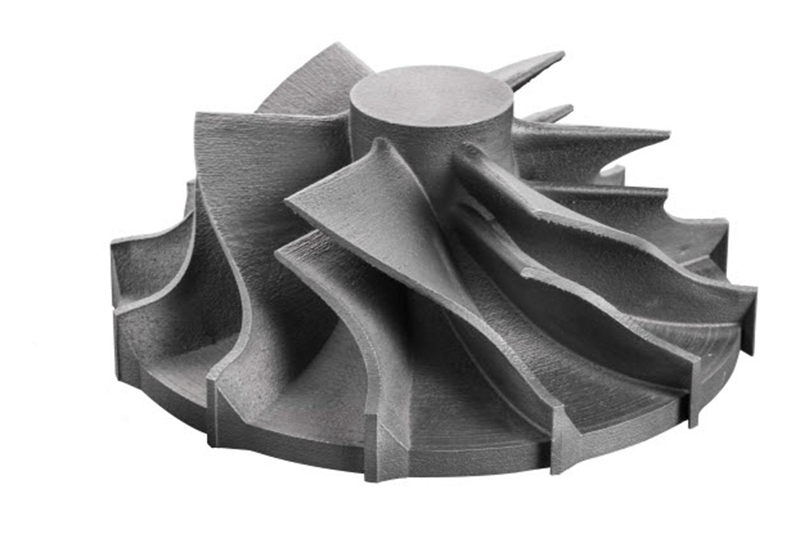
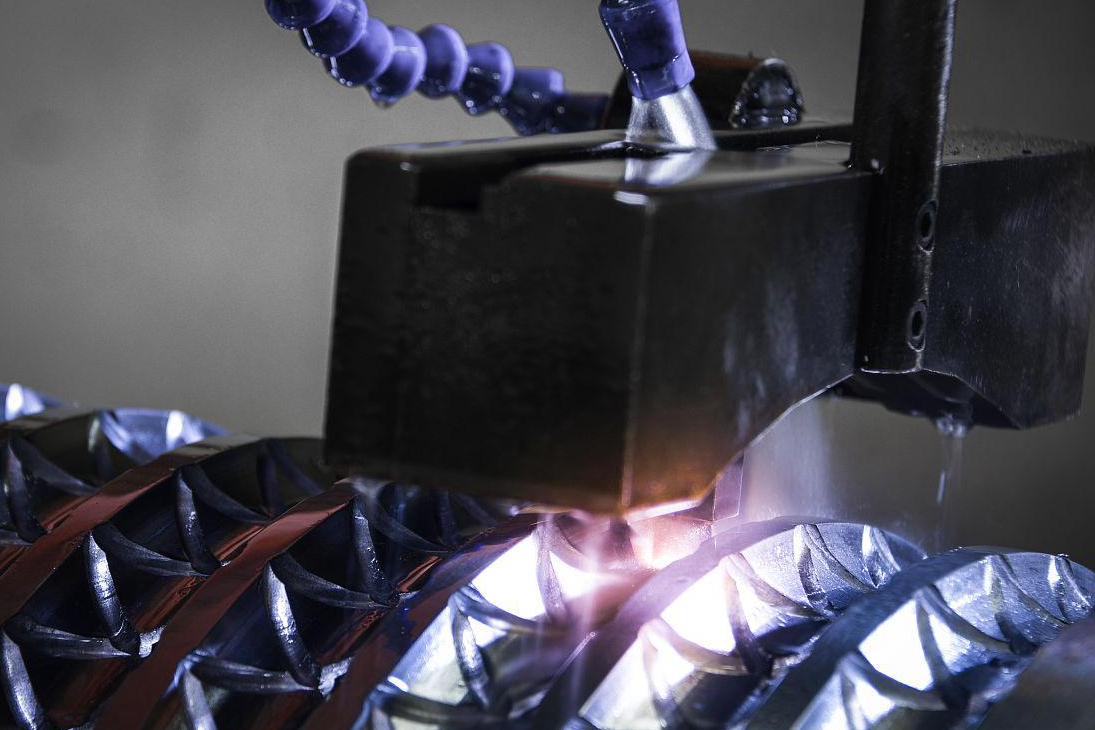
Superalloys can be manufactured using several processing routes depending on geometry and thermal requirements. Vacuum investment casting enables thin-wall geometries, while superalloy CNC machining ensures precise sealing interfaces. For rapid prototyping or internal flow optimization, superalloy 3D printing enables functional testing before full-scale production.
Reliability for Critical Industries
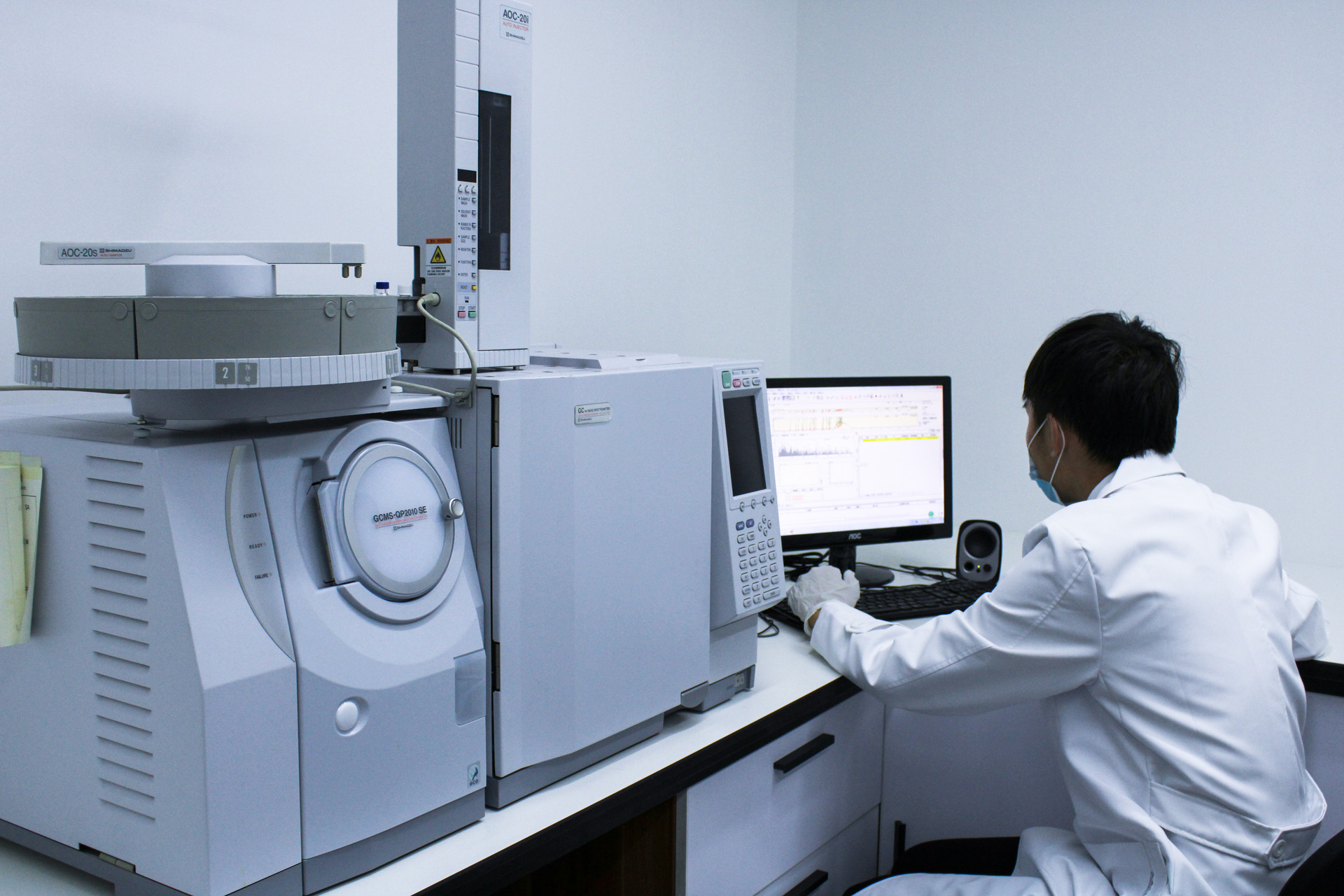
Heat exchanger components used in power generation, oil and gas, and marine sectors must meet high material standards. Verification through material testing and analysis ensures resistance to cracking, pressure loss, and thermal degradation over long service intervals.