What types of superalloys are commonly used in heat exchanger parts?
Requirements for Heat Exchanger Materials
Heat exchanger components operate in aggressive environments with high-temperature gradients, corrosive fluids, and cyclic thermal stress. This demands materials with high oxidation resistance, thermal conductivity, creep strength, and chemical stability. Superalloys are widely used due to their ability to maintain structural integrity under prolonged exposure to extreme temperatures and fluctuating pressure. Alloys containing nickel, cobalt, and molybdenum are particularly suitable due to their strong γ′ phase strengthening and excellent resistance to corrosion and stress cracking.
Commonly Used Superalloys
Nickel-based superalloys dominate heat exchanger applications. Grades such as Inconel 625 and Inconel 690 offer excellent resistance to chloride-induced corrosion and high-temperature oxidation, making them suitable for boiler headers, condenser tubes, and exhaust gas heat recovery units. For environments involving acidic media or sulfur-rich gases, nickel-molybdenum alloys such as Hastelloy C-22 provide strong protection against pitting and chemical attack.
Cobalt-based options such as Stellite 12 are suitable for moving and wear-prone heat exchanger parts because of their high hardness and erosion resistance. These alloys maintain performance even when exposed to particulate-laden gas or abrasive fluid flow.
Manufacturing Processes and Microstructure Optimization
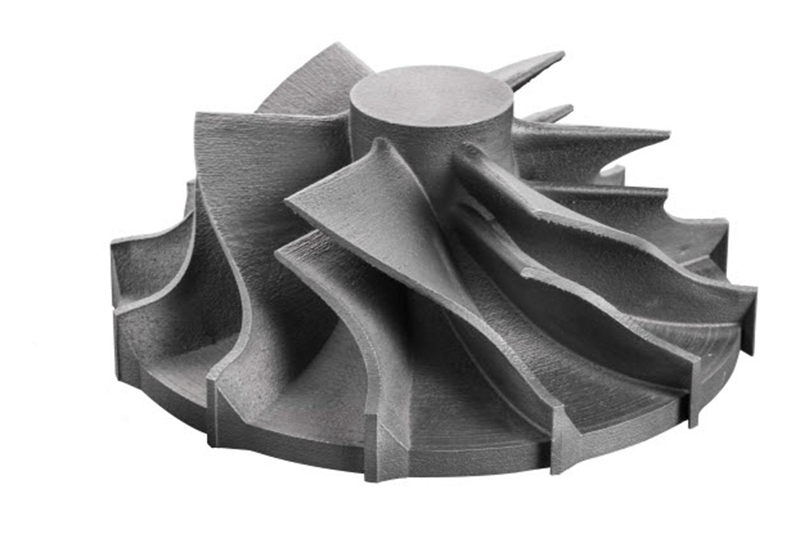
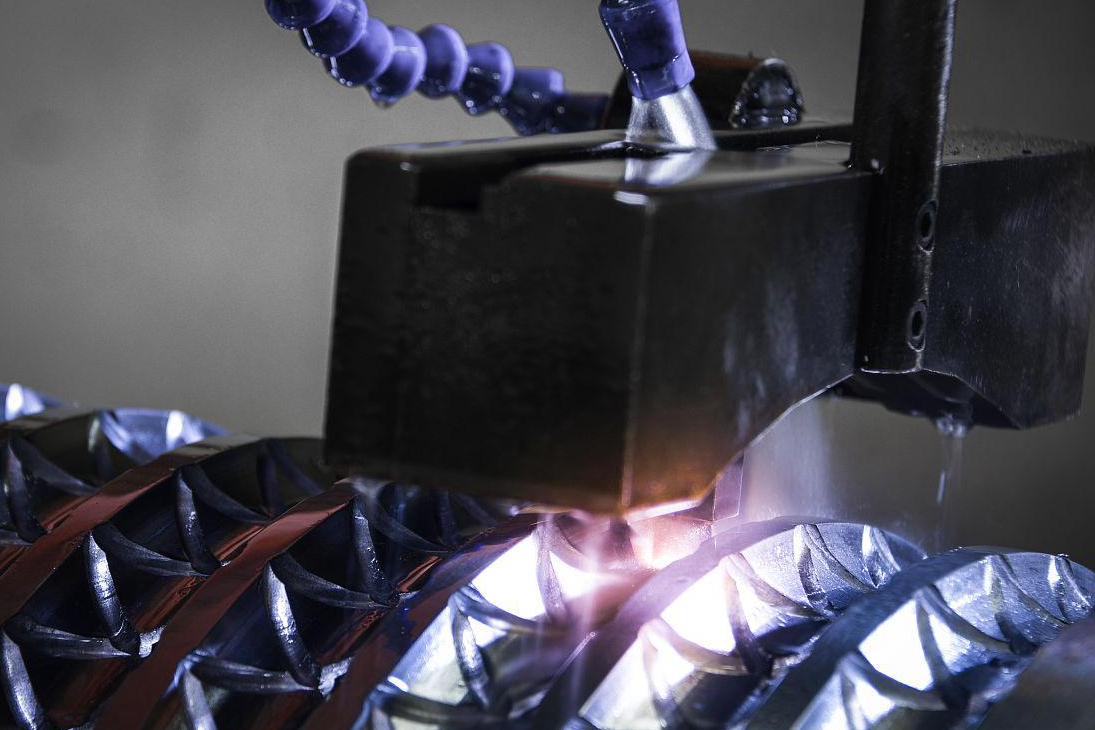
To maintain consistent grain structure and ensure mechanical reliability, casting technologies such as vacuum investment casting and equiaxed crystal casting are commonly used for heat exchanger components. Alloy uniformity is crucial for withstanding pressure variations and thermal cycling. In high-performance applications, precision shaping and tight tolerance control are achieved with superalloy CNC machining, particularly for sealing interfaces and tube-to-header connections.
To extend lifecycle performance, post-treatment methods such as hot isostatic pressing (HIP) and superalloy heat treatment are employed to eliminate porosity, enhance creep resistance, and improve microstructural stability across decades of operation.
Industry Applications
Superalloy heat exchanger parts are widely used in sectors such as power generation, oil and gas processing, and chemical processing. These industries require long-term performance with minimal maintenance, especially in environments involving steam, corrosive media, or flue gas heat recovery systems. The ability of superalloys to resist oxidation, corrosion, and fatigue significantly reduces lifecycle costs and increases reliability.