How can prototyping benefit the development of heat exchanger parts?
Accelerated Design Validation and Iteration
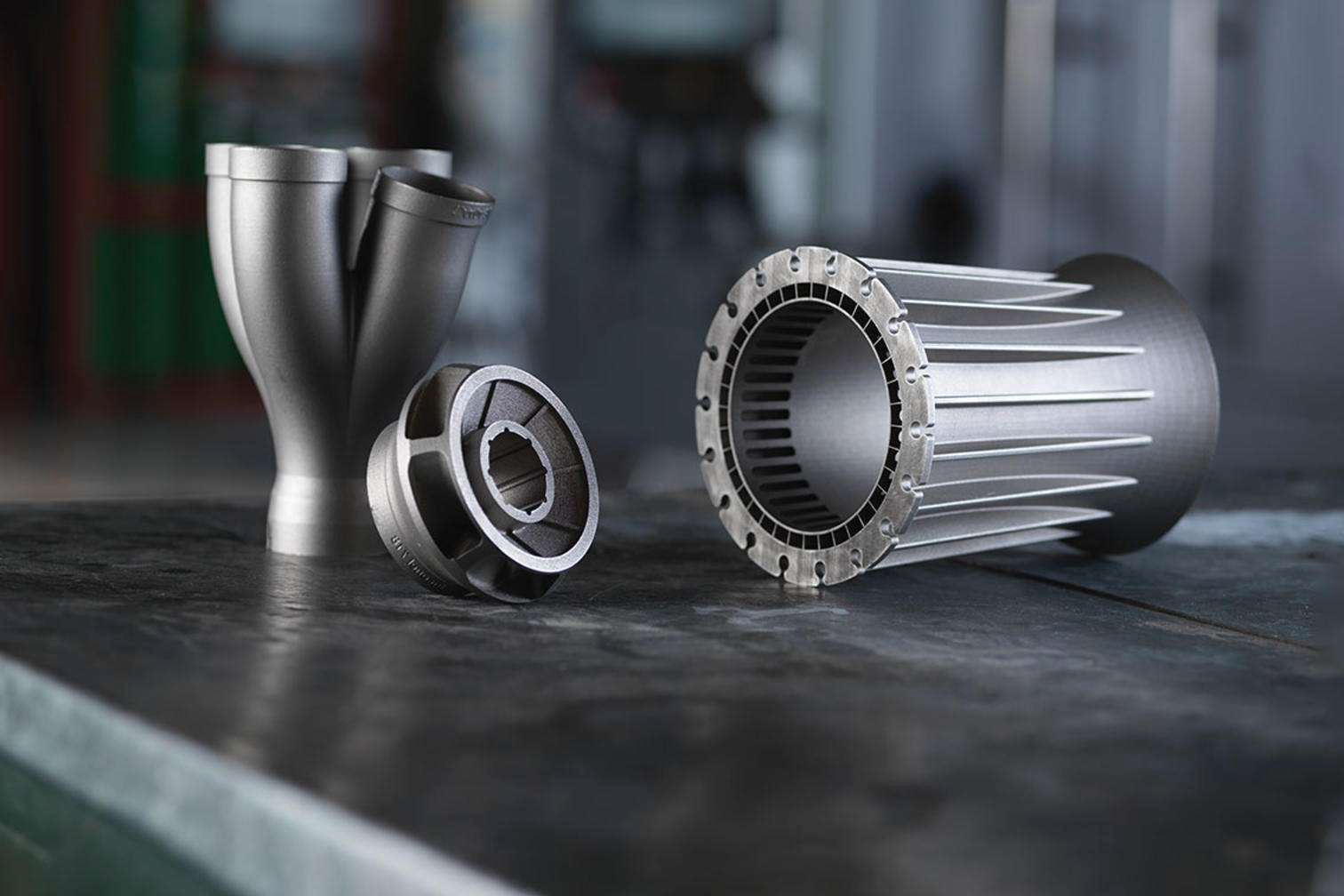
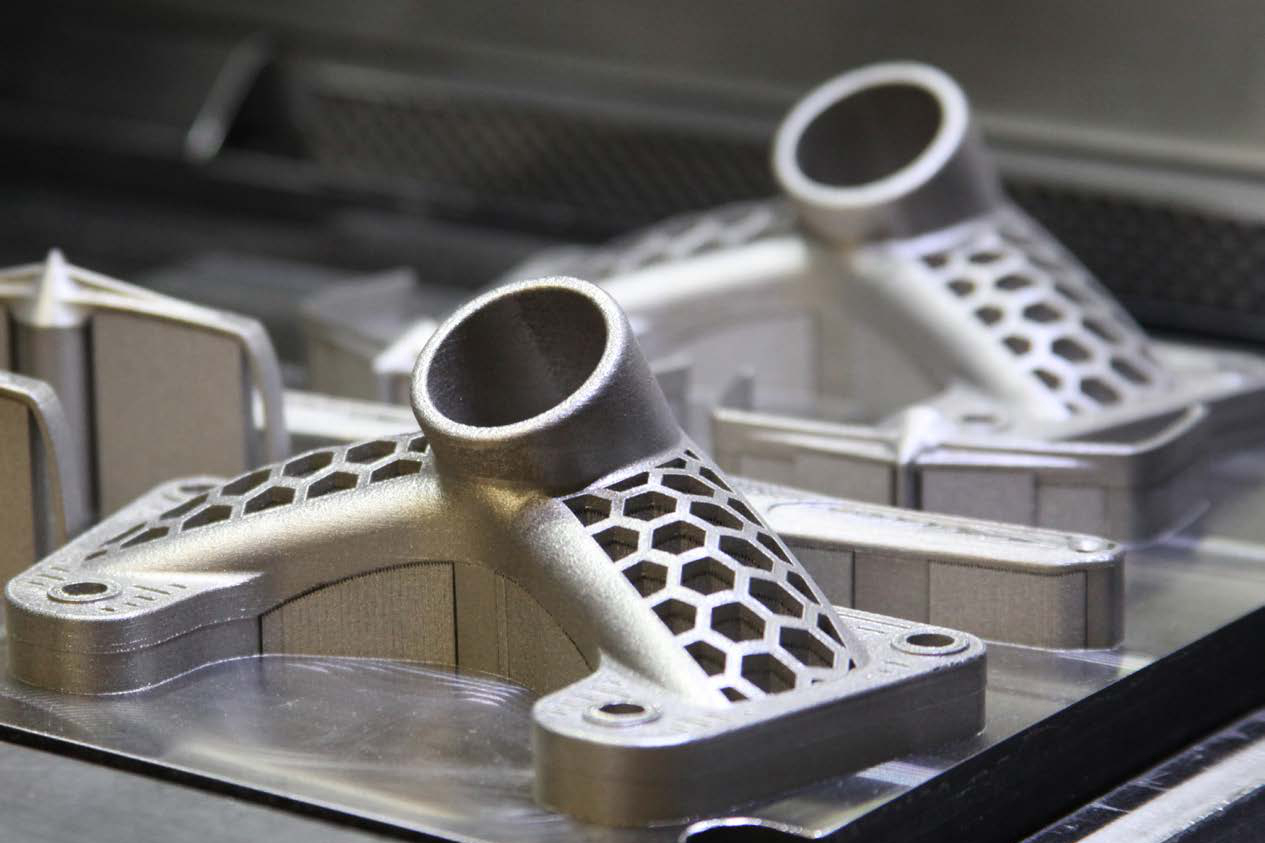
Prototyping enables the rapid physical validation of complex heat exchanger designs long before committing to expensive production tooling. Using technologies like superalloy 3D printing, engineers can create functional prototypes with intricate internal channels, turbulators, and manifold geometries that are impossible to achieve with traditional methods. This enables rapid iteration and optimization of the core thermal and fluid dynamic performance, significantly compressing the development timeline for advanced heat exchangers used in aerospace and power generation.
Functional Performance Testing Under Real Conditions
A key benefit is the ability to conduct functional tests under realistic operating conditions. Prototypes can be manufactured from the actual intended materials, such as Inconel 718 or Hastelloy X, to accurately assess heat transfer efficiency, pressure drop, flow distribution, and structural response to thermal cycling. This empirical data is invaluable for calibrating simulation models and identifying potential failure modes, such as hot spots or vibration-induced fatigue, before finalizing the design.
Manufacturing Feasibility and Assembly Assessment
Prototyping serves as a critical bridge between design and mass production. A physical model allows manufacturers to assess the feasibility of the chosen production route, whether it's vacuum investment casting for complex geometries or precision forging for high-strength components. It helps identify potential issues with draft angles, wall thickness uniformity, and weld joint accessibility, de-risking the transition to full-scale production and ensuring that the final part can be reliably and economically manufactured.
Risk Mitigation and Cost Reduction
By uncovering design flaws and manufacturing challenges early, prototyping prevents costly modifications during the production process. Testing a prototype can validate the effectiveness of critical post-processing techniques, such as Hot Isostatic Pressing (HIP), for ensuring leak-proof integrity or identifying the need for specific CNC machining tolerances on sealing surfaces. This proactive approach to problem-solving minimizes the risk of project delays and ensures the final heat exchanger meets all performance, reliability, and safety standards.