High-Temperature Alloy Wear-Resistant Pump Assemblies Supplier
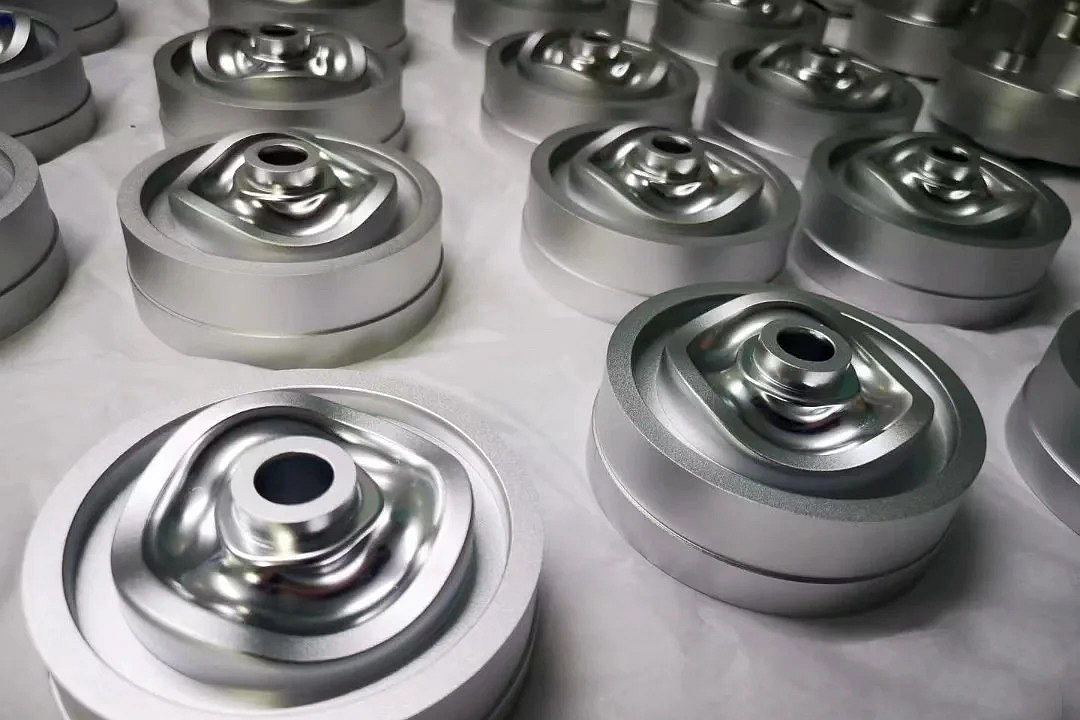
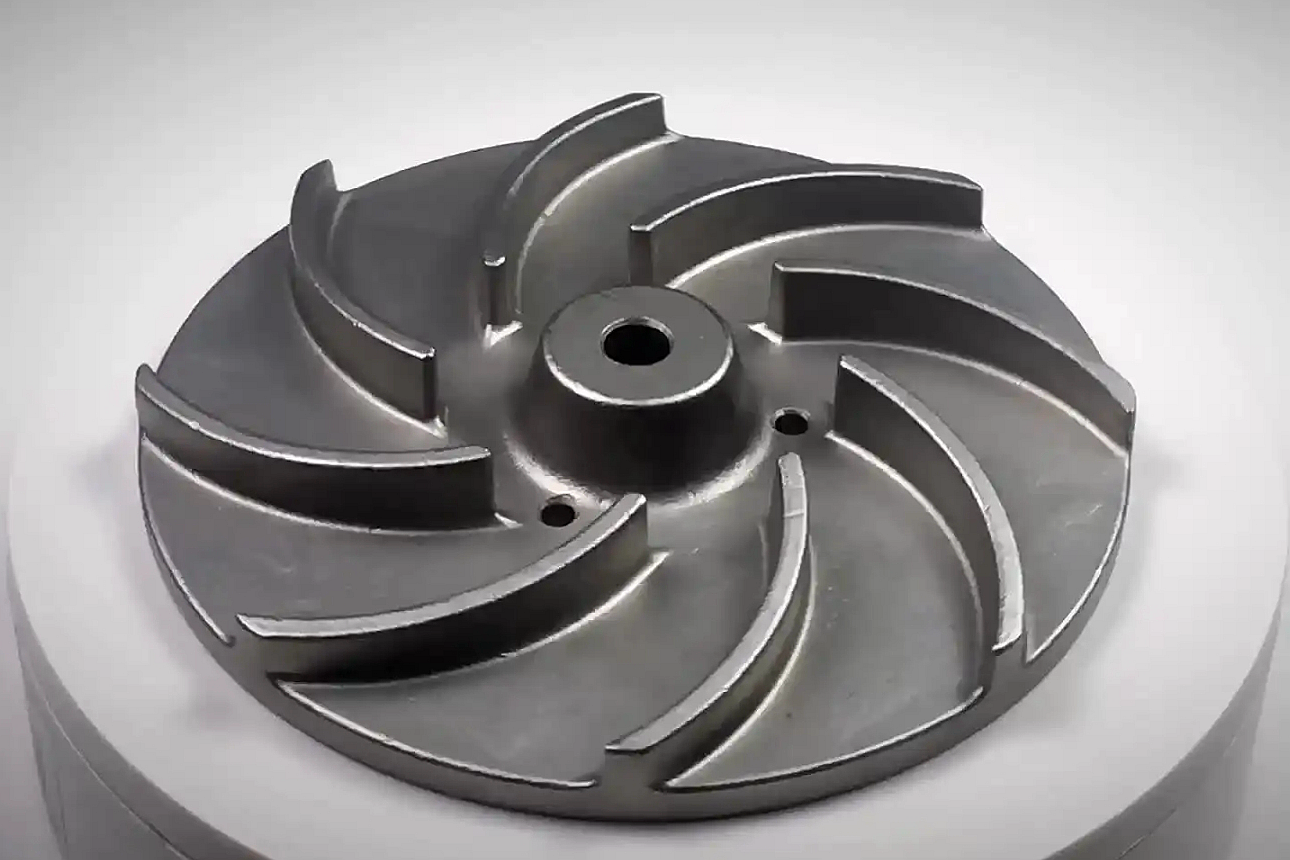
A wear-resistant pump assembly RFQ should identify the wear couple, media, and replaceable component boundary before alloy grade or price is discussed. Pump assemblies may include impellers, casing inserts, diffuser segments, wear rings, sleeves, liners, valve-adjacent parts, cover plates, and special fittings. Some parts handle abrasive slurry. Others see hot liquid, corrosive media, cavitation, or repeated rubbing at a narrow clearance. A supplier needs to know which component is sacrificial, which surface seals, and which geometry must remain stable after machining.
NewayAeroTech supports high-temperature and wear-resistant pump parts through vacuum investment casting, special alloy casting, CNC machining, heat treatment, post-process work, and inspection. For buyers, the RFQ should state whether the request is for one pump part, a matched set, a casting blank, a finished machined assembly component, or a sample-based replacement route.
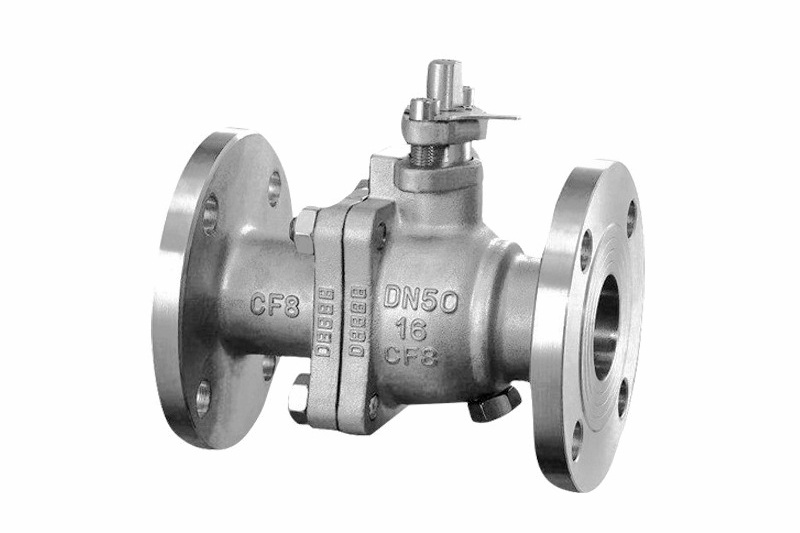
Define the wear couple, media, and replaceable boundary
The first engineering review should identify what is wearing against what. A wear ring may rub against a mating ring or impeller surface. A sleeve may run near seals or bearings. A casing insert may face slurry impingement. A diffuser segment may see high-velocity flow and erosive particles. An impeller edge may see cavitation, corrosion, and mechanical contact. These wear modes are not the same, so the supplier should not quote one generic wear-resistant alloy for the whole pump assembly.
The buyer should describe the media, particle content, temperature, pH or corrosion concern, speed-related rubbing risk, and whether the component is designed to be replaceable. A replaceable insert can be optimized differently from a pressure-retaining casing. A sacrificial wear component may prioritize wear behavior and machinability. A structural pump part may prioritize soundness, fit, and dimensional stability. When this boundary is clear, the quote can separate material selection, machining allowance, and inspection evidence.
Used samples are valuable, but they need interpretation. Eroded edges, polished rub marks, pitting, cracked corners, and distorted mounting holes can show how the pump failed. They should not automatically become the nominal geometry for the new part. The RFQ should state whether the buyer wants direct-fit replacement, improvement review, or first-article manufacturing support.
Select alloy by abrasion, corrosion, heat, and fit requirements
Wear-resistant pump components may use nickel-based, cobalt-based, stainless, or other special alloys depending on the media and duty. Stellite alloy casting may be reviewed where sliding or erosive wear is central. Inconel alloy casting may be reviewed when heat and strength are part of the requirement. Hastelloy alloy casting may be reviewed when corrosion is a major driver.
The alloy should be selected by the failure mode. Abrasion, galling, cavitation, corrosive attack, hot erosion, and simple dimensional wear need different conversations. A high hardness surface may not be enough if the part corrodes. A corrosion-resistant alloy may not be enough if the clearance surface galls. A heat-resistant grade may still be difficult to machine into a thin wear ring. The buyer should explain the current wear pattern or operating concern so the supplier can review manufacturability and function together.
Adjacent material also matters. If the pump assembly uses mixed metals, the buyer should identify mating materials and whether the component touches a shaft, housing, seal, or fastener. The supplier may not control the complete pump design, but it can flag material-pair questions before manufacturing begins.
Choose casting or machining by pump geometry and quantity
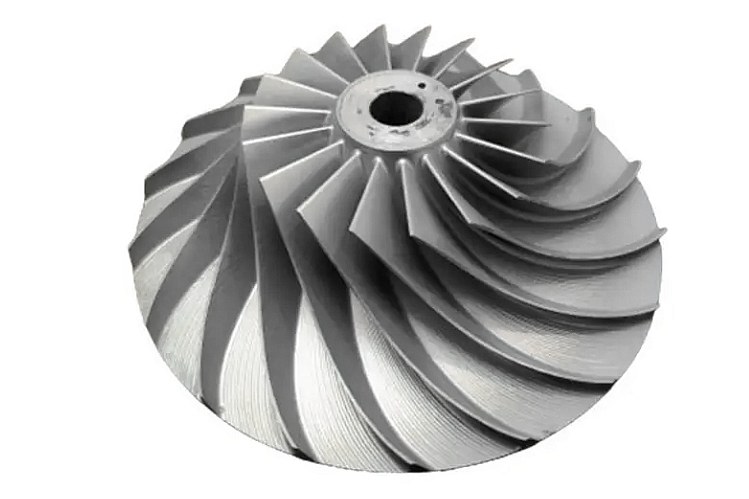
Vacuum investment casting can support impeller-adjacent forms, diffuser segments, casing inserts, curved liners, and other pump parts with complex flow geometry. A casting can reduce material waste and provide near-net hydraulic surfaces while leaving stock on critical faces. It also needs tooling, gating, shrinkage review, surface inspection, and first-article measurement. The supplier should identify which features are as-cast and which will be finish machined.
Machining from billet or forged stock may be better for simple rings, sleeves, spacers, and early prototypes. Superalloy CNC machining controls final diameters, runout, seal faces, grooves, thread features, and bore alignment. For pump assemblies, concentricity and clearance can be more important than an outer casting profile. The quote should make those datum and measurement assumptions visible.
Quantity changes the best route. A one-piece emergency sample may be machined. A small batch of replacement inserts may justify casting tooling if the geometry is complex. A repeat supply program may need dedicated fixtures and inspection frequency. Buyers should give quantity ranges and release expectations so the supplier can recommend a route that is practical beyond the first sample.
Control clearance surfaces, seal faces, and machining stock
Wear-resistant pump components usually depend on controlled clearances. Wear rings, sleeves, bore features, impeller interfaces, and casing inserts should be marked as functional surfaces. The supplier needs machining stock on these surfaces after casting, heat treatment, and cleaning. Too little stock can leave casting surface variation at a critical clearance. Too much stock can increase machining force and distortion risk on thin rings or liners.
Surface finish should be tied to function. A rubbing surface may need a different finish from a flow wall. A gasket face may need flatness and finish. A sleeve surface may need roundness and controlled edge transition. A diffuser wall may need smooth flow transitions and no harmful burrs. These requirements should be written into the RFQ or drawing instead of being implied by the word wear-resistant.
When the component is part of a matched set, the buyer should identify assembly relationships. A ring and mating insert may need to be measured together. A split casing insert may need joint faces controlled in pairs. A replacement sleeve may need inside diameter, outside diameter, and face runout evaluated as a group. These details affect fixture design and inspection time.
Plan post-process work around wear surfaces and cleanliness
Heat treatment may be required for selected alloys and routes, but it should be sequenced with final machining. If a ring or sleeve moves during thermal processing, finish machining should occur afterward on the surfaces that control clearance. If a cast insert needs rough machining before heat treatment, the route should state which features are left for final cleanup.
Post-process work should protect wear surfaces, flow passages, and sealing faces. Blasting, polishing, cleaning, and handling can improve or damage the useful surface depending on how they are applied. Abrasive residue should not remain in grooves or passages. Machined wear surfaces should be protected after final inspection. If coating or surface treatment is requested, the RFQ should define the treated surfaces and any masked areas.
For cast components with thick sections, hot isostatic pressing may be reviewed where internal soundness is a concern and the alloy/geometry supports it. The buyer should ask how the process fits with machining and inspection, not simply add it as a generic requirement.
Build inspection evidence around wear, fit, and flow
Material testing and analysis should confirm the alloy and provide evidence for the actual pump risk. Cast parts may need dimensional reports, visual inspection, penetrant inspection, radiographic review where agreed, chemistry checks, hardness checks where required, and surface review. Machined rings or sleeves may need diameter, roundness, runout, surface finish, and edge-condition checks.
The inspection plan should separate flow surfaces from wear surfaces. A flow surface may need visual cleanliness and smooth transition. A wear surface may need finish, hardness, diameter, and mating-surface notes. A seal face may need flatness. A bolt pattern may need position. A thick cast insert may need soundness review around heavy sections. The buyer should state which records are required with the first article and which are required for repeat batches.
Component inspection is not the same as pump-level performance testing. NewayAeroTech can document the supplied part against agreed manufacturing criteria. The buyer or pump assembler remains responsible for complete pump testing unless that scope is separately defined. Clear responsibility prevents the component quote from carrying unsupported system assumptions.
What to send for a wear-resistant pump assembly RFQ
A useful RFQ includes the drawing, 3D model, pump component role, current material, candidate material, media, temperature, particle or slurry information, mating materials, quantity range, sample photos, critical clearances, and required inspection reports. For mining, oil and gas, chemical-processing, or energy systems, the media and wear mode are more useful than the industry name alone.
The supplier response should separate alloy review, casting or machining route, machining stock, heat-treatment or HIP assumptions, post-process scope, inspection evidence, and open questions. If the buyer needs a matched set, that should be stated. If the buyer only needs one replacement insert, the quote should not imply complete pump assembly responsibility.
NewayAeroTech's value is connecting alloy choice to wear mode, manufacturable geometry, and measurable inspection evidence. A pump assembly RFQ with that information gives both sides a cleaner path from first sample to small-batch production, especially when worn samples and new drawings must be reconciled.
Related FAQs
What are the most commonly used superalloys for wear-resistant pump assemblies?
How do manufacturing processes impact the wear resistance of pump assemblies?
What industries benefit the most from wear-resistant pump assemblies?
How is quality assured in the production of these pump assemblies?
What are the advantages of using rapid prototyping for pump assemblies?