What are the advantages of using rapid prototyping for pump assemblies?
Introduction
Rapid prototyping has revolutionized the development and optimization of high-performance pump assemblies. By integrating advanced additive manufacturing and precision machining, engineers can accelerate the design-to-production cycle, reduce costs, and validate component performance before full-scale manufacturing. This approach is especially beneficial for complex, wear-resistant pump components used in demanding industrial applications.
Advanced Manufacturing Technologies in Rapid Prototyping
Rapid prototyping of pump assemblies combines digital design flexibility with high-fidelity production methods. The following processes play key roles:
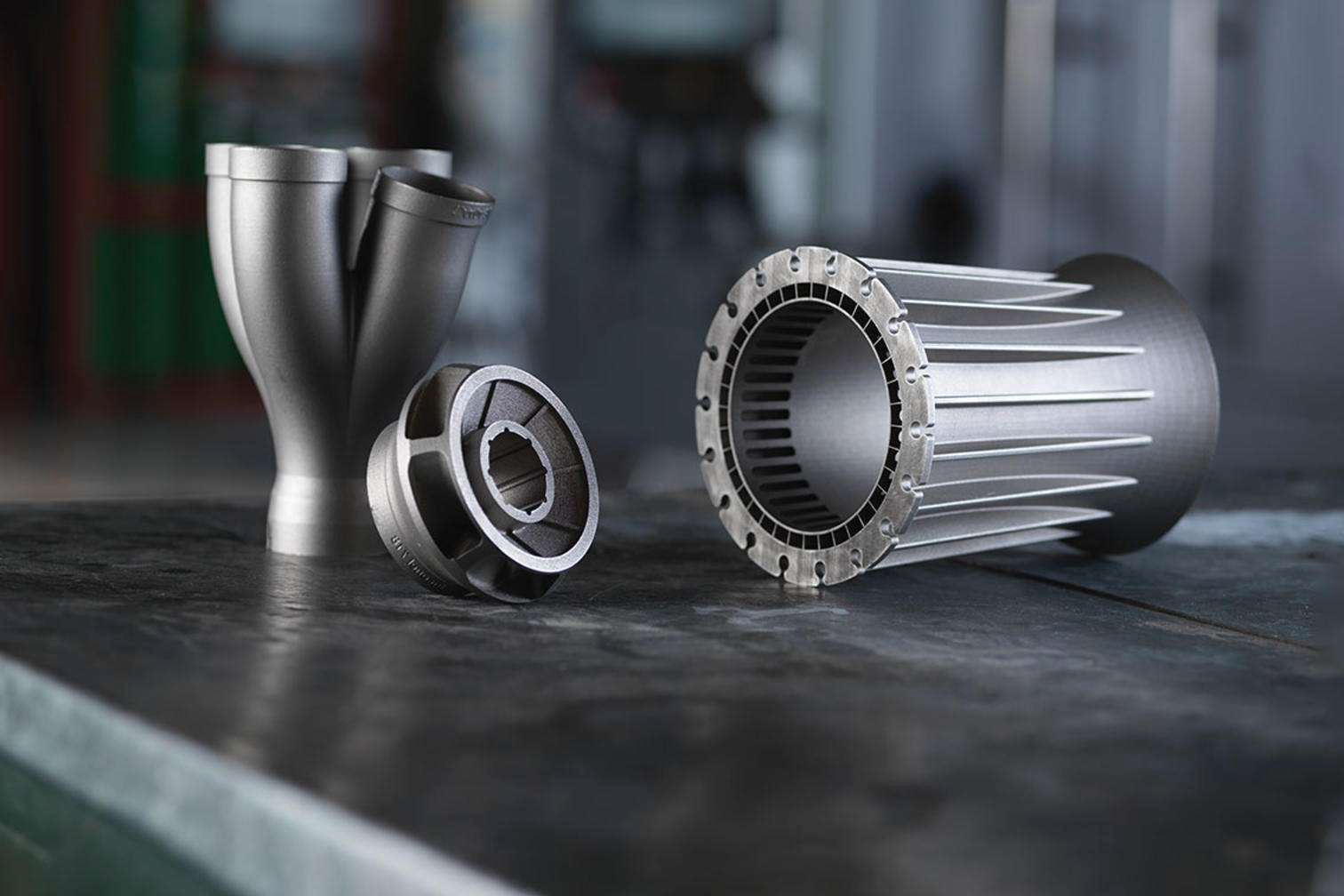
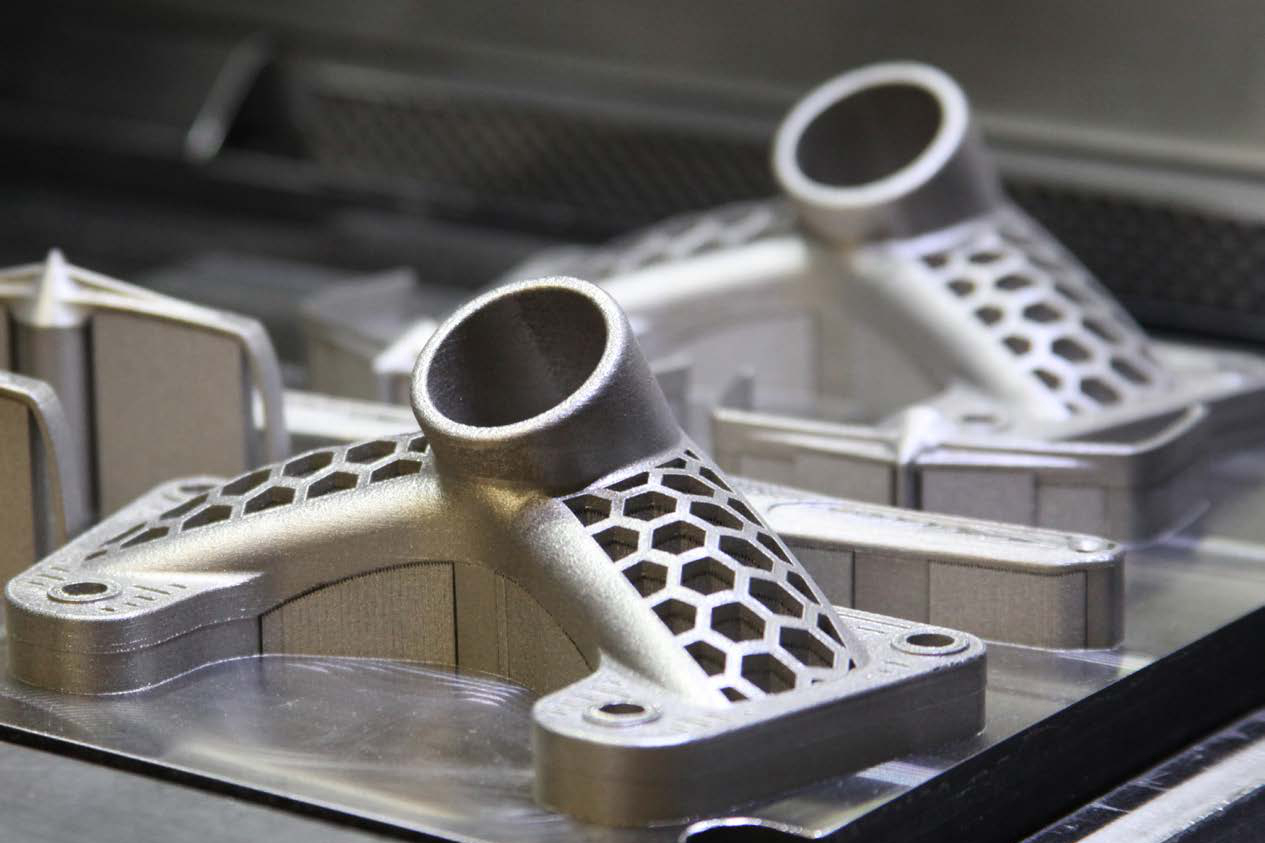
3D Printing Service – allows for quick fabrication of intricate impeller and casing geometries.
Superalloy 3D Printing – enables testing of high-temperature materials under simulated working conditions.
Stainless Steel 3D Printing – provides excellent mechanical stability for prototype housings and shafts.
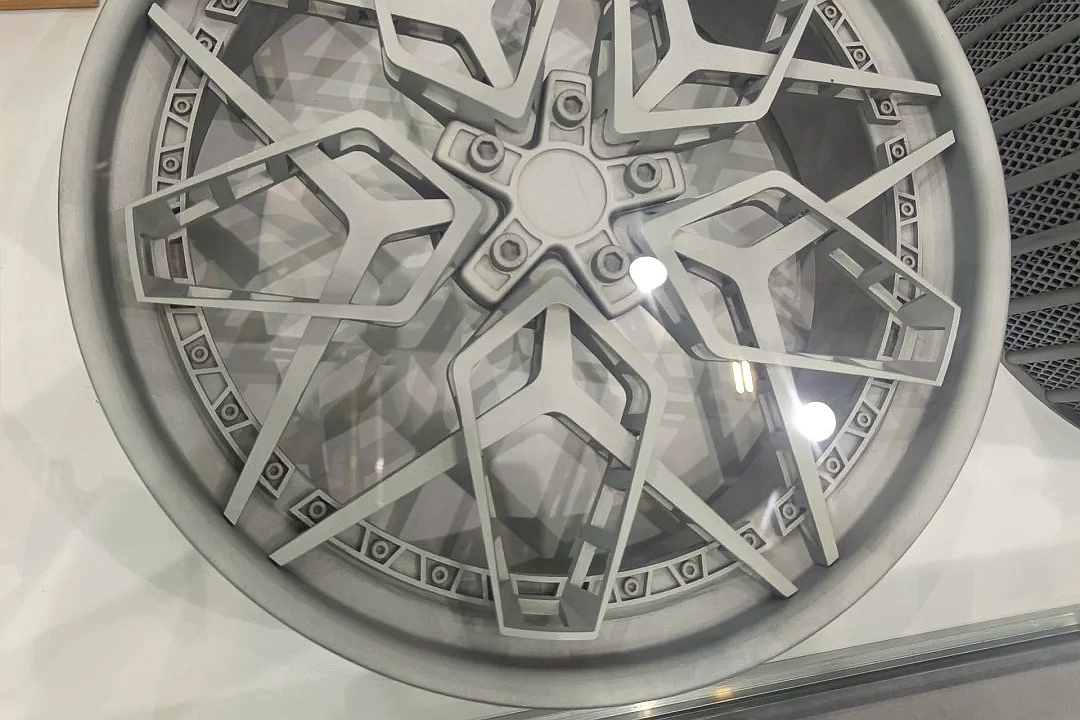
Aluminum 3D Printing – ensures lightweight, corrosion-resistant prototypes for fluid flow testing.
Plastic 3D Printing – ideal for early-stage design validation and cost-efficient mockups.
These processes allow engineers to create functional prototypes with minimal tooling investment, drastically shortening development timelines.
Post-Processing for Functional Validation
Rapid prototypes can be post-processed to match near-production performance levels:
Hot Isostatic Pressing (HIP) removes internal porosity and enhances fatigue life.
Material Testing and Analysis ensures that prototype materials meet thermal and structural specifications.
By applying these steps, prototypes can undergo real-world operational testing under the same loads, pressures, and temperatures as final components.
Material Versatility for Rapid Prototyping
Rapid prototyping supports a wide range of alloys and polymers to suit specific application goals:
Inconel 718 for high-temperature impellers and diffusers.
Hastelloy C-22 for corrosion-resistant pump internals.
Monel 400 for seawater and brine environments.
Stellite 6 is suitable for high-wear components, such as valve seats and bushings.
Nimonic 115 for blades and rotors requiring fatigue resistance.
This flexibility enables performance comparison across materials and helps determine the most cost-effective combination for production.
Industrial Applications of Rapid Prototyped Pumps
Multiple sectors adopt rapid prototyping to enhance design efficiency and testing reliability:
Aerospace and Aviation – for developing lightweight, high-precision fuel and hydraulic pumps.
Power Generation – for optimizing impeller flow patterns in turbine cooling systems.
Chemical Processing – for evaluating corrosion-resistant alloys in acid-handling pumps.
Each industry benefits from faster iteration, improved part accuracy, and the ability to verify design integrity before full-scale investment.
Conclusion
Rapid prototyping revolutionizes the production of wear-resistant pump assemblies by integrating additive manufacturing with rigorous testing and material flexibility. It accelerates development, reduces risk, and enhances final product performance. By integrating technologies such as HIP, precision machining, and multi-material 3D printing, manufacturers can achieve faster innovation cycles and superior pump efficiency.