Advanced Alloy Fittings for Pump and Compressor Production Hub
A pump or compressor fitting RFQ should define the pressure boundary, fluid or gas exposure, alloy grade, sealing surfaces, port geometry, threaded interfaces, and inspection package before price comparison starts. Advanced alloy fittings may include flanges, elbows, inserts, valve-seat parts, pump wear components, compressor connection hardware, couplings, sleeves, and custom transition pieces. NewayAeroTech can review drawing-based high-temperature and corrosion-resistant alloy fittings when buyers provide drawings, 3D models, material requirements, quantity, operating media, surface finish, and acceptance criteria.
The key purchasing risk is scope mismatch. One supplier may quote a rough casting, another may quote a machined fitting, and a third may include heat treatment, HIP, post-process cleaning, pressure-side surface inspection, and material records. Buyers should ask for a route-based quote that separates blank production, final machining, surface preparation, and inspection evidence. That makes pump and compressor fittings comparable by responsibility rather than by part name alone.
Define Pressure Boundary and Fitting Function First
A fitting used in a pump or compressor production hub can perform several jobs: connect flow paths, support seals, carry threaded connections, locate a valve insert, handle thermal expansion, or support wear-facing surfaces. Each job changes material and machining decisions. A pressure-side flange requires seal-face control and bolt-hole position. A compressor fitting may need bore alignment and surface finish. A pump wear insert may need corrosion and erosion review. The RFQ should identify the component function before material or route selection.
If the project starts from a sample, the buyer should document erosion, corrosion, wear, thread damage, or reworked edges as sample condition. A used fitting can help NewayAeroTech understand assembly logic, but it should not replace drawing authority. Final geometry, alloy grade, and acceptance rules should be approved by the buyer before production, especially for small batches or replacement-manufacturing projects.
Fitting feature | RFQ concern | Manufacturing detail to define |
Seal face or flange | Leakage risk, flatness, finish, bolt pattern | Datum plan, surface finish, CMM report, and final machining sequence. |
Threaded port | Galling, pitch accuracy, burr control, pressure-side cleanliness | Thread form, gauge requirement, deburring, and inspection method. |
Internal bore or flow path | Alignment, surface roughness, erosion, cleaning access | Bore tolerance, finish, media exposure, and inspection evidence. |
Wear insert or sleeve | Erosion, contact wear, alloy compatibility | Material grade, heat treatment, hard-facing or surface treatment boundary. |
Match Alloy Choice to Media, Temperature, and Wear
Pump and compressor fittings may require nickel-based, cobalt-based, corrosion-resistant, or high-strength alloys depending on fluid chemistry, gas temperature, pressure, vibration, and wear. Inconel 625 may be reviewed for corrosion-facing fittings. Inconel 718 may be used where high strength and machinability are central to the design. Hastelloy grades may fit aggressive-media exposure when specified. Stellite and cobalt-based alloys may be reviewed for wear surfaces, seats, and rubbing interfaces. The buyer should provide the exact grade or an approved equivalent rule.
NewayAeroTech can support advanced alloy casting, Inconel alloy route review, Hastelloy alloy manufacturing review, and Stellite alloy component planning where the drawing and application support those materials. Final material approval should remain with the buyer or design authority.
Material family | Where it may fit | Buyer data needed |
Nickel-based alloy | High-temperature, high-strength, or corrosion-facing fittings | Exact grade, condition, fluid or gas exposure, and report needs. |
Hastelloy grade | Chemically aggressive or corrosion-sensitive service | Media description, approved grade, cleaning requirement, and surface finish. |
Stellite or cobalt alloy | Wear inserts, seats, sleeves, and rubbing-contact areas | Contact surface, mating material, final grinding, and inspection method. |
Customer-specified alloy | Regulated or legacy pump/compressor assemblies | Material standard, equivalent rule, and required traceability package. |
Choose Casting, Machining, or Powder Route by Geometry
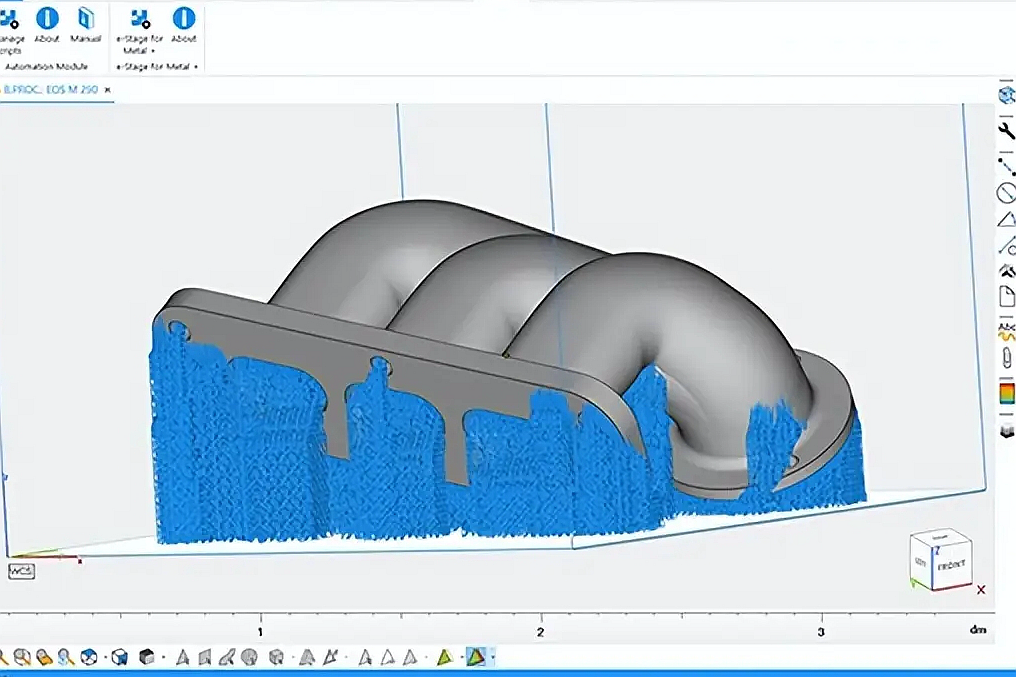
The manufacturing route should follow geometry and quantity. Vacuum investment casting can be reviewed for complex near-net fittings, elbows, housings, or integrated bosses. Superalloy CNC machining is often central for flanges, threads, seal faces, bores, grooves, and port intersections. Powder metallurgy may be reviewed for suitable wear-resistant or high-performance pump-part routes when the component design and material requirement justify it.
A stable quote should state the blank route, machining stock, sequence, included operations, and exclusions. If the buyer needs a casting only, the quote should not be compared with a finished fitting. If the buyer needs a machined and inspected part, the supplier should include final CNC, deburring, cleaning, inspection, and material documents. That distinction is especially important for compressor fittings with tight bores and pump fittings with erosion-prone flow surfaces.
Heat Treatment, HIP, and Surface Processing Change the Final Part
Post-processing should be defined before machining is finalized. Heat treatment may be required to reach the specified alloy condition or stabilize the blank. HIP may be reviewed for cast fittings where internal soundness matters. Surface processing may include passivation, cleaning, polishing, hard-facing preparation, coating readiness, or final grinding. NewayAeroTech can review superalloy heat treatment, HIP, and post-process scope when the buyer defines the final condition.
The RFQ should say whether each step is mandatory, conditional, or excluded. A heat-treated fitting may need final machining after treatment. A wear insert may need grinding after hard-facing. A corrosion-facing fitting may need cleaning or passivation after machining. If the buyer leaves these items open, the supplier may quote a lower-cost part that does not include the operations needed for acceptance.
Process decision | Feature affected | Quote evidence to request |
Heat treatment | High-strength fittings, sleeves, and compressor parts | Required condition, timing, and final inspection after treatment. |
HIP review | Cast bodies, elbows, housings, or complex near-net fittings | Included status, acceptance criteria, and pre/post NDT if required. |
Final CNC machining | Seal faces, threads, bores, ports, and bolt patterns | Datum plan, surface finish, CMM or gauge report. |
Cleaning or passivation | Fluid-contact and corrosion-facing surfaces | Cleaning method, residue expectation, and packaging condition. |
Inspection Should Cover Leakage, Fit, and Material Evidence
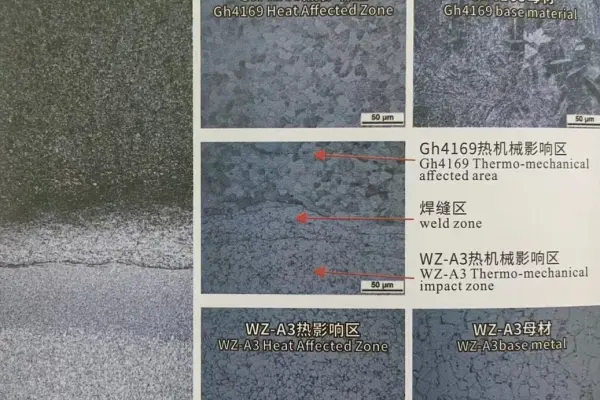
Pump and compressor fitting inspection should connect to failure risk. CMM or dedicated gauges may be needed for flange faces, bolt patterns, bore alignment, threads, and grooves. FPI or DPI may be used for surface indications when specified. X-ray or CT may be relevant for cast fittings with internal passages or wall-thickness risk. Chemical analysis, heat lot traceability, hardness, metallography, tensile testing, and heat-treatment records may be required depending on the drawing.
NewayAeroTech can support superalloy material testing and analysis as part of custom alloy fitting supply. The buyer should define the report package in the RFQ: which dimensions are critical, which material records are needed, whether inspection is sampled or full, and whether cleaning or packaging must be documented. A supplier that can describe these deliverables gives the buyer a clearer risk picture.
Prototype and First-Article Review Prevent Batch Rework
Prototype fittings can verify thread fit, bore access, seal-face machining, port intersection cleanup, or assembly clearance before a batch is released. If the prototype route differs from the intended production route, that difference should be stated. A machined prototype from bar may be useful for fit review, while a later production fitting may use a casting or forging route to reduce material waste or improve repeatability.
First-article review should compare the finished fitting to the drawing, material documents, machining reports, surface condition, and any post-process records. If a seal face, thread, bore, or corrosion-facing surface needs adjustment, the buyer should close that decision before repeat production. NewayAeroTech can support prototypes and small batches when the RFQ includes those review gates.
Commercial comparison should separate raw material, blank production, final machining, heat treatment, surface finishing, cleaning, and inspection reports. A pressure-side fitting may look small, but seat finishing, special threads, port deburring, and corrosion-facing cleaning can dominate cost. Listing those items prevents a buyer from accepting a low quote that still requires major work before the fitting can enter pump or compressor assembly.
For first articles, buyers should request confirmation of the mating fit before releasing a batch. Thread gauges, bore checks, seal-face reports, and material records should be reviewed together, because a fitting can pass material review while still failing assembly at a small interface.
RFQ Checklist for Pump and Compressor Alloy Fittings
Send the 2D drawing, 3D model, material grade, pressure boundary, fluid or gas exposure, quantity, thread and bore details, seal-face requirements, surface finish, heat treatment, coating or passivation note, inspection standard, and sample photos if available. Mark ports, grooves, threads, seal faces, bolt patterns, fluid-contact surfaces, and wear areas. State whether the quote should cover a blank, machined fitting, or finished component with reports.
Ask the supplier to return a route plan, blank source, included operations, post-process scope, inspection deliverables, exclusions, and open engineering questions. NewayAeroTech can review the package and suggest a custom manufacturing route for advanced alloy fittings used in pump and compressor production environments.
Related FAQs
What are the typical superalloys used in pump and compressor fittings?
What are the key benefits of using Hot Isostatic Pressing (HIP) in fittings manufacturing?
Why is heat treatment important in the manufacturing process of fittings?
What are the main benefits of using superalloys in valve assemblies?
What are the most common post-processing techniques for superalloy valve assemblies?
What are the primary quality control measures for superalloy valve assemblies?
What are the most commonly used superalloys for wear-resistant pump assemblies?
How does powder metallurgy contribute to superalloy pump part production?
For pump and compressor fitting RFQs, define pressure boundary, media exposure, alloy grade, sealing geometry, post-process responsibility, and inspection evidence. NewayAeroTech can support custom high-temperature and corrosion-resistant alloy fitting manufacturing based on drawings and buyer requirements.