Why is heat treatment important in the manufacturing process of fittings?
Microstructural Optimization and Stress Relief
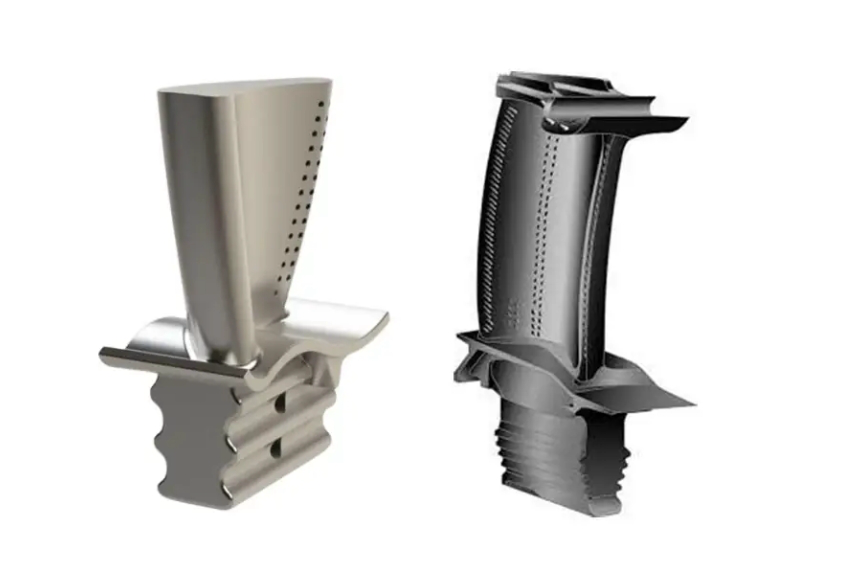
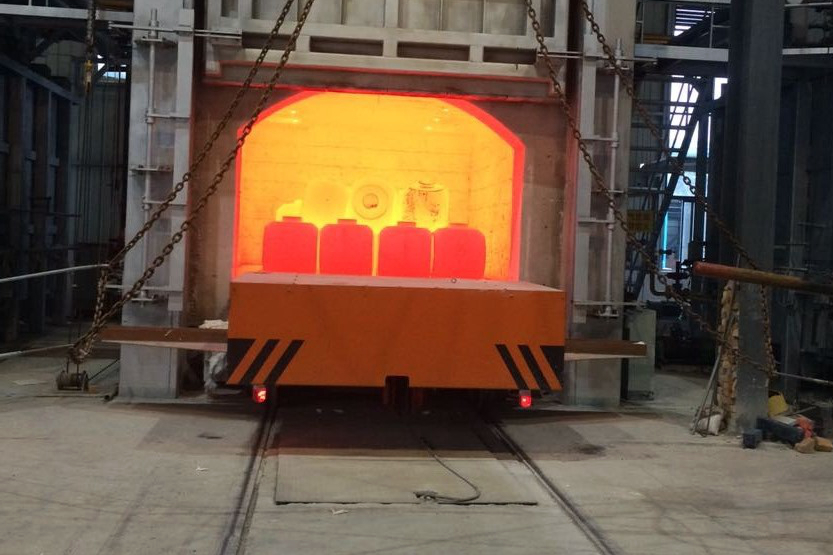
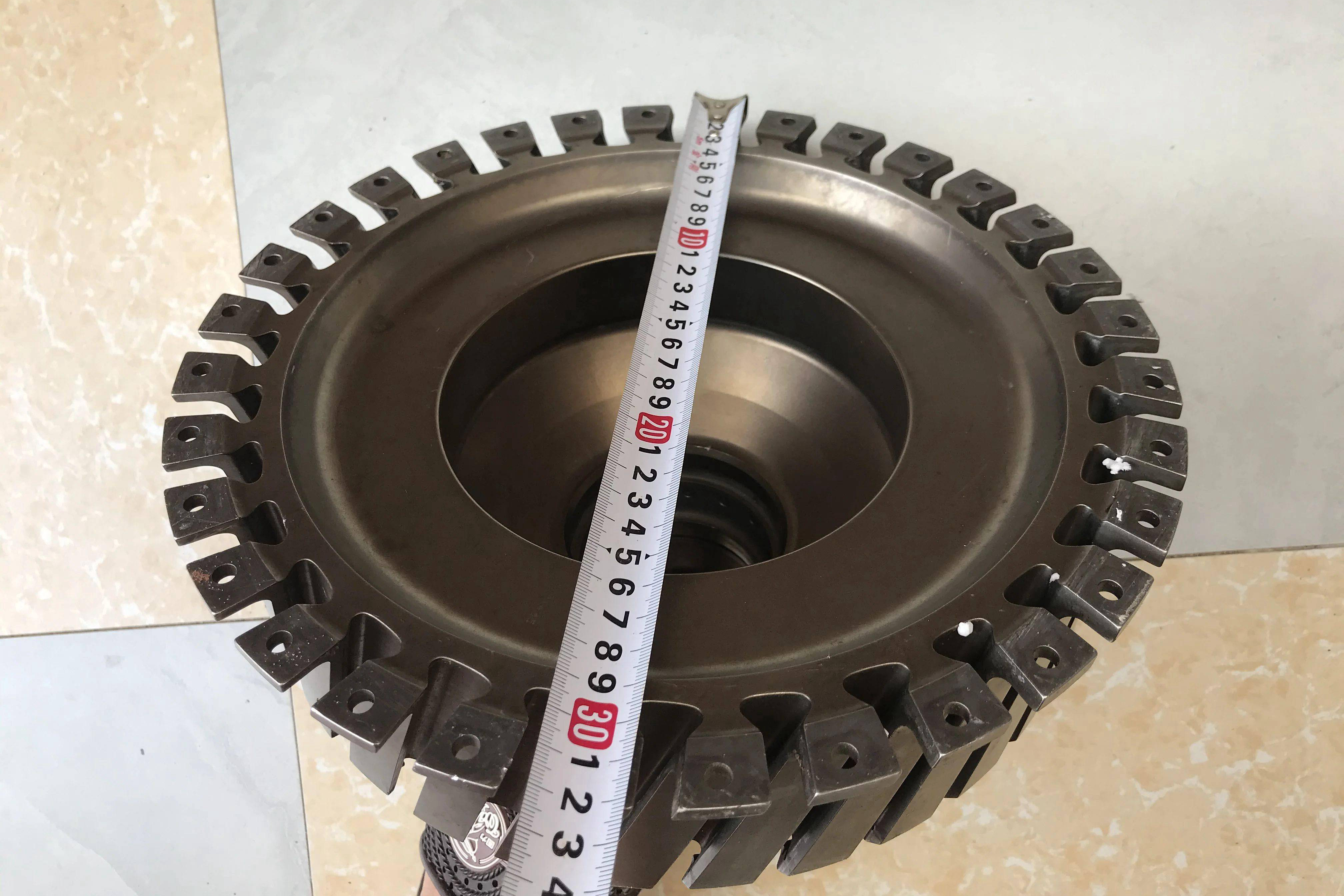
Heat treatment is a critical stage in the production of precision alloy fittings, as it directly influences microstructure, mechanical strength, and dimensional stability. During casting, forging, or additive manufacturing, residual stresses and non-uniform grain structures often develop. Controlled thermal cycles—such as solution annealing, aging, or stress relieving—restore homogeneity and remove internal stresses. This ensures dimensional accuracy and prevents distortion or premature cracking during subsequent superalloy CNC machining or assembly.
Enhancement of Mechanical Properties
Properly designed heat treatment cycles enhance key mechanical properties like tensile strength, yield strength, ductility, and hardness. For nickel-based materials such as Inconel 718, precipitation hardening forms γ′ and γ″ phases, providing outstanding creep and fatigue resistance. Alloys like Hastelloy C-22 and Rene 77 benefit from controlled solid-solution treatment, which improves corrosion resistance and grain boundary cohesion—vital properties for fittings used in corrosive or high-pressure systems.
Compatibility with Other Manufacturing Processes
Heat treatment is typically integrated after vacuum investment casting, superalloy precision forging, or superalloy 3D printing. It complements hot isostatic pressing (HIP), which eliminates porosity, by stabilizing the microstructure and achieving uniform hardness. The combination of HIP and multi-stage aging produces dense, high-strength fittings suitable for cyclic loading environments, such as turbines, compressors, and deep-well pumps.
Surface and Environmental Durability
After heat treatment, protective coatings such as thermal barrier coating (TBC) can be applied with greater adhesion. This improves oxidation, erosion, and corrosion resistance in extreme operating conditions. Heat-treated alloys, such as Stellite 6 and Nimonic 263, maintain stable microstructures even under continuous high-temperature exposure, ensuring consistent long-term performance.
Application-Specific Performance Assurance
Industries such as aerospace and aviation, power generation, and oil and gas depend on fittings that perform reliably under cyclic loading, thermal gradients, and corrosive fluids. Heat treatment ensures that each alloy system achieves its full performance potential, balancing strength, toughness, and ductility according to the service environment. By tailoring time-temperature profiles, manufacturers can achieve superior mechanical reliability, reduce failure risk, and extend service intervals.
In essence, heat treatment is not just a finishing step but a critical engineering process that transforms metallurgical potential into operational durability for advanced alloy fittings.