What are the typical superalloys used in pump and compressor fittings?
Corrosion and High-Temperature Resistance Demands
Pump and compressor fittings operate under demanding service conditions—high pressure, high temperature, and corrosive media such as seawater, CO₂, H₂S, or process gases. These environments require materials that resist pitting, stress corrosion, and thermal fatigue while maintaining mechanical strength. Superalloys meet these criteria due to their nickel-, cobalt-, or iron-based compositions and their ability to maintain performance across a wide temperature range.
Common Nickel-Based Superalloys
Nickel-based alloys dominate pump and compressor fittings due to their combination of strength, corrosion resistance, and oxidation stability. Among the most widely used:
Inconel 625: Offers outstanding resistance to chloride-induced pitting and crevice corrosion, ideal for seawater or chemical processing pumps.
Inconel 718: Provides excellent fatigue strength and oxidation resistance, commonly used for compressor rotors and coupling hubs.
Hastelloy C-276: Exhibits superior resistance to strong oxidizers, wet chlorine, and reducing acids in chemical and energy industries.
Monel K500: Combines high strength with exceptional resistance to hydrofluoric acid and seawater corrosion, ideal for impeller shafts and valve components.
Rene 41: Used for fittings in high-temperature gas compressors due to its creep and oxidation resistance up to 980°C.
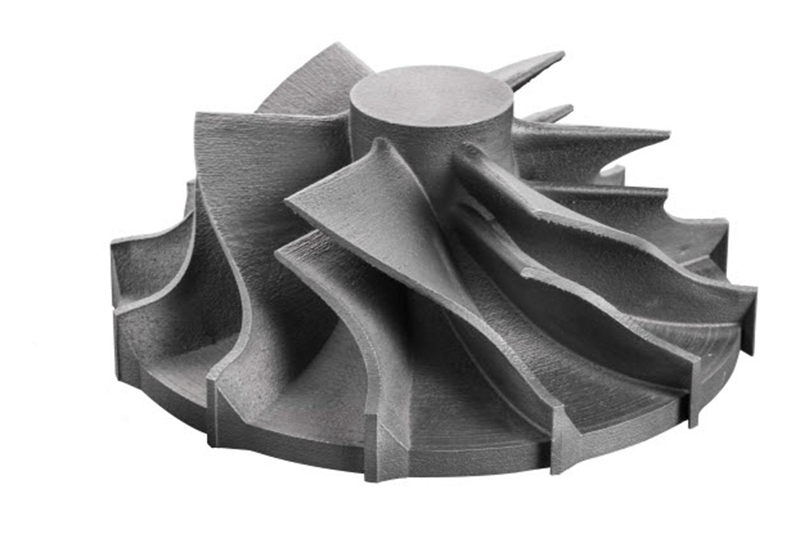
These alloys are typically manufactured through vacuum investment casting or superalloy precision forging to achieve dense, defect-free structures suited for fatigue-critical rotating parts.
Cobalt- and Iron-Based Superalloys for Wear Applications
Cobalt-based materials, such as Stellite 6 and Stellite 21, are frequently used in valve seats, sleeves, and wear rings due to their superior galling resistance and high hot hardness. Iron-nickel-chromium alloys, such as Nimonic 263, also offer a good balance between toughness and oxidation resistance for fittings in dynamic compressor systems.
Post-Processing and Surface Conditioning
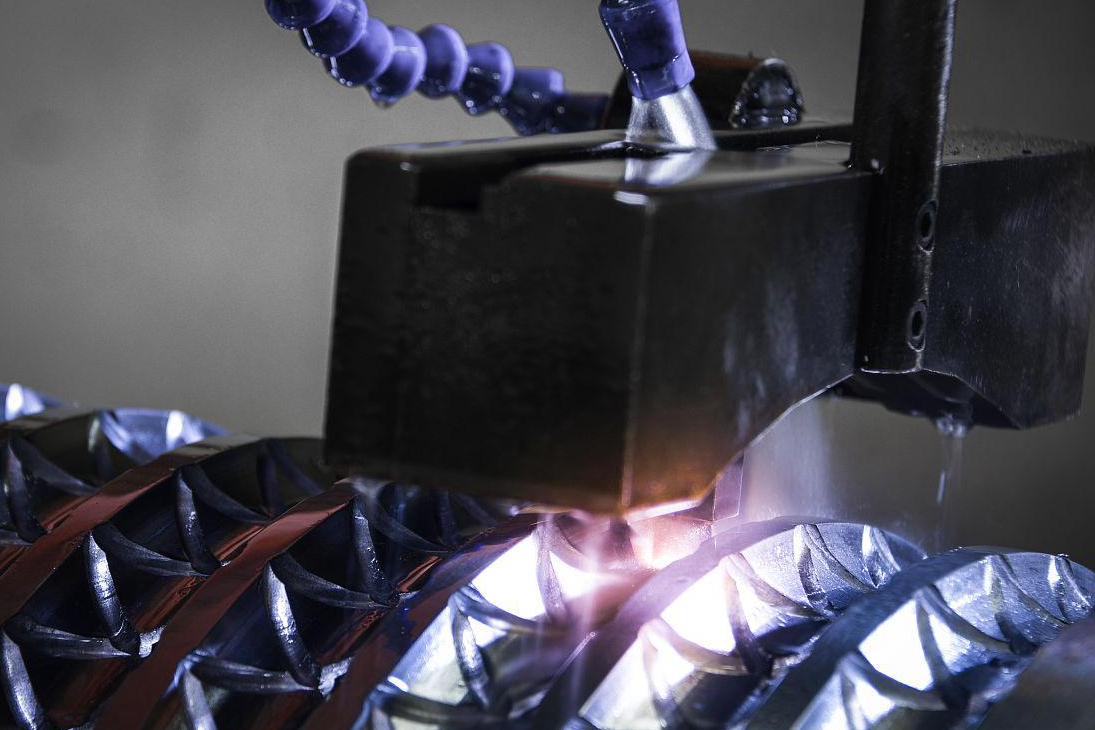
To achieve optimum durability, fittings undergo advanced post-processes such as hot isostatic pressing (HIP) for densification and superalloy heat treatment for microstructural refinement. Thermal barrier coatings (TBC) or wear-resistant overlays enhance long-term performance in erosive or corrosive environments. Finishing processes, such as superalloy CNC machining, ensure tight dimensional tolerances and sealing precision.
Application Industries
These alloys serve critical roles in oil and gas extraction, power generation, and marine systems, where high mechanical reliability and corrosion resistance are essential. From subsea pumps to turbine compressors, superalloys ensure efficient, safe, and long-lasting performance across industries that depend on continuous operation.