What are the most commonly used superalloys for wear-resistant pump assemblies?
Introduction
Pump assemblies operating in abrasive, corrosive, and high-temperature conditions demand materials with exceptional wear resistance and mechanical stability. Superalloys—particularly those based on nickel, cobalt, and iron—are the preferred choice due to their ability to retain strength and resist surface degradation under extreme conditions. Industries such as oil and gas, chemical processing, marine, and power generation depend on these alloys to ensure long-term reliability and efficiency.
Key Manufacturing Processes for Pump Components
The performance of wear-resistant pump parts relies not only on alloy selection but also on precise manufacturing processes:
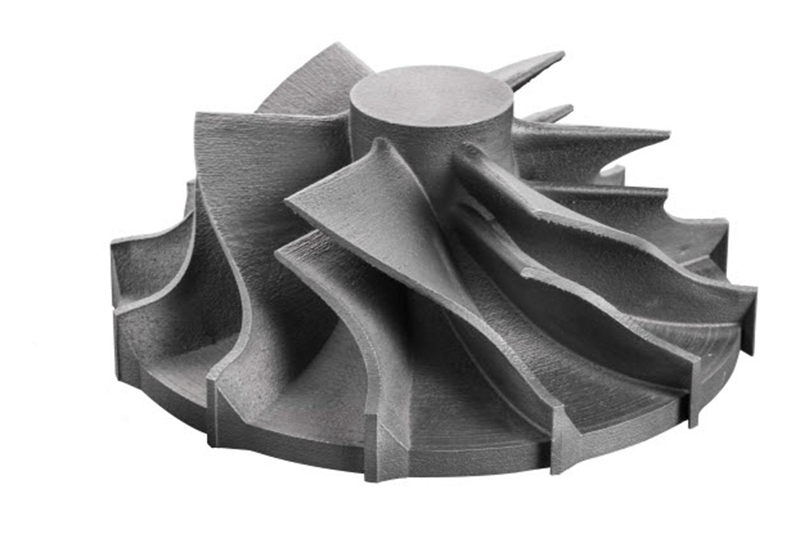
Vacuum Investment Casting – produces complex, defect-free impellers and casings with tight tolerances.
Superalloy Precision Forging – enhances fatigue strength and uniformity in shafts and rotors.
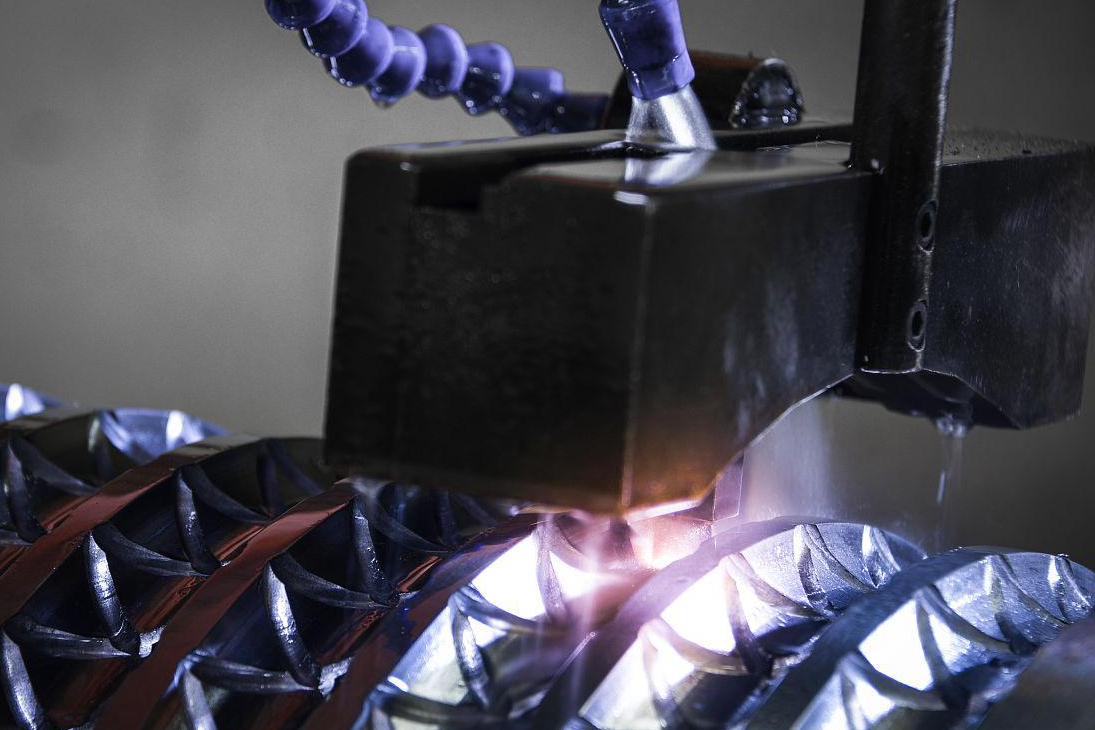
Superalloy CNC Machining – ensures precise fits and smooth sealing surfaces for wear-critical areas.
Electrical Discharge Machining (EDM) – ideal for hard alloys that are difficult to cut conventionally.
Hot Isostatic Pressing (HIP) – densifies cast structures, improving fatigue and erosion resistance.
These methods guarantee dimensional accuracy and microstructural integrity throughout the pump’s service life.
Most Common Wear-Resistant Superalloys
1. Stellite Alloys
Stellite 6B and Stellite 21 are cobalt-based superalloys renowned for their hardness, galling resistance, and ability to maintain wear protection even at elevated temperatures. They are widely used for pump sleeves, seats, and mechanical seal faces.
2. Inconel Alloys
Nickel-chromium alloys such as Inconel 625 and Inconel 718 provide exceptional oxidation and corrosion resistance while maintaining high strength under stress. They are often used in pump impellers and housings that are exposed to aggressive media or seawater.
3. Hastelloy Alloys
Hastelloy C-276 and Hastelloy C-22 excel in chemical and marine environments due to superior resistance to pitting and crevice corrosion. They are preferred in chemical slurry pumps and desalination systems.
4. Nimonic and Rene Alloys
Nimonic 105 and Rene 77 are used for high-speed rotating components where both wear resistance and thermal stability are crucial. Their high γ′ phase content provides superior resistance to creep and fatigue.
5. Monel Alloys
Monel K500 offers exceptional resistance to saltwater corrosion and cavitation damage, making it an ideal choice for marine and offshore pump components. Its combination of toughness and ductility supports long operational lifespans.
Post-Processing Enhancements
After primary fabrication, several post-treatments are applied to improve performance:
Superalloy Heat Treatment – optimizes hardness and stress resistance.
Superalloy Thermal Barrier Coating (TBC) – minimizes oxidation and erosion in fluid-exposed zones.
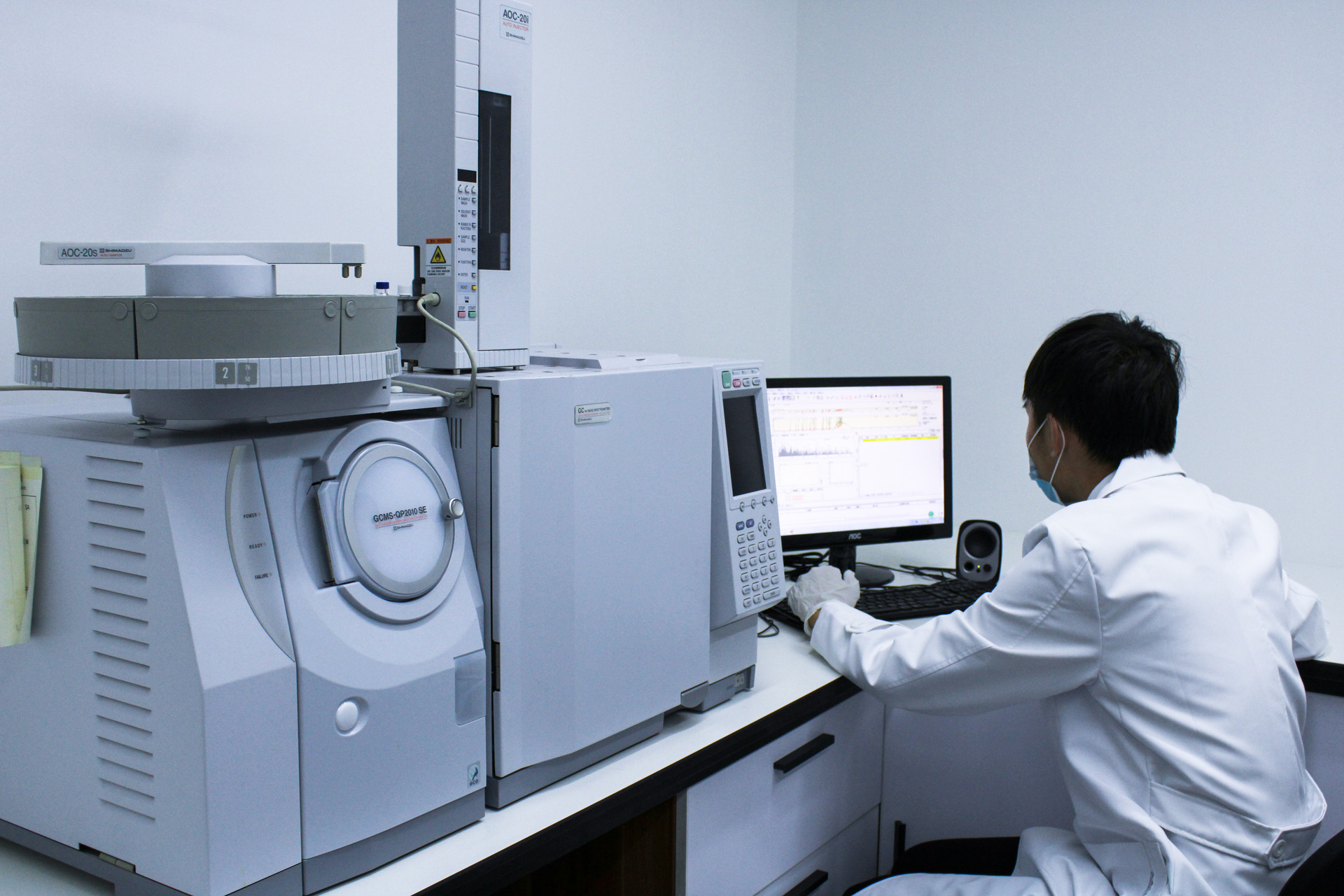
Material Testing and Analysis – validates metallurgical quality and wear resistance before final assembly.
Industrial Applications
Wear-resistant pump assemblies are essential in:
Oil and Gas: handling sand-laden hydrocarbons and corrosive brines.
Chemical Processing: managing acid and solvent transport.
Marine: seawater circulation and ballast systems requiring anti-cavitation performance.
Conclusion
Superalloys such as Stellite, Inconel, Hastelloy, Nimonic, Rene, and Monel represent the cornerstone of wear-resistant pump technology. Their combination of hardness, corrosion resistance, and temperature stability ensures durability and efficiency in the harshest operational environments, where conventional materials would quickly degrade.