
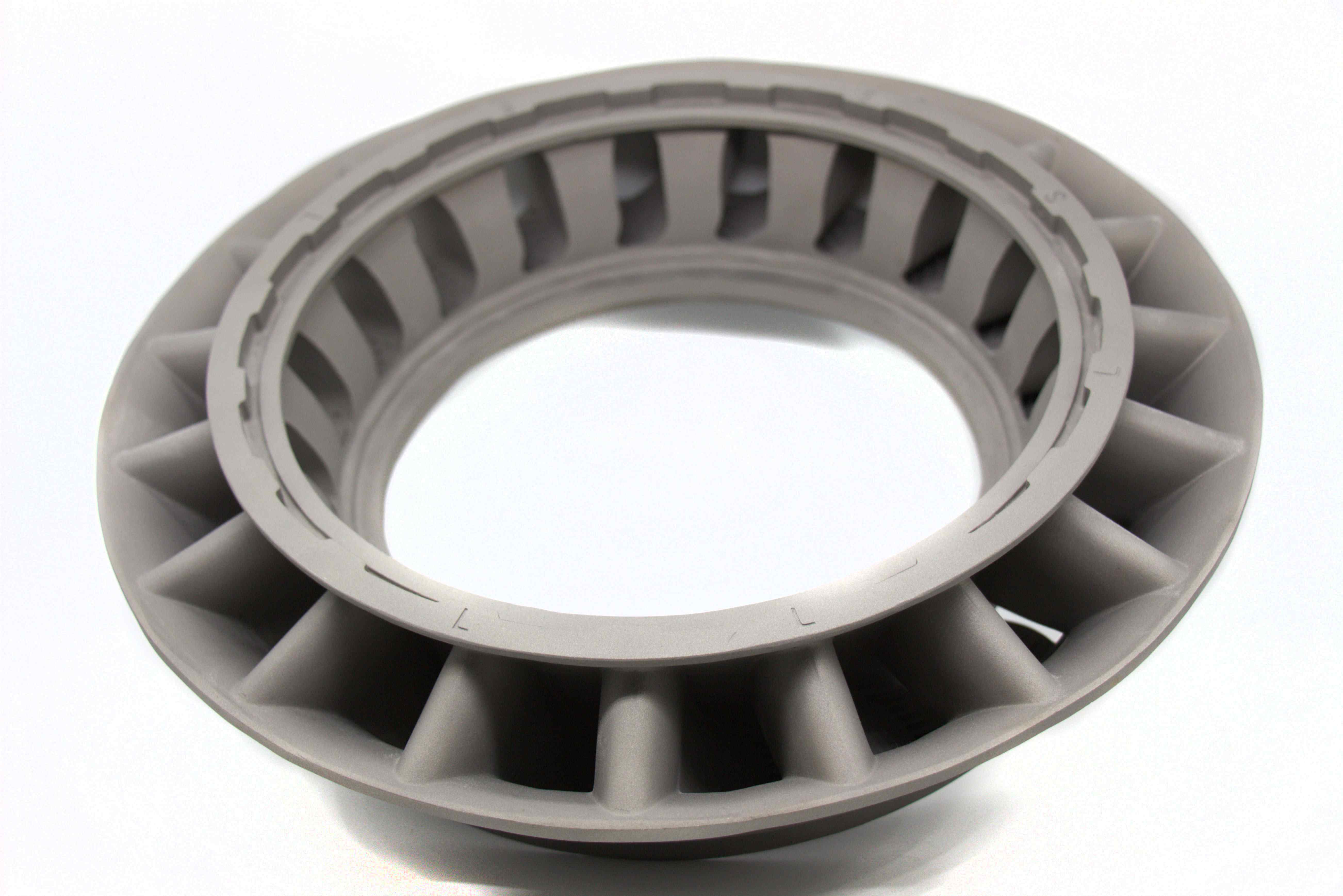
KBB: Hersteller von Turbinenleitschaufeln im equiaxialen Kristallgussverfahren
Im Streben nach sauberer Energie und verbesserter Effizienz sieht sich die Gasturbinenbranche mit wachsenden Anforderungen an Komponenten konfrontiert, die extremen Umgebungsbedingungen standhalten müssen. Turbinenleitschaufeln, die den Fluss heißer Gase durch die Turbinenstufen steuern, spielen eine entscheidende Rolle bei der Erzielung höherer Effizienz und niedrigerer Emissionen. Während die Branche auf Kohlenstoffneutralität umsteigt, entwickeln Hersteller wie KBB ihre Komponententechnologien weiter, um diesen Herausforderungen zu begegnen.
KBBs jüngste Initiative zur Lokalisierung und Optimierung der Produktion von Turbinenleitschaufeln nutzt das equiaxiale Kristallgussverfahren, eine bewährte Fertigungsmethode, die Leistung, Kosten und Skalierbarkeit in Einklang bringt. Diese Fallstudie untersucht, wie KBB diese Lösung entwickelt und industrialisiert hat, um die strengen Anforderungen moderner Gasturbinen zu erfüllen.
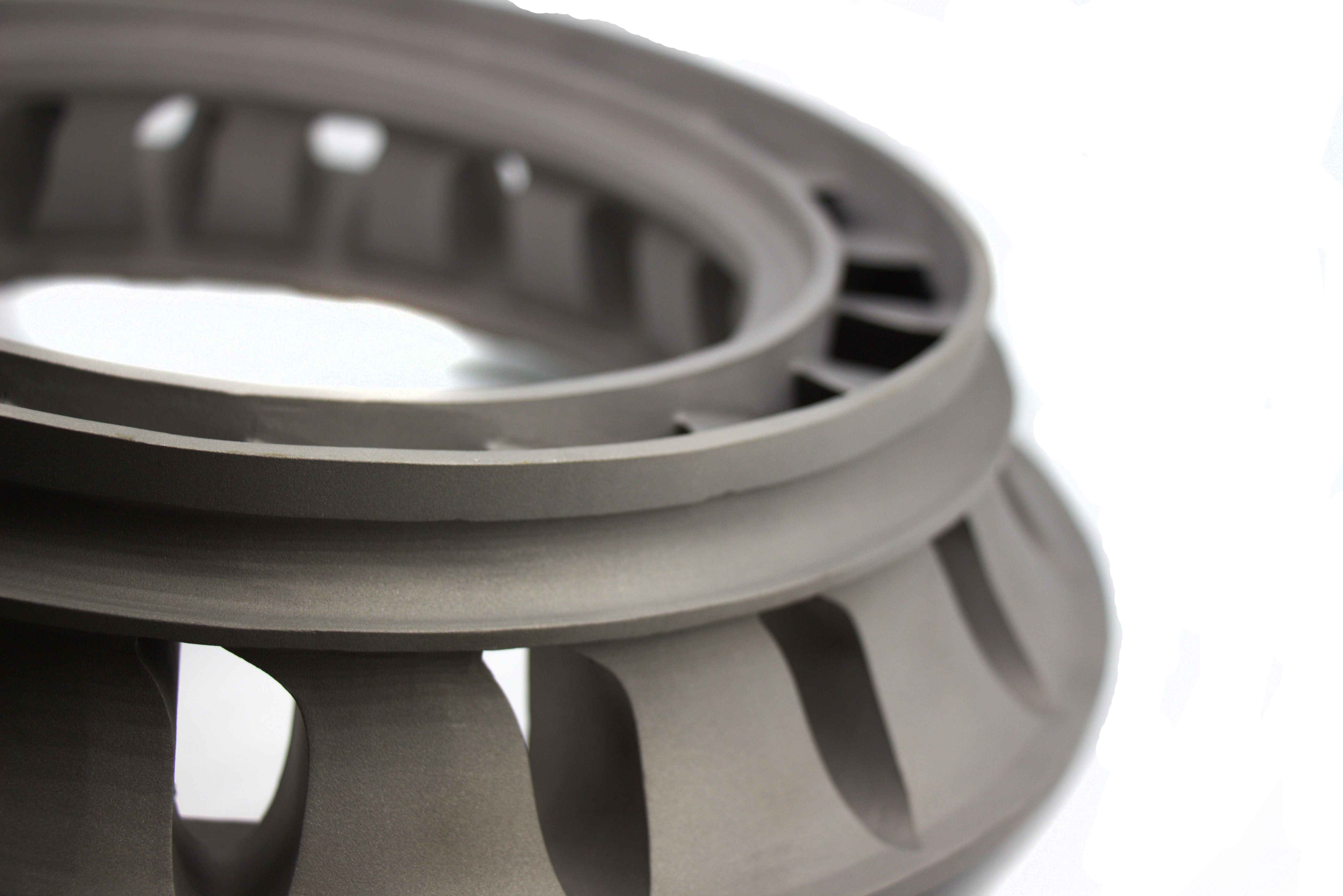
Kundenanforderungen und Anwendungskontext
Turbinenleitschaufeln in den neuesten Gasturbinenmodellen von KBB arbeiten bei Temperaturen über 1050 °C, sind zyklischen thermischen Spannungen, Oxidation und korrosiven Verbrennungsprodukten ausgesetzt. Die Leitschaufeln müssen zudem eine präzise aerodynamische Geometrie beibehalten, um einen effizienten Gasfluss und eine optimale Turbinenleistung zu gewährleisten.
KBB hat für dieses Projekt eine Reihe anspruchsvoller Anforderungen festgelegt:
Hohe Zugfestigkeit und Kriechbeständigkeit bei hohen Temperaturen
Ausgezeichnete Beständigkeit gegen thermische Ermüdung
Überlegene Oxidations- und Korrosionsbeständigkeit
Präzise Definition komplexer Kühlkanäle und Maßhaltigkeit
Wettbewerbsfähige Kostenstruktur bei konsistenter Qualität in der Serienproduktion
Das equiaxiale Kristallgussverfahren wurde als idealer Prozess ausgewählt, um diese Ziele zu erreichen, da es eine optimierte Kontrolle der Kornstruktur und die Flexibilität zur Herstellung komplexer Schaufelgeometrien bietet.
Material- und Prozessdesign
Materialauswahl
Für diese Anwendung wurde Inconel 738LC gewählt, da es eine hervorragende Kombination aus mechanischer Festigkeit, Kriechlebensdauer und Oxidationsbeständigkeit bei erhöhten Temperaturen bietet. Die Zusammensetzung und Phasenstabilität der Legierung machen sie hochgradig kompatibel mit dem equiaxialen Kristallgussverfahren.
Inconel 738LC wird häufig in fortschrittlichen Guss-Superlegierungen für Turbinenkomponenten verwendet und bietet eine etablierte Leistungsgrundlage für dieses Projekt.
Prozessdesign
Der Fertigungsprozess wurde sorgfältig entwickelt, um eine konsistente Qualität zu gewährleisten:
Präzise Herstellung von Wachsmodellen mit Maßkontrolle für komplexe interne Kühlkanäle
Fortschrittlicher Schalenbau unter Verwendung optimierter keramischer Materialien mit geeigneter Permeabilität
Vakuum-Feinguss unter kontrollierten thermischen Gradienten zur Förderung eines gleichmäßigen equiaxialen Kornwachstums
Maßgeschneiderte Abkühlprofile zur Verfeinerung der Kornstruktur und Minimierung von Eigenspannungen
Nach dem Guss durchgeführte Wärmebehandlung zur Stabilisierung des Gefüges und Verbesserung der mechanischen Eigenschaften
Jede Stufe des Prozesses wurde digital modelliert und validiert, um Wiederholbarkeit und Einhaltung der Spezifikationen von KBB sicherzustellen.
Bewältigung technischer Herausforderungen
Beherrschung geometrischer Komplexität
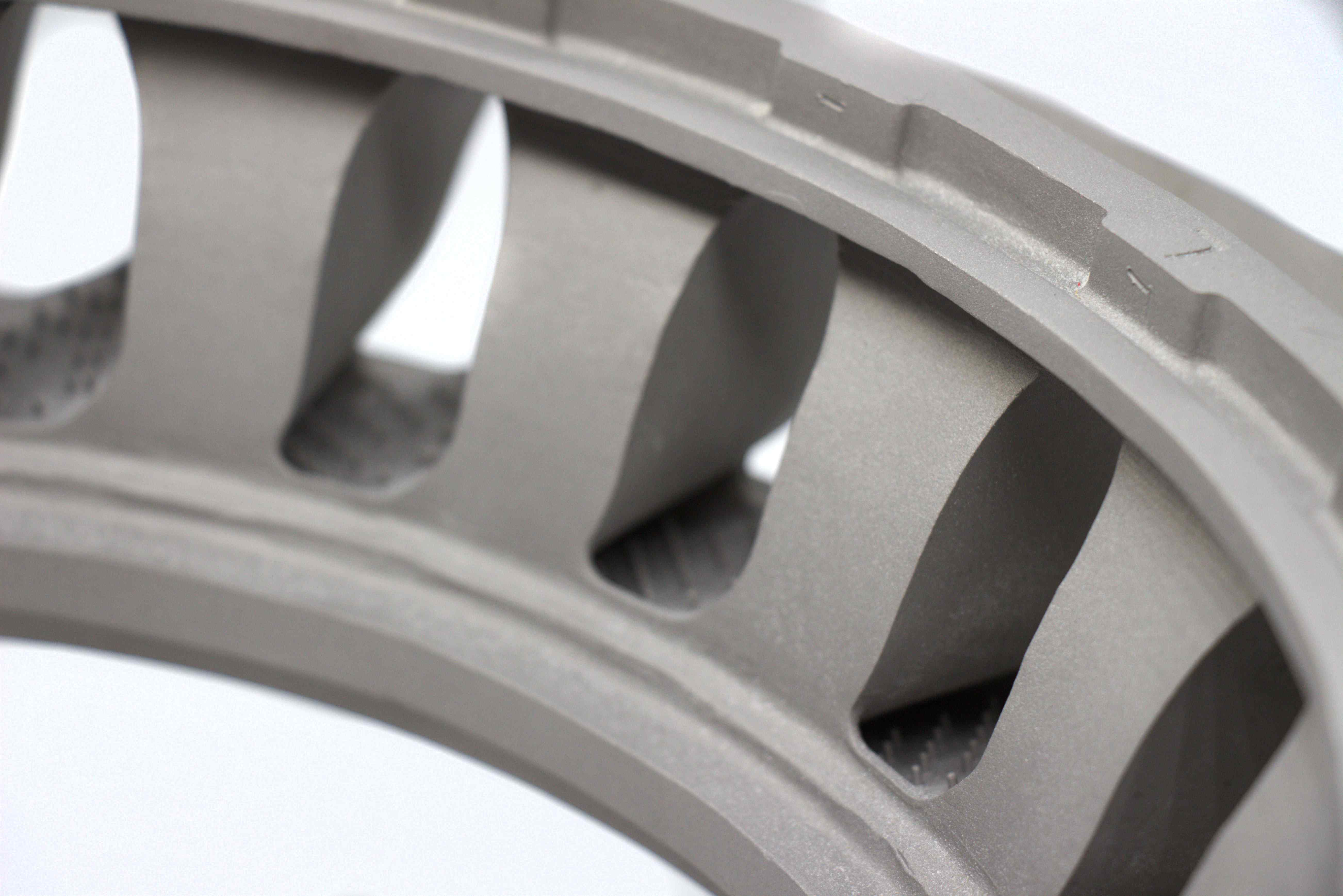
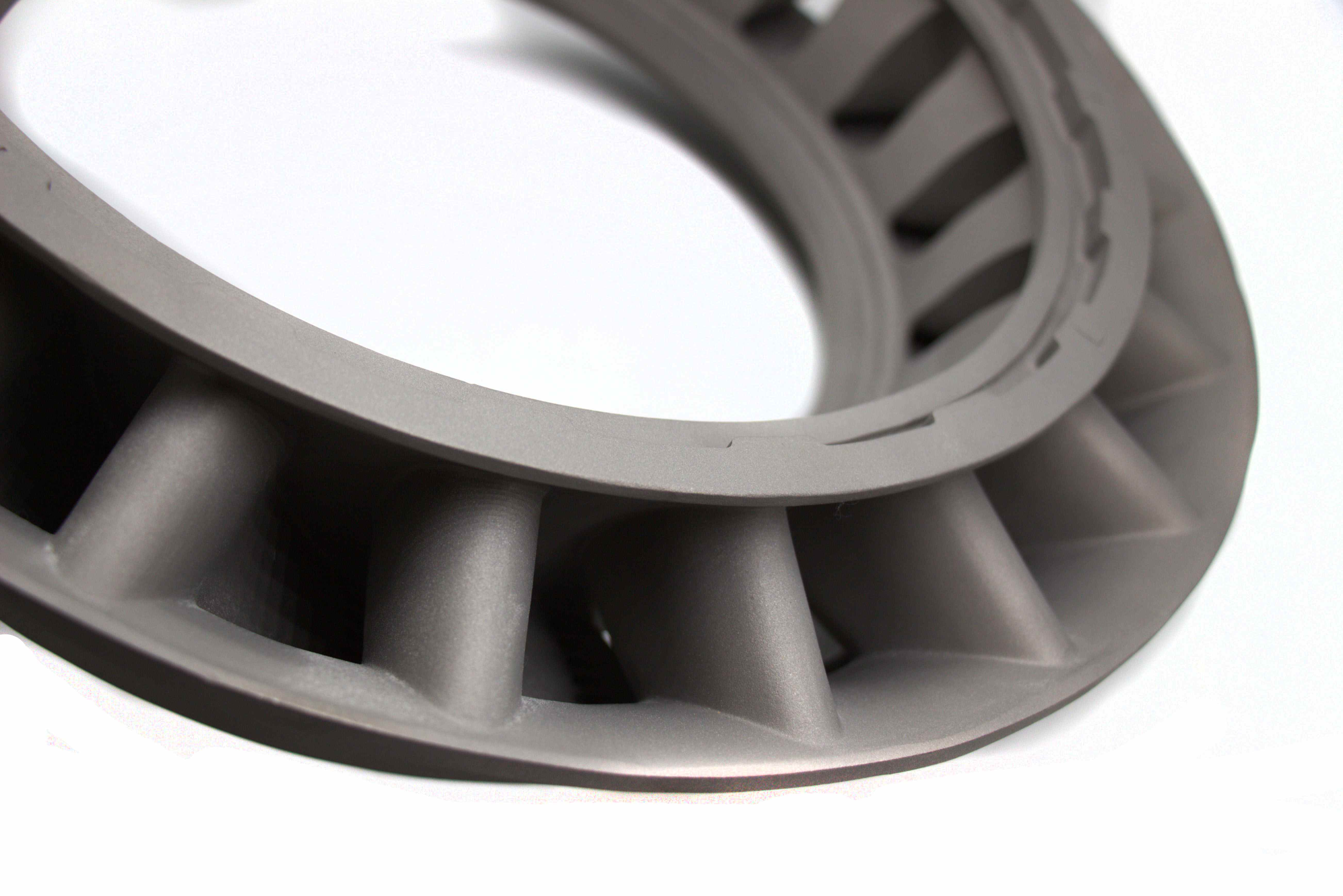
Turbinenleitschaufeln weisen intricate Tragflächenprofile und interne Kühlnetzwerke auf, die für das Thermomanagement und die Effizienz entscheidend sind. Die Aufrechterhaltung der Maßpräzision über diese Merkmale hinweg war eine primäre Herausforderung.
Um dies zu adressieren, integrierte das Team KMG-Prüfungen (Koordinatenmessgeräte) und 3D-Scanning in den Prozessablauf. Dies ermöglichte eine präzise Verifizierung kritischer Abmessungen und eine proaktive Korrektur etwaiger Abweichungen während der Werkzeug- und Prozessentwicklung.
Kontrolle der Kornuniformität und Fehlerraten
Die Gleichmäßigkeit der Kornstruktur ist entscheidend für die Erzielung konsistenter mechanischer Eigenschaften über die gesamte Schaufelpopulation. Die Gussparameter wurden durch umfangreiche Tests von Vorwärmtemperaturen der Formen, Überhitzung beim Gießen und Abkühlraten optimiert.
Zerstörungsfreie Prüfungen mittels Röntgenprüfung und metallographischer Mikroskopie bestätigten, dass die interne Qualität die Akzeptanzkriterien von KBB durchweg erfüllte oder übertraf.
Integration mit Wärmedämmschichten
Angesichts der harschen thermischen Umgebung werden Turbinenleitschaufeln typischerweise mit fortschrittlichen Wärmedämmschichten (TBC) beschichtet. Die Sicherstellung der Kompatibilität zwischen der Basislegierung und dem Beschichtungssystem erforderte eine sorgfältige Kontrolle der Oberflächenchemie und -rauheit während des Gusses und der Nachbearbeitung.
Der Fertigungsprozess wurde verfeinert, um Oberflächen zu erzeugen, die nach der Beschichtung eine optimale Haftung und thermische Leistung boten, was die Haltbarkeit der Schaufeln weiter verbesserte.
Erste Ergebnisse und Qualitätskennzahlen
Die Pilotproduktionsläufe zeigten eine hervorragende Übereinstimmung mit den technischen Zielen von KBB. Die wichtigsten Ergebnisse sind unten dargestellt:
Parameter | Zielwert | Ist-Ergebnis | KBB-Standard |
|---|---|---|---|
Korngröße (μm) | 50–150 | 55–140 | ≤150 |
Innere Fehler (Röntgen-Level) | ≤Level 2 | Level 1–2 | ≤Level 2 |
Oberflächenrauheit Ra (μm) | ≤3,2 | 2,9–3,1 | ≤3,2 |
Zugfestigkeit bei 1050 °C (MPa) | ≥850 | 860–880 | ≥850 |
Thermische Ermüdungszyklen | ≥3000 | >3200 | ≥3000 |
Oxidationsbeständigkeit (1050 °C/1000 h) | Bestanden | Bestanden | Bestanden |
Diese Ergebnisse bestätigten die Robustheit des equiaxialen Kristallgussverfahrens und seine Eignung für die Großserienproduktion von Turbinenleitschaufeln.
Hochskalierung auf die Vollproduktion
Nach erfolgreicher Validierung der Pilotproduktion ging das Projekt in die Großserienfertigung über, um die betrieblichen Anforderungen von KBB für seine neuesten Gasturbinenmodelle zu erfüllen.
Die Produktionslinie wurde optimiert, um Folgendes sicherzustellen:
Hohe Prozesswiederholbarkeit über Produktionschargen hinweg
Echtzeitüberwachung kritischer Prozessparameter
Automatisierte Datenerfassung und Qualitätsverfolgung für jede Komponente
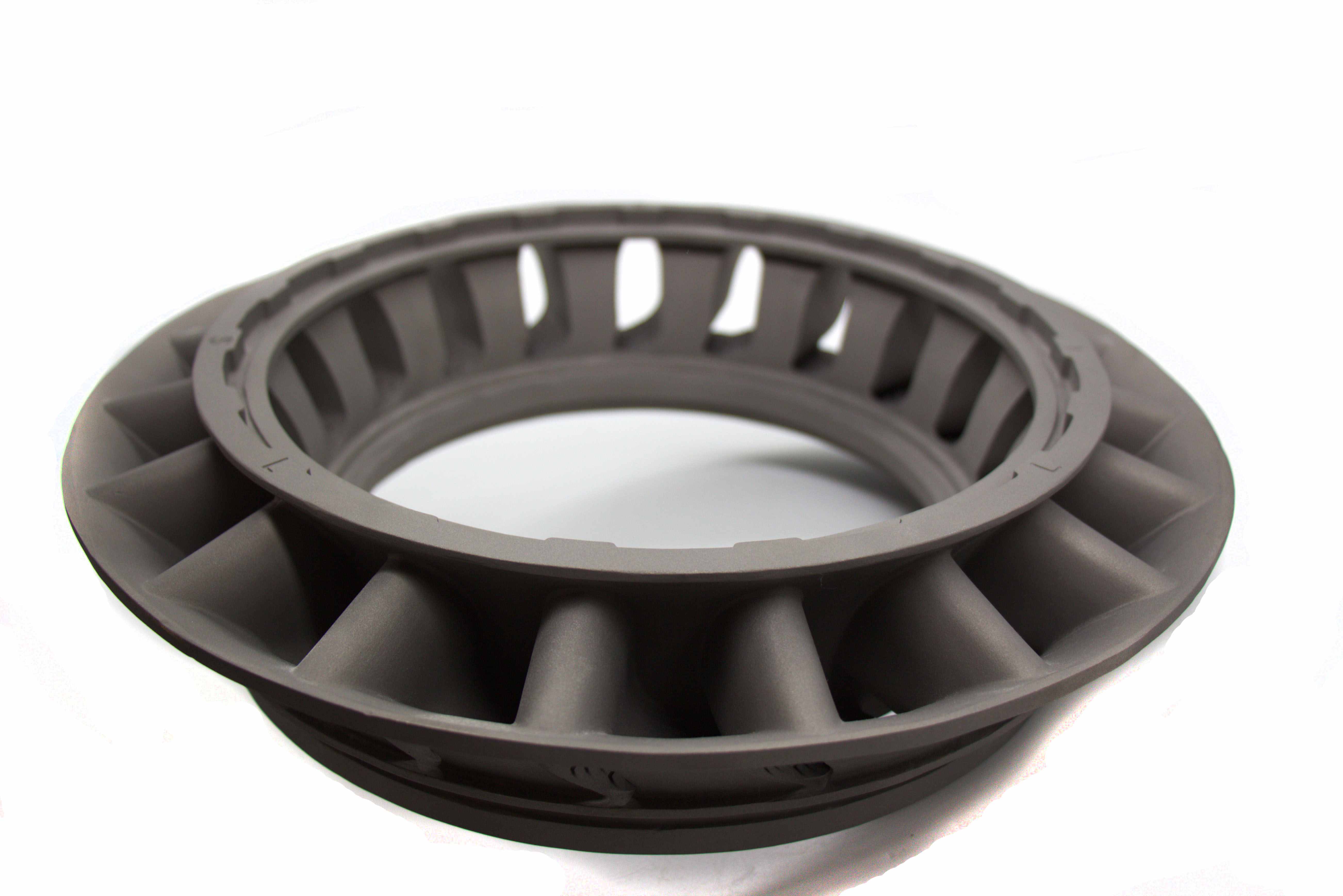
Es wurde ein fortschrittliches Werkzeugmanagement implementiert, um über erweiterte Produktionszyklen hinweg eine konsistente Formqualität zu gewährleisten. Eine strikte Kontrolle der Eigenschaften der keramischen Schale und der Vorwärmprotokolle für die Formen stellte ein gleichmäßiges thermisches Verhalten während des Gusses sicher. Die kontinuierliche Protokollierung der Gusstemperaturprofile verbesserte zudem die Prozessstabilität.
Umfassende Qualitätssicherung
Um höchste Qualitätsstandards aufrechtzuerhalten, durchlief jede Produktionscharge einen mehrstufigen Verifizierungsprozess:
Maßliche Validierung mittels Koordinatenmessgeräten und optischem Scanning
Zerstörungsfreie Prüfung durch Röntgenprüfung und Ultraschallprüfung
Gefügeanalyse mittels metallographischer Mikroskopie
Prüfung mechanischer Eigenschaften, einschließlich Zugprüfungen bei erhöhten Temperaturen
Validierung der Beschichtungskompatibilität durch Applikation und Bewertung von Probemustern mit Wärmedämmschichten
Dieser umfassende Ansatz stellte sicher, dass jede Turbinenleitschaufel die Spezifikationen von KBB für leistungskritische Komponenten erfüllte oder übertraf.
Feldperformance und Kundenfeedback
Nach der finalen Qualifizierung wurden die im equiaxialen Kristallgussverfahren hergestellten Turbinenleitschaufeln in die neuesten Gasturbinenprototypen von KBB integriert und in Feldtests in Kraftwerken eingesetzt.
Die aus diesen Tests gesammelten Betriebsdaten offenbarten mehrere bemerkenswerte Ergebnisse:
Stabile mechanische Integrität unter starken thermischen Gradienten
Konsistente Maßstabilität über erweiterte Wartungsintervalle hinweg
Keine Delamination oder Versagen der Wärmedämmschichten
Verbesserte Lebensdauer bei thermischer Ermüdung im Vergleich zu Komponenten vorheriger Generationen
Erhöhte Gesamtturbineneffizienz durch präzise aerodynamische Steuerung
Das Ingenieurteam von KBB berichtete von hoher Zufriedenheit mit der Fertigungsqualität und der Performance der Komponenten im Einsatz, wobei mehrere Kunden greifbare Verbesserungen bei der Kraftwerkseffizienz und reduzierte Wartungskosten feststellten.
Prozessinnovation und zukünftige Entwicklung
Der Erfolg dieses Projekts unterstreicht das Potenzial des equiaxialen Kristallgussverfahrens als ausgereifte und anpassungsfähige Lösung für Hochleistungsturbinenkomponenten. Aufbauend auf dieser Grundlage werden mehrere Innovationspfade erkundet:
Integration des Heißisostatischen Pressens (HIP), um die Bauteildichte und Ermüdungsbeständigkeit weiter zu verbessern
Anwendung KI-gesteuerter Prozesssteuerung zur Verfeinerung der Kornstrukturuniformität
Kombination traditioneller Gussverfahren mit 3D-Druck, um die hybride Fertigung hochkomplexer Merkmale zu ermöglichen
Entwicklung fortschrittlicher Hochtemperaturlegierungen wie Rene-Legierungen für Turbinenplattformen der nächsten Generation
Durch kontinuierliche Investitionen in diese Innovationen strebt KBB danach, seine Führungsposition in der Gasturbinentechnologie zu behaupten und seinen Kunden noch größeren Mehrwert zu bieten.
Industrieller Kontext und breitere Auswirkungen
Diese Fallstudie unterstreicht die Bedeutung fortschrittlicher Fertigungstechnologien zur Erfüllung der sich wandelnden Anforderungen der Energieindustrie.
Da Gasturbinen weiterhin eine vitale Rolle für die Netzstabilität und die kohlenstoffarme Energieerzeugung spielen, wird die Performance von Heißgasweg-Komponenten wie Turbinenleitschaufeln zunehmend kritisch. Hocheffiziente Turbinen tragen direkt zu einem geringeren Kraftstoffverbrauch und reduzierten Treibhausgasemissionen bei und stehen damit im Einklang mit globalen Nachhaltigkeitszielen.
Die Lokalisierung der Turbinenkomponentenfertigung durch Partnerschaften mit Spezialisten für Präzisionsguss unterstützt zudem die Resilienz regionaler Lieferketten und fördert die lokale industrielle Entwicklung.
Durch gemeinsames Engineering und unermüdliche Prozessoptimierung liefern KBB und seine Partner Komponenten, die effizientere, zuverlässigere und nachhaltigere Energielösungen ermöglichen.
Fazit
Die Entwicklung von Turbinenleitschaufeln im equiaxialen Kristallgussverfahren für KBB verdeutlicht, wie Präzisionsengineering, fortschrittliche Materialien und optimierte Fertigungsprozesse Komponenten liefern können, die höchsten Industriestandards gerecht werden.
Durch die Kombination von tiefgreifender technischer Expertise mit kontinuierlicher Innovation hat KBB die Produktion dieser kritischen Komponente erfolgreich lokalisiert und sich damit positioniert, die nächste Generation hocheffizienter Gasturbinen zu unterstützen.
Während sich die globale Energielandschaft weiterentwickelt, werden solche kooperativen Anstrengungen weiterhin Fortschritte in Bezug auf Leistung, Nachhaltigkeit und technologische Führung vorantreiben.
Häufig gestellte Fragen (FAQ)
Welche Vorteile bietet das equiaxiale Kristallgussverfahren für die Herstellung von Turbinenleitschaufeln?
Warum wurde Inconel 738LC für die Turbinenleitschaufeln von KBB ausgewählt?
Wie verbessert der Vakuum-Feinguss die Qualität von Turbinenkomponenten?
Welche Inspektionsmethoden werden eingesetzt, um die Performance von Turbinenleitschaufeln sicherzustellen?
Welche zukünftigen Innovationen sind für die Herstellung von Turbinenleitschaufeln bei KBB geplant?
