
高温合金 Inconel 713 涡轮导向叶片电热材料去除
Inconel 713 涡轮导向叶片电热材料去除简介
电热材料去除(主要通过电火花加工,EDM)对于实现 Inconel 713 涡轮导向叶片的尺寸精度至关重要。该工艺能够在熔模铸造的高温合金零件上实现无缺陷的特征加工,并有效控制热变形和微观结构完整性。
在 Neway Aerotech,我们专注于 Inconel 713 的电火花加工处理,特别是针对需要精细特征、高温稳定性和严格质量合规性的涡轮导向叶片组件。
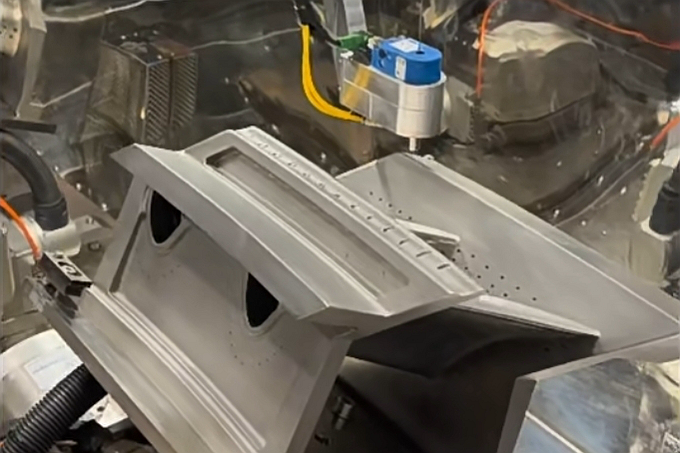
电火花加工技术概述
电火花加工分类
电火花加工工艺 | 表面粗糙度 (Ra, μm) | 尺寸公差 (mm) | 深径比 | 热影响区 (HAZ, μm) | 最小特征尺寸 (mm) |
|---|---|---|---|---|---|
线切割电火花加工 (Wire EDM) | 0.3–1.2 | ±0.002–±0.01 | 高达 20:1 | 2–5 μm | ~0.1 |
成型电火花加工 (Sinker EDM) | 0.4–2.5 | ±0.005–±0.02 | 高达 10:1 | 5–10 μm | ~0.2 |
小孔电火花加工 (Hole Drilling EDM) | 0.5–3.0 | ±0.02–±0.05 | 高达 30:1 | 10–15 μm | ~0.1 |
微细电火花加工 (Micro-EDM) | 0.1–0.4 | ±0.001–±0.005 | 高达 15:1 | <2 μm | <0.05 |
电热放电可在局部去除材料,同时避免薄壁叶片上的刀具磨损或表面变形。
电火花加工选择策略
线切割电火花加工 (Wire EDM):适用于尾缘开槽、翼型修整和叶片叶冠轮廓精加工。
成型电火花加工 (Sinker EDM):用于叶片铸件中的根部腔体、内部圆角和防转槽。
小孔电火花加工 (Hole Drilling EDM):应用于冷却通道和气膜孔,直径通常为 0.6–1.0 mm。
微细电火花加工 (Micro-EDM):适用于精密特征,如微锯齿或直径小于 0.2 mm 的放气孔。
材料考量
Inconel 713 涡轮导向叶片的电火花加工性能
性能 | 数值 |
|---|---|
760°C 下的抗拉强度 | ~1030 MPa |
871°C 下的蠕变断裂寿命 | >100 小时 |
硬度(铸态) | HRC 32–38 |
抗热疲劳性 | 优异 |
铸造性能 | 在熔模铸造中具有高精度 |
为何选择 Inconel 713 进行涡轮导向叶片电热加工?
在电蚀过程中保持结构完整性,最大限度减少热影响区 (HAZ) 和重铸层
在电火花加工后的热暴露过程中提供卓越的抗氧化性
与真空熔模铸造兼容,并可进行基于电火花加工的精密精加工,适用于关键任务航空航天叶片
案例研究:Inconel 713 涡轮导向叶片气膜冷却通道的电火花加工
项目背景
航空航天领域的一位客户需要在工业燃气轮机级的 Inconel 713C 熔模铸造叶片上进行精细特征加工。每个叶片包含 36 个冷却孔和两个深成型腔。
制造工作流程
铸造:真空熔模铸造,蜡模精度为 ±0.1 mm
预加工:通过 CNC 定位 设定基准,以对准电火花加工电极
小孔电火花加工:36 个冷却孔,直径 0.8 mm,深径比 15:1,公差 ±0.02 mm
成型电火花加工:使用石墨电极形成 8 mm 深的槽,放电间隙 0.1 mm
线切割电火花加工:最终修整尾缘和叶片尖端,精度达 ±0.005 mm
后处理
在 925°C 下进行 2 小时的 去应力热处理
在 1200°C、100 MPa 条件下进行 热等静压 (HIP) 循环,以消除孔隙
可选的燃烧面 热障涂层 (TBC)
表面精加工
内部流道抛光至 Ra ≤ 0.6 μm
对叶片壁施加 钝化处理
将叶尖半径修整至 R0.05 mm,以减少热应力集中
检测
使用 三坐标测量机 (CMM) 检测冷却孔和腔体深度,精度达 ±2 μm
X 射线 检测确认内部完好性
扫描电子显微镜 (SEM) 显示无微裂纹,放电纹路清晰
水浸超声波检测 验证了无孔隙体积
结果与验证
电热电火花加工在所有气流通道几何形状和叶片根部配合件上实现了 ±0.003 mm 的一致特征分辨率。
通过 SEM 和超声波检测验证了后处理完整性,放电区域无残留裂纹或重铸层。
气膜孔内的表面光洁度为 Ra ≤ 0.6 μm,消除了高温气体湍流或侵蚀的风险。
CMM 对比显示,三维叶片轮廓的尺寸偏差小于 2 μm,完全符合 CAD 模型。
涡轮导向叶片在耐久性测试中完成了超过 3000 次热循环,无可测量的变形、侵蚀或材料损失。
常见问题解答 (FAQs)
电火花加工如何影响 Inconel 涡轮导向叶片中冷却孔的形状一致性?
Inconel 713 成型电火花加工的最佳放电能量水平是多少?
是否可以在 TBC 涂层后应用电火花加工进行叶片几何形状的修复校正?
在涡轮翼型上通过电火花加工可实现的最小孔径是多少?
如何在薄壁叶片的电蚀去除过程中避免热裂纹?
