
उच्च तापमान वाले पुर्जों के लिए सुपरलॉय वेल्डिंग के शीर्ष लाभ
परिचय
न्यूवे एरोटेक का अवलोकन
न्यूवे एरोटेक उच्च प्रदर्शन वाले सुपरलॉय पुर्जों का एक अग्रणी प्रदाता है, जो उन उद्योगों के लिए घटक बनाता है जिन्हें असाधारण सामग्री की ताकत और विश्वसनीयता की आवश्यकता होती है। विस्तृत पोर्टफोलियो के साथ, न्यूवे एरोटेक एयरोस्पेस, पावर जनरेशन, विमानन, और रासायनिक प्रसंस्करण क्षेत्रों की सेवा करता है। कंपनी की विशेषज्ञता लगातार चुनौतीपूर्ण उच्च तापमान, दबाव और संक्षारण वाले अनुप्रयोगों के लिए समाधान प्रदान करने में निहित है।
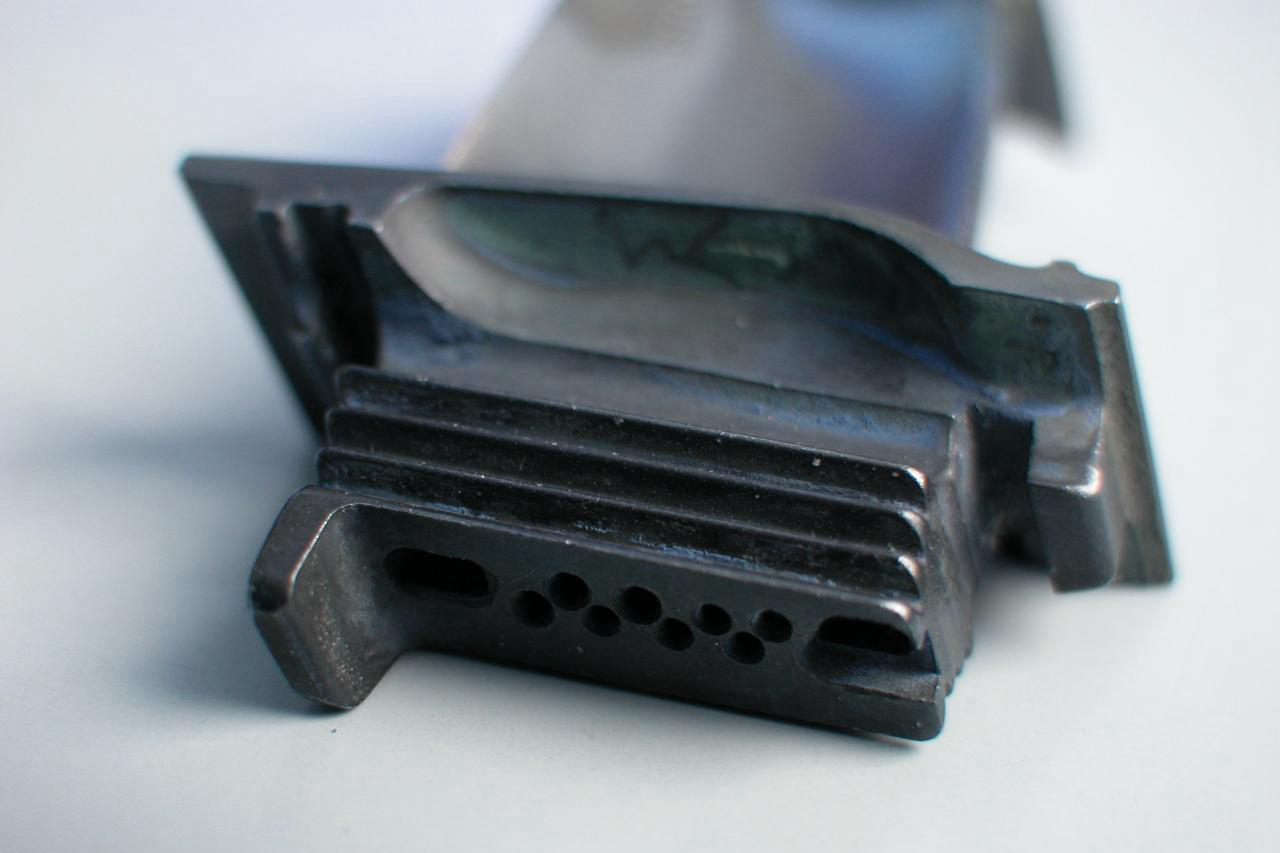
सुपरलॉय वेल्डिंग का महत्व
सुपरलॉय वेल्डिंग उच्च तापमान वाले घटकों के निर्माण और मरम्मत दोनों में एक आवश्यक प्रक्रिया है। सुपरलॉय जैसे इनकोनेल, हेस्टेलॉय, और मोनेल तापीय क्षरण, ऑक्सीकरण और संक्षारण के प्रति उत्कृष्ट प्रतिरोध प्रदान करते हैं, जिससे वे चरम अनुप्रयोगों के लिए आदर्श बन जाते हैं। इन सामग्रियों की वेल्डिंग के लिए विशेष तकनीकों की आवश्यकता होती है ताकि उनकी अखंडता और गुणों को बनाए रखा जा सके जो इन मिश्र धातुओं को इतनी मांग वाली स्थितियों में काम करने की अनुमति देते हैं। यह सुनिश्चित करना कि घटक उच्च तापमान वाले वातावरण का सामना कर सकें, एयरोस्पेस और पावर जनरेशन उद्योगों के लिए महत्वपूर्ण है। वेल्डिंग न केवल विनिर्माण में सहायता करती है बल्कि प्रभावी मरम्मत को सक्षम बनाकर घटकों के जीवनकाल को भी बढ़ाती है।
सुपरलॉय वेल्डिंग क्या है?
परिभाषा और दायरा
सुपरलॉय वेल्डिंग से तात्पर्य विशेष वेल्डिंग तकनीकों के माध्यम से सुपरलॉय सामग्रियों (जैसे इनकोनेल, हेस्टेलॉय, मोनेल, स्टेललाइट, और अन्य उच्च प्रदर्शन वाले मिश्र धातु) को जोड़ने से है। ये मिश्र धातु उच्च तापमान पर उच्च ताकत, ऑक्सीकरण प्रतिरोध और संक्षारण प्रतिरोध बनाए रखने की अपनी क्षमता के लिए जानी जाती हैं। उनकी जटिलता के कारण, सुपरलॉय की वेल्डिंग के लिए उनके अंतर्निहित गुणों, जैसे उच्च तापमान ताकत और ऑक्सीकरण प्रतिरोध, को नुकसान पहुंचाने से बचने के लिए परिशुद्धता और सावधानीपूर्वक नियंत्रण की आवश्यकता होती है।
वेल्डिंग तकनीकों के प्रकार
हम न्यूवे एरोटेक में इन उच्च प्रदर्शन वाली सामग्रियों के साथ काम करने के लिए विभिन्न वेल्डिंग तकनीकों का उपयोग करते हैं। सामान्य विधियों में शामिल हैं:
टंगस्टन इनर्ट गैस (TIG) वेल्डिंग पतले खंडों और जटिल ज्यामितियों के लिए उच्च परिशुद्धता प्रदान करती है, जिससे यह एयरोस्पेस और टर्बाइन अनुप्रयोगों में उपयोग किए जाने वाले सुपरलॉय के लिए आदर्श हो जाती है।
मेटल इनर्ट गैस (MIG) वेल्डिंग मोटी सामग्रियों के लिए सबसे उपयुक्त है, क्योंकि यह एक स्थिर आर्क और उच्च वेल्ड गति सुनिश्चित करती है, इस प्रकार टर्बाइन ब्लेड जैसे घटकों को ताकत और टिकाऊपन प्रदान करती है।
लेजर वेल्डिंग: यह विधि अत्यंत जटिल वेल्ड के लिए आदर्श है जिन्हें न्यूनतम ऊष्मा इनपुट की आवश्यकता होती है, क्योंकि यह विरूपण को कम करती है और महत्वपूर्ण क्षेत्रों में सामग्री के गुणों को संरक्षित रखती है, विशेष रूप से जटिल सुपरलॉय पुर्जों में।
प्रत्येक वेल्डिंग तकनीक का चयन सामग्री और उत्पादित किए जा रहे पुर्जे की विशिष्ट आवश्यकताओं के आधार पर सावधानीपूर्वक किया जाता है।
उच्च तापमान उद्योगों में अनुप्रयोग
सुपरलॉय वेल्डिंग का उपयोग व्यापक उद्योगों में किया जाता है। निम्नलिखित कुछ महत्वपूर्ण अनुप्रयोग हैं:
टर्बाइन ब्लेड: जेट इंजन और गैस टर्बाइन में टर्बाइन ब्लेड की मरम्मत या विनिर्माण में सुपरलॉय वेल्डिंग आवश्यक है।
दहन कक्ष: इन घटकों को चरम गर्मी और दबाव का प्रतिरोध करना चाहिए, जिससे एयरोस्पेस इंजनों में दीर्घायु और टिकाऊपन सुनिश्चित करने के लिए वेल्डिंग आवश्यक हो जाती है।
हीट एक्सचेंजर: पावर जनरेशन जैसे उद्योगों में उपयोग होने वाली ये प्रणालियां मांग वाले वातावरण में उच्च तापमान का सामना करने वाले तंग, उच्च प्रदर्शन वाले जोड़ बनाने के लिए वेल्डिंग की आवश्यकता होती है।
निकास प्रणालियां: सुपरलॉय एयरोस्पेस और औद्योगिक अनुप्रयोगों दोनों में निकास पुर्जों का निर्माण करते हैं, जिसके लिए निकास प्रणालियों में गंभीर तापमान भिन्नताओं को संभालने के लिए वेल्डिंग की आवश्यकता होती है।
उच्च तापमान वाले पुर्जों के लिए सुपरलॉय वेल्डिंग के शीर्ष लाभ
उत्कृष्ट यांत्रिक ताकत और संरचनात्मक अखंडता
चरम स्थितियों में ताकत सुनिश्चित करता है
सुपरलॉय वेल्डिंग का सबसे महत्वपूर्ण लाभों में से एक चरम तापमान और दबाव के تحت पुर्जों की यांत्रिक ताकत को बढ़ाने की इसकी क्षमता है। सुपरलॉय को जेट इंजन और गैस टर्बाइन में पाई जाने वाली सबसे चरम स्थितियों में भी अपनी ताकत बनाए रखने के लिए डिज़ाइन किया गया है। वेल्डिंग के माध्यम से, घटकों की अखंडता को बनाए रखा जा सकता है या حتی कि बेहतर बनाया जा सकता है, जिससे वे लंबी अवधि तक विश्वसनीय रूप से प्रदर्शन कर सकते हैं। सुपरलॉय वेल्डिंग तकनीकें यह सुनिश्चित करती हैं कि टर्बाइन ब्लेड जैसे घटक उच्च दबाव, उच्च तापमान वाले अनुप्रयोगों में ताकत बनाए रखें।
द्रारण और थकान को रोकता है
उच्च तापमान वाला वातावरण धातुओं में तापीय थकान और दरारें पैदा कर सकता है। जब ठीक से किया जाता है, तो सुपरलॉय वेल्डिंग तकनीकें इन समस्याओं के जोखिम को काफी कम कर देती हैं। नियंत्रित ऊष्मा इनपुट और वेल्ड के बाद ऊष्मा उपचार (PWHT) लागू करके, न्यूवे एरोटेक यह सुनिश्चित करता है कि वेल्डेड पुर्जे अपनी थकान प्रतिरोधकता बनाए रखें, जो चक्रीय तनाव के अधीन घटकों, जैसे टर्बाइन ब्लेड के लिए महत्वपूर्ण है।
उच्च प्रदर्शन वाले घटकों का अनुकूलन और मरम्मत
क्षतिग्रस्त पुर्जों की मरम्मत
सुपरलॉय वेल्डिंग क्षतिग्रस्त पुर्जों की मरम्मत को सक्षम बनाती है, पूर्ण प्रतिस्थापन की आवश्यकता के बिना महत्वपूर्ण घटकों के जीवनकाल को बढ़ाती है। उदाहरण के लिए, उच्च गति वाले संचालन के कारण घिसे हुए या दरार वाले टर्बाइन ब्लेड को वेल्डिंग का उपयोग करके मरम्मत की जा सकती है, जिससे न्यूनतम डाउनटाइम और कम रखरखाव लागत सुनिश्चित होती है। यह दृष्टिकोण उद्योगों को महंगे प्रतिस्थापन पुर्जों और डाउनटाइम से बचने में मदद करता है, इस प्रकार समग्र परिचालन दक्षता को बढ़ाता है। सुपरलॉय वेल्डिंग एयरोस्पेस जैसे महत्वपूर्ण क्षेत्रों में महत्वपूर्ण घटकों की मरम्मत के लिए लचीलापन प्रदान करती है।
जटिल ज्यामितियों के लिए अनुकूलन
उच्च प्रदर्शन वाले अनुप्रयोगों में अक्सर जटिल आकार या विशिष्ट डिज़ाइन सुविधाओं वाले घटकों की आवश्यकता होती है। सुपरलॉय वेल्डिंग उन जटिल ज्यामितियों वाले पुर्जों को उत्पादित या मरम्मत करने के लिए आवश्यक लचीलापन प्रदान करती है जिन्हें पारंपरिक विनिर्माण विधियों का उपयोग करके प्राप्त करना अन्यथा चुनौतीपूर्ण या असंभव होगा। यह अनुकूलन क्षमता विशेष रूप से एयरोस्पेस जैसे उद्योगों में महत्वपूर्ण है, जहां दहन कक्ष और टर्बाइन ब्लेड जैसे घटकों को अक्सर विशिष्ट आयामी और प्रदर्शन आवश्यकताओं को पूरा करने की आवश्यकता होती है।
सामग्री के गुणों का संरक्षण
ऊष्मा-प्रभावित क्षेत्रों (HAZ) को कम करना
सुपरलॉय की वेल्डिंग करते समय, एक चुनौती आसपास की सामग्री पर ऊष्मा के प्रभाव को कम करना है, विशेष रूप से ऊष्मा-प्रभावित क्षेत्र (HAZ) में। यह क्षेत्र सूक्ष्म संरचना में परिवर्तन का अनुभव कर सकता है जो सामग्री के गुणों को खराब कर सकता है। न्यूवे एरोटेक इन प्रभावों को कम करने के लिए नियंत्रित ऊष्मा इनपुट और वेल्ड के बाद ऊष्मा उपचार का उपयोग करता है, यह सुनिश्चित करते हुए कि सामग्री अपनी मूल ताकत, थकान प्रतिरोध और तापमान स्थिरता बनाए रखे। HAZ को कम करना उच्च तापमान प्रदर्शन को संरक्षित करने और सुपरलॉय घटकों में सुसंगत सामग्री गुणों को सुनिश्चित करने के लिए महत्वपूर्ण है।
मिश्र धातु अखंडता बनाए रखना
सुपरलॉय वेल्डिंग मिश्र धातुओं की रासायनिक संरचना और अखंडता को बनाए रखने में भी मदद करती है। वेल्डिंग प्रक्रिया को सावधानीपूर्वक नियंत्रित किया जाता है ताकि यह सुनिश्चित किया जा सके कि मिश्र धातु के मौलिक गुण बरकरार रहें, जिसमें ऑक्सीकरण, विसर्पण और तापीय चक्रण के प्रति इसका प्रतिरोध शामिल है। यह उच्च तापमान वाले वातावरण में अनुप्रयोगों के लिए महत्वपूर्ण है, जहां सामग्री संरचना में थोड़ा सा भी परिवर्तन विफलता का कारण बन सकता है। सामग्री अखंडता को सुनिश्चित करना यह सुनिश्चित करने के लिए महत्वपूर्ण है कि सुपरलॉय घटक चरम परिचालन तनाव का सामना कर सकें।
घटक जीवनकाल में वृद्धि
सामग्री क्षरण की रोकथाम
सुपरलॉय का चयन संक्षारण, ऑक्सीकरण और तापीय क्षति के प्रति उनके असाधारण प्रतिरोध के लिए किया जाता है, लेकिन कठोर परिचालन स्थितियों के कारण समय के साथ ये उन्नत सामग्रियां भी क्षयित हो सकती हैं। सुपरलॉय वेल्डिंग यह सुनिश्चित करके ऐसे क्षरण को रोकने में महत्वपूर्ण भूमिका निभाती है कि वेल्डेड जोड़ मजबूत, अच्छी तरह से सील किए गए और हॉट क्रैकिंग और ऑक्सीकरण जैसी विफलता तंत्रों के प्रति प्रतिरोधी हों। यह टर्बाइन ब्लेड जैसे उच्च तापमान वाले घटकों के लिए विशेष रूप से महत्वपूर्ण है जो चरम तापीय तनाव और पर्यावरणीय चुनौतियों के संपर्क में आते हैं। उचित वेल्डिंग तकनीकें सामग्री को मजबूत करती हैं, जिससे इसकी संरचनात्मक अखंडता को संरक्षित रखने और समय से पहले विफलता से बचाने में मदद मिलती है, इसके उपयोगी जीवन को बढ़ाते हुए।
दीर्घकालिक टिकाऊपन
सुपरलॉय घटकों की वेल्डिंग यह सुनिश्चित करती है कि वे एयरोस्पेस और पावर जनरेशन उद्योगों में आमतौर पर सामने आने वाली मांग वाली स्थितियों को सहन कर सकें। वेल्डिंग प्रक्रिया के सावधानीपूर्वक नियंत्रण के साथ, सुपरलॉय के अंतर्निहित गुण, включая विसर्पण प्रतिरोध और उच्च तापमान स्थिरता, संरक्षित रहते हैं। यह दहन कक्ष और टर्बाइन डिस्क जैसे घटकों की टिकाऊपन को बढ़ाने में मदद करता है, जहां पुर्जा प्रतिस्थापन महंगा और व्यवधानकारी हो सकता है। यह सुनिश्चित करके कि पुर्जे लंबी अवधि तक ठोस और विश्वसनीय बने रहें, सुपरलॉय वेल्डिंग घटक प्रतिस्थापन की आवृत्ति को कम करती है, इस प्रकार उच्च प्रदर्शन वाले उद्योगों में परिचालन दक्षता और सुरक्षा को बढ़ाती है।
कम रखरखाव लागत और डाउनटाइम
कुशल मरम्मत
सुपरलॉय वेल्डिंग उच्च तापमान वाले घटकों की मरम्मत के लिए एक लागत प्रभावी समाधान है, जो उद्योगों को महंगे कुल प्रतिस्थापन की आवश्यकता से बचने में सक्षम बनाता है। पुर्जों को पूरी तरह से फेंकने के बजाय, वेल्डिंग का उपयोग क्षतिग्रस्त घटकों को बहाल करने के लिए किया जा सकता है, जिससे अपशिष्ट कम होता है और उनकी सेवा जीवन बढ़ती है। यह गैस टर्बाइन ब्लेड जैसे महंगे पुर्जों के लिए आवश्यक है, जिन्हें कार्यक्षमता से समझौता किए बिना सावधानीपूर्वक मरम्मत की आवश्यकता होती है। इन घटकों की कुशलतापूर्वक मरम्मत पुर्जा प्रतिस्थापन की लागत को काफी कम करती है और सिस्टम प्रदर्शन को बनाए रखने में मदद करती है।
कम किया गया डाउनटाइम
डाउनटाइम को कम करना पावर जनरेशन और एयरोस्पेस जैसे उद्योगों में महत्वपूर्ण है, जहां निरंतर संचालन महत्वपूर्ण है। सुपरलॉय वेल्डिंग एक त्वरित और प्रभावी मरम्मत समाधान प्रदान करती है, जो अक्सर पूरी तरह से नए घटकों के विनिर्माण की गति से अधिक होती है। क्षतिग्रस्त घटकों को तेजी से बहाल करने की यह क्षमता परिचालन प्रक्रियाओं को शीघ्रता से फिर से शुरू करने में सक्षम बनाती है, इस प्रकार उत्पादन रुकावट या इंजन डाउनटाइम से जुड़ी लागतों को कम करती है। सुपरलॉय वेल्डिंग उद्योगों को उच्च उपलब्धता और परिचालन निरंतरता बनाए रखने में सक्षम बनाती है, जो 24/7 प्रदर्शन पर निर्भर क्षेत्रों के लिए महत्वपूर्ण है।
उच्च तापमान वाले मिश्र धातुओं की वेल्डिंग में बहुमुखी प्रतिभा
सामग्रियों की विस्तृत श्रृंखला
सुपरलॉय वेल्डिंग बहुमुखी और अनुकूलनीय है, जो इनकोनेल, CMSX, मोनेल, हेस्टेलॉय, और स्टेललाइट सहित विभिन्न उच्च प्रदर्शन वाले मिश्र धातुओं के साथ काम करने में सक्षम है। प्रत्येक मिश्र धातु अद्वितीय गुण प्रदान करती है, जिसमें उत्कृष्ट ऑक्सीकरण प्रतिरोध, तापीय थकान प्रतिरोध, और उच्च तापमान पर बढ़ी हुई ताकत शामिल है। विविध सामग्रियों की वेल्डिंग में न्यूवे एरोटेक की विशेषज्ञता कंपनी को एयरोस्पेस, पावर जनरेशन और रासायनिक प्रसंस्करण सहित विभिन्न उद्योगों में विश्वसनीय, उच्च गुणवत्ता वाले समाधान प्रदान करने में सक्षम बनाती है।
विभिन्न अनुप्रयोगों के लिए अनुकूलन
सुपरलॉय वेल्डिंग की अनुकूलनीयता इसे घटकों की विस्तृत श्रृंखला के विनिर्माण और मरम्मत के लिए एक महत्वपूर्ण प्रक्रिया बनाती है। चाहे वह टर्बाइन ब्लेड हों, एयरोस्पेस घटक हों, या हीट एक्सचेंजर हों, वेल्डिंग तकनीकों को विशिष्ट आवश्यकताओं को पूरा करने के लिए अनुकूलित किया जा सकता है, यह सुनिश्चित करते हुए कि पुर्जे चरम परिचालन स्थितियों का सामना कर सकें। यह बहुमुखी प्रतिभा उच्च तापमान आवश्यकताओं वाले उद्योगों का समर्थन करने के लिए महत्वपूर्ण है, जो सबसे मांग वाले वातावरण में इष्टतम प्रदर्शन और विश्वसनीयता सुनिश्चित करने वाले कस्टम समाधान प्रदान करती है। विभिन्न मिश्र धातुओं और अनुप्रयोगों के अनुकूल होने की सुपरलॉय वेल्डिंग की क्षमता यह सुनिश्चित करती है कि न्यूवे एरोटेक की सेवाएं एयरोस्पेस, ऊर्जा और रासायनिक प्रसंस्करण जैसे महत्वपूर्ण उद्योगों में अग्रणी बनी रहें।
अक्सर पूछे जाने वाले प्रश्न (FAQs)
सुपरलॉय के लिए TIG और MIG वेल्डिंग के बीच मुख्य अंतर क्या हैं?
वेल्डिंग सुपरलॉय टर्बाइन ब्लेड के प्रदर्शन को कैसे प्रभावित करती है?
क्या न्यूवे एरोटेक उन उच्च तापमान वाले पुर्जों की मरम्मत कर सकता है जो वर्षों से उपयोग में हैं?
सुपरलॉय की वेल्डिंग में क्या चुनौतियां मौजूद हैं, और न्यूवे उन्हें कैसे दूर करता है?
PWHT वेल्डेड सुपरलॉय घटकों के प्रदर्शन में कैसे सुधार करता है?
