Aerospace-Grade Metal Furnace Assemblies Manufacturer
A furnace-assembly RFQ should define the heat zone, load support, atmosphere exposure, and replaceable component boundary before a supplier selects the alloy route. Furnace assemblies can include trays, baskets, fixtures, support rails, retorts, shields, radiant-tube details, burner-adjacent brackets, pins, spacers, doorside hardware, and sample carriers. Some parts carry load at temperature. Others protect a surface, guide product, or locate thermocouples. Each role creates a different manufacturing and inspection problem.
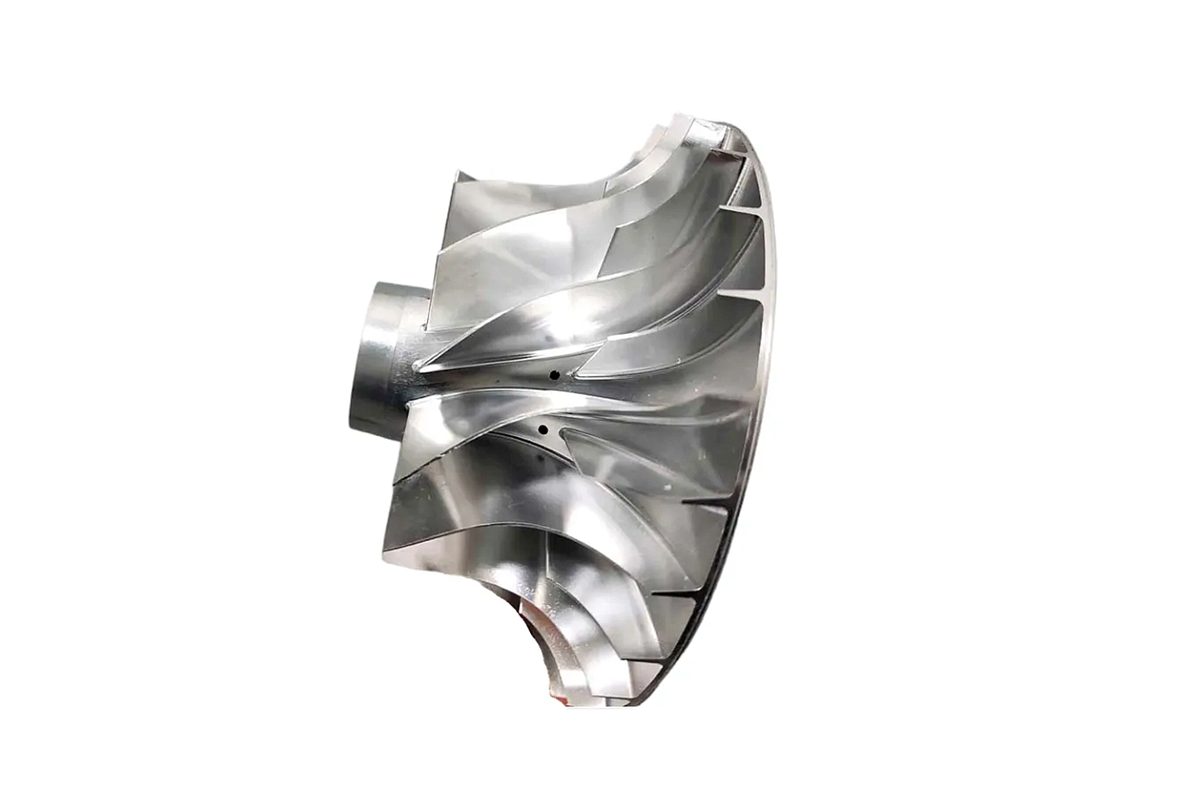
NewayAeroTech supports high-temperature furnace components through vacuum investment casting, special alloy casting, precision forging review, powder metallurgy review where suitable, CNC machining, heat treatment, post-process work, and material testing. A useful RFQ separates casting blanks, forged details, machined supports, finished furnace accessories, and sample-based replacement parts.
Define heat zone, load, and furnace atmosphere before quoting
The first review should identify where the component operates inside the furnace. A tray or basket may carry weight while exposed to repeated heat cycles. A rail or support may guide movement and resist creep. A shield may face radiant heat and oxidation. A retort or tube detail may see atmosphere exposure and sealing requirements. A thermocouple bracket may need stable position rather than heavy load capacity. These details should be stated before alloy selection.
Buyers should provide operating temperature, normal and peak exposure, atmosphere type, cycle frequency, load direction, contact with workpieces, and whether carburizing, oxidation, vacuum, inert gas, or corrosive residue is present. If the full process cannot be shared, the buyer should at least describe the damage mode: warping, cracking, scaling, sagging, wear, or fixture distortion.
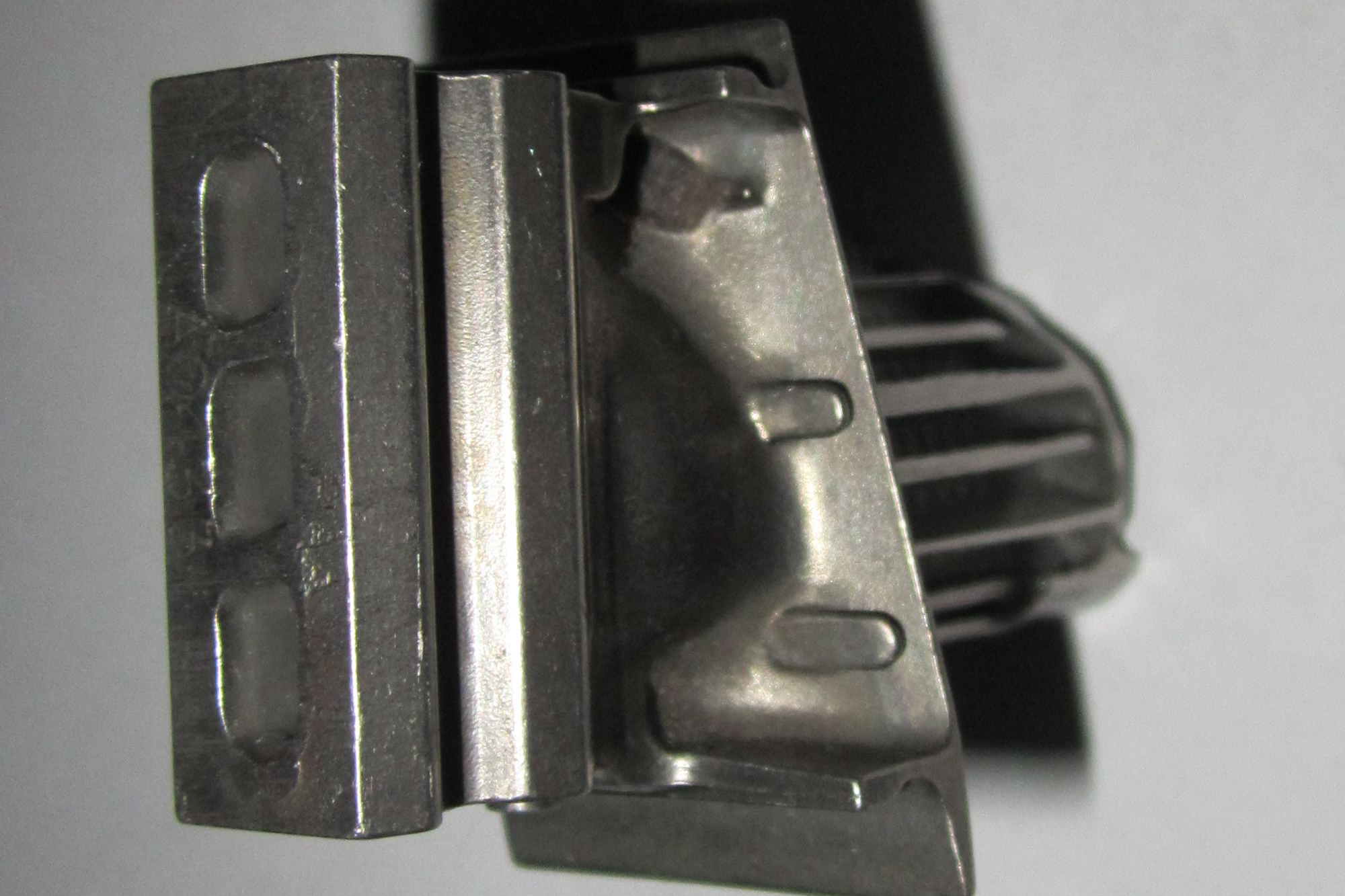
Used furnace parts can be difficult references. They may be warped, oxidized, cracked, carburized, or thinned after service. The sample can help identify geometry and failure mode, but acceptance should be based on drawings, agreed reconstruction notes, or first-article review.
Select alloy by temperature cycle and fixture duty
Superalloys are used in furnace assemblies when high temperature, oxidation, creep resistance, and dimensional stability are central. Inconel alloy casting may be reviewed for hot fixture and support components. Hastelloy alloy casting may be reviewed if corrosive atmosphere or chemical exposure is involved. Other nickel, cobalt, or stainless heat-resistant alloys may fit different duty levels.
The material should match the part's function. A load-bearing tray needs resistance to sagging and distortion. A shield needs oxidation behavior and stable shape. A support pin needs wear and fit. A retort detail needs atmosphere compatibility and sealing features. A bracket may need machinable holes and stable alignment. The buyer should explain the failure mode or design concern so the supplier can avoid a generic high-temperature alloy recommendation.
Material changes should be reviewed with mating parts and furnace process conditions. A stronger or more oxidation-resistant alloy can still change thermal expansion, fixture weight, or weld behavior. The buyer should define who owns the design decision and what validation is required after the first article.
Choose casting for complex furnace hardware and machining for simple interfaces
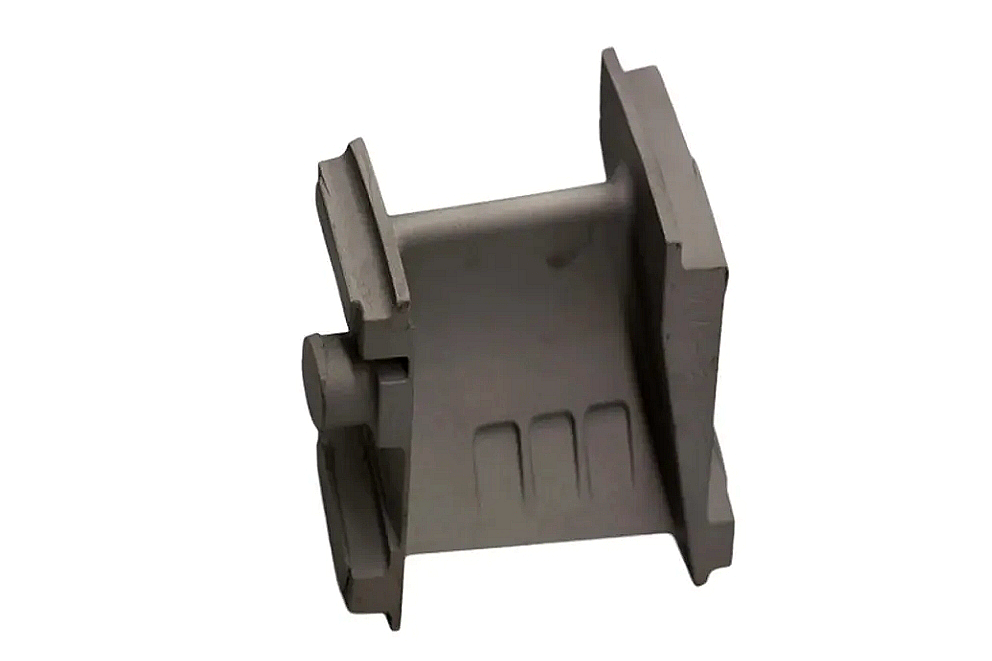
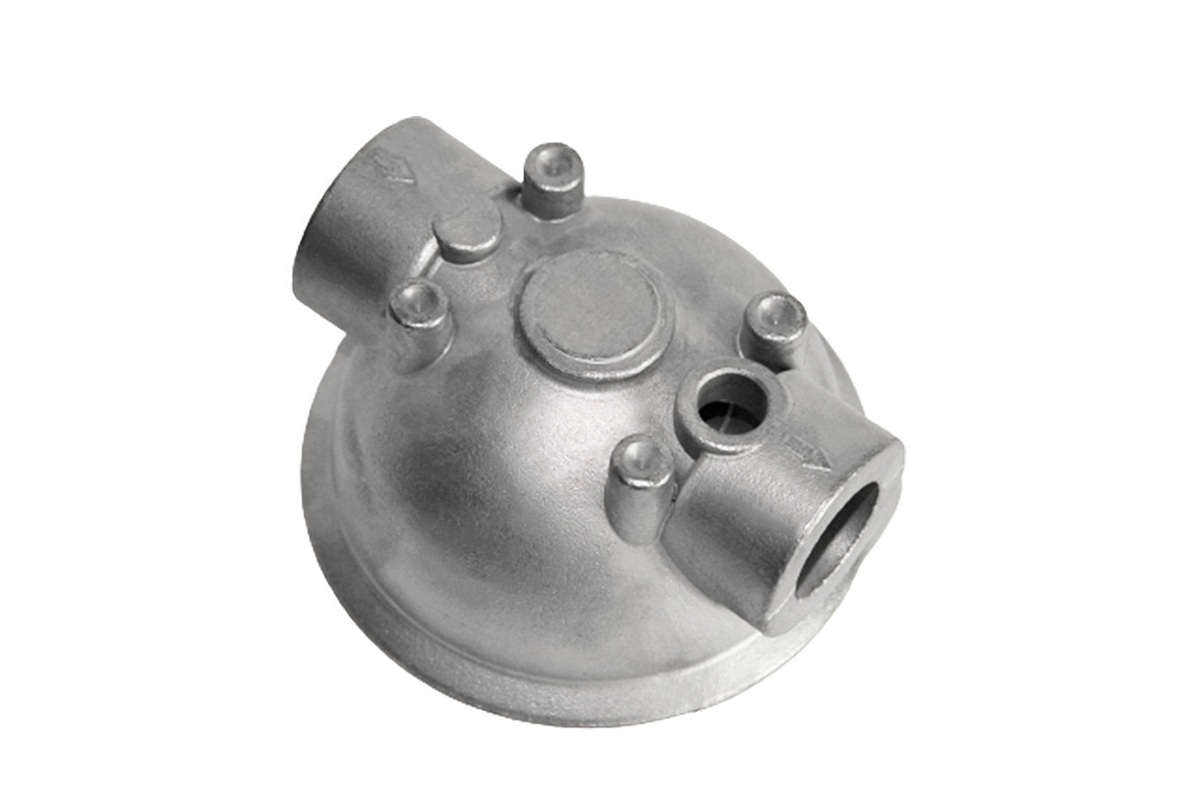
Vacuum investment casting can support furnace brackets, carriers, shield supports, burner-adjacent features, and irregular components with integral lugs or ribs. A casting can reduce material waste and create near-net features while leaving stock on mounting faces and holes. It also requires tooling, gating review, shrinkage control, surface cleanup, and first-article measurement.
Machining may be better for simple pins, spacers, blocks, rails, and sleeves. Superalloy CNC machining controls holes, slots, flatness, threads, and contact surfaces. Superalloy precision forging may be reviewed for parts that benefit from deformation processing. Powder metallurgy should be discussed only when the component and material route justify it.
Route choice should follow geometry and quantity. A one-off replacement bracket may be machined. A recurring complex tray corner or carrier detail may justify casting. A high-load support detail may require forging review. The supplier response should explain the route rather than list every process as available.
Control distortion, stock allowance, and contact surfaces
Furnace components often fail when they move at temperature. Long rails can bow. Thin shields can warp. Trays can sag. Holes can shift after heat exposure. The RFQ should mark load-bearing surfaces, contact pads, hole patterns, and surfaces that must remain flat or aligned. These features decide whether the part installs and functions in the furnace.
Machining stock should be planned around final interfaces. Cast or forged parts may need stock on holes, pads, slots, and mating faces. Too little stock can leave scale or casting variation on a functional surface. Too much stock can increase distortion or cost. If heat treatment is used, finish machining may need to happen after thermal processing on critical surfaces.
Post-process work should protect contact surfaces and remove residues that could affect furnace operation. Cleaning, blasting, polishing, deburring, and packaging should be tied to the actual component function.
Sequence heat treatment and inspection around service surfaces
Heat treatment should be selected by alloy and route. Some furnace components may need thermal processing before finish machining. Others may need stress relief or controlled handling after welding or forming. The RFQ should state which dimensions are accepted after all process steps, not only after rough manufacturing.
Material testing and analysis may include chemistry, dimensional reports, visual inspection, penetrant inspection, radiographic review where agreed, hardness checks where required, and surface condition review. For furnace hardware, straightness, flatness, hole position, and visible oxidation or cracking evidence may be more useful than a generic report list.
For heavy cast furnace parts, HIP may be reviewed only if internal soundness is a concern and the alloy/geometry support it. The process should be tied to inspection evidence and final machining sequence.
Clarify material changes, furnace atmosphere, and delivery condition
Furnace assembly RFQs often begin when an existing tray, retort detail, shield, or support has sagged, scaled, cracked, or become difficult to source. If the buyer wants to change material, the RFQ should state who owns that decision and what validation will follow. NewayAeroTech can advise on casting, machining, forging, heat treatment, and inspection evidence, but the buyer should define furnace-process approval requirements unless a separate engineering scope is agreed.
Furnace atmosphere should be treated as a manufacturing input. Vacuum, inert gas, oxidizing atmosphere, carburizing conditions, and residue from workpieces can all change material and surface decisions. If the buyer cannot share complete process details, it should describe observed damage and the required delivery condition. That information helps the supplier choose a practical alloy route rather than guessing from temperature alone.
Delivery condition should also be explicit. A rough casting, cleaned casting, machined support, assembled fixture detail, or part with inspection records and protected packaging are different scopes. The quote should identify which condition is included so the buyer can compare suppliers fairly.
Use first articles to confirm distortion and load-support assumptions
A first article should verify the route for the exact furnace component. For a cast support or tray detail, it should check stock, surface condition, hole position, and any heavy-section soundness review. For a machined rail or spacer, it should check flatness, straightness, holes, and edge condition. For a forged detail, it should confirm final geometry and inspection evidence agreed in the RFQ.
Small-batch furnace components need revision control. If the buyer changes load, temperature, or furnace atmosphere after first article review, the supplier should revisit material and route assumptions. If a used sample is involved, warping and oxidation should be recorded before acceptance. These records protect repeat orders from copying damaged geometry. The first-article report should also state whether any machining allowance, heat-treatment sequence, or packaging requirement changed after review. If the next batch uses a different route, the buyer should approve that route before release.
Supplier scope should also be explicit. A raw casting quote is not equivalent to a finished furnace accessory with machining, cleaning, inspection reports, and protected delivery. Buyers should state the expected delivery condition before quotation.
What to send for a furnace assembly RFQ
A complete RFQ includes drawings, models, sample photos if available, operating temperature, atmosphere, cycle frequency, load, contact surfaces, material preference, quantity range, heat-treatment expectations, and inspection requirements. For aerospace and aviation, energy, or chemical-processing equipment, the furnace role and heat zone are more useful than the industry label.
The supplier response should separate material review, casting or machining route, forging or powder assumptions where relevant, stock allowance, heat-treatment sequence, post-process scope, inspection evidence, and open questions. If the quote covers one component of a larger furnace assembly, that boundary should be stated.
NewayAeroTech's value is connecting heat-resistant alloy manufacturing to furnace load, atmosphere, geometry, and inspection evidence. A clear RFQ gives both sides a controlled path from sample or drawing to small-batch furnace component supply, with fewer surprises around distortion, cleaning, records, and delivery condition before buyer batch approval and incoming inspection review records.
Related FAQs
What are the benefits of using superalloys in furnace assemblies?
How does vacuum investment casting contribute to the quality of superalloy furnace assemblies?
What role does powder metallurgy play in producing furnace components?
What are the advantages of isothermal forging for superalloy furnace parts?
How is the quality of superalloy furnace assemblies ensured through inspection processes?