What role does powder metallurgy play in producing furnace components?
Microstructural Uniformity for High-Temperature Stability
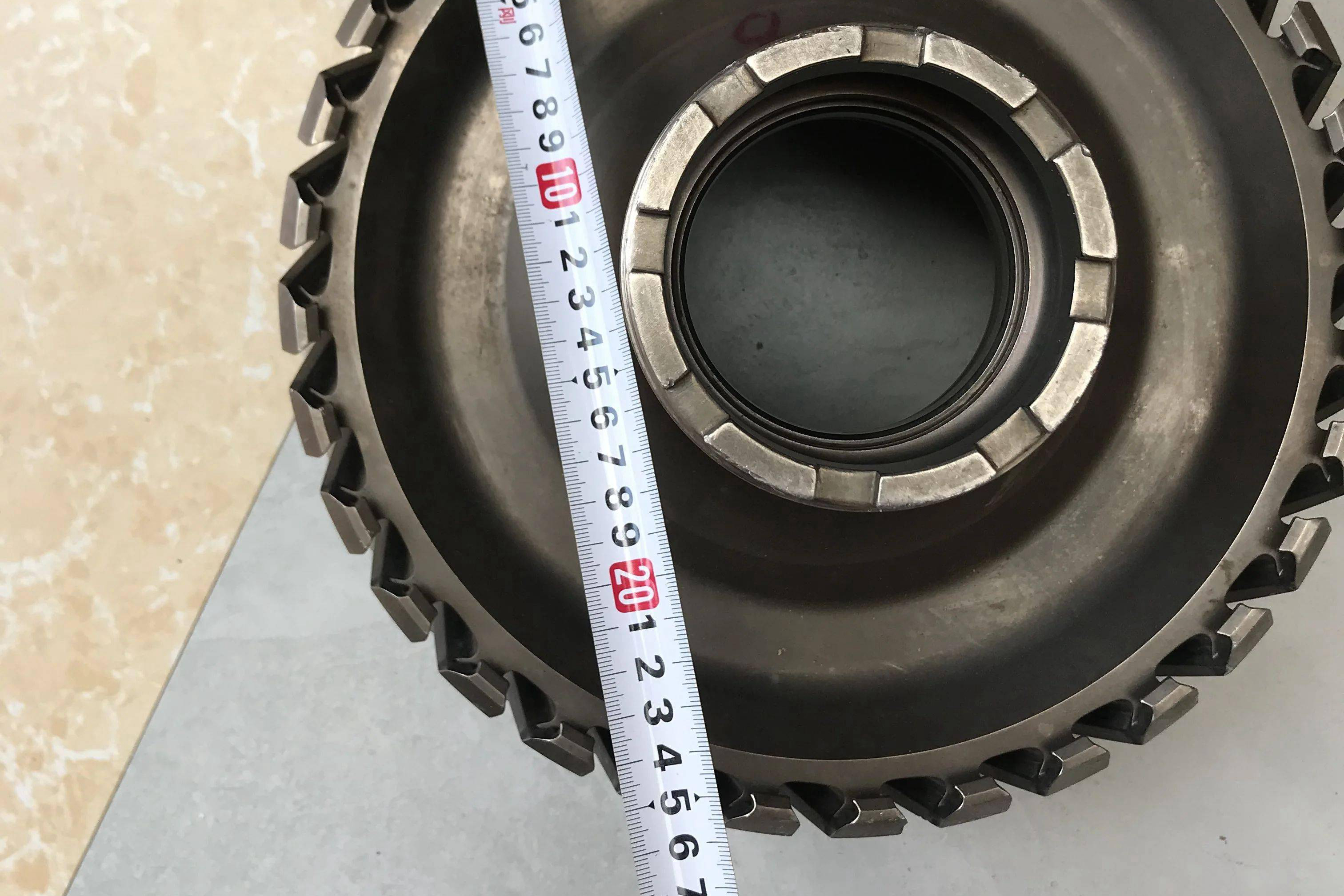
Powder metallurgy allows furnace components to be produced with highly uniform and controlled grain structures. By consolidating fine alloy powders under high pressure and temperature, segregation and casting-related defects are significantly reduced. Alloys such as FGH96 deliver superior thermal stability and creep resistance, ensuring reliable performance in combustion zones and high-heat structural supports.
Near-Net Shape and Design Flexibility
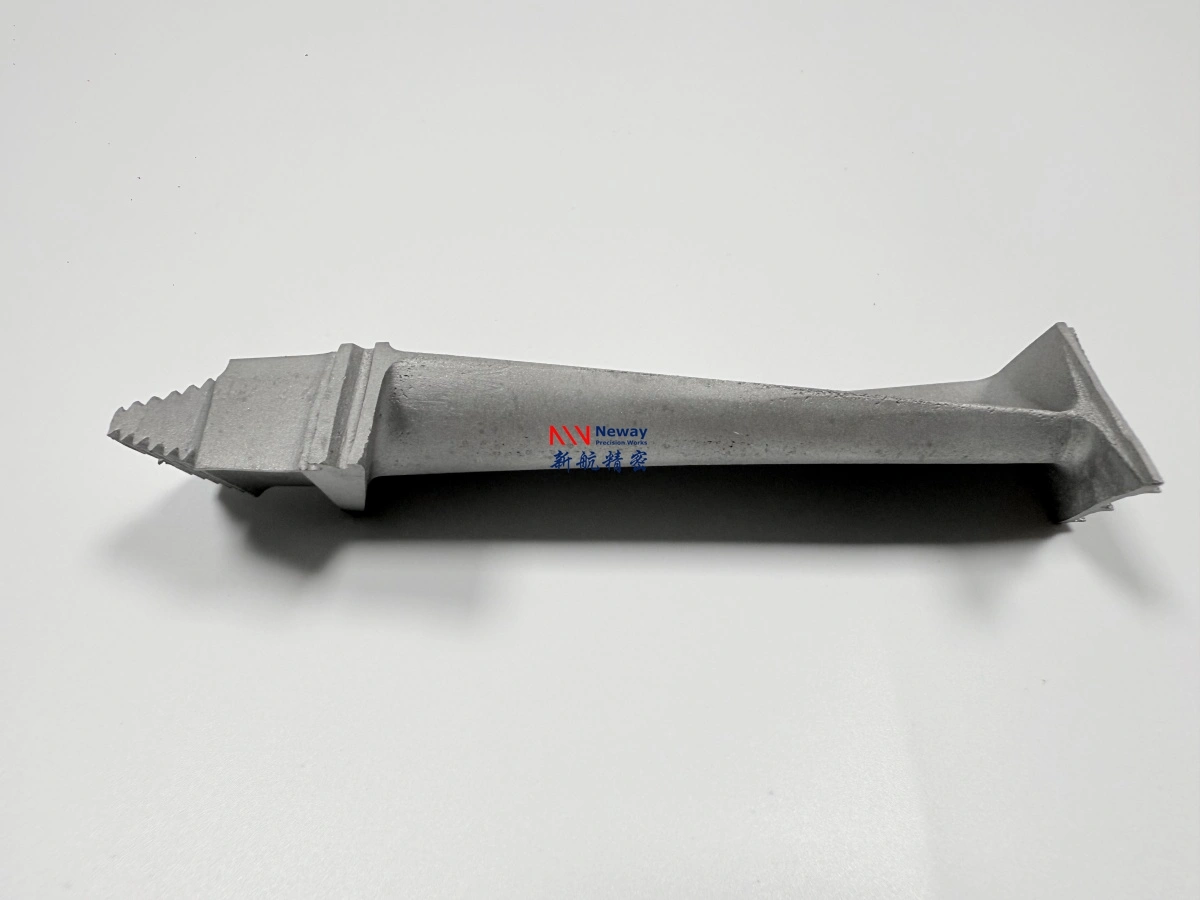
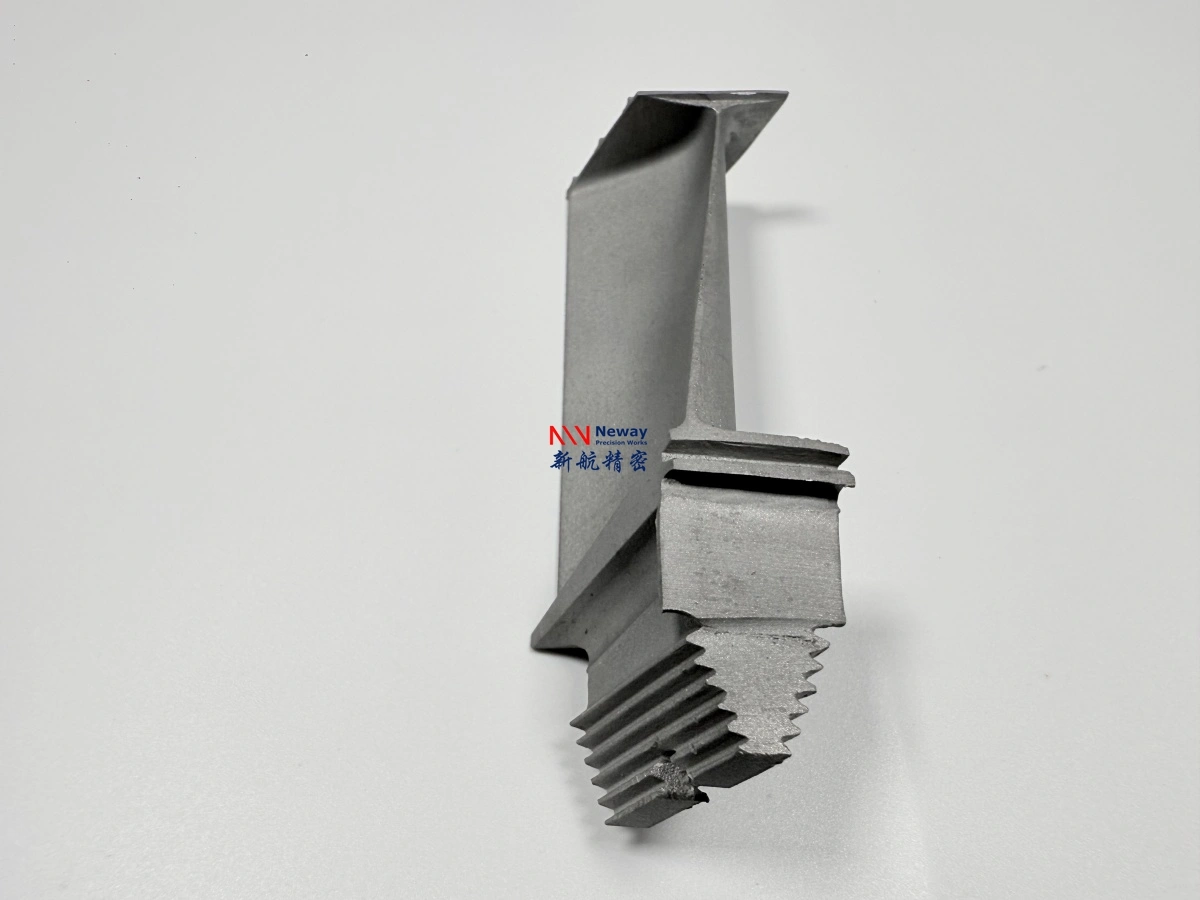
Furnace assemblies require complex designs—such as burner components, heat flow channels, and insulating structures. Powder metallurgy enables near-net shape manufacturing, reducing machining effort and allowing intricate geometries to be formed efficiently. For high-precision surfaces or sealing interfaces, finishing processes like superalloy CNC machining achieve tight tolerances and smooth surface finishes necessary for thermal efficiency.
Post-Processing for Strength and Lifecycle Enhancement
To further improve furnace component reliability, powder-based parts can be enhanced with hot isostatic pressing (HIP) to eliminate microvoids and increase fatigue resistance under fluctuating thermal loads. Follow-up superalloy heat treatment stabilizes phase composition and aids oxidation resistance, supporting long service life in harsh furnace conditions.
Reliability in Demanding Industrial Environments
Applications in power generation, marine, and chemical processing require furnace parts to resist thermal shock, oxidation, and corrosive media. Powder metallurgy enables batch consistency and quality traceability, increasing safety and reducing maintenance downtime. With comprehensive material testing and analysis, powder metallurgy delivers reliable solutions for high-temperature furnace assemblies.