How is the quality of superalloy furnace assemblies ensured through inspection processes?
Material Verification and Alloy Analysis
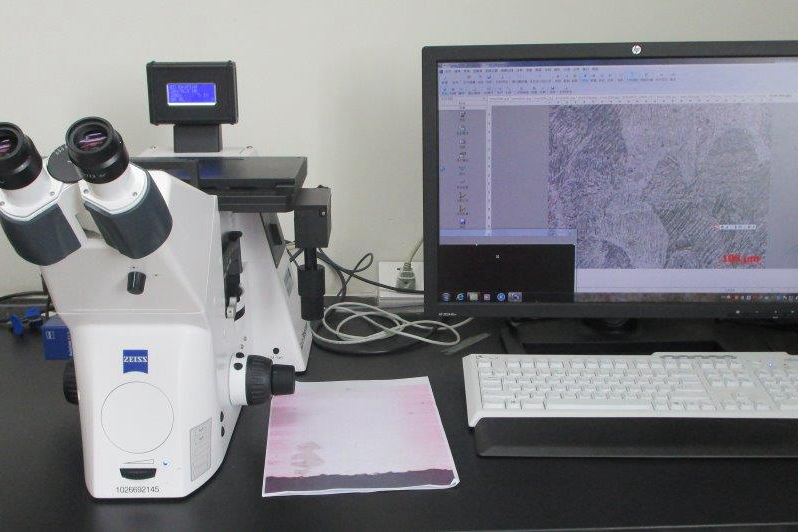
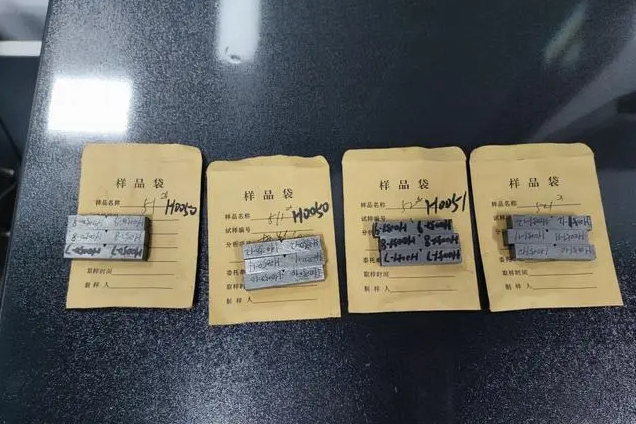
Quality control begins with confirming the chemical composition and purity of superalloys such as Inconel 738 or high-performance materials like Rene 108. These alloys must undergo chemical analysis, grain structure evaluation, and high-temperature phase stability testing through advanced material testing and analysis to confirm furnace suitability.
Non-Destructive Evaluation (NDE) Techniques
Critical furnace components—such as burner modules, manifolds, and combustion chambers—must be free of internal defects. Non-destructive inspection methods like ultrasonic testing, radiography, and eddy current scanning detect hidden imperfections without damaging the part. These methods are particularly important for components produced via vacuum investment casting or powder-based processes that require internal soundness before use.
Dimensional Verification and Machining Accuracy
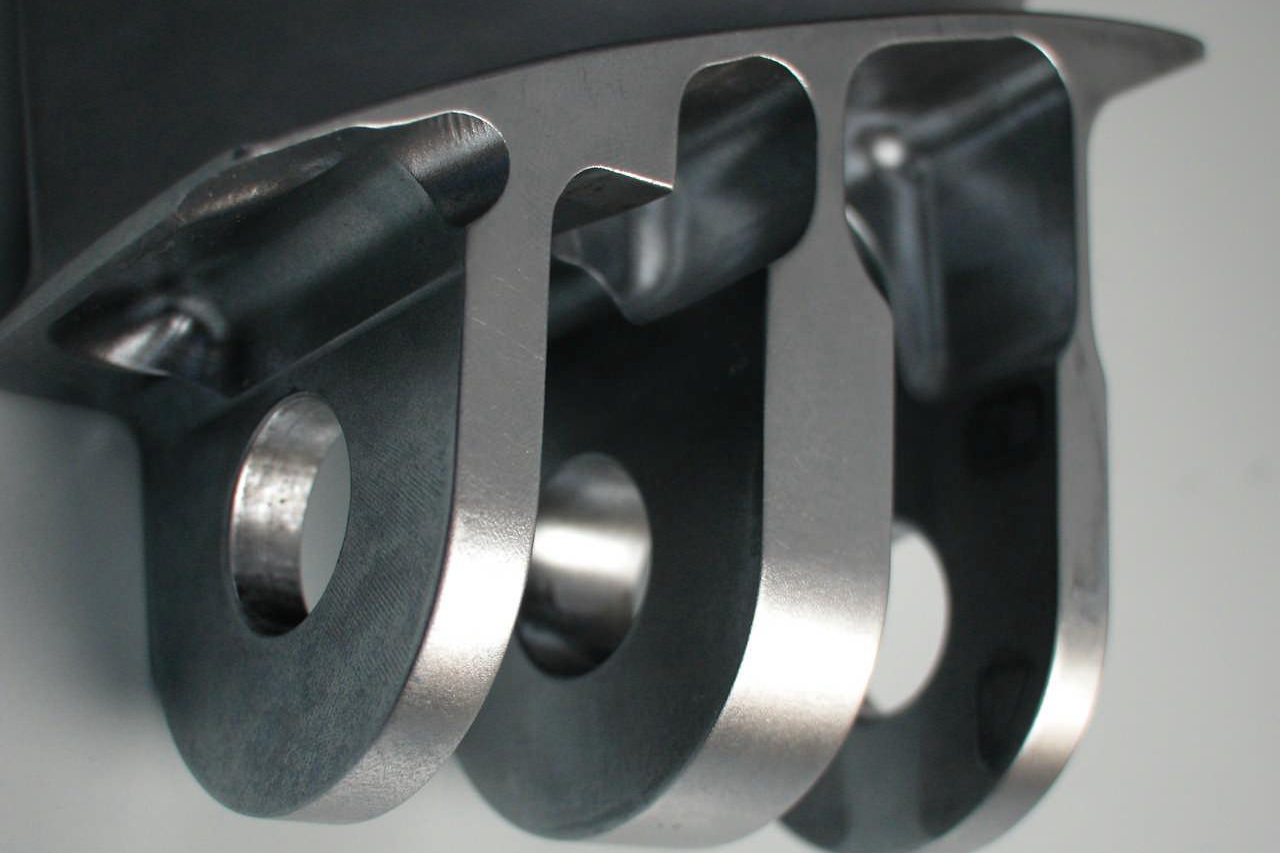
Thermal efficiency and combustion control depend on the precision of component geometries. Tools such as CMM measurement and optical scanning are used to verify dimensions and surface profiles. When manufacturing requires tight tolerances, superalloy CNC machining is validated through tolerance checks and surface quality assessment to ensure repeatable flow control performance.
Thermal and Environmental Testing
Components intended for continuous operation in high-temperature combustion environments undergo thermal cycling, oxidation resistance testing, and corrosion simulation. Environments found in power generation and harsh chemical processing applications require temperature stability validation to confirm deformation resistance and long-term durability.
Traceability and Quality Documentation
Reliability in furnace assemblies relies on full production traceability. Each manufacturing stage—from casting to machining and inspection—is documented to ensure compliance with industrial standards. Using structured inspection protocols and batch-based certification, furnace components manufactured with alloys such as Hastelloy X maintain consistent performance across production runs and enable predictive maintenance strategies.