What are the benefits of using superalloys in furnace assemblies?
High Temperature Strength and Stability
Furnace assemblies operate in continuous high-heat environments where material integrity is critical. Superalloys such as Inconel 738 and Nimonic 90 provide exceptional creep resistance and phase stability at elevated temperatures, ensuring reliable performance in combustion chambers, burner heads, and structural supports.
Oxidation and Thermal Cycling Resistance
Repeated heating and cooling cycles in furnaces can lead to oxidation, microcracking, and warping. Nickel- and cobalt-based alloys such as Stellite 20 offer strong resistance to thermal fatigue and hot corrosion. Surface treatments including thermal barrier coating (TBC) further protect furnace parts exposed to flame radiation and aggressive gas flow, improving service life and performance consistency.
Design Flexibility and Manufacturing Efficiency
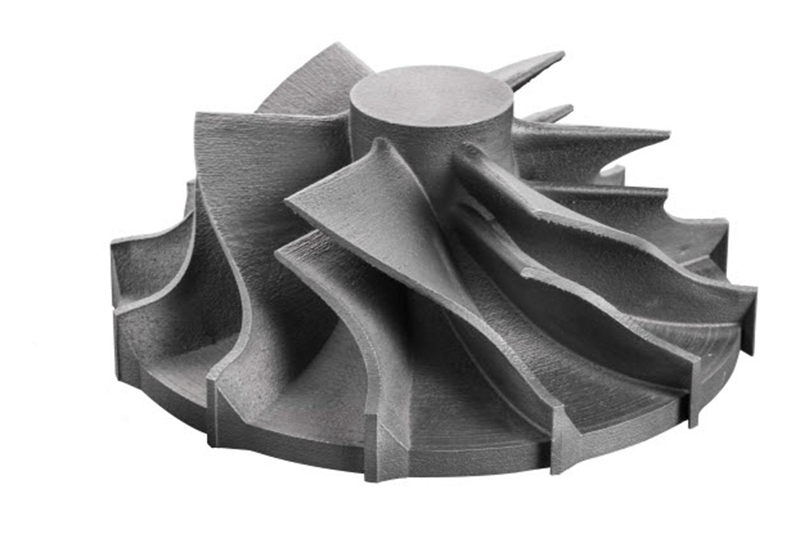
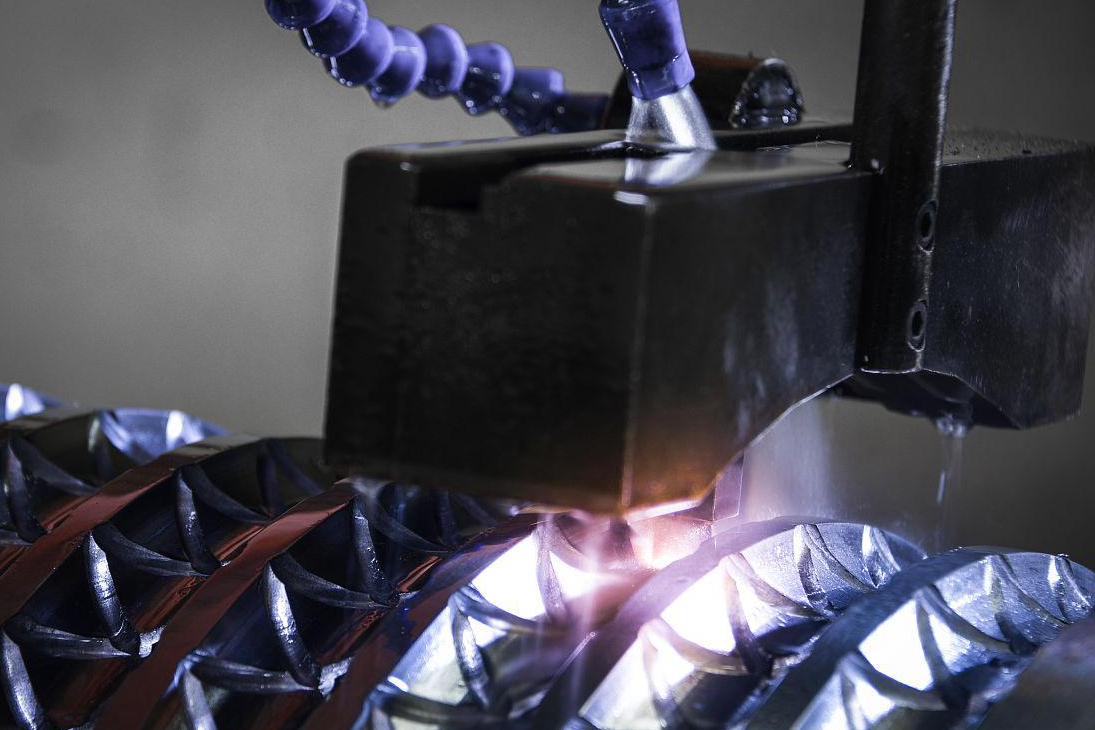
Superalloys allow engineers to design complex internal geometries for furnace systems, including burner mixing channels and flue gas flow guides. Techniques such as vacuum investment casting enable near-net shape production, while precision finishing is achieved with superalloy CNC machining. For advanced design requirements, superalloy 3d printing allows integration of lightweight structures and optimized heat flow channels.
Reliability in High-Demand Industrial Environments
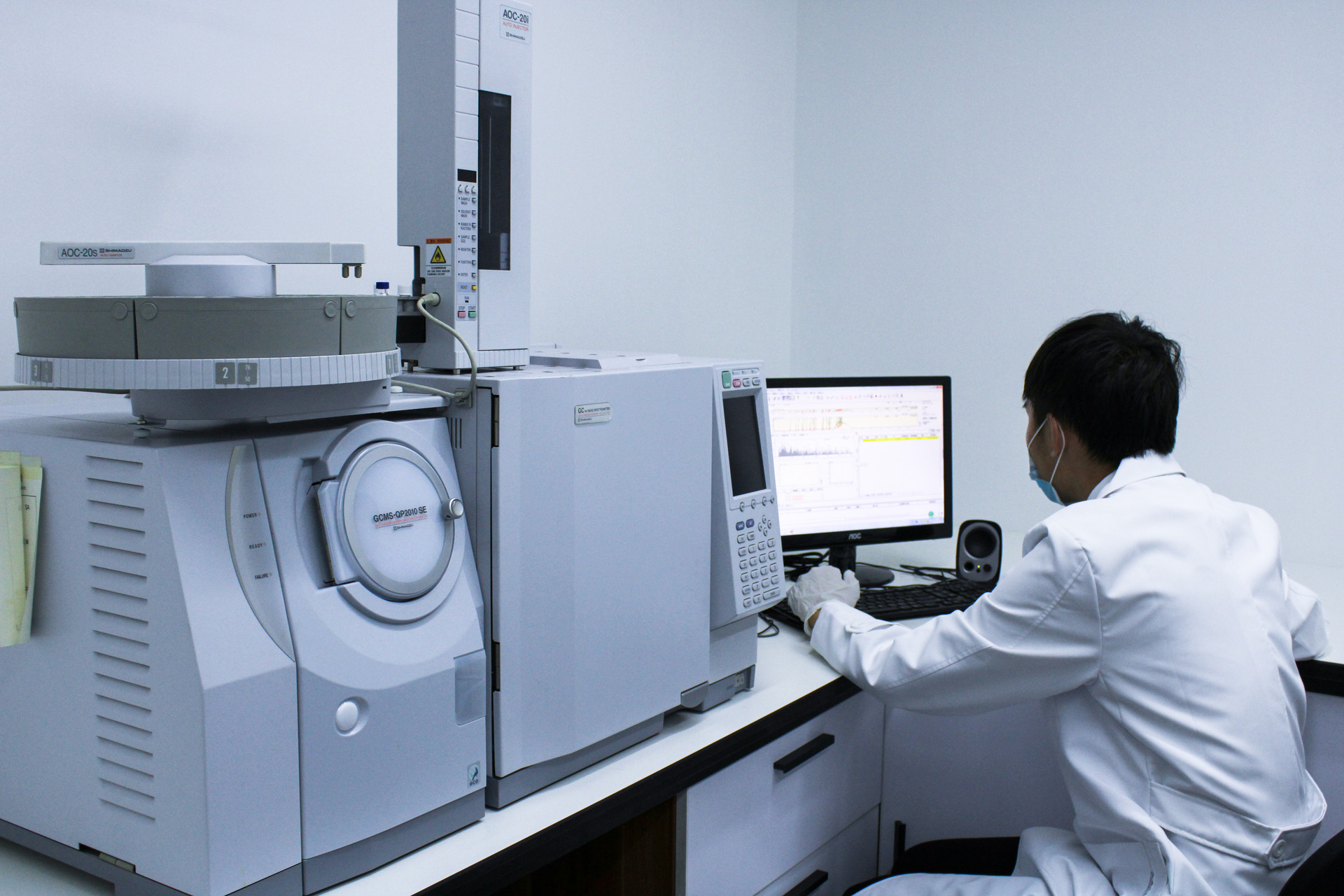
Furnace assemblies used in power generation, chemical processing, and marine applications require durability under aggressive gas conditions and variable pressure loads. These components are validated through material testing and analysis, ensuring predictable lifecycle performance and reduced maintenance downtime.