CMM Inspection Planning for Turbine Blade Root and Platform RFQs
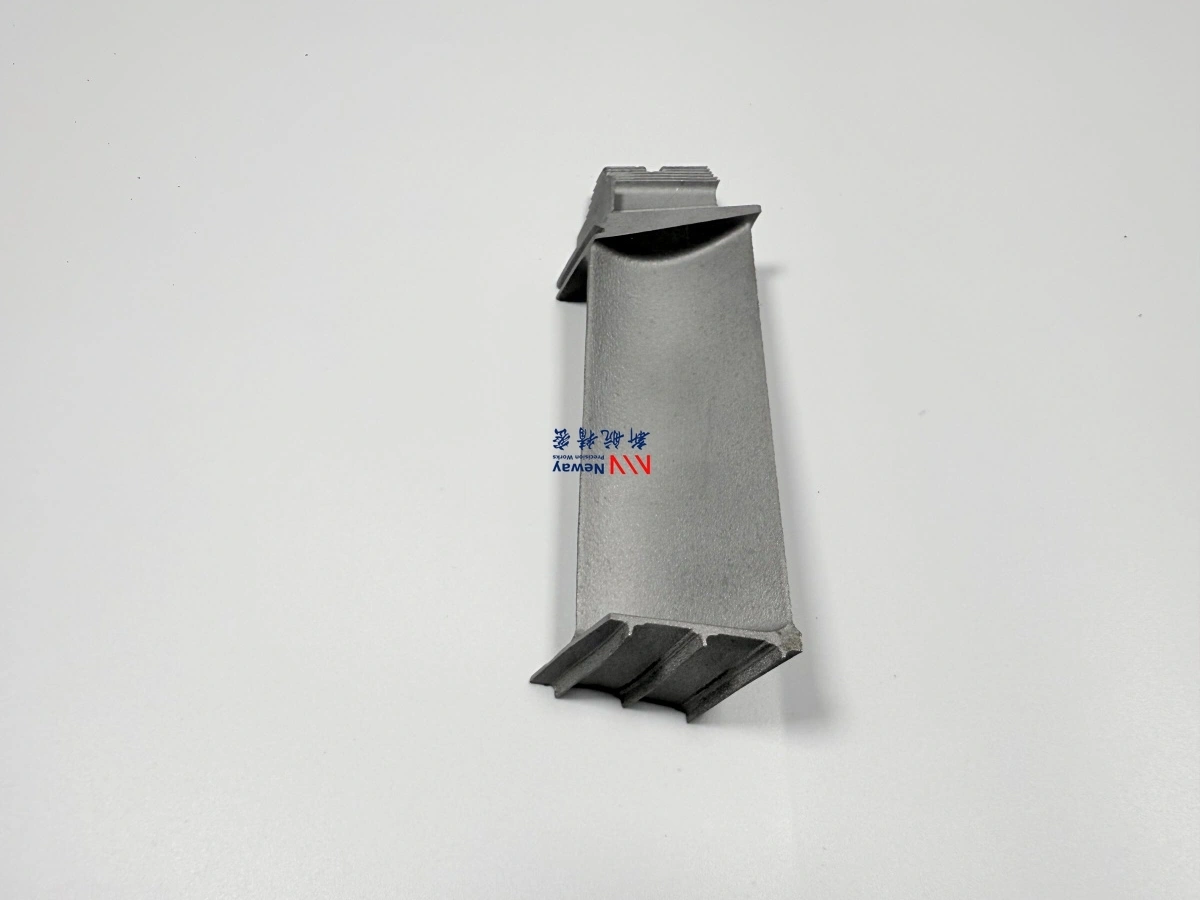
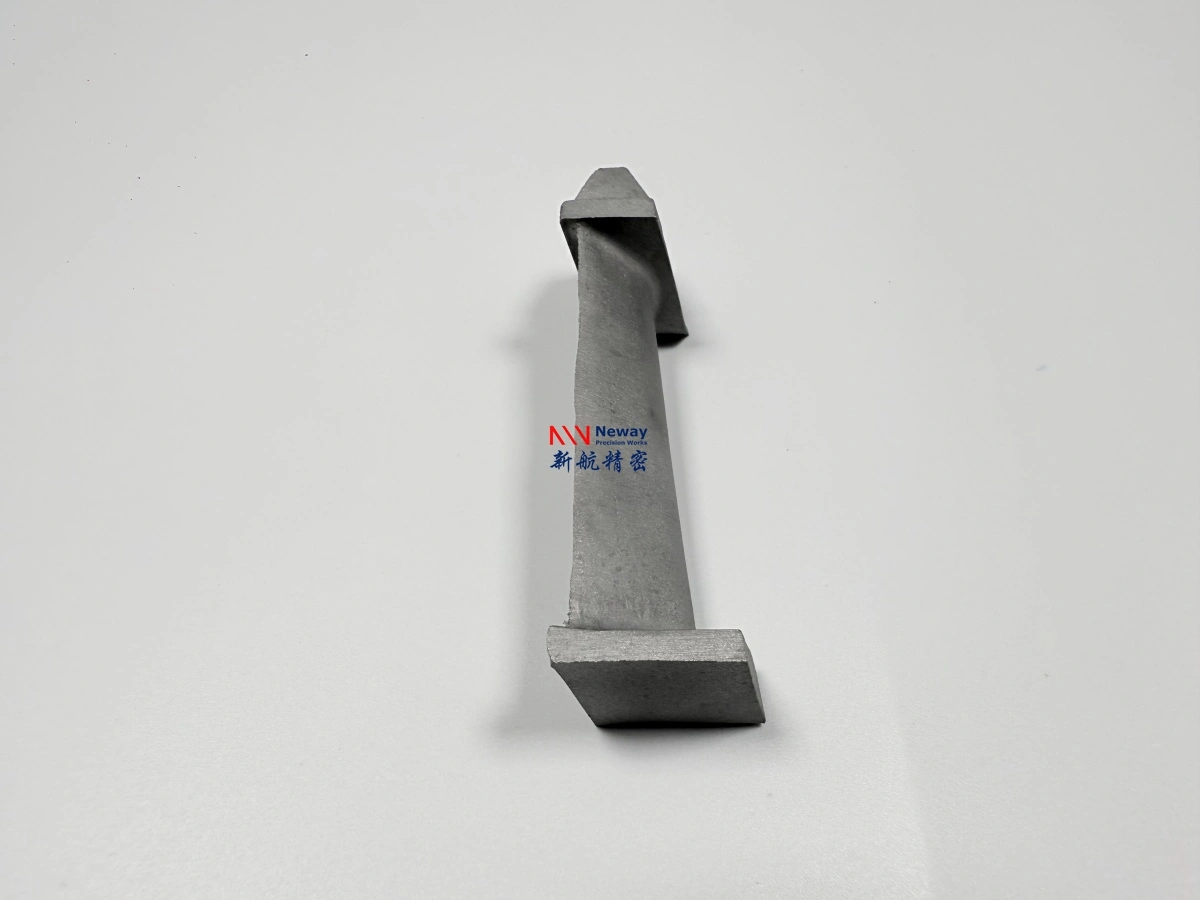
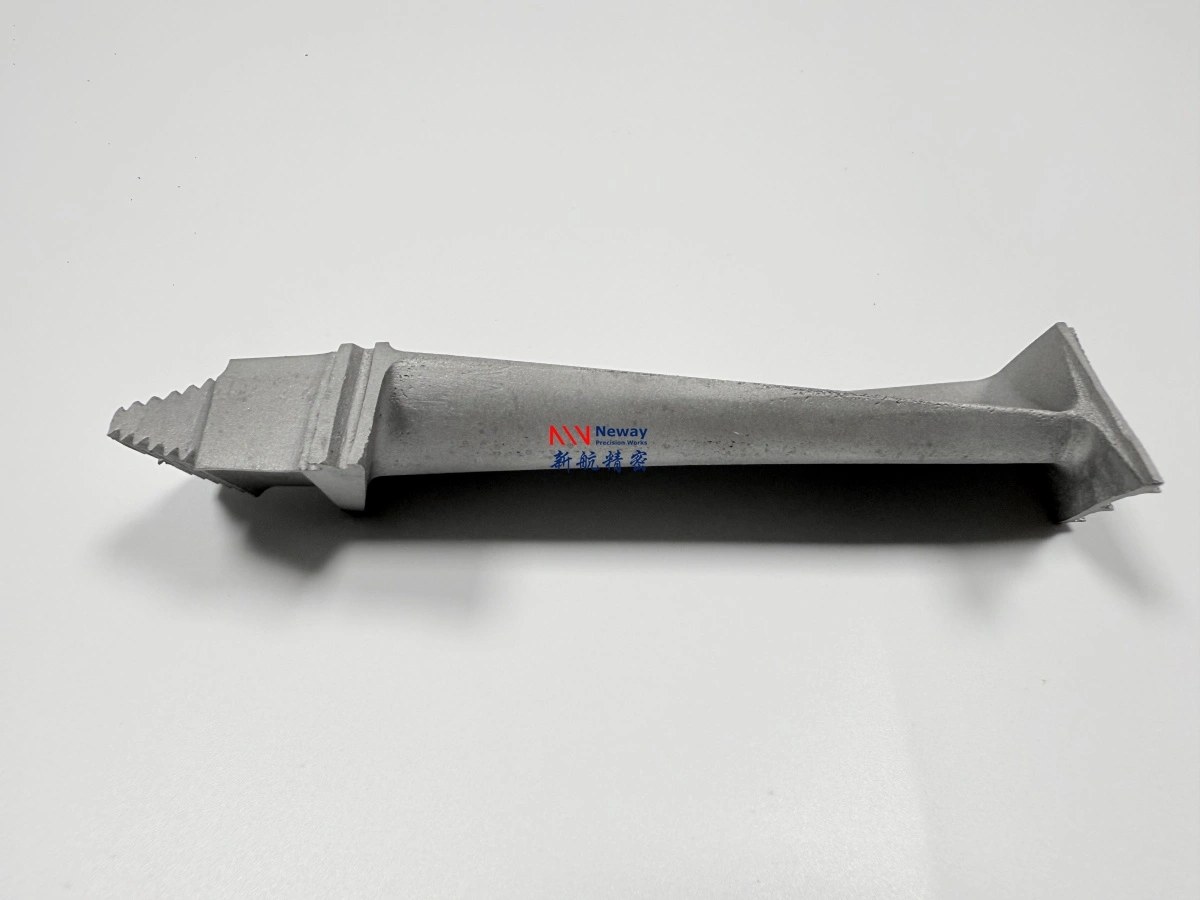
A turbine blade root and platform CMM RFQ should define how the part is located, which features are measured, and what report evidence is needed for release. Buyers often ask for CMM inspection after casting or machining, but the supplier needs a datum strategy before measurement can mean anything. A fir-tree root, dovetail root, platform face, airfoil transition, seal surface, and cooling-hole reference do not carry the same inspection purpose.
NewayAeroTech can support superalloy material testing and analysis for turbine blade projects when buyers provide drawings, models, tolerance requirements, datum references, delivery condition, and inspection stages. If CMM is tied to superalloy CNC machining, the RFQ should state whether the report is required before machining, after rough machining, after final machining, or after coating preparation.
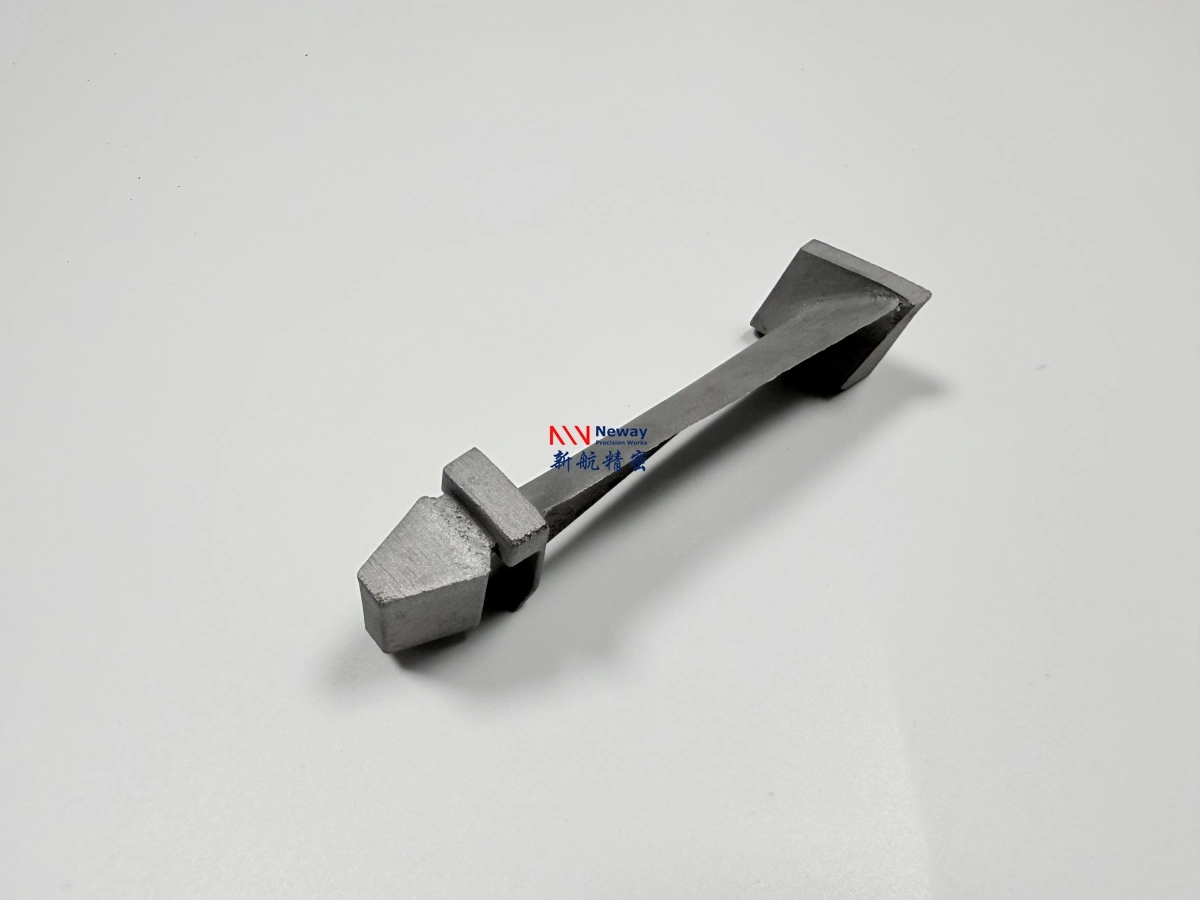
Start With the Datum System, Not the CMM Machine
For this RFQ, buyers should first define the datum system. A CMM report cannot prove root fit or platform alignment if the supplier does not know how the blade is supposed to be seated. The drawing may use root contact surfaces, platform faces, stacking-axis references, airfoil sections, or fixture points. Those references should be stated clearly, especially when the physical part is flexible or partly unfinished.
A turbine blade root can be measured as a functional attachment feature or as a machining process feature. Those are different questions. A functional root report may focus on contact faces, angles, slot relationships, and location to the platform. A process report may focus on whether enough stock remains after casting or rough machining. The buyer should state which question the report must answer.
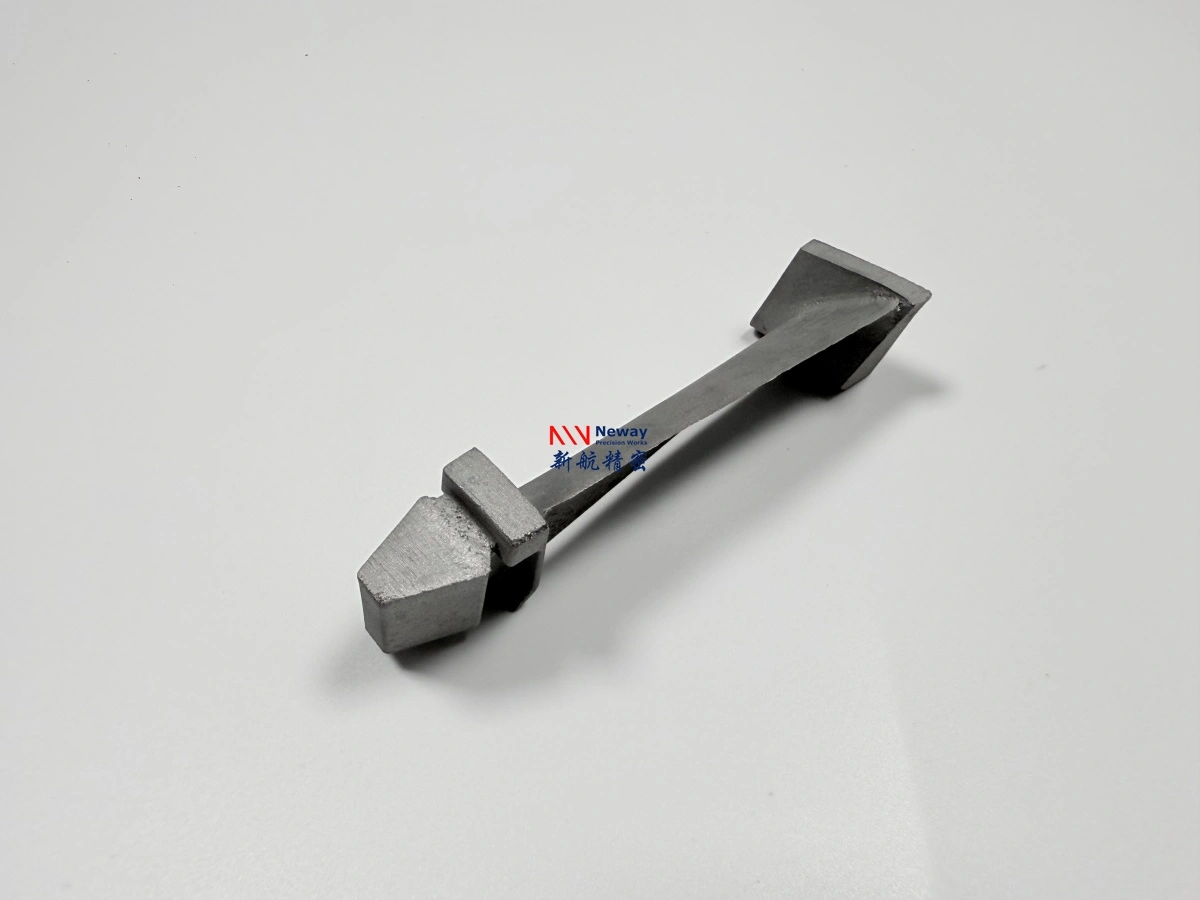
Platform measurement also depends on datum logic. A platform may set axial location, gas-path edge, seal surface, or assembly clearance. If the platform is used as a reference before the root is finished, the report should say so. If the platform is only accepted after final root machining, the report should be tied to that later stage.
Datum choice | Inspection effect | RFQ detail to send |
|---|---|---|
Root contact surfaces | Best for checking attachment fit after final machining. | Define contact faces, angles, and feature list. |
Platform face | Useful for axial or gas-path alignment checks. | State whether face is rough, semi-machined, or final. |
Airfoil section | Useful for cast geometry review but sensitive to profile method. | Provide section heights and profile tolerance method. |
Inspection fixture | Controls repeatability for flexible or complex parts. | Provide fixture drawing or location principle. |
The supplier cannot create a meaningful CMM plan by selecting every feature on the drawing. A focused report should measure the features that answer the buyer's RFQ problem: root fit, platform position, machining cleanup, casting distortion, or first-article release.
Separate Cast Geometry From Machined Root Acceptance
CMM inspection before machining usually asks whether the casting or blank has enough stock and acceptable alignment. CMM inspection after machining asks whether the final root, platform, and datum features meet drawing requirements. Buyers should not mix those two stages in one report request unless the report clearly identifies which features are interim and which features are final.
A cast blade blank may carry extra stock around the root, platform, tip, and shroud features. If the buyer wants to confirm machining allowance, the CMM report should compare the casting to a stock model or selected envelope dimensions. If the buyer wants final root acceptance, the report should use the finished drawing and final datums. The supplier needs those models separately if both reports are required.
For small-batch turbine blades, first-article CMM evidence can reveal whether root stock and platform stock are placed correctly. If the first casting leaves insufficient cleanup on one root face, the tooling or process may need correction before additional blanks are machined. That decision is easier when the RFQ asks for stock-condition evidence instead of only final dimensions.
When the blade root is machined by NewayAeroTech, the RFQ should state which features require final inspection and which can be controlled by process checks. A full drawing report may be unnecessary for every prototype, while a short list of root contact faces, platform faces, cooling-hole references, and assembly datums may be more useful. Buyers should define the report scope before pricing.
Inspection stage | Question being answered | Model or drawing needed |
|---|---|---|
As-cast review | Is the blade blank suitable for machining? | Casting model, stock model, or selected envelope dimensions. |
Rough-machined review | Did fixture setup and stock removal stay on plan? | Interim machining drawing or operation feature list. |
Final root inspection | Will the attachment surfaces meet assembly intent? | Finished drawing, datum scheme, and root feature tolerances. |
Platform release | Does the platform align with root and gas-path references? | Final platform faces, edge features, and positional requirements. |
Choose Features That Change Buyer Acceptance
A useful CMM RFQ names the features that affect acceptance. For a turbine blade root and platform, those features may include fir-tree flank angles, root width, root depth, platform flatness, platform thickness, seal land, radial height, axial reference, tip or shroud relationship, and selected airfoil sections. The buyer should not assume that a supplier will measure every surface unless the report requirement says so.
Feature selection should reflect the manufacturing route. A cast blank may need envelope and stock checks. A finished blade may need final root geometry and platform relationship. A repaired or refurbished part may need comparison against target geometry and a note about sample condition. If the RFQ includes coating or shot peening after machining, the buyer should state whether CMM is required before or after that operation.
Some features are better inspected by other methods. Surface indications may need FPI, internal conditions may need X-ray or CT, and hole openness may need visual or flow-related review depending on the design. CMM can be combined with those methods, but it should not be asked to prove conditions outside dimensional measurement. NewayAeroTech can help align the report package with the actual acceptance standard.
Buyers should also decide whether the CMM report needs actual values, pass/fail statements, ballooned drawing references, graphic deviation maps, or a specific format for incoming inspection. A supplier can quote report preparation more accurately when the expected output is known. Report formatting can take meaningful time on complex blade geometry.
Define Fixturing, Free State, and Report Format
Blade root and platform inspection depends heavily on how the part is held. If the blade is clamped at the root, the airfoil and platform may read differently than in a free-state condition. If the platform is used as the base, root contact surfaces may appear different from a functional assembly setup. The RFQ should define whether the buyer wants free-state measurement, fixture-based measurement, or both.
If a buyer-owned fixture is required, send fixture drawings, locator descriptions, clamping notes, and any wear or calibration expectations. If the supplier designs the inspection setup, ask for the setup principle before first-article approval. The purpose is not to overcontrol the supplier's method, but to ensure the report answers the same assembly question that the buyer cares about.
Report format should be practical. A first article may justify a broader report with selected root, platform, airfoil, and stock features. Repeat lots may use a shorter recurring inspection plan once the process is stable. If every shipment requires a full CMM report, say so in the RFQ. If only critical features repeat, list them clearly.
Report decision | Buyer choice | Supplier action |
|---|---|---|
Setup condition | Free state, clamped root, platform support, or fixture-based. | Build inspection routine around the stated condition. |
Data format | Actual values, pass/fail, ballooned drawing, or deviation map. | Prepare report output before the first article is measured. |
Feature count | Critical-only, first-article broad report, or full drawing report. | Quote inspection time and programming effort correctly. |
Repeat frequency | Every part, first part per lot, or first article only. | Separate recurring inspection from one-time validation. |
This planning prevents a common RFQ problem: the buyer asks for CMM, receives a generic report, and then discovers that the root or platform features needed for incoming inspection were not measured. The report scope should be part of the quote, not a late request after machining is finished.
First-Article CMM Package for Root and Platform Release
A first-article CMM package should prove that the manufacturing route can produce the functional features, not merely that one part has many measured points. For a turbine blade, that means linking the root attachment, platform, airfoil reference, and any seal or shroud feature that affects assembly. The report should be reviewed against the drawing revision used for manufacture.
First-article evidence may include the CMM report, machining setup note, fixture condition, FPI or X-ray references where required, material record, and any deviation or concession notes approved by the buyer. If the blade is cast then machined, the package may also include stock-condition review from an earlier stage. That helps the buyer distinguish casting route issues from final machining issues.
For repeat supply, the buyer should define what changes after first-article approval. Some projects keep the same CMM feature list for every part. Others reduce the report to key characteristics while retaining process checks. The RFQ should state this expectation before the supplier prices the inspection plan.
Send NewayAeroTech the blade drawing, CAD model, datum scheme, root and platform feature list, inspection stage, report format, quantity, and release requirements. A clear CMM RFQ helps the supplier quote meaningful dimensional evidence instead of only adding a generic inspection line to the manufacturing price.
Related FAQs