
थर्मल बैरियर कोटिंग्स के साथ सुपरएलॉय भागों के प्रदर्शन को बढ़ावा देना
एरोस्पेस और एविएशन जैसे क्षेत्रों में प्रदर्शन की निरंतर खोज में, साथ ही बिजली उत्पादन में, इंजीनियरिंग सीमाओं को लगातार आगे बढ़ाया जा रहा है। सुपरएलॉय घटक इन प्रगति की नींव हैं, जो अत्यधिक यांत्रिक भार और संक्षारक वातावरण का सामना करने में सक्षम हैं। हालांकि, उनकी अंतिम सीमा अक्सर तापमान होती है। यहीं पर थर्मल बैरियर कोटिंग्स (TBCs) खेल में आती हैं, जो एक क्रांतिकारी "थर्मल शील्ड" के रूप में कार्य करती हैं जो इन महत्वपूर्ण भागों को उनके सहज गलनांक से कहीं अधिक वातावरण में काम करने की अनुमति देती हैं, जिससे दक्षता, आयु और विश्वसनीयता बढ़ती है।
थर्मल बैरियर कोटिंग्स (TBCs) क्या हैं?
मूल रूप से, एक थर्मल बैरियर कोटिंग एक बहु-स्तरीय, उन्नत सामग्री प्रणाली है जो सुपरएलॉय घटकों की सतह पर लगाई जाती है। इसे एक हाई-टेक इंसुलेटिंग जैकेट के रूप में सोचें। एक विशिष्ट TBC प्रणाली दो प्राथमिक परतों से मिलकर बनती है:
बॉन्ड कोट, एक धातु परत जो आमतौर पर MCrAlY मिश्र धातु (जहाँ M निकल, कोबाल्ट, या इनका संयोजन है) से बनी होती है, जिसे सीधे सुपरएलॉय सबस्ट्रेट पर लगाया जाता है। इसके प्राथमिक कार्य ऑक्सीकरण और हॉट कोरोजन प्रतिरोध प्रदान करना और बेस मेटल के साथ एक मजबूत चिपकने वाला बंधन बनाना हैं।
सिरामिक टॉपकोट: यह वास्तविक इंसुलेटिंग परत है, जो आमतौर पर इट्रिया-स्टेबिलाइज्ड जिरकोनिया (YSZ) से बनी होती है। इसकी असाधारण रूप से कम तापीय चालकता गर्म गैस पथ और अंतर्निहित धातु घटक के बीच महत्वपूर्ण तापमान गिरावट पैदा करने की कुंजी है।
TBCs सुपरएलॉय पार्ट प्रदर्शन को कैसे बढ़ाते हैं
TBCs का अनुप्रयोग कई महत्वपूर्ण मापदंडों में सीधे, मापने योग्य प्रदर्शन लाभों में अनुवादित होता है:
महत्वपूर्ण सबस्ट्रेट तापमान में कमी: एक अच्छी तरह से डिज़ाइन किया गया TBC सिस्टम गर्म सतह और सुपरएलॉय के बीच 100-300°C (180-540°F) का तापमान अंतर पैदा कर सकता है। यह इंजनों और टर्बाइनों को उच्चतर इनलेट तापमान पर संचालित करने में सक्षम बनाता है, जिससे सीधे तापीय दक्षता और पावर आउटपुट बढ़ता है।
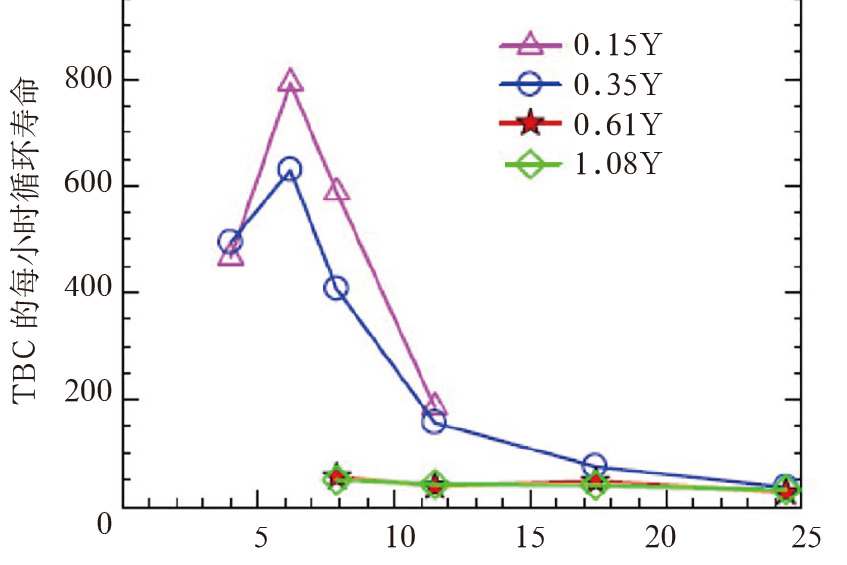
बेहतर थर्मो-मेकेनिकल थकान (TMF) जीवन:** धातु को चरम तापमान उतार-चढ़ाव से बचाकर, TBCs चक्रीय तापीय तनावों को नाटकीय रूप से कम करते हैं जो दरार के शुरू होने और फैलने का कारण बनते हैं। यह टर्बाइन ब्लेड जैसे घटकों के लिए अत्यंत महत्वपूर्ण है जो लगातार हीटिंग और कूलिंग चक्र से गुजरते हैं।
बेहतर ऑक्सीकरण और कोरोजन प्रतिरोध:** बॉन्ड कोट एक बलिदान परत के रूप में कार्य करता है, एक स्थिर, धीमी गति से बढ़ने वाली एल्यूमीनियम ऑक्साइड (एल्यूмина) स्केल (TGO - थर्मली ग्रोन ऑक्साइड) बनाता है जो अंतर्निहित सुपरएलॉय को क्षरण से बचाता है।
TBCs के लिए विनिर्माण और अनुप्रयोग प्रक्रियाएं
एक TBC का प्रदर्शन स्वभाविक रूप से उसकी अनुप्रयोग विधि से जुड़ा होता है। Neway में, हम दो प्राथमिक, अत्याधुनिक तकनीकों का उपयोग करते हैं:
एटमॉस्फेरिक प्लाज्मा स्प्रे (APS):** इस प्रक्रिया में, सिरेमिक पाउडर को उच्च तापमान वाले प्लाज्मा जेट में इंजेक्ट किया जाता है, जहाँ इसे पिघलाया जाता है और घटक की सतह की ओर त्वरित किया जाता है। APS एक लेमेरल, माइक्रो-क्रैक्ड संरचना का उत्पादन करता है जो उत्कृष्ट स्ट्रेन टॉलरेंस प्रदान करता है और कई अनुप्रयोगों के लिए अत्यधिक लागत प्रभावी है।
इलेक्ट्रॉन बीम फिजिकल वेपर डिपोजिशन (EB-PVD):** यह उन्नत तकनीक एक वैक्यूम चेंबर में इलेक्ट्रॉन बीम का उपयोग करके कोटिंग सामग्री को वाष्पीकृत करने में शामिल है। वाष्प फिर घटक पर संघनित हो जाती है, एक कॉलमनर ग्रेन संरचना का निर्माण करती है। EB-PVD कोटिंग्स बेहतर स्ट्रेन टॉलरेंस, चिकनी सतहें और थर्मल साइक्लिंग के तहत असाधारण प्रदर्शन प्रदान करती हैं, जिससे उन्हें सबसे मांग वाले अनुप्रयोगों, जैसे कि सिंगल क्रिस्टल टर्बाइन ब्लेड के लिए पसंदीदा विकल्प बनाया जाता है।
TBCs के साथ संगत सुपरएलॉय सामग्रियां
TBCs एक स्वतंत्र समाधान नहीं हैं; वे बेस सुपरएलॉय के साथ एक सहयोगी प्रणाली का हिस्सा हैं। हमारी विशेषज्ञता में उच्च प्रदर्शन वाली सामग्रियों की एक विस्तृत श्रृंखला पर TBCs लगाना शामिल है, जिसमें शामिल हैं:
निकल-आधारित सुपरएलॉय:** ये TBCs के लिए सबसे सामान्य सबस्ट्रेट हैं। Inconel 718 जैसे मिश्र धातु और विभिन्न Rene Alloys (जैसे कि Rene 80) उच्च तापमान वाले घटकों की रीढ़ की हड्डी बनाते हैं।
कोबाल्ट-आधारित सुपरएलॉय:** अपने उत्कृष्ट हॉट कोरोजन प्रतिरोध और पहनने के गुणों के लिए जाने जाने वाले, Stellite परिवार के मिश्र धातु विशिष्ट वातावरण में TBC सुरक्षा के लिए प्राथमिक उम्मीदवार भी हैं।
TBCs के लिए प्रमुख उद्योग और अनुप्रयोग
थर्मल सीमाओं को आगे बढ़ाने की क्षमता TBCs को कई हाई-टेक उद्योगों में महत्वपूर्ण बनाती है:
एरोस्पेस और एविएशन:** यह TBC प्रौद्योगिकी के लिए प्राथमिक ड्राइवर है। वे जेट इंजनों में वैक्यूम इन्वेस्टमेंट कास्ट टर्बाइन ब्लेड, वेन और कम्बस्टर लाइनर पर आवश्यक हैं, जो उच्चतर थ्रस्ट-टू-वेट अनुपात और बेहतर ईंधन दक्षता की अनुमति देते हैं।
बिजली उत्पादन:** बिजली उत्पादन के लिए उपयोग की जाने वाली लैंड-बेस्ड गैस टर्बाइनों में, TBCs उच्चतर फायरिंग तापमान को सक्षम बनाते हैं, जिससे अधिक विद्युत आउटपुट और उत्पन्न प्रति मेगावाट कम उत्सर्जन होता है।
तेल और गैस:** तेल और गैस उद्योग के भीतर टर्बो-एक्सपैंडर्स और उच्च तापमान वाले वाल्व में महत्वपूर्ण घटक आक्रामक डाउनहोल और प्रसंस्करण वातावरण में सेवा जीवन को बढ़ाने के लिए TBCs का उपयोग करते हैं।
थर्मल बैरियर कोटिंग समाधानों में Neway की विशेषज्ञता
Neway में, हम एक एकीकृत समाधान प्रदान करते हैं। हमारी क्षमता सुपरएलॉय घटक के विनिर्माण से परे है; यह पूरी वैल्यू चेन को समाहित करती है। हमारे पास दोनों APS और EB-PVD तकनीकों से सुसज्जित उन्नत कोटिंग सुविधाएं हैं। हमारे कठोर सामग्री परीक्षण और विश्लेषण प्रोटोकॉल यह सुनिश्चित करते हैं कि हम द्वारा वितरित किया गया हर TBC सिस्टम आसंजन, माइक्रोस्ट्रक्चर और थर्मल चक्रीय प्रदर्शन के उच्चतम मानकों को पूरा करता है। इसके अलावा, हम अक्सर कोटिंग से पहले हॉट आइसोस्टैटिक प्रेसिंग (HIP) और सटीक हीट ट्रीटमेंट प्रक्रियाओं को एकीकृत करते हैं ताकि यह सुनिश्चित किया जा सके कि सबस्ट्रेट में दीर्घकालिक प्रदर्शन के लिए इष्टतम माइक्रोस्ट्रक्चर हो।
निष्कर्ष: TBC प्रौद्योगिकी के साथ पूर्ण क्षमता को अनलॉक करना
थर्मल बैरियर कोटिंग्स उच्च-तापमान इंजीनियरिंग की दुनिया में एक महत्वपूर्ण सक्षम प्रौद्योगिकी का प्रतिनिधित्व करती हैं। वे केवल एक ऐड-ऑन नहीं हैं बल्कि एक रणनीतिक अपग्रेड हैं जो सुपरएलॉय पार्ट्स के लिए प्रदर्शन और टिकाऊपन के नए स्तरों को अनलॉक करते हैं। Neway जैसे निर्माता के साथ साझेदारी करके, जो व्यापक विशेषज्ञता प्रदान करता है—उन्नत दिशात्मक कास्टिंग से लेकर अत्याधुनिक थर्मल बैरियर कोटिंग सेवाओं तक—आप यह सुनिश्चित करते हैं कि आपके सबसे महत्वपूर्ण घटक सबसे चरम परिस्थितियों में जीवित रहने और फलने-फूलने के लिए बनाए गए हैं।
अक्सर पूछे जाने वाले प्रश्न (FAQs)
