
WAAM, LMD et SLM : technologies de pointe d'impression 3D en aluminium
Introduction à la fabrication additive avancée en aluminium
L'impression 3D en aluminium a évolué du prototypage vers la fabrication haute performance grâce à des procédés avancés tels que le SLM, le LMD et le WAAM. Chaque technique offre des avantages distincts en termes de résistance, de résolution, de volume de construction et d'efficacité matérielle.
Chez Neway Aerotech, nos services d'impression 3D en aluminium incluent la fabrication de pièces de précision utilisant des technologies de pointe de fusion laser sélective, de dépôt métallique par laser et de fabrication additive par arc filaire.
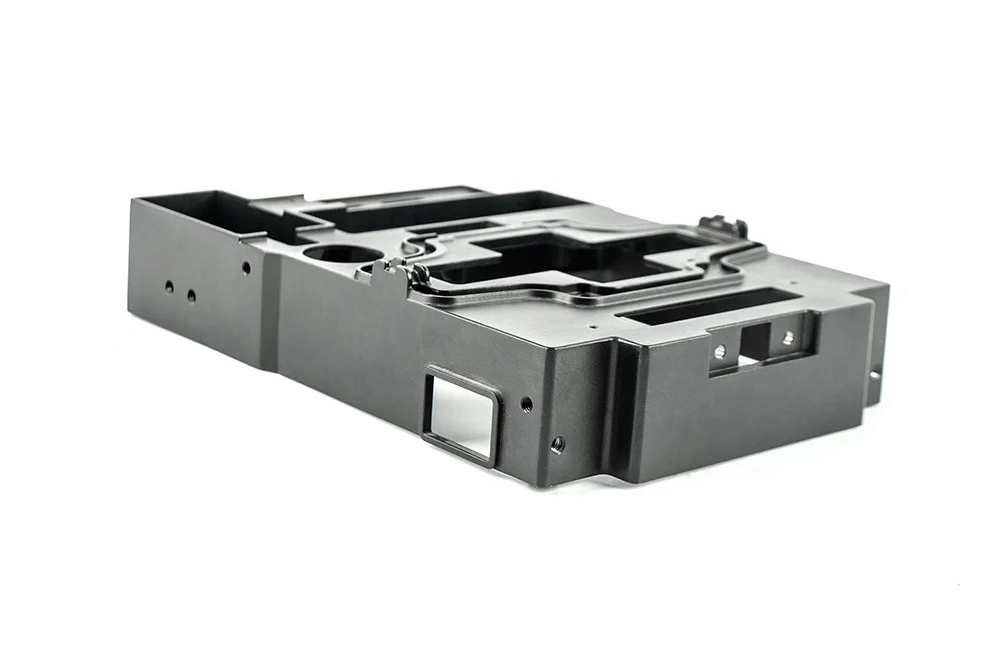
Aperçu des technologies d'impression 3D en aluminium
Fusion Laser Sélective (SLM)
Le SLM utilise un laser haute énergie pour fondre complètement la poudre d'aluminium dans un environnement contrôlé, couche par couche. Ce procédé produit des propriétés matérielles proches de celles du matériau corroyé et est idéal pour les géométries complexes.
Épaisseur de couche : 20–50 μm
Densité : >99,5 %
Matériaux typiques : AlSi10Mg, AlSi7Mg, Scalmalloy®
Applications : Supports aérospatiaux, boîtiers légers, collecteurs de fluides
Dépôt Métallique par Laser (LMD)
Le LMD alimente une poudre métallique dans un bain de fusion créé par un faisceau laser focalisé, permettant un dépôt d'énergie directe (DED) pour des pièces en aluminium ou des opérations de rechargement.
Taux de dépôt : 5–15 cm³/min
Épaisseur de paroi : 1–5 mm typique
Volume de construction : Moyen à grand
Applications : Réparation de turbines, nervures conformes, renforts de noyaux de moules
Fabrication Additive par Arc Filaire (WAAM)
Le WAAM utilise un fil de soudure en aluminium et un arc électrique pour construire des composants de grand volume avec des taux de dépôt élevés.
Taux de dépôt : 100–300 cm³/min
Diamètre du fil : 1,2–1,6 mm
Hauteur de couche : 0,8–1,2 mm
Applications : Grandes structures en aluminium, ébauches d'outillage, cadres aérospatiaux
Stratégie de sélection des procédés
Technologie | Résolution (μm) | Volume de construction | Taux de dépôt | Points forts clés |
|---|---|---|---|---|
SLM | 20–50 | <300 × 300 × 400 mm | 2–10 cm³/min | Haute résolution, excellente finition de surface |
LMD | 100–300 | 500 × 500 × 1000 mm | 5–15 cm³/min | Réparation à moyenne échelle, fabrication hybride |
WAAM | 800–1500 | >1 m³ | 100–300 cm³/min | Rentable, grandes structures |
Besoins en post-traitement
SLM : Relaxation des contraintes à 300–400 °C, suivie d'une finition de surface (par exemple, usinage ou polissage).
LMD : Nécessite souvent un usinage CNC pour corriger la distorsion et le profil de surface.
WAAM : Nécessite un usinage important en raison d'une rugosité de surface élevée (Ra 20–40 μm typique).
Étude de cas : Fixation aérospatiale en aluminium imprimée par WAAM
Contexte du projet
Un fabricant aérospatial de premier rang avait besoin d'une fixation personnalisée en aluminium pour l'assemblage du fuselage. La pièce mesurait plus de 1200 mm de longueur avec des tolérances structurelles strictes.
Points forts de la fabrication
Technologie utilisée : Fabrication additive par arc filaire
Matériau : Fil d'alliage d'aluminium ER5356
Taux de dépôt : 250 cm³/min avec un fil de 1,2 mm
Hauteur de couche : 1 mm par passe
Dimensions de l'ébauche : 1250 mm × 400 mm × 150 mm
Post-traitement et usinage
Usinage CNC : Planéité atteinte de <0,05 mm sur une portée de 500 mm
Relaxation des contraintes : Effectuée à 330 °C pendant 4 heures
Contrôle non destructif par rayons X : Vérification de l'absence de porosité et de défauts de fusion
Résultats et impact sur l'application
Le procédé WAAM a réduit les déchets de matériaux de plus de 70 % par rapport à l'usinage à partir de billettes. Le délai de production a été raccourci de 40 %. La géométrie finale a maintenu une précision dimensionnelle dans les ±0,1 mm après usinage et finition complets.
FAQ
Quelles sont les principales différences entre le SLM, le LMD et le WAAM pour les pièces en aluminium ?
Quel procédé d'impression 3D est le mieux adapté aux composants structurels en aluminium de grand format ?
Quelles étapes de post-traitement sont nécessaires pour les pièces en aluminium imprimées par WAAM ?
Le LMD peut-il être utilisé pour réparer des outils ou des moules en aluminium usés ?
Quelles industries bénéficient le plus de l'impression aluminium haute résolution par SLM ?
