
Revêtement de Barrière Thermique Supersonique pour Arbres
Introduction
Les arbres fonctionnant dans des environnements à haute température – tels que les broches de turbine, les arbres d'entraînement d'échappement et les arbres de rotor – sont exposés à la fatigue thermique, à l'oxydation et à la corrosion par les gaz chauds. Pour maintenir la stabilité dimensionnelle et prévenir les défaillances prématurées, ces composants nécessitent une protection de surface avancée. Notre solution de revêtement de barrière thermique supersonique (TBC), appliquée via le procédé HVOF (High-Velocity Oxy-Fuel) ou le projection plasma supersonique, fournit des revêtements durables et résistants à la chaleur qui améliorent la longévité et la fiabilité des arbres rotatifs critiques dans les applications aérospatiales et de turbines à gaz industrielles.
Nous sommes spécialisés dans les systèmes TBC conçus pour les composants d'arbre dans les systèmes de propulsion, d'énergie et de traitement thermique, où la résistance à la chaleur, à l'oxydation et aux contraintes mécaniques est essentielle.
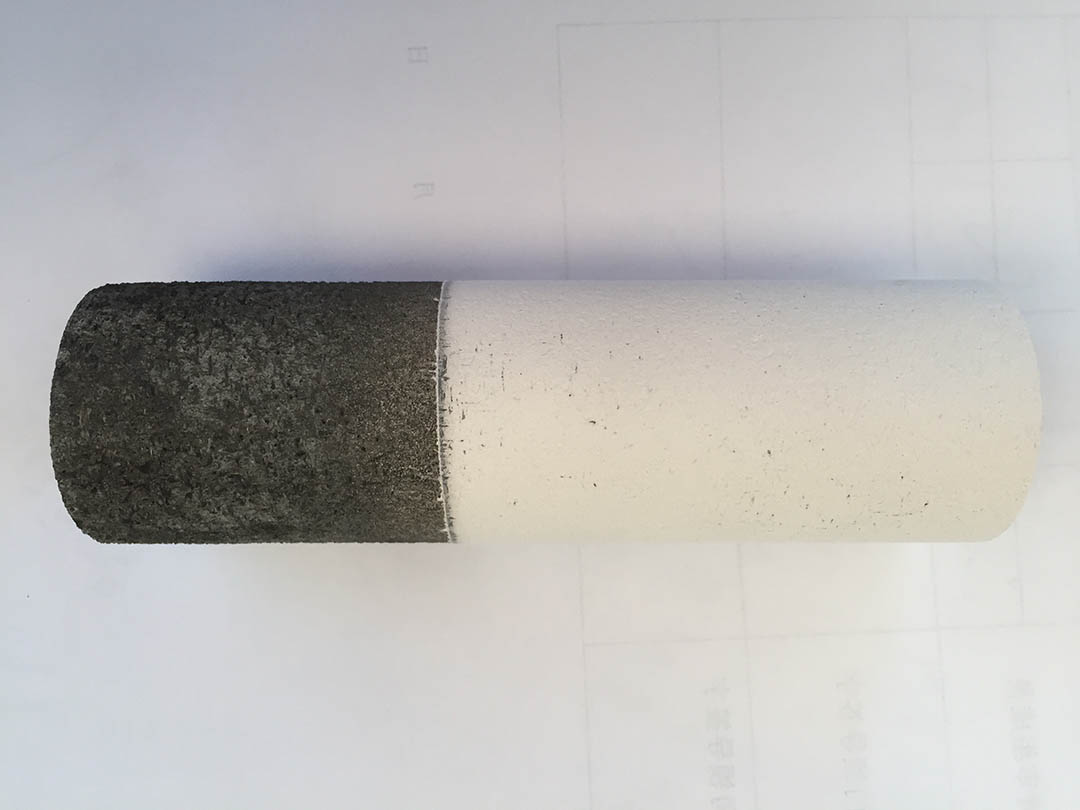
Pourquoi les Arbres Nécessitent un TBC Supersonique
Les arbres utilisés dans les machines à section chaude subissent :
Une exposition élevée à la chaleur rayonnante et convective (typiquement 800–1100°C)
Des cycles thermiques lors du démarrage et de l'arrêt du moteur
L'oxydation et la corrosion à chaud dues aux mélanges de gaz ambiants
La fatigue de surface due à la rotation à haute vitesse sous contrainte
Le TBC supersonique fournit une barrière qui réduit significativement la température de surface de l'arbre, limite l'oxydation et améliore les performances en fatigue en atténuant les incompatibilités de dilatation thermique entre le substrat et les composants environnants.
Structure du Revêtement
Couche | Matériau | Fonction |
|---|---|---|
Couche de Liaison | MCrAlY ou NiCrAlY via HVOF | Améliore l'adhérence et fournit une protection contre l'oxydation/la corrosion |
Couche Supérieure | Zircone stabilisée à l'yttria (YSZ) 7–8 % en poids | Fournit une isolation thermique et une capacité de déformation |
L'épaisseur du revêtement varie typiquement de 200–350 μm, optimisée selon l'application de l'arbre et les conditions de fonctionnement.
Matériaux d'Arbres Applicables
Nous revêtons une variété de substrats d'arbres résistants à la chaleur et à haute résistance, y compris :
Inconel 718 / IN738LC – Arbres en alliage haute température utilisés dans les turbines et systèmes thermiques
Mar-M 247, Rene 80, Rene N5 – Arbres en superalliage de nickel dans les applications de rotor de moteur à réaction
Hastelloy X, Haynes 230 – Arbres dans les systèmes de combustion et échangeurs de chaleur
Acier à Outils Rapide (H13, M42) – Arbres en acier forgé dans les ensembles rotatifs industriels
Chaque matériau nécessite une préparation spécifique par grenaillage, préchauffage et préparation de la couche intermédiaire pour une adhérence et des performances thermiques optimales.
Processus d'Application du TBC Supersonique
1. Préparation de Surface
Grenaillage avec média alumine pour obtenir un Ra de 3–5 μm
Préchauffage pour réduire le choc thermique pendant le dépôt
Masquage des surfaces critiques (roulements, filetages, sièges)
2. Dépôt de la Couche de Liaison
Appliquée via projection HVOF pour une couche de liaison haute densité, faible porosité
NiCrAlY ou CoNiCrAlY choisi en fonction des conditions d'oxydation et de corrosion
3. Application de la Couche Supérieure YSZ
Déposée en utilisant la projection plasma supersonique (APS à haute vitesse)
Porosité contrôlée (~10–15%) pour soulager la contrainte thermique et fournir une isolation
4. Conditionnement Post-Revêtement
Scellement ou densification optionnel pour améliorer la résistance à l'écaillage
Rectification dimensionnelle ou polissage pour respecter les tolérances de montage de l'arbre
Avantages de Performance
Caractéristique | Avantage |
|---|---|
Isolation Thermique | Réduit la température de surface jusqu'à 200°C |
Résistance à l'Oxydation | Protège l'arbre contre la formation de calamine thermique et la corrosion en phase gazeuse |
Prolongation de la Durée de Vie en Fatigue | Réduit la contrainte de dilatation thermique et la fissuration sous charge cyclique |
Fiabilité Améliorée | Maintient l'intégrité dimensionnelle et mécanique pendant une longue durée de service |
Fréquence de Maintenance Réduite | Réduit le besoin de remplacement ou de remise en état prématuré de l'arbre |
Tests et Validation de la Qualité
Nous suivons les spécifications aérospatiales et industrielles pour la validation du revêtement d'arbre :
Épaisseur du Revêtement (±10 μm)
Résistance à l'Adhérence (ASTM C633) ≥ 30 MPa
Test de Choc Thermique (jusqu'à 1000 cycles @ 1000°C)
Analyse MEB et de la Microstructure
Évaluation de la couche d'oxydation de la couche de liaison
Exemples d'Applications
Arbres de Turbine de Puissance GE LM2500 : TBC YSZ appliqué pour l'isolation des arbres de rotor de turbine navale et industrielle
Arbres de Compresseur Rolls-Royce AE 2100 : Revêtement supersonique utilisé pour le contrôle de l'oxydation dans les ensembles d'arbres à haute vitesse
Arbres d'Entraînement de Générateur Aéro-Dérivés : TBC plasma utilisé dans les arbres d'interface de générateur exposés aux zones d'échappement chaudes
Arbres de Combusteur de Raffinerie : Revêtement HVOF + céramique appliqué sur les arbres de combustion rotatifs dans les unités de traitement pétrolier et gazier
FAQ
Quelle est la température maximale que le TBC supersonique peut supporter pour les applications d'arbres ?
Les revêtements de barrière thermique peuvent-ils être réappliqués lors de la remise en état d'un arbre ?
Quelle doit être l'épaisseur de la couche céramique sur les arbres de turbine ?
Quelle est la différence entre les revêtements HVOF et APS pour les composants rotatifs ?
Comment assurez-vous une épaisseur de revêtement uniforme autour des profils d'arbres complexes ?
