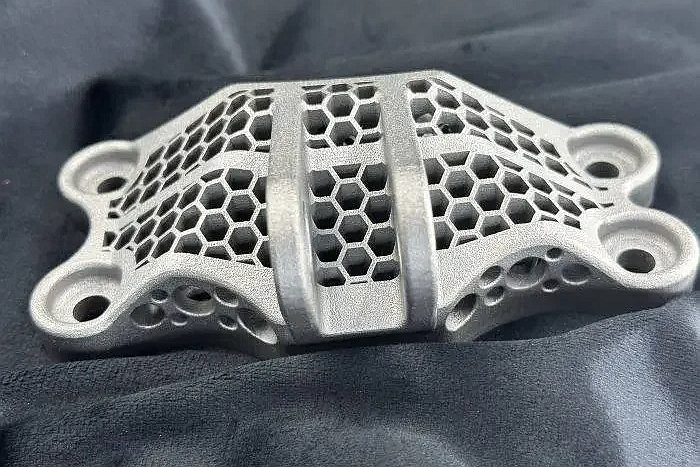
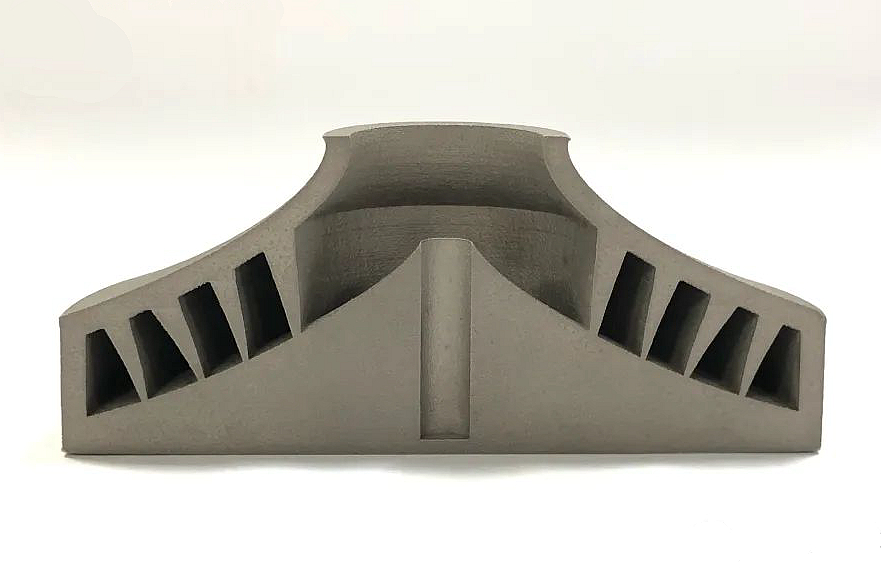
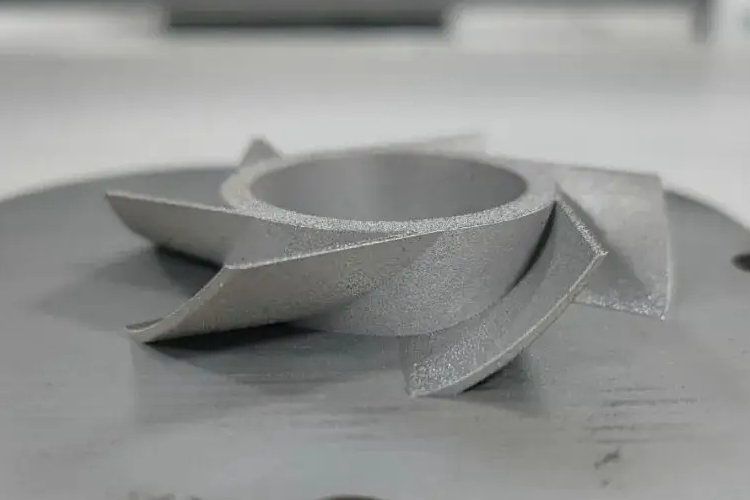
Quels alliages à haute température sont les plus couramment utilisés dans l'impression 3D SLM ?
Superalliages à base de nickel : Les principaux chevaux de bataille
Les superalliages à base de nickel dominent la SLM (Fusion Sélective par Laser) pour les applications à haute température en raison de leur excellente résistance mécanique, leur résistance au fluage et leur soudabilité. Les alliages les plus courants et les mieux caractérisés incluent :
Inconel 718 : Le superalliage imprimé en 3D le plus répandu. Il offre une combinaison exceptionnelle de haute résistance jusqu'à ~650°C, d'une bonne résistance à la fatigue et d'une excellente aptitude à la mise en œuvre. Sa réponse relativement lente au durcissement structural minimise le risque de fissuration pendant l'impression, ce qui le rend idéal pour une large gamme de composants aérospatiaux et pour l'industrie pétrolière et gazière.
Inconel 625 : Prisé pour sa superbe résistance à la corrosion et à l'oxydation plutôt que pour sa résistance ultime. Il est facilement imprimable et utilisé pour des composants statiques, des conduits et des échangeurs de chaleur dans des environnements agressifs, y compris les applications marines et de traitement chimique.
Haynes 282 & CM247LC : Ceux-ci représentent des alliages plus avancés, à capacité de température plus élevée. Bien que plus difficiles à imprimer en raison de leur sensibilité à la fissuration, des paramètres SLM optimisés et un post-traitement les rendent adaptés aux aubes de turbine et aux composants de chambre de combustion qui fonctionnent au-delà des limites de l'Inconel 718.
Alliages Cobalt-Chrome pour l'usure et la biocompatibilité
Les alliages à base de cobalt constituent une autre catégorie majeure, appréciés pour leur exceptionnelle résistance à l'usure, leur biocompatibilité et leur stabilité à haute température.
CoCrMo (ASTM F75) : Extrêmement courant à la fois dans l'aérospatiale pour les pièces d'usure et dans le médical pour les implants. Sa haute dureté et sa résistance à la corrosion en font un standard pour les segments de joint de turbine imprimés en SLM, les armatures dentaires et les implants orthopédiques.
Haynes 188 : Un alliage cobalt-nickel-chrome-tungstène offrant une résistance exceptionnelle à l'oxydation et une bonne résistance jusqu'à ~1100°C. Il est utilisé pour les aérospatiale (revêtements de chambre de combustion) et d'autres composants statiques à haute température.
Alliages de Titane pour des applications spécifiques à haute résistance
Bien que leur température d'utilisation maximale (~600°C) soit inférieure à celle des superalliages, les alliages de titane sont cruciaux pour les applications nécessitant un rapport résistance/poids élevé.
Ti-6Al-4V (Grade 5) : L'alliage de titane le plus courant dans toute la fabrication additive. Il est largement utilisé pour des composants aérospatiaux légers et à haute résistance comme les supports, les carters et certaines pièces de compresseur. Son imprimabilité est excellente.
Ti-6Al-2Sn-4Zr-2Mo (Ti-6242) : Offre une meilleure résistance au fluage et une capacité de température plus élevée que le Ti-6Al-4V, ce qui le rend adapté à des composants de moteur plus exigeants.
Aciers inoxydables spécialisés et métaux réfractaires
Pour des plages de température et des propriétés spécifiques, d'autres alliages sont employés :
17-4PH & 15-5PH : Les aciers inoxydables durcissables par précipitation sont couramment imprimés pour des applications nécessitant une haute résistance, une bonne résistance à la corrosion et des températures allant jusqu'à ~315°C, comme l'outillage et certains carters de moteur.
Métaux réfractaires (ex. : Tantale, Tungstène) : Utilisés dans des environnements extrêmes (ex. : >2000°C) pour les tuyères de fusée ou les composants de four. Le traitement SLM de ces matériaux est hautement spécialisé en raison de leurs points de fusion extrêmement élevés.
Considérations clés pour l'imprimabilité en SLM
L'« utilisation courante » d'un alliage en SLM est fortement influencée par sa soudabilité et sa sensibilité à la fissuration. Les alliages à haute teneur en aluminium et en titane (pour le durcissement par phase gamma prime) sont souvent sujets à la fissuration de solidification et à la fissuration par vieillissement sous contrainte pendant les cycles thermiques rapides de l'impression. Par conséquent, les alliages SLM largement utilisés comme l'Inconel 718 et 625 sont souvent des variantes « soudables ». L'impression réussie d'alliages plus avancés nécessite généralement une optimisation méticuleuse des paramètres, un préchauffage du plateau de construction, et un post-traitement obligatoire par Compression Isostatique à Chaud (CIC) et traitement thermique pour obtenir les propriétés requises.