Comment la fusion par faisceau d'électrons se compare-t-elle à la fusion sélective par laser pour l'...
Fondamentaux du procédé et source d'énergie
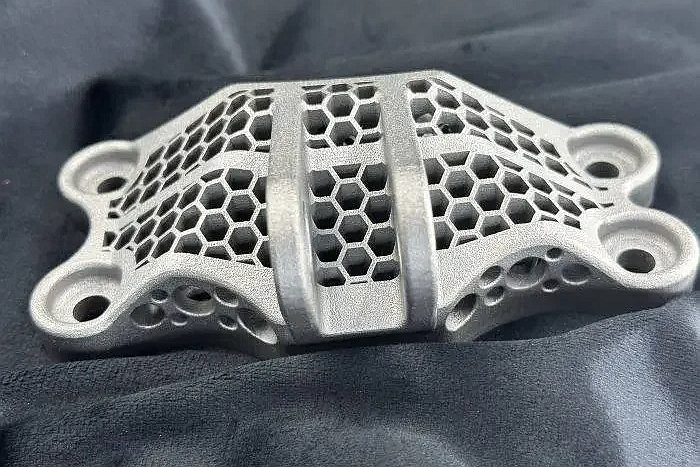
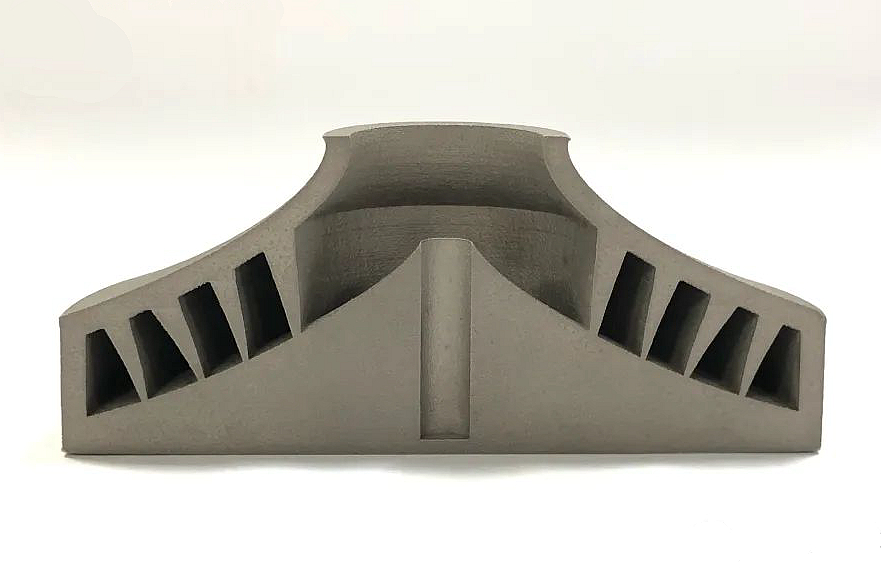
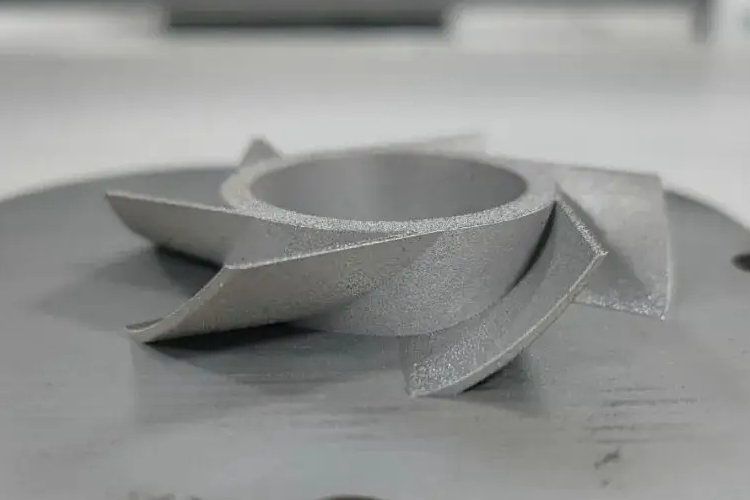
La fusion par faisceau d'électrons (EBM) et la fusion sélective par laser (SLM) sont deux technologies de fabrication additive métallique de premier plan pour les superalliages hautes performances tels que l'Inconel, le Hastelloy et les matériaux avancés à base de nickel utilisés dans l'aérospatial et l'aviation. L'EBM utilise un faisceau d'électrons dans un environnement à haut vide, tandis que la SLM emploie un laser de haute puissance dans une atmosphère de gaz inerte. La différence fondamentale dans la source de chaleur et les conditions de fonctionnement entraîne des microstructures, des états de surface, des propriétés mécaniques et des aptitudes à l'application distincts.
Conditions thermiques et microstructure
L'EBM fonctionne à des températures de lit de poudre élevées, réduisant les gradients thermiques et les contraintes internes. Cela favorise une croissance de grains colonnaires et une meilleure ductilité, en particulier pour les alliages sensibles à la fissuration comme l'Inconel 718 ou les poudres avancées dérivées de monocristaux. La SLM, en revanche, utilise un environnement de lit plus frais, permettant des microstructures plus fines avec une résistance plus élevée mais introduisant des contraintes résiduelles plus importantes. Un post-traitement tel qu'un traitement thermique ou une compression isostatique à chaud (CIC) est souvent nécessaire pour stabiliser les superalliages imprimés par SLM.
Précision, qualité de surface et résolution des détails
La SLM surpasse l'EBM en précision et en état de surface grâce à sa taille de spot laser plus petite et son épaisseur de couche plus fine. Les structures à parois minces, les micro-canaux et les caractéristiques de refroidissement des aubes de turbine—courants dans l'impression 3D de superalliages—sont produits plus efficacement avec la SLM. Les couches d'EBM sont plus épaisses et sa rugosité de surface est plus élevée, nécessitant un usinage postérieur plus important via l'usinage CNC pour les composants critiques en termes de précision.
Performance des matériaux et environnement opérationnel
L'environnement sous vide de l'EBM empêche l'oxydation, le rendant adapté aux superalliages sensibles à l'oxygène et aux systèmes à base de titane. La température de construction élevée réduit le risque de fissuration, améliorant la fiabilité fonctionnelle pour les applications exigeantes de turbines et de combustion. La SLM prend en charge une plus grande variété de poudres et offre une résistance mécanique supérieure grâce à sa solidification rapide, mais son atmosphère inerte peut tout de même permettre une oxydation à l'état de traces—particulièrement problématique pour les alliages réactifs à haute température.
Aptitude à l'application
L'EBM excelle dans les applications nécessitant une haute ténacité, de faibles contraintes résiduelles et une intégrité structurelle sous cyclage thermique. La SLM est préférée lorsque la haute précision, des parois plus fines et une excellente qualité de surface sont essentielles. Les deux procédés bénéficient d'une validation en aval utilisant des tests et analyses de matériaux avancés pour confirmer la stabilité microstructurale et la densité.