Pourquoi l'impression 3D SLM est-elle idéale pour produire des pièces complexes en acier inoxydable...
Géométrie et Liberté de Conception
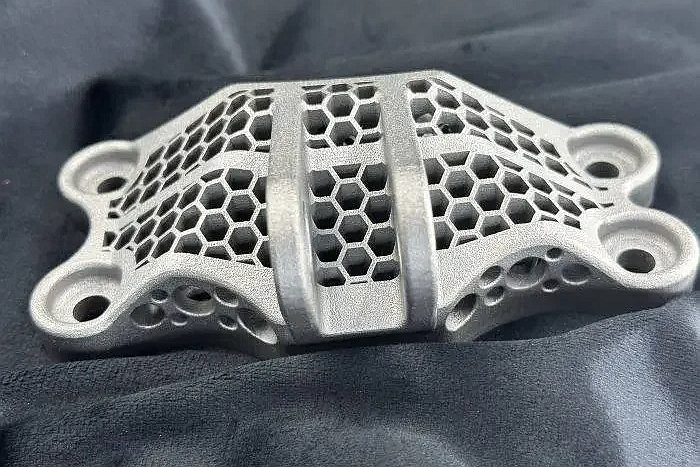
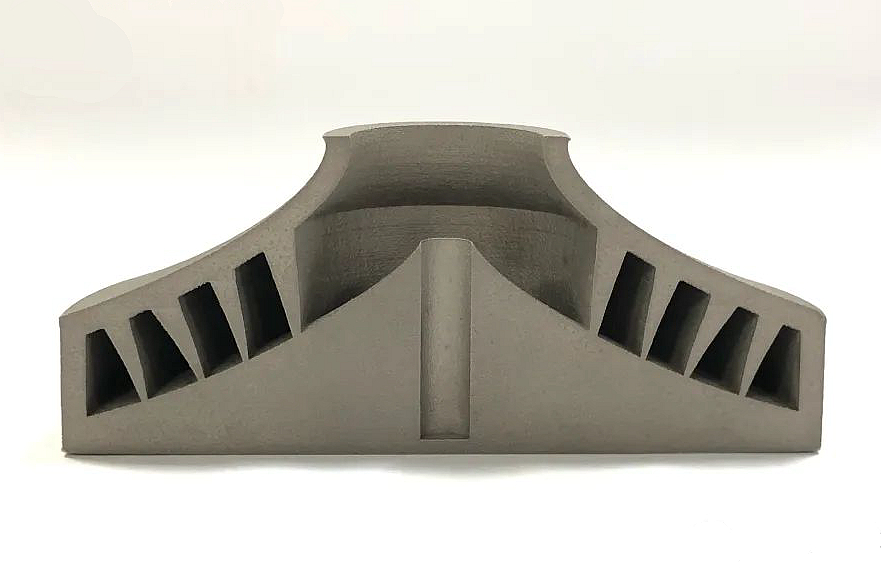
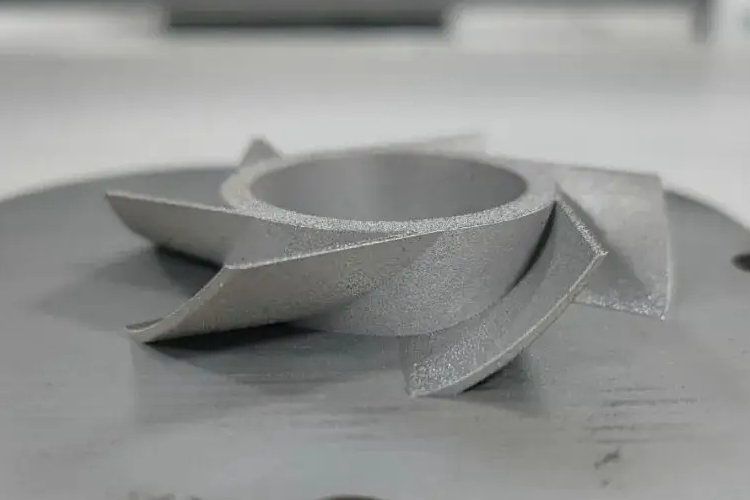
D'un point de vue technique, la fusion sélective par laser (SLM) est idéale pour les pièces complexes en acier inoxydable car elle construit la géométrie couche par couche directement à partir des données CAO. Cela permet la réalisation de canaux de refroidissement conformes internes, de structures en treillis et de trajets de charge organiques impossibles ou extrêmement coûteux avec l'usinage soustractif ou la fonderie. Avec l'impression 3D en acier inoxydable, les concepteurs n'ont plus besoin de diviser les pièces en plusieurs composants ou de compromettre la géométrie simplement pour satisfaire les contraintes d'accès aux outils ou d'angles de dépouille.
Des parois minces, des caractéristiques internes précises et des structures optimisées topologiquement peuvent être produites en une seule fabrication, réduisant les étapes d'assemblage et les risques potentiels de fuites. Pour les supports, les collecteurs et les prototypes fonctionnels, la SLM devient donc un puissant facilitateur d'une véritable "conception pour la performance" plutôt que d'une "conception pour la fabricabilité" au sens traditionnel.
Performance Matériau et Répétabilité
Les systèmes SLM modernes produisent des microstructures denses avec des propriétés mécaniques comparables ou supérieures au matériau forgé lorsqu'ils utilisent des alliages tels que le 316L, le 17-4 PH et le 15-5PH. Des paramètres de processus soigneusement contrôlés—puissance laser, vitesse de balayage, espacement de hachurage et épaisseur de couche—garantissent une densité élevée, une faible porosité et des performances mécaniques constantes d'une fabrication à l'autre.
Étant un processus entièrement numérique et en boucle fermée, la SLM offre une excellente répétabilité pour la production en série de pièces complexes. Une fois qu'une fenêtre de processus est établie et validée, le même fichier de fabrication peut être reproduit avec une variation minimale, ce qui est crucial pour les composants liés à la sécurité dans des secteurs tels que l'aérospatial et l'aviation, l'énergie et les applications nucléaires.
Intégration avec les Traitements et Finitions Postérieurs
Les pièces en acier inoxydable imprimées par SLM peuvent être affinées par traitement thermique, usinage et finition de surface pour répondre à des exigences dimensionnelles et fonctionnelles strictes. Chez Neway Aerotech, la SLM est intégrée dans une chaîne de processus plus large qui comprend l'usinage de précision, le conditionnement de surface et, le cas échéant, des tests et analyses avancés des matériaux. Cela garantit que les interfaces critiques, les surfaces d'étanchéité et les filetages atteignent les tolérances et la rugosité de surface requises.
Les structures de support sont retirées, les surfaces fonctionnelles sont finies par usinage et, si nécessaire, des traitements supplémentaires tels que le polissage ou la passivation sont appliqués. En conséquence, les pièces SLM peuvent passer en douceur du statut de prototype à celui de composants de qualité production compatibles avec les assemblages et normes existants.
Avantages d'Application et de Délai de Commercialisation
Comme aucun outillage rigide n'est requis, la SLM réduit considérablement les délais de production pour les pièces complexes en acier inoxydable. Les modifications de conception peuvent être mises en œuvre rapidement en mettant à jour les fichiers CAO et de fabrication, ce qui est particulièrement précieux dans les cycles de développement itératifs pour les composants utilisés dans les systèmes de production d'énergie, pétrole et gaz et automobiles. La combinaison de la capacité de géométrie complexe, des matériaux en acier inoxydable haute performance et de l'itération agile fait de la SLM un choix convaincant lorsque la liberté de conception et la fiabilité sont toutes deux requises.