En quoi le WAAM diffère-t-il du SLM ou du DMLS pour la production de pièces en aluminium ?
Dépôt vs Fusion sur Lit de Poudre
La Fabrication Additive par Arc Fil (WAAM) diffère fondamentalement des procédés de fusion sur lit de poudre tels que le SLM ou le DMLS car elle dépose la matière en utilisant un fil métallique continu fondu par un arc électrique. Cela permet des taux de dépôt extrêmement élevés et rend le WAAM idéal pour les structures de impression 3D en aluminium grand format. En revanche, le SLM/DMLS utilise un laser pour fondre sélectivement une fine poudre métallique couche par couche, ce qui le rend plus adapté aux pièces de petite à moyenne taille nécessitant une précision exceptionnelle et une haute résolution des détails.
Pour les alliages d'aluminium tels que l'AlSi10Mg, le SLM/DMLS offre des tolérances serrées et une capacité pour les parois minces, tandis que le WAAM offre une évolutivité inégalée, un coût par kilogramme inférieur et une vitesse de construction rapide pour les grands composants monolithiques.
Taille des Pièces et Adéquation à l'Application
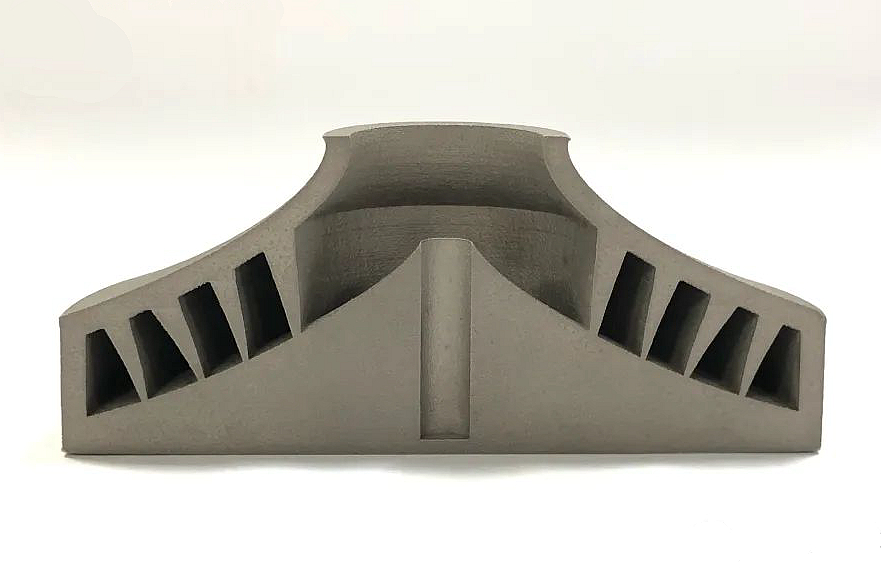
Le WAAM excelle dans la production de pièces en aluminium de taille moyenne à très grande — composants structurels à l'échelle du mètre, réservoirs sous pression, nervures aérospatiales et boîtiers du secteur de l'énergie — là où le SLM/DMLS serait limité par la taille réduite de la chambre de construction et le traitement lent du lit de poudre. Avec le WAAM, les fabricants peuvent produire des structures en aluminium en forme quasi-nette qui remplacent les assemblages soudés, améliorant la résistance à la fatigue et réduisant les points faibles structurels.
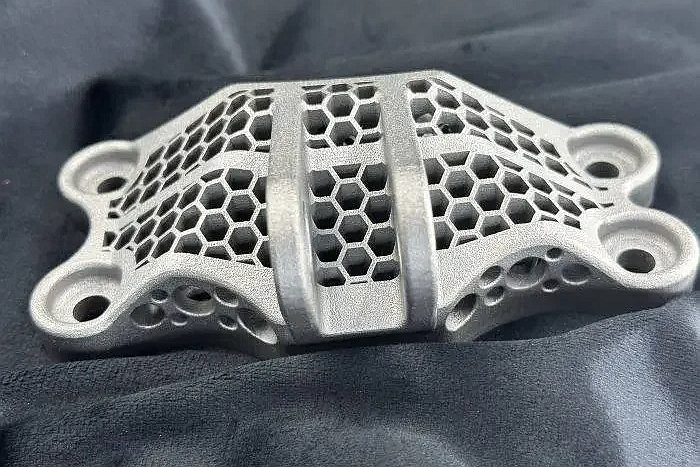
D'autre part, le SLM/DMLS est préféré pour les composants aérospatiaux et automobiles de haute précision qui nécessitent des canaux internes, un remplissage en treillis optimisé et une excellente uniformité mécanique. La fusion sur lit de poudre permet des géométries très complexes que le WAAM ne peut pas réaliser en raison de son bain de fusion plus grand et de sa précision géométrique moindre.
État de Surface et Post-Traitement
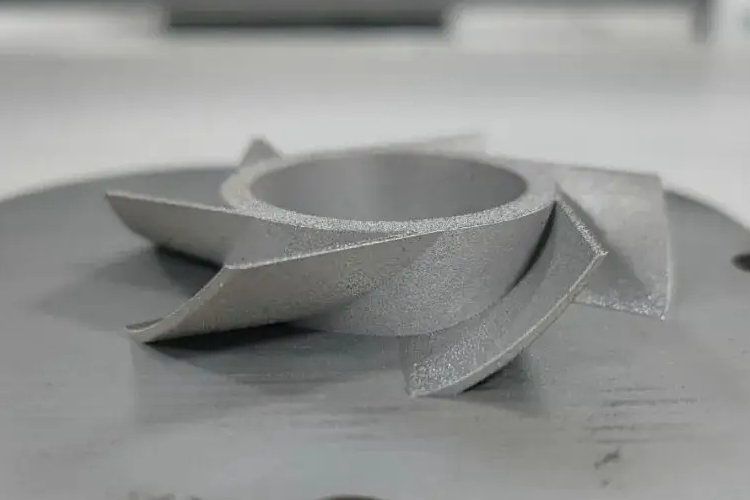
Le WAAM produit généralement un état de surface plus rugueux et nécessite un usinage plus important pour atteindre la précision dimensionnelle finale. Cependant, comme le WAAM construit plus rapidement et utilise un fil d'apport rentable, le coût global des grands composants reste compétitif. Les procédés sur lit de poudre atteignent généralement une meilleure précision à l'impression et une meilleure qualité de surface, réduisant la quantité d'usinage de finition nécessaire.
Les deux procédés peuvent être intégrés avec de l'usinage en aval, des traitements thermiques et des tests de matériaux pour répondre aux normes aérospatiales, énergétiques et industrielles.
Apport Thermique et Propriétés des Matériaux
Le WAAM introduit un apport thermique plus élevé, ce qui peut entraîner des structures de grains plus grossières si elles ne sont pas correctement contrôlées. Des stratégies avancées de planification de trajectoire et de refroidissement actif sont utilisées pour stabiliser les propriétés mécaniques des pièces en aluminium fabriquées par WAAM. En revanche, le SLM/DMLS permet d'obtenir des microstructures très fines grâce à la solidification rapide de la poudre, ce qui se traduit par des rapports résistance/poids élevés et une excellente uniformité du matériau.