Quels secteurs bénéficient le plus de la WAAM, et pourquoi ?
Secteurs qui bénéficient le plus de la WAAM et pourquoi
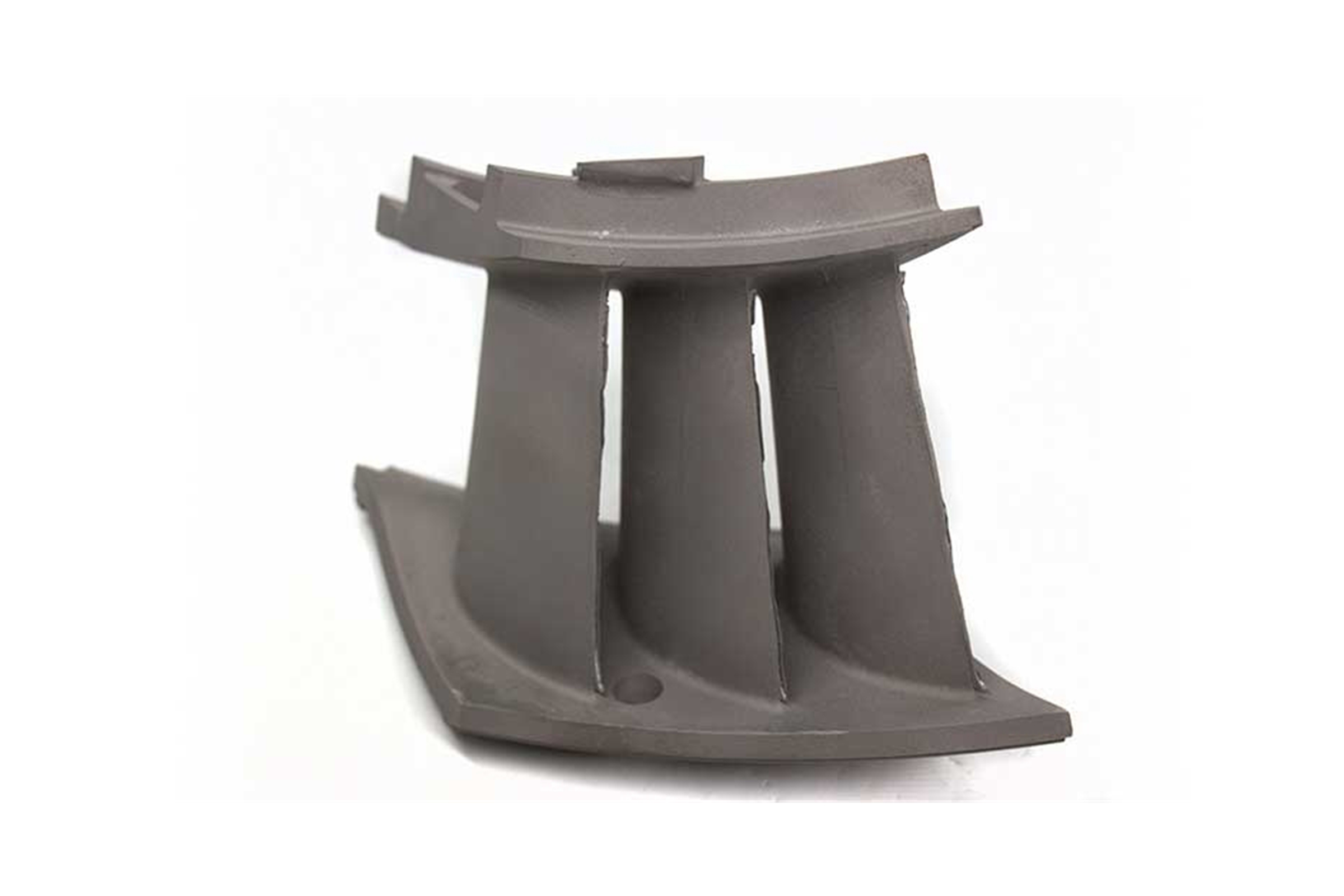
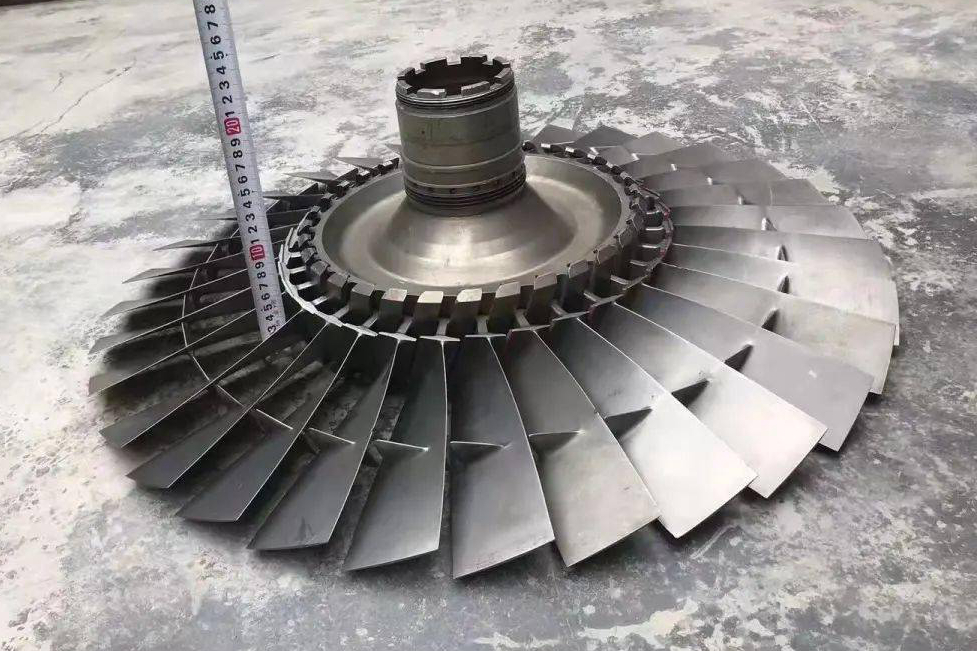
La technologie WAAM est particulièrement précieuse dans les secteurs où les performances à haute température, l'optimisation du poids et la fabrication rapide de composants de grande taille ou complexes sont critiques. L'industrie aérospatiale et aéronautique tire des avantages significatifs en utilisant la WAAM pour produire des supports légers, des raccords structurels et des composants de turbine réparés en alliages de titane et à base de nickel. La WAAM permet la création de canaux de refroidissement internes et de structures optimisées topologiquement qui réduisent la consommation de carburant tout en maintenant des rapports résistance/poids élevés.
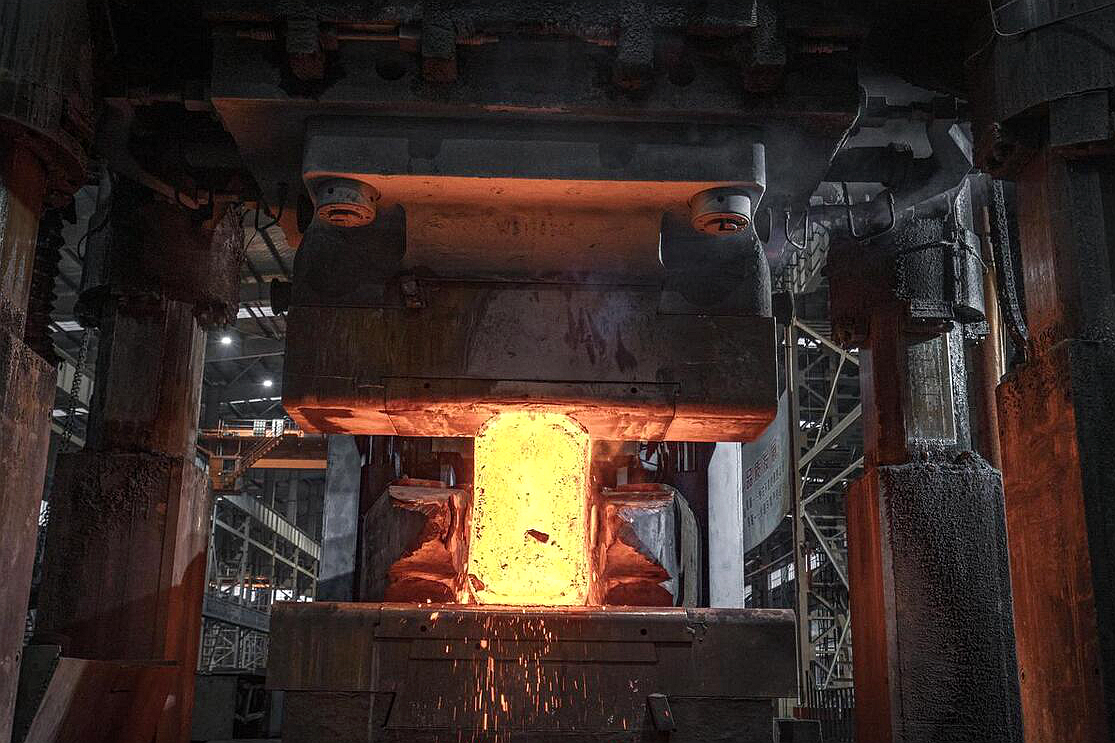
Dans le secteur de la production d'énergie, la WAAM permet la fabrication de carter de turbine à grande échelle, de chemises de combustion et de pièces résistantes à la chaleur en utilisant des alliages tels que l'Inconel et le Hastelloy. Par rapport au moulage ou au forgeage, la WAAM offre des délais de fabrication plus courts et élimine le besoin de grands moules et d'un usinage extensif, la rendant plus rentable pour la production en petites séries.
Autres applications industrielles
La WAAM est également de plus en plus utilisée dans l'ingénierie pétrolière et gazière et marine pour les boîtiers résistants à la corrosion, les supports structurels et les composants de gestion de pression. La capacité à réparer des pièces usées ou endommagées au lieu de les remplacer entièrement rend la WAAM particulièrement précieuse pour la maintenance des systèmes critiques et la réduction des temps d'arrêt.
Avec les avancées continues en matière de surveillance, de post-traitement et de tests et analyses de matériaux, la WAAM se positionne comme une solution de fabrication stratégique pour les secteurs de la défense, des machines lourdes et de l'énergie qui nécessitent des composants métalliques solides, fiables et rentables.