Quels sont les avantages du WAAM par rapport aux méthodes de fabrication traditionnelles ?
WAAM vs. Méthodes de Fabrication Traditionnelles
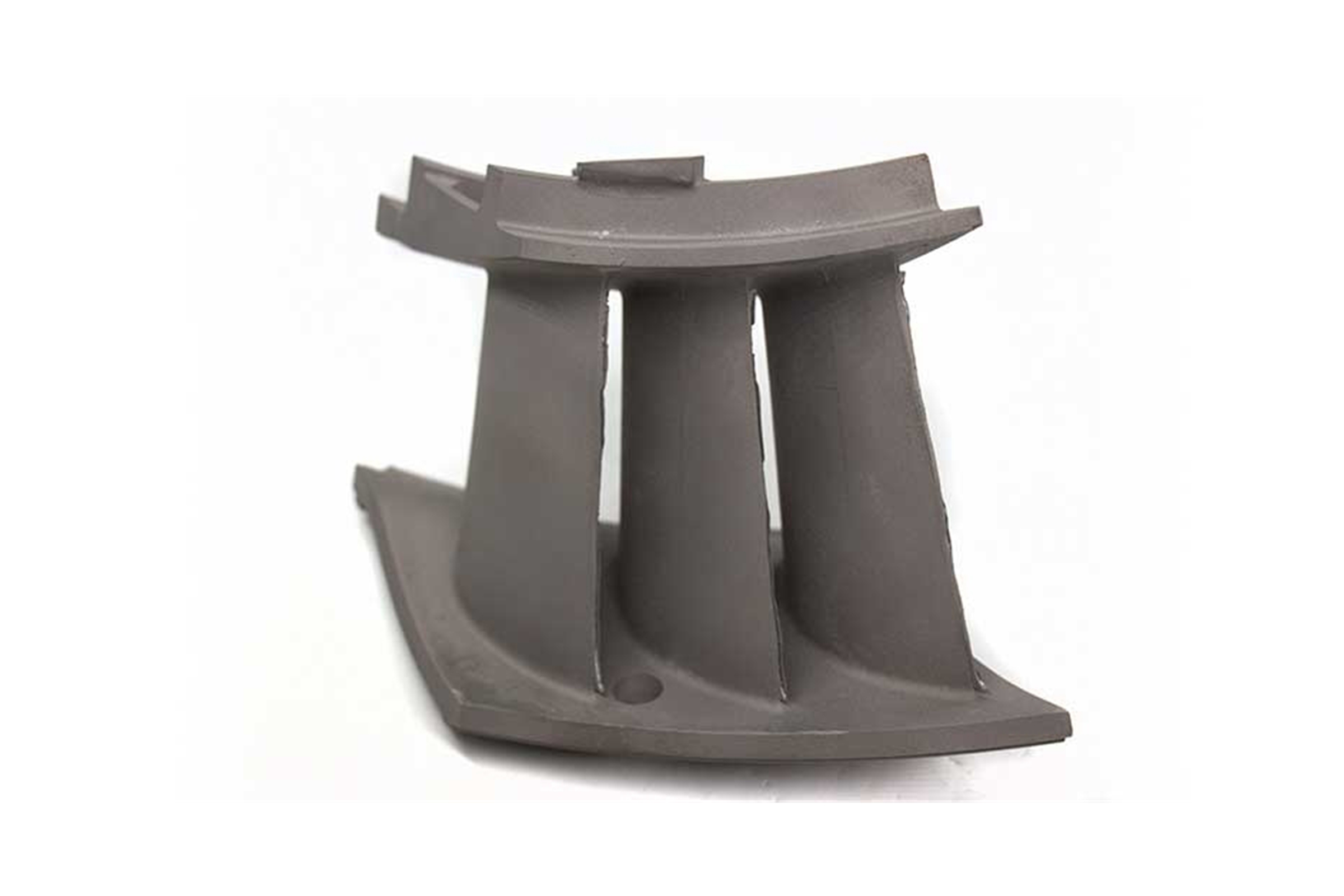
La Fabrication Additive par Arc avec Fil (WAAM) offre des avantages clés par rapport aux méthodes conventionnelles telles que le forgeage, le moulage ou l'usinage. Le WAAM permet une fabrication de forme quasi-nette avec un gaspillage de matière significativement plus faible, en particulier lors de la production de composants volumineux ou complexes en superalliage et en titane. Par exemple, l'usinage traditionnel du Ti-6Al-4V entraîne souvent des taux de rebut élevés, tandis que le WAAM peut construire la géométrie requise couche par couche avec jusqu'à 90 % d'utilisation de la matière.
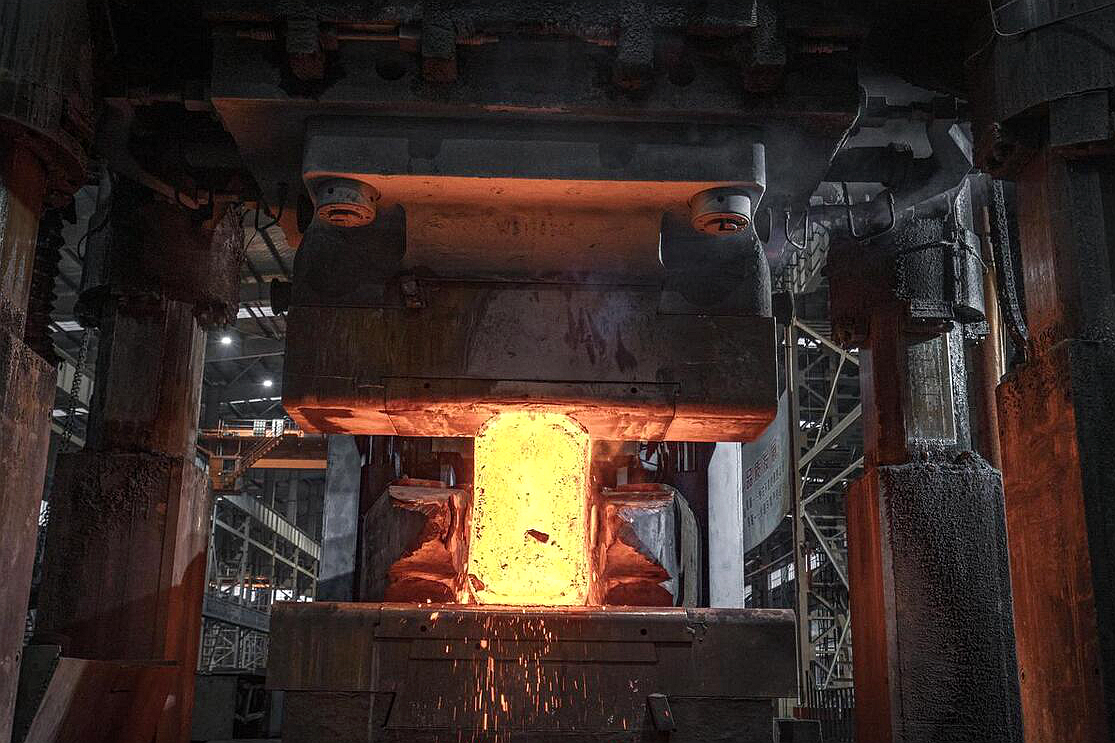
Le WAAM est également avantageux pour produire des composants aérospatiaux ou énergétiques surdimensionnés difficiles à mouler ou à forger. Les procédés conventionnels peuvent nécessiter des outillages coûteux et des délais de livraison longs, tandis que le WAAM peut générer de grandes structures métalliques directement à partir de modèles CAO, réduisant considérablement le temps de production. Lorsqu'il est combiné avec des post-traitements tels que l'usinage CNC ou le traitement thermique, la précision finale et les propriétés mécaniques peuvent égaler ou dépasser celles des composants forgés.
Flexibilité de Conception et Capacité de Réparation
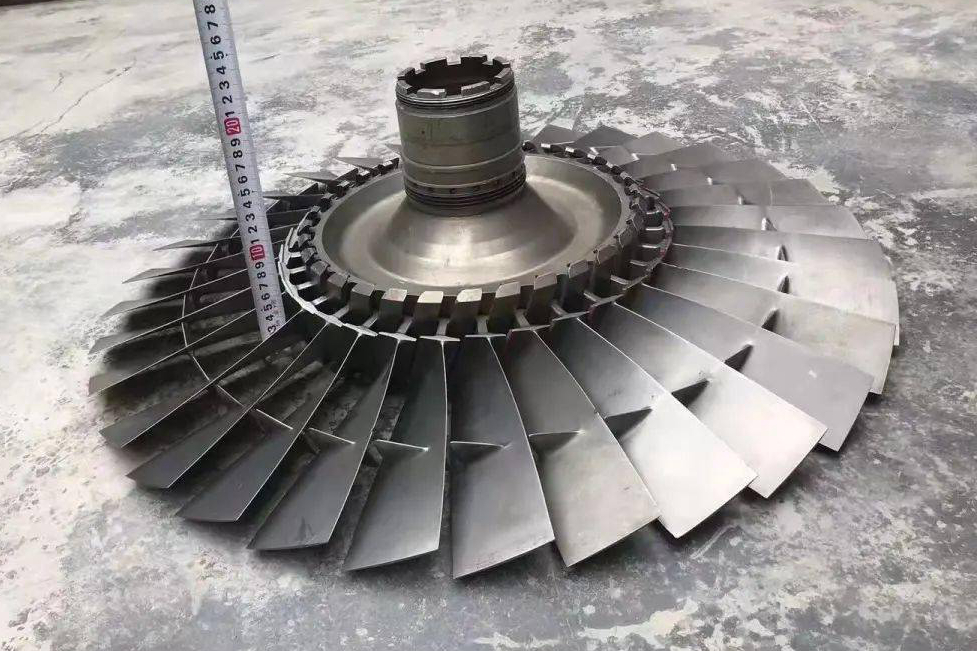
Le WAAM permet l'optimisation structurelle par la variation de l'épaisseur des parois, des formes en treillis et des zones de renforcement, ce que la fabrication soustractive traditionnelle ne peut pas facilement réaliser. De plus, le WAAM permet de réparer ou de modifier des composants à haute valeur ajoutée au lieu de les remplacer entièrement, ce qui est particulièrement utile dans l'aérospatial et l'aviation ou les équipements de production d'énergie où les coûts d'arrêt sont critiques. Une aube ou un carter en superalliage endommagé peut être reconstruit en utilisant le WAAM et ensuite fini par usinage CNC ou traitement thermique.
Intégration des Matériaux et des Procédés
Le WAAM convient à une large gamme d'alliages, y compris les nuances à base de nickel telles que l'Inconel 625, le Stellite 6 à base de cobalt et les alliages de titane utilisés dans les structures aérospatiales légères. En intégrant le WAAM avec l'inspection et les tests et analyses de matériaux, les fabricants peuvent atteindre une qualité reproductible tout en réduisant les coûts et les délais par rapport aux voies de fabrication traditionnelles.