18Ni300 (1.2709)
Introducción al Material
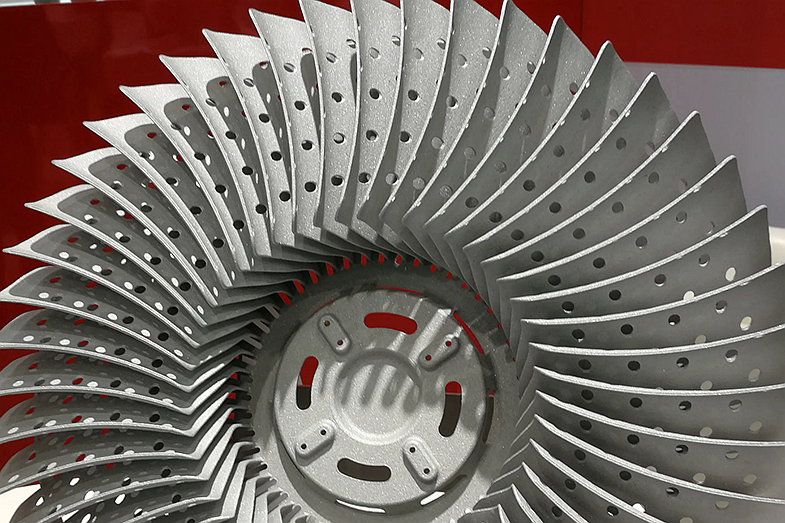
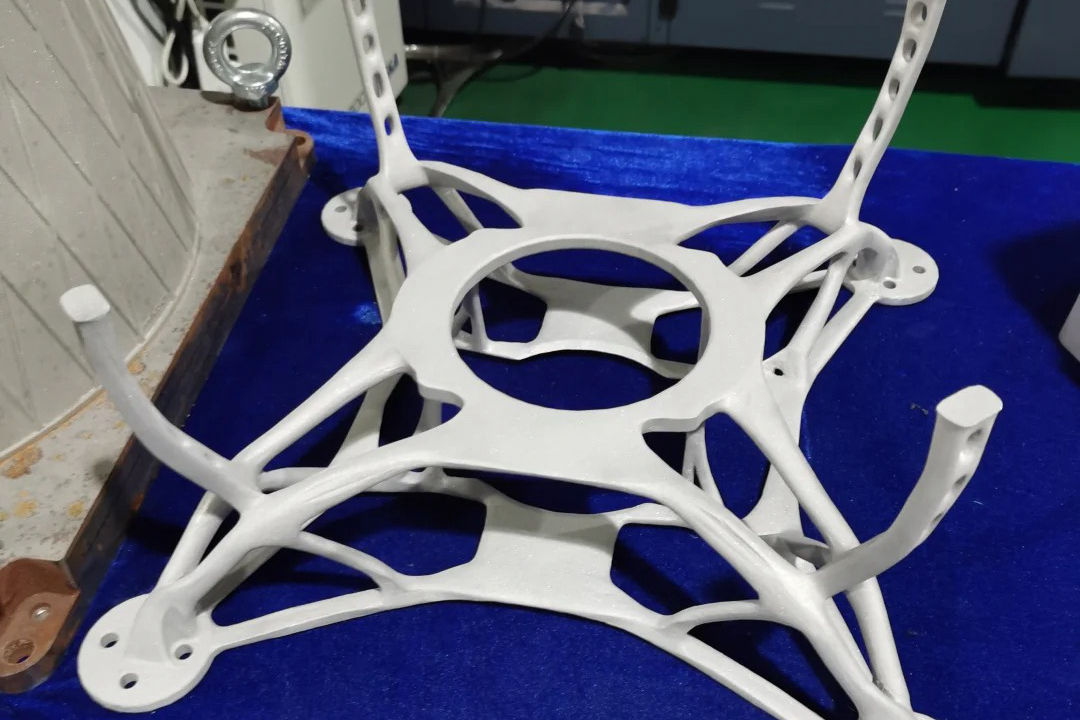
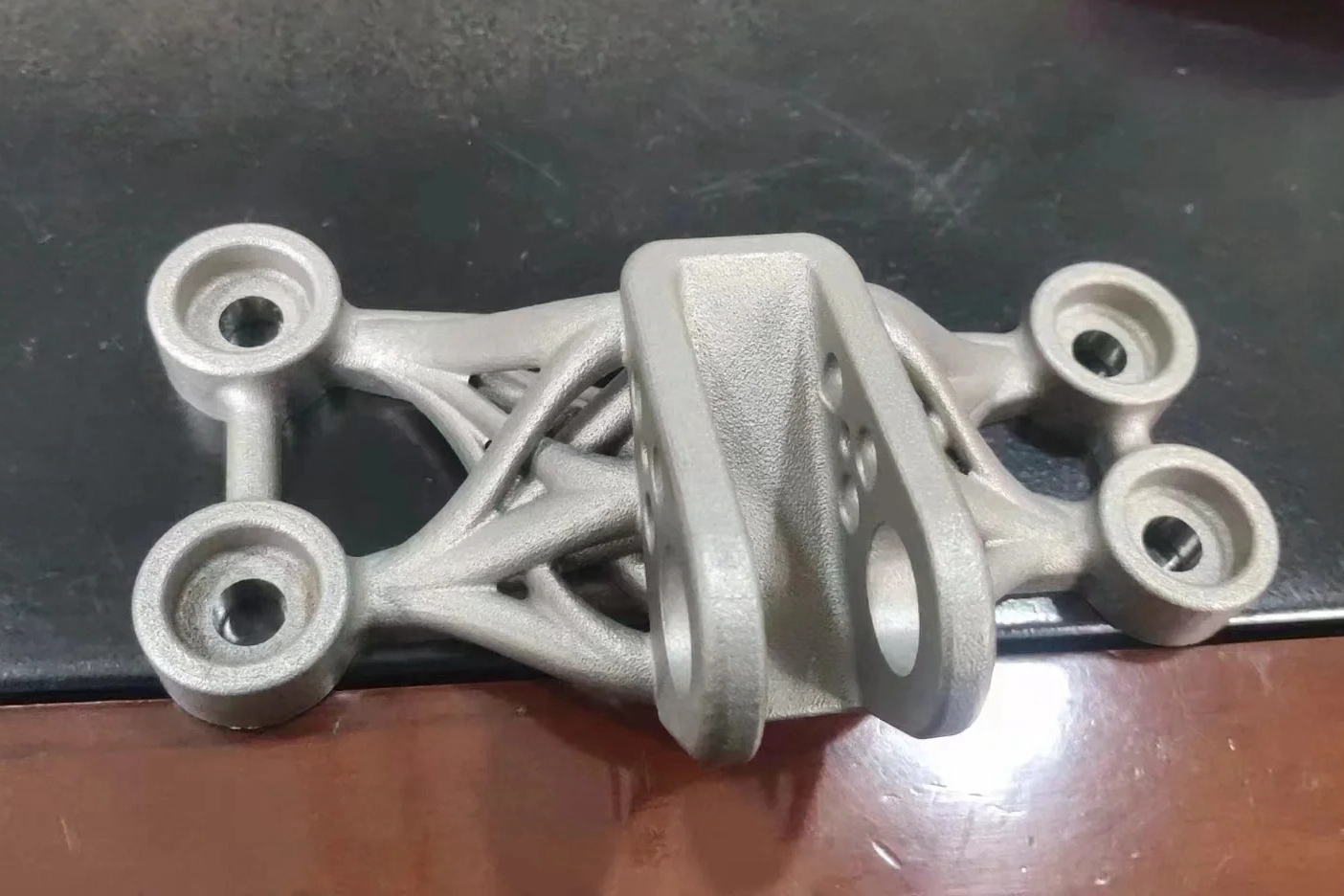
El 18Ni300, también conocido como acero maraging 1.2709, es uno de los aceros para herramientas de ultraalta resistencia más utilizados en la fabricación aditiva de metales. Como aleación martensítica de endurecimiento por precipitación, ofrece una tenacidad excepcional, una estabilidad dimensional sobresaliente y una resistencia a la tracción muy elevada después del envejecimiento. Mediante la tecnología avanzada de impresión 3D de acero inoxidable de Neway AeroTech, el 18Ni300 permite la fabricación rápida de moldes listos para producción, componentes de utillaje, piezas mecánicas y elementos estructurales de alta carga. Su contenido de carbono casi nulo garantiza una excelente soldabilidad y resistencia al agrietamiento, lo que lo hace ideal para geometrías complejas y estructuras de refrigeración conformal que el mecanizado tradicional no puede lograr. La respuesta predecible al envejecimiento del material permite a los ingenieros alcanzar niveles de dureza comparables a los de los aceros para herramientas premium, convirtiendo al 18Ni300 en una solución de alto rendimiento y gran versatilidad para utillaje impreso en 3D de grado industrial y aplicaciones de ingeniería.
Nombres Internacionales o Grados Representativos
Región | Nombre Común | Grados Representativos |
|---|---|---|
EE. UU. | Acero Maraging 300 | 18Ni300 |
Europa | Acero para Herramientas 1.2709 | X3NiCoMoTi 18-9-5 |
Japón | Acero Maraging de Alta Resistencia | 18Ni300 |
China | Acero Maraging de Ultraalta Resistencia | 18Ni300 |
Industria de Moldes | Acero para Herramientas Maraging | Grado 300 |
Opciones de Materiales Alternativos
Dependiendo de las demandas de la aplicación, varios materiales metálicos alternativos ofrecen ventajas de rendimiento complementarias. Para entornos sensibles a la corrosión, el acero inoxidable de endurecimiento por precipitación, como el Corrax, proporciona una excelente dureza con una resistencia a la corrosión superior. Para geometrías de alta resistencia general, el 17-4 PH ofrece un equilibrio entre tenacidad y estabilidad frente a la corrosión. Si se requiere una mayor capacidad a altas temperaturas, las aleaciones base níquel como el Inconel 718 o el Inconel 625 ofrecen una resistencia superior a la fluencia y a la oxidación. Para aplicaciones que requieren un rendimiento extremo al desgaste, las aleaciones base cobalto como el Stellite 6 garantizan una larga duración en entornos abrasivos. Donde la reducción de peso es esencial, las aleaciones de titanio de alto rendimiento como el Ti-6Al-4V ofrecen relaciones resistencia-peso superiores.
Propósito de Diseño
El 18Ni300 fue desarrollado originalmente para proporcionar un acero para herramientas con resistencia excepcional, distorsión extremadamente baja y alta tenacidad después del tratamiento de envejecimiento. Su muy bajo contenido de carbono previene la fragilidad, permitiendo que los componentes se suelden y traten térmicamente con excelente estabilidad. En la impresión 3D, el 18Ni300 es especialmente valorado para producir moldes con refrigeración conformal, utillaje industrial de alta carga y piezas mecánicas complejas que requieren una precisión dimensional predecible. Su intención de diseño se alinea perfectamente con la capacidad de la fabricación aditiva para producir componentes optimizados, ligeros y diseñados con precisión sin comprometer la integridad del material.
Composición Química (Típica)
Elemento | Composición (%) |
|---|---|
Hierro (Fe) | Equilibrio |
Níquel (Ni) | 17–19 |
Cobalto (Co) | 8–12 |
Molibdeno (Mo) | 4.5–5.2 |
Titanio (Ti) | 0.6–1.2 |
Aluminio (Al) | ≤ 0.1 |
Carbono (C) | ≤ 0.03 |
Silicio (Si) | ≤ 0.1 |
Manganeso (Mn) | ≤ 0.1 |
Propiedades Físicas
Propiedad | Valor |
|---|---|
Densidad | ~8.0 g/cm³ |
Conductividad Térmica | 14–16 W/m·K |
Resistividad Eléctrica | ~0.75 μΩ·m |
Calor Específico | ~460 J/kg·K |
Temperatura de Envejecimiento | 480–520°C |
Propiedades Mecánicas
Propiedad | Valor Típico |
|---|---|
Resistencia a la Tracción | 1900–2100 MPa (envejecido) |
Límite Elástico | 1800–1950 MPa |
Dureza | 50–54 HRC (después del envejecimiento) |
Alargamiento | 3–6% |
Tenacidad al Impacto | Alta para aceros ultraresistentes |
Características Clave del Material
Resistencia mecánica extremadamente alta después del tratamiento de envejecimiento
Excelente tenacidad y ductilidad para acero de ultraalta resistencia
Contenido de carbono muy bajo asegura alta soldabilidad y resistencia al agrietamiento
Estabilidad dimensional sobresaliente después del tratamiento térmico
Respuesta predecible al envejecimiento para un control preciso de la dureza
Ideal para insertos de moldes de alta resistencia y componentes de utillaje
Excelente imprimibilidad con riesgo mínimo de porosidad cuando se procesa correctamente
Compatible con canales de refrigeración internos complejos para moldes de inyección
Resistencia superior a la fatiga para cargas mecánicas cíclicas
Rendimiento altamente fiable en operaciones industriales a largo plazo
Fabricabilidad en Diferentes Procesos
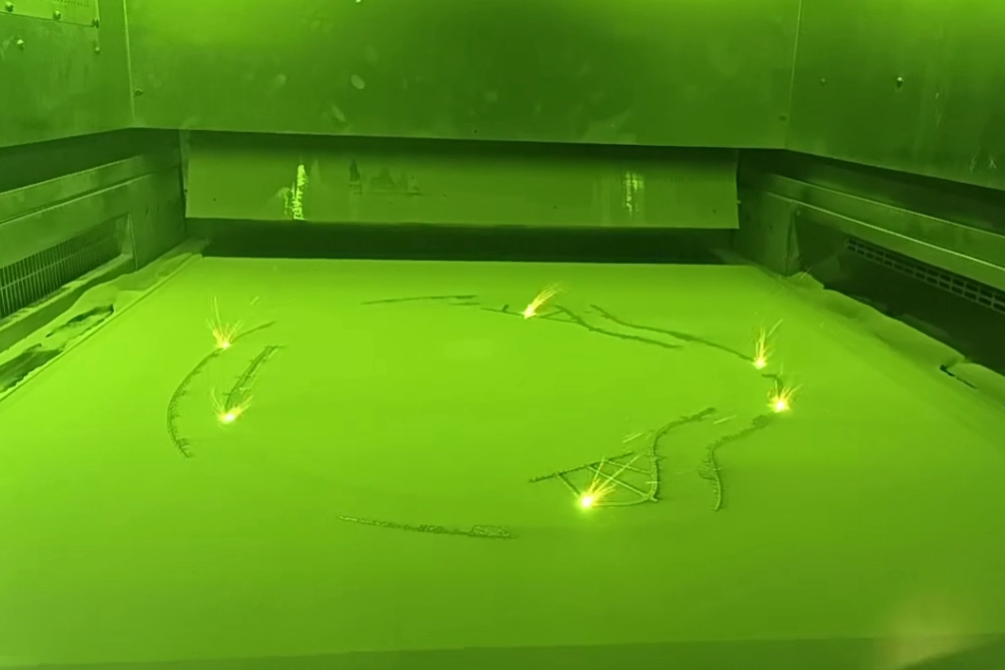
Fabricación aditiva: La fusión en lecho de polvo permite la producción de utillaje y componentes mecánicos de alta densidad y grado de producción mediante impresión 3D de acero inoxidable.
Mecanizado CNC: Se mecaniza eficazmente en estado tratado en solución y complementa el acabado de precisión utilizando mecanizado CNC de superaleaciones.
EDM: Adecuado para acabados detallados y contorneado preciso mediante EDM de superaleaciones.
Perforación de agujeros profundos: Compatible con métodos avanzados de perforación de agujeros profundos para canales de refrigeración complejos.
Tratamiento térmico: Responde de manera fiable al tratamiento en solución y al envejecimiento mediante tratamiento térmico de superaleaciones.
Soldadura: Puede soldarse con el control adecuado y fortalecerse aún más mediante envejecimiento usando soldadura de superaleaciones.
Fundición: Aunque no es una aleación de fundición, la metalurgia del acero maraging se alinea con la lógica del procesamiento de aceros de alta resistencia.
Métodos de Post-procesamiento Adecuados
Tratamiento de envejecimiento para lograr ultraalta resistencia y la dureza objetivo
Prensado Isostático en Caliente (HIP) mediante procesamiento HIP para eliminar la porosidad interna
Mecanizado de precisión y rectificado para acabados superficiales de calidad de molde
Pulido para aplicaciones ópticas o de moldes de inyección
Tratamientos de endurecimiento superficial para mejorar la resistencia al desgaste
Inspección no destructiva utilizando ensayos de materiales avanzados
Limpieza y procesamiento fino para canales de refrigeración conformal
Industrias y Aplicaciones Comunes
Insertos para moldes de inyección y utillaje con refrigeración conformal
Componentes mecánicos de alta resistencia y partes estructurales
Utiles, dispositivos de sujeción y elementos de utillaje aeroespacial
Moldes prototipo automotrices y componentes estructurales ligeros
Componentes de maquinaria industrial que requieren resistencia extremadamente alta
Piezas de defensa e ingeniería sometidas a cargas cíclicas pesadas
Cuándo Elegir Este Material
Cuando se requiere simultáneamente ultraalta resistencia y tenacidad
Cuando el utillaje debe soportar altas cargas y ciclos mecánicos frecuentes
Cuando la precisión dimensional y el tratamiento térmico de baja distorsión son esenciales
Cuando se producen moldes con refrigeración conformal mediante fabricación aditiva
Cuando son necesarias la soldabilidad y el aumento de resistencia post-envejecimiento
Cuando la durabilidad a largo plazo supera el costo inicial del material
Cuando se diseñan componentes ligeros de alta resistencia sin compromisos de rendimiento
Cuando el prototipado rápido de utillaje funcional debe coincidir con el rendimiento de grado de producción
Explorar blogs relacionados