
Verwirklichen Sie Ihre Ideen mit unserem fortschrittlichen Kunststoff-3D-Druckservice
Einführung in das schnelle Kunststoff-Prototyping
Kunststoff-3D-Druck ermöglicht schnelles und kosteneffizientes Prototyping mit komplexen Geometrien, funktionaler Genauigkeit und minimalen Durchlaufzeiten. Von der frühen Designphase bis zur funktionalen Validierung ist er die ideale Lösung für iterative Entwicklungen und Tests mit kleinen Stückzahlen.
Bei Neway Aerotech hilft unser Kunststoff-3D-Druckservice dabei, Konzepte mithilfe von SLA-, FDM-, SLS- und MJF-Technologien in greifbare, hochauflösende Teile zu verwandeln.
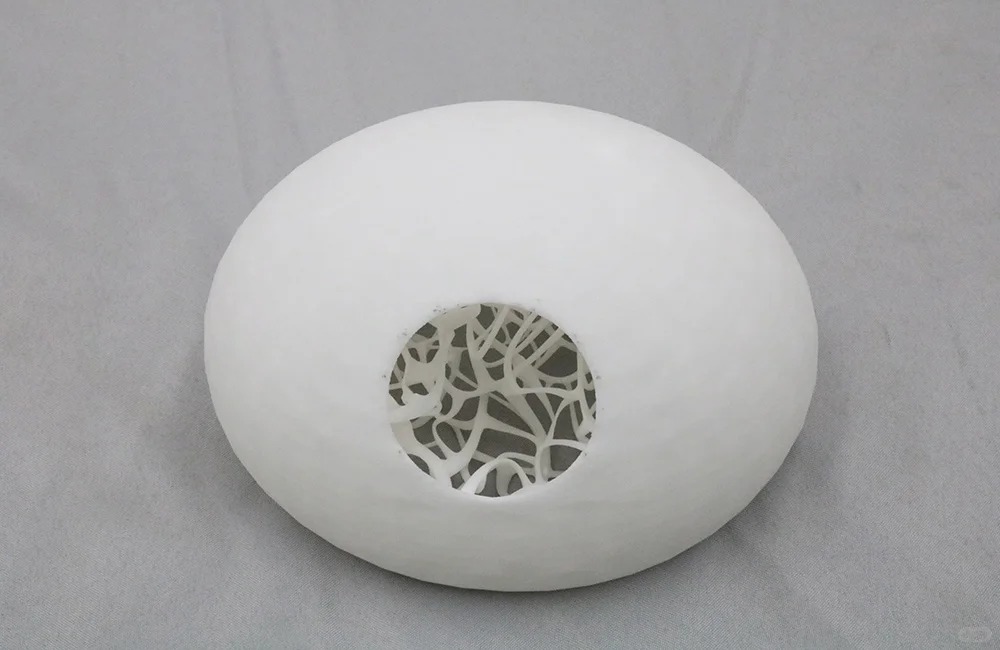
Überblick über die Kunststoff-3D-Drucktechnologie
Klassifizierung der Kunststoff-3D-Druckverfahren
Verfahren | Schichtdicke (μm) | Toleranz (mm) | Oberflächengüte (Ra, μm) | Typische Anwendungen | Maximales Bauvolumen (mm) |
|---|---|---|---|---|---|
FDM | 100–300 | ±0,2–0,5 | 10–20 | Mechanische Testmodelle, Vorrichtungen, Halterungen | 300 × 300 × 400 |
SLA | 25–100 | ±0,05–0,15 | 1–5 | Ästhetische Modelle, Passkontrollen | 145 × 145 × 175 |
SLS | 80–120 | ±0,1–0,3 | 8–12 | Schnappverschlussteile, flexible Komponenten | 320 × 320 × 600 |
MJF | 70–100 | ±0,1–0,25 | 6–10 | Funktionale Prototypen, Produktion | 380 × 284 × 380 |
Hinweis: Die Ergebnisse variieren je nach Orientierung, Bauteilgröße und Material.
Strategie zur Verfahrensauswahl
FDM: Schnelle, kostengünstige Methode für grundlegende Validierungen und mechanische Tests in frühen Phasen.
SLA: Ideal für präzise visuelle Modelle und Teile mit feinen Oberflächendetails.
SLS: Wird für funktionale Teile mit produktionähnlichen Eigenschaften, internen Merkmalen und flexiblen Gelenken verwendet.
MJF: Hervorragend geeignet für technische Prototypen mit konsistenter Festigkeit und skalierbaren Kleinserien.
Kunststoffmaterialien für das Prototyping
Materialvergleich für Prototyping-Anwendungen
Material | Festigkeit (MPa) | Wärmeformbeständigkeit (HDT, °C) | Eigenschaften | Häufige Prototyp-Anwendungen |
|---|---|---|---|---|
PLA | ~60 | ~55 | Einfach zu drucken, umweltfreundlich | Produktmodelle, Bildung, visuelle Hilfsmittel |
ABS | ~45 | ~96 | Langlebig, bearbeitbar, chemisch stabil | Gehäuse, Automotive-Mockups |
PETG | ~50 | ~70 | Zäh, witterungsbeständig, transluzent | Gehäuse, Konsolen, medizinische Testteile |
PA12 (Nylon) | ~50 | ~180 | Flexibel, abriebfest | Schnappverschlüsse, Clips, Belastungstests |
Harz (Standard) | ~40 | ~50 | Glatte Oberfläche, detailreich | Mockups für Konsumgüter, Schmuck |
Strategie zur Materialauswahl
PLA: Geeignet für visuelle Konzepte in frühen Phasen und schnelle Iterationen.
ABS: Wird verwendet, wenn mechanische Eigenschaften und chemische Beständigkeit wichtig sind.
PETG: Bietet eine hervorragende Balance zwischen Festigkeit, Duktilität und Oberflächenfinish.
Nylon PA12: Ideal für funktionale, bewegliche Prototypen, die echte Haltbarkeit erfordern.
SLA-Harz: Am besten für visuelle Attraktivität und die Überprüfung feiner Details bei Designs für den Konsumgüterbereich.
Fallstudie: Prototyping von Gehäusen für tragbare Geräte mit SLA und MJF
Projekthintergrund
Ein Start-up im Bereich tragbarer Elektronik wandte sich an uns, um Außengehäuse für ein biometrisches Armband zu prototypisieren. Der Kunde benötigte präzise Geometrien, schnelle Iterationen und eine Simulation der Endanwendungsqualität.
Arbeitsablauf in der Fertigung
Designoptimierung: Wandstärke auf 1,5 mm verfeinert, Verrundungen hinzugefügt, um Spannungskonzentrationen zwischen den Schichten zu reduzieren.
Eingesetzte Technologie: SLA-Druck für ästhetische Vordergehäuse, MJF-Druck für strukturelle Rückplatten.
Ausgewähltes Material: SLA-Harz für Oberflächenklarheit; MJF PA12 für Schnappverschlussfunktionalität und Hitzebeständigkeit.
Nachbearbeitung: SLA-Teile poliert und UV-gehärtet; MJF-Teile kugelgestrahlt und gebohrt, um die Elektronik einzupassen.
Passvalidierung: Elektronik eingesetzt, Tasten und Anschlüsse unter realen Montagebedingungen auf ±0,15 mm Toleranz geprüft.
Nachbearbeitungsprozess
Oberflächenveredelung: SLA-Vorderschalen auf <5 μm Ra poliert, bereit für die Präsentation im Showroom.
Dimensionale Abstimmung: Toleranzen für Schnappverschlüsse manuell auf ±0,1 mm nachbearbeitet für eine sichere und wiederholbare Montage.
3D-Scanning: Berührungslose Inspektion gewährleistete Konsistenz über eine Pilotserie von 20 Einheiten.
Ergebnisse und Verifizierung
Jedes Prototyp-Gehäuse passte alle PCB- und mechanischen Einschränkungen ohne Verformung oder Verzug nach 5 Stunden thermischer Prüfung.
Die Teile übertrafen die ästhetischen Ziele, eliminierten die Notwendigkeit externer Lackierungen und reduzierten die Kosten im Vergleich zur traditionellen Zerspanung um 22 %.
Der Kunde genehmigte das Design und setzte die MJF-Produktion mit dem validierten Prototyp-STL fort, wobei keine Änderungen erforderlich waren.
Die Durchlaufzeit des Prototyps vom CAD bis zur testbereiten Probe wurde in 4 Arbeitstagen abgeschlossen.
Häufig gestellte Fragen (FAQs)
Wie lang ist die typische Lieferfrist für prototypische 3D-gedruckte Kunststoffteile?
Wie genau sind die Abmessungen von SLA-, FDM- und MJF-Teilen?
Können Sie mehrere Materialien in einem Prototyp-Build kombinieren?
Was ist die beste Methode für funktionale Prototypen mit Scharnieren oder Gewinden?
Sind hochhitzebeständige Kunststoffe für funktionierende Prototypen verfügbar?
