
Next-Generation Aluminium-3D-Druck für Luft- und Raumfahrt sowie Automobilanwendungen
Einführung in den Next-Gen-Aluminium-3D-Druck
Die additive Fertigung mit Aluminium gestaltet die Zukunft der Leichtbaukonstruktion neu und ermöglicht komplexe Geometrien mit überlegenen Festigkeits-Gewichts-Verhältnissen. Für die Luft- und Raumfahrtindustrie sowie die Automobilindustrie kombiniert der Next-Gen-Aluminium-3D-Druck Leistung, Gewichtsreduzierung und beschleunigte Entwicklungszyklen.
Bei Neway Aerotech nutzt unser Service für Aluminium-3D-Druck hochleistungsfähige Aluminiumlegierungen wie AlSi10Mg, um präzise und zuverlässige Komponenten für anspruchsvolle Anwendungen zu liefern.
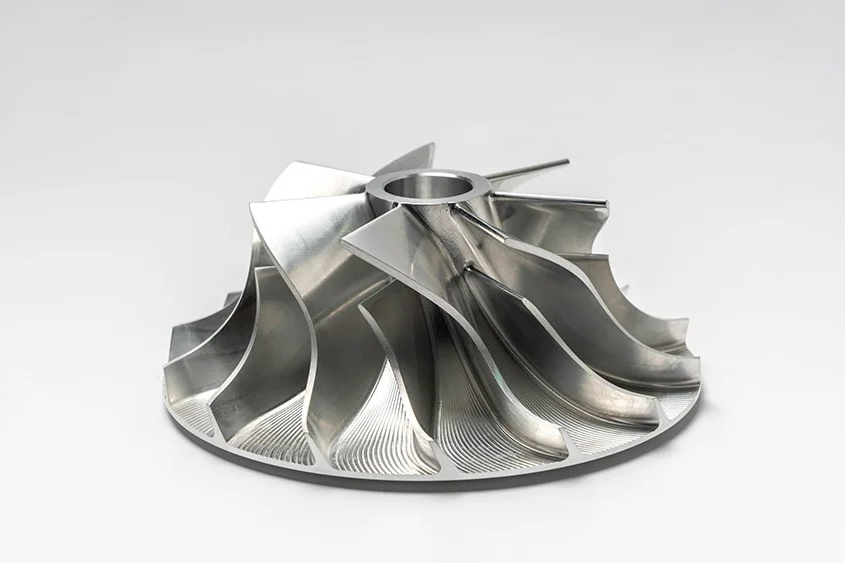
Aluminiumlegierungen für den 3D-Druck
Häufig verwendete Legierungen
Legierungstyp | Beschreibung | Anwendungen |
|---|---|---|
Ausgezeichnete Festigkeit, Korrosionsbeständigkeit, Schweißbarkeit | Motorgehäuse, UAV-Halterungen, Motorgehäuse | |
AlSi7Mg | Bessere Dehnung, etwas geringere Festigkeit | Komplexe Luft- und Raumfahrtstrukturen, die Duktilität erfordern |
Scalmalloy | Scandium-modifiziert, ultraleicht mit sehr hoher Ermüdungsbeständigkeit | Komponenten für die Raumfahrt, Hochleistungs-Federbeine |
Vorteile für die Luft- und Raumfahrtindustrie sowie die Automobilindustrie
Leistungsvorteile
Bis zu 60 % Gewichtsreduzierung durch Topologieoptimierung
Interne Gitter- oder Kanalstrukturen für verbesserten Wärmeübergang und reduzierte Masse
Funktional integrierte Bauteile, die Montageschritte und Befestigungselemente reduzieren
Ausgezeichnete spezifische Festigkeit (UTS > 400 MPa für AlSi10Mg)
Korrosionsbeständig und thermisch stabil bis 250 °C
Prozessfähigkeiten: Selektives Laserschmelzen (SLM)
Präzision und Wiederholgenauigkeit
Mit dem SLM-3D-Druck erzielen wir dichte Aluminiumkomponenten mit hoher Integrität, die ideal für missionskritische Systeme sind.
Schlüsselparameter:
Bauraumgröße: bis zu 300 × 300 × 400 mm
Laserleistung: 400–500 W
Minimale Merkmalsgröße: 0,6 mm
Genauigkeit: ±0,1 mm
Oberflächenrauheit (wie gebaut): Ra 8–15 μm
Dichte: ≥99,8 % mit optimaler Scanstrategie
Nachbearbeitung und Verbesserung
Standard- und fortschrittliche Techniken
Spannungsarmglühen: 300–320 °C für 2–3 Stunden
HIP: Optional für ermüdungskritische Teile
CNC-Bearbeitung: Für präzise Passflächen oder Schnittstellen
Eloxieren: Verbessert die Korrosionsbeständigkeit und elektrische Isolierung
Oberflächenveredelung: Umfasst Strahlen, Polieren oder chemische Reinigung
Fallstudie: UAV-taugliche Aluminium-Avionik-Halterung
Projektübersicht
Ein Entwickler von Luft- und Raumfahrtdrohnen benötigte eine leichte, vibrationsfeste Avionik-Halterung zur Integration in eine Hoch-G-Langzeitflugplattform. Die Zieltoleranzen lagen bei ±0,05 mm mit strengen Anforderungen an Gewicht und Vibration.
Zusammenfassung des Arbeitsablaufs
Designphase: CAD + CAE wurden verwendet, um die Masse durch Gitterfüllung um 45 % zu reduzieren
SLM-Druck: AlSi10Mg, 50 μm Schichten, gesamte Druckzeit 14 Stunden
Nachbearbeitung: Spannungsarmglühen + Bearbeitung, finale Ra ≤ 0,8 μm an den Halterungsflächen
Veredelung: Eloxierte Oberfläche für EMV-Abschirmung und Korrosionsbeständigkeit
Validierung: KMG-Inspektion, Modal Frequenztest, Röntgen-ZfP
Ergebnisse und Leistung
47 % leichter als traditionell gefrästes Vollmaterialteil
Bestanden 12G-Vibrationstests ohne Resonanz oder Materialermüdung
Einhaltung der Maßgenauigkeit innerhalb von ±0,03 mm über alle Montageschnittstellen
Lieferung vom Druck bis zur Fertigstellung in 5 Werktagen
Branchenanwendungen
Luft- und Raumfahrt
Satellitenhalterungen
Wärmetauscher
Gehäuse für Antennen und Nutzlasten
Automobil
Leichtbau-Fahrwerksteile
Individuelle Halterungen und Gehäuse
Komponenten für Turbo-Luft- und Fluidführung
Häufig gestellte Fragen (FAQs)
Welche mechanischen Eigenschaften hat 3D-gedrucktes Aluminium im Vergleich zu Gusssaluminium?
Wie geeignet ist der Aluminium-3D-Druck für Anwendungen zur Kühlung von EV-Batterien?
Können komplexe Baugruppen in einem einzigen 3D-gedruckten Aluminiumbauteil konsolidiert werden?
Welche Oberflächenveredelungsoptionen sind für gedruckte Aluminiumteile verfügbar?
Welche Dateiformate akzeptieren Sie für Einreichungen von Aluminiumteil-Designs?
