
Haynes 188 Superlegierung 3D-gedruckte kundenspezifische Teile Additive-Fertigungsservice
Einführung in die additive Fertigung von Haynes 188
Haynes 188 ist eine kobaltbasierte Superlegierung, die für ihre hervorragende Festigkeit, Oxidationsbeständigkeit und thermische Stabilität bei Temperaturen bis zu 1095 °C bekannt ist. Sie wird häufig in Gasturbinen, Brennkammern, Nachbrennern und heißen Triebwerkskomponenten eingesetzt, wo herkömmliche Legierungen versagen.
Bei Neway Aerotech ermöglichen unsere Superlegierungs-3D-Druckdienste die präzise Herstellung kundenspezifischer Haynes-188-Teile mittels Selective Laser Melting (SLM) für komplexe Geometrien und überlegene Hochtemperaturleistung.
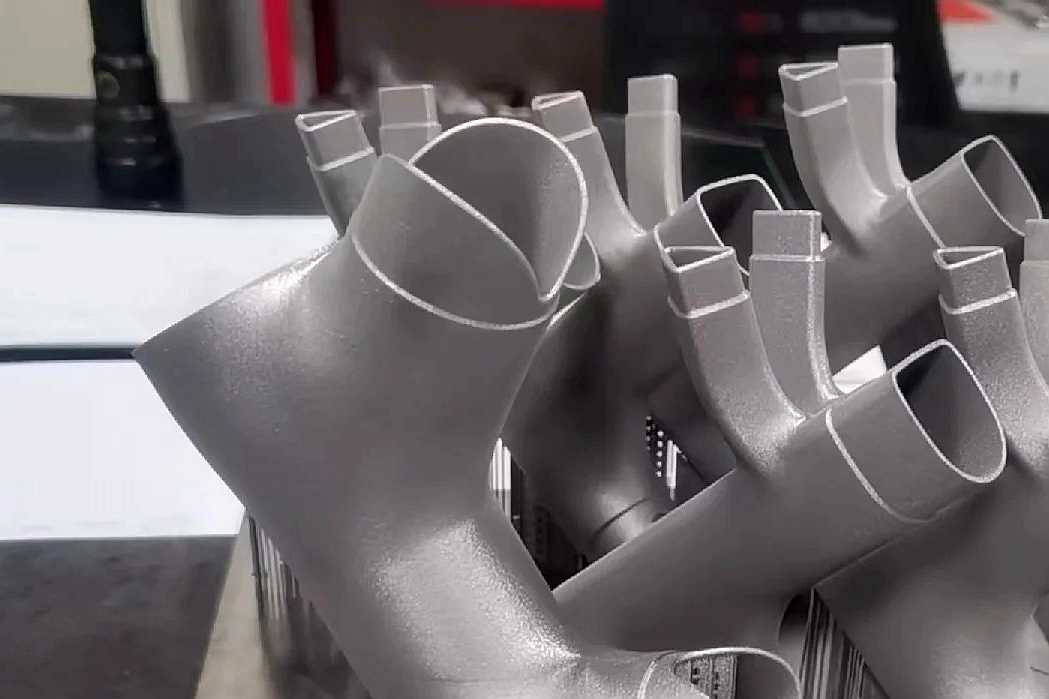
SLM-Prozessfähigkeiten für Haynes-188-Komponenten
Fertigungsparameter
Parameter | Wert | Beschreibung |
|---|---|---|
Drucktechnologie | Selective Laser Melting (SLM) | Ermöglicht die Herstellung komplexer Formen mit hoher Auflösung |
Schichtdicke | 30–50 µm | Unterstützt dünne Wände, Kanäle und Gitterstrukturen |
Kammeratmosphäre | Argon, O₂ < 100 ppm | Verhindert Oxidation während des Drucks |
Nachbearbeitung | HIP, Lösungsglühen, Auslagerung | Verbessert Ermüdungs- und Kriecheigenschaften |
Erreichbare Toleranzen | ±0,05 mm | Geeignet für Merkmale von Brennkammern und Düsen |
Warum Haynes 188 ideal für die additive Fertigung ist
Eigenschaft | Wert | Funktionaler Vorteil |
|---|---|---|
Temperaturgrenze | Bis zu 1095 °C | Geeignet für Brennkammerauskleidungen und Nachbrennerkanäle |
Oxidationsbeständigkeit | Ausgezeichnet | Bewahrt die Integrität in Umgebungen mit hochgeschwindigkeitsflammen |
Kriechbeständigkeit | Stabil bei >1000 °C | Langzeitbeständigkeit in Heißzonen |
Schweißbarkeit | Gut im AM-Prozess | Rissbeständig unter schneller Abkühlung |
Duktilität & Ermüdungsfestigkeit | Hoch | Zuverlässig bei zyklischer thermischer und mechanischer Belastung |
Nachbehandlungsstrategie für 3D-gedruckte Haynes-188-Teile
HIP: 1180 °C bei 100 MPa für 4 Stunden zur Beseitigung von Porosität.
Lösungsglühen: 1175 °C für 2 Stunden, gefolgt von Luftabkühlung.
Auslagerung: Optionale Auslagerung bei 870 °C zur Verbesserung der Festigkeit.
Bearbeitung: CNC-Nachbearbeitung wird auf präzise Bohrungen, Dichtflächen und Gewinde angewendet.
Passivierung und Oberflächenpolitur werden für bauteile verwendet, die der Verbrennung ausgesetzt sind.
Fallstudie: 3D-gedruckter Haynes-188-Drallgenerator für eine Luftfahrt-Brennkammer
Projekthintergrund
Ein Gasturbinenhersteller benötigte eine kundenspezifische Drallgenerator-Komponente für eine Hochtemperatur-Brennkammer. Das Teil erforderte intricate Schaufeln, interne Strömungskanäle und einen langfristigen Betrieb bei 1000 °C. Traditionelles Gießen konnte die erforderliche Dünnwandigkeit und Kanalgeometrie nicht erreichen.
Fertigungsworkflow
Konstruktion: CAD-Modell mit 1 mm Schaufeldicke und integrierten Strömungsumlenkern.
Material: Atomisiertes Haynes-188-Pulver, D50 = 35 µm.
Druck: SLM mit 40 µm Schichtdicke, 350-W-Laser.
Nachbearbeitung: HIP + Glühen + CNC-Bearbeitung von Flanschen und Innenbohrungen.
Inspektion: KMG und Röntgen-ZfP stellten die Einhaltung der dimensions- und metallurgischen Anforderungen sicher.
Ergebnisse und Verifizierung
Der gedruckte Haynes-188-Drallgenerator bestand einen 1200-Stunden-Zyklus-Flammentest bei 980–1040 °C ohne Rissbildung oder Oxidationsschäden. Die endgültige Zugfestigkeit überstieg 93 MPa, und die internen Kanäle behielten einen glatten, sauberen Fluss bei, wobei keine Porosität durch CT-Scan festgestellt wurde.
Häufig gestellte Fragen (FAQs)
Welche Branchen profitieren am meisten von 3D-gedruckten Haynes-188-Komponenten?
Wie schneidet Haynes 188 im Vergleich zu Inconel 625 oder 718 bei Hochtemperatureinsätzen ab?
Was ist die maximale Bauteilgröße, die mit Haynes 188 mittels SLM gedruckt werden kann?
Sind CT-Scans und Röntgeninspektionen für Verbrennungskomponenten enthalten?
Kann Haynes 188 sowohl für rotierende als auch für statische Heißsection-Teile verwendet werden?
