
Hastelloy X Einkristall-Legierungsguss Wärmetauscherkomponenten
Einführung
Wärmetauscherkomponenten in Luft- und Raumfahrtantrieben, chemischen Reaktoren und hocheffizienten Gasturbinen arbeiten unter extremen thermischen Gradienten und korrosiven Umgebungen. Diese Bedingungen erfordern Materialien mit überlegener Thermoschwingfestigkeit, Hochtemperaturfestigkeit und Oxidationsbeständigkeit. Hastelloy X, eine festlösungsgehärtete Nickelbasislegierung, ist für ihre außergewöhnliche Leistung in diesen Umgebungen bekannt. Wenn sie mittels Einkristallguss hergestellt werden, erhalten Hastelloy X-Komponenten durch die Eliminierung von Korngrenzen eine überlegene Kriech- und Ermüdungslebensdauer.
Neway AeroTech bietet Vakuum-Feinguß von Hastelloy X Wärmetauscherkomponenten unter Verwendung von gerichteter Erstarrung und Einkristalltechnologie an. Diese Lösungen werden weit verbreitet in Luft- und Raumfahrt, chemischer Verfahrenstechnik und Energieerzeugung eingesetzt.
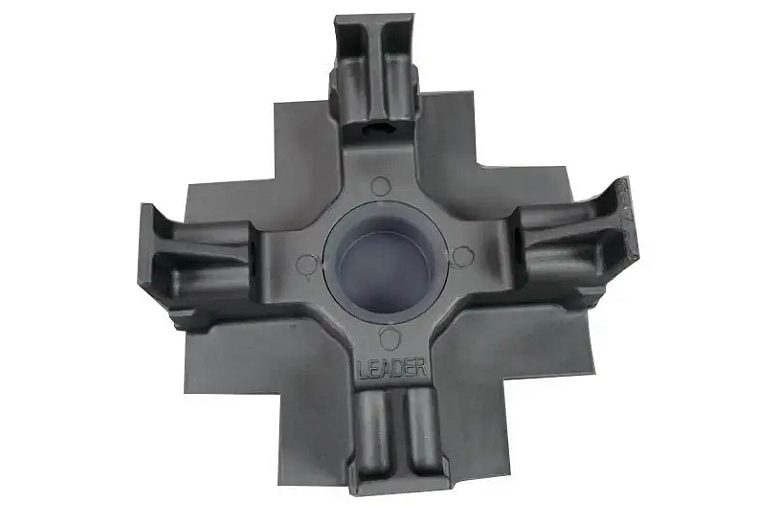
Kerntechnologie des Einkristallgusses für Hastelloy X
Wachsmodellherstellung Hochpräzise Wachsmodelle werden erstellt, um komplexe Wärmetauschergeometrien, einschließlich dünnwandiger Kanäle und serpentinenförmiger Strömungswege, nachzubilden.
Schalenformkonstruktion Mehrschichtige Keramikschalen (6–8 mm dick) werden geformt, um den Temperaturen der gerichteten Erstarrung standzuhalten und die Maßgenauigkeit zu bewahren.
Kornselektor-Integration Spiral-Kornselektoren werden verwendet, um das [001]-Kristallwachstum einzuleiten und eine einkristalline Struktur ohne korngrenzenbedingte Defekte zu erzeugen.
Vakuuminduktionsschmelzen Hastelloy X wird bei ~1400–1450°C unter Vakuum (≤10⁻³ Pa) geschmolzen, um chemische Homogenität und minimale Oxidation sicherzustellen.
Gerichtete Erstarrung und Abzug Die Form wird mit 2–4 mm/min durch einen kontrollierten Temperaturgradienten gezogen, um ein Einkristallwachstum auszurichten, das mit den mechanischen Spannungsrichtungen übereinstimmt.
Schalenentfernung und Reinigung Nach dem Abkühlen werden die Schalen mittels Hochdruckstrahlen und Auslaugen entfernt, um feine Kühlrippenstrukturen zu erhalten.
Heißisostatisches Pressen (HIP) HIP bei 1150°C und 150 MPa eliminiert Porosität und verbessert die strukturelle Integrität.
Wärmebehandlung und Endbearbeitung Wärmebehandlung wird angewendet, um die Kornstabilität und mechanische Festigkeit zu optimieren, gefolgt von CNC-Bearbeitung und EDM für die endgültigen Abmessungen.
Materialeigenschaften von Hastelloy X in Einkristallform
Max. Betriebstemperatur: ~1175°C
Zugfestigkeit: ≥750 MPa bei 20°C
Kriechfestigkeit: >150 MPa bei 870°C für 1000 Stunden
Oxidationsbeständigkeit: Hervorragend in Luft und Hochtemperaturgasen
Schweißbarkeit und Verarbeitbarkeit: Hoch, nach dem Guss bei Bedarf
Kornstruktur: [001]-orientierter Einkristall, <2° Abweichung
Fallstudie: Einkristall-Hastelloy X Wärmetauscher für Luftfahrt-APU
Projekthintergrund
Neway AeroTech wurde ausgewählt, um Hastelloy X Einkristall-Wärmetauscherverteiler für eine Hochleistungs-Hilfskraftanlage (APU) herzustellen. Die Anwendung erforderte Komponenten, die kontinuierlichen thermischen Zyklen zwischen 650–1100°C standhalten und unter mechanischer Belastung einen präzisen Luftstrom und Wärmeleitung aufrechterhalten konnten.
Anwendungen
Luftfahrt-Wärmetauscher: Kraftstoffgekühlte Ölkühler (FCOC)-Kerne, Vorkühler und Abgaswärmetauscher.
Rekuperatoren für industrielle Gasturbinen: Dünnwandige Wärmeübertragungssegmente, die unter konstanter Hochtemperaturgasexposition arbeiten.
Kühljacken für chemische Reaktoren: Hochkorrosionsbeständige, leckfreie Designs mit spannungsresistenten Kanalanordnungen.
Fertigungslösung für Hastelloy X Einkristall-Wärmetauscher
Werkzeugbau für Wachsmodelle und Strömungsoptimierung Formbaugruppen werden unter Verwendung von CFD ausgelegt, um Strömungsgleichmäßigkeit sicherzustellen und Erstarrungsdefekte zu minimieren.
Vakuumgussprozess Hastelloy X wird unter Vakuum mit Spiralselektoren und Kühlplatten gegossen, wobei Temperaturgradienten kontrolliert werden, um stabiles [001]-Wachstum zu fördern.
Nachguss-HIP und Wärmebehandlung HIP konsolidiert die Struktur, gefolgt von Lösungsglühen und Auslagern, um die mechanische Festigkeit zu optimieren.
Präzisionsbearbeitung Komplexe Durchgangswände und Dichtungsflächen werden durch CNC- und EDM-Bearbeitung fertiggestellt.
Prüfung und Qualitätskontrolle Teile werden durch Röntgen, CMM und Metallographie validiert, um die Kristallorientierung und defektfreie Integrität zu bestätigen.
Fertigungsherausforderungen
Verhinderung von Heißrissen in dünnwandigen serpentinenförmigen Geometrien
Aufrechterhaltung der Einkristall-[001]-Ausrichtung in gewinkelten Verteilerstücken
Vermeidung von Streukörnern bei lokalen Querschnittsänderungen
Erreichen von leckfreien Maßflächen nach HIP und Bearbeitung
Ergebnisse und Verifizierung
Einkristall-[001]-Struktur via EBSD bestätigt, Abweichung <2°
Keine Porosität oder interne Risse nach HIP
Dichtheitsprüfung bei 2-fachem Nenndruck bestanden
Endmaßtoleranz innerhalb von ±0,03 mm
100% Annahme bei Chargen-Röntgen- und Ultraschallprüfung
FAQs
Warum wird Hastelloy X in Hochtemperatur-Wärmetauscherkomponenten verwendet?
Was sind die Vorteile des Einkristallgusses für thermische Systeme?
Wie stellt Neway die [001]-Kornausrichtung in komplexen Geometrien sicher?
Können Hastelloy X Einkristallteile nachgeschweißt oder repariert werden?
Welche Prüfnormen gelten für kritische Wärmetauschergussteile?
