15-5PH
Werkstoffeinführung
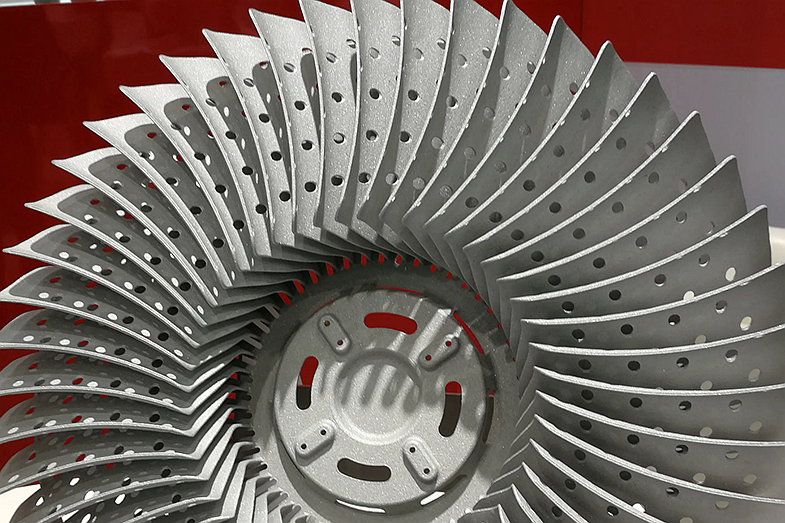
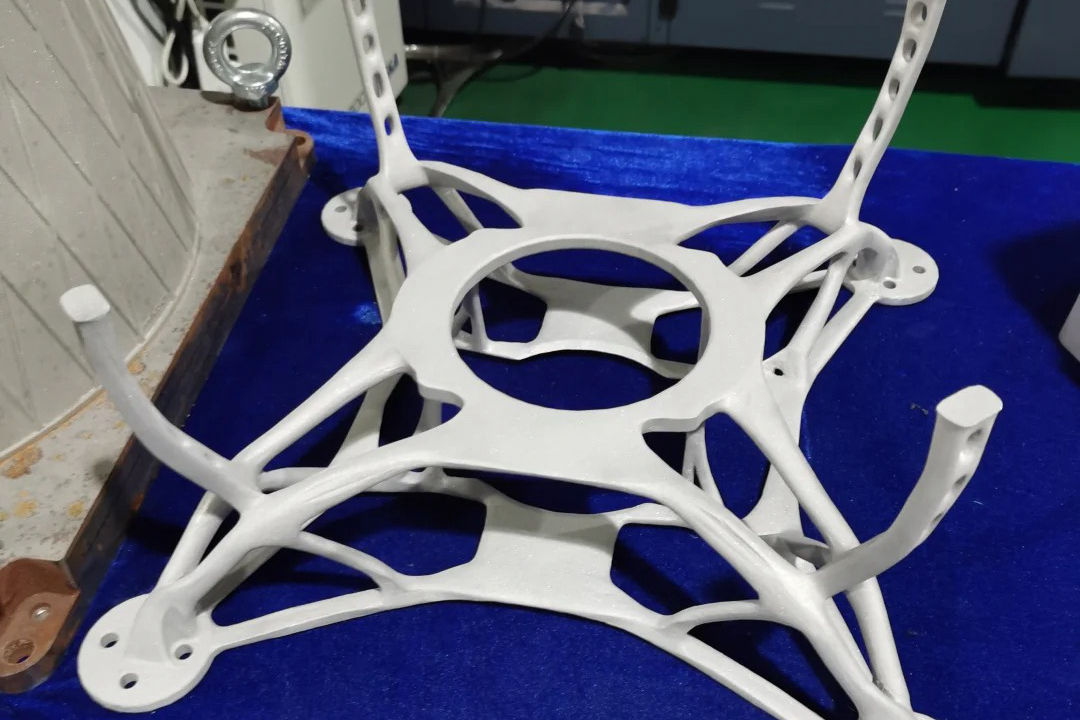
15-5PH ist ein ausscheidungshärtender martensitischer Edelstahl, der entwickelt wurde, um hohe Festigkeit, ausgezeichnete Zähigkeit und starke Korrosionsbeständigkeit zu bieten. Im Vergleich zu herkömmlichen martensitischen Stählen bietet 15-5PH aufgrund seiner verfeinerten Mikrostruktur eine verbesserte Duktilität und bessere mechanische Konsistenz. In der additiven Fertigung zeigt die Legierung eine außergewöhnliche Druckbarkeit, geringe Verzugneigung und ein stabiles Phasenumwandlungsverhalten, was sie für Hochleistungsanwendungen in den Bereichen Luft- und Raumfahrt, Energie, Medizin und industrielle Ausrüstung geeignet macht. Durch Neway AeroTechs fortschrittliches 15-5PH 3D-Druckverfahren können Bauteile mit nahezu voller Dichte hergestellt werden, die hervorragende Zugeigenschaften und eine zuverlässige Ausscheidungshärtungsreaktion aufweisen. Das Gleichgewicht der Legierung aus Festigkeit, Ermüdungsbeständigkeit und Korrosionsleistung macht sie zur idealen Lösung für komplexe Geometrien, funktionale Prototypen und serienreife Endanwendungsbauteile.
Internationale Bezeichnungen oder repräsentative Güteklassen
Region | Gängiger Name | Repräsentative Güteklassen |
|---|---|---|
USA | 15-5PH Edelstahl | UNS S15500 |
Europa | X5CrNiCu15-5 | 1.4545 |
Japan | SUS631J1 | JIS G4303 |
China | 0Cr15Ni5Cu4Nb | GB-Güte |
Industriekategorie | Ausscheidungshärtender Edelstahl (PH) | 15-5, 17-4 |
Alternative Werkstoffoptionen
Für Anwendungen, die eine höhere Korrosionsbeständigkeit erfordern, bieten austenitische Edelstähle wie 316L einen überlegenen Widerstand in marinen und chemischen Umgebungen. Wenn maximale Festigkeit erforderlich ist, bietet 17-4 PH eine höhere Härte und Streckgrenze. Für extremen Verschleißwiderstand oder Werkzeuganwendungen ist Werkzeugstahl die geeignetere Wahl. Bei Anforderungen an die Hochtemperaturbeständigkeit liefern Nickelbasis-Superlegierungen wie Inconel 738 eine stärkere Oxidationsbeständigkeit. Wenn Leichtbauleistung erforderlich ist, bieten Titanlegierungen wie Ti-6Al-2Sn-4Zr-6Mo eine hervorragende spezifische Festigkeit bei deutlich geringerer Dichte.
Konstruktionsziel
15-5PH wurde ursprünglich entwickelt, um im Vergleich zu früheren ausscheidungshärtenden (PH) Edelstählen hohe Festigkeit, starke Korrosionsbeständigkeit und verbesserte Zähigkeit zu bieten. Die kontrollierte Chemie minimiert Delta-Ferrit und ermöglicht so eine überlegene Duktilität und bessere mechanische Homogenität nach der Alterungsbehandlung. In der additiven Fertigung ist die Legierung darauf ausgelegt, eine stabile martensitische Umwandlung, reduzierte Porosität und präzise Maßhaltigkeit zu liefern. Dies macht sie ideal für Strukturbauteile, Präzisionshardware, lasttragende Baugruppen und mechanische Elemente in Luft- und Raumfahrtqualität, bei denen Zuverlässigkeit und Genauigkeit unerlässlich sind.
Chemische Zusammensetzung (typischer Bereich)
Element | Zusammensetzung (%) |
|---|---|
Eisen (Fe) | Rest |
Chrom (Cr) | 14–15,5 |
Nickel (Ni) | 3,5–5,5 |
Kupfer (Cu) | 2,5–4,5 |
Niob (Nb) | 0,15–0,45 |
Mangan (Mn) | ≤ 1 |
Silizium (Si) | ≤ 1 |
Kohlenstoff (C) | ≤ 0,07 |
Phosphor (P) | ≤ 0,04 |
Schwefel (S) | ≤ 0,03 |
Physikalische Eigenschaften
Eigenschaft | Wert |
|---|---|
Dichte | ~7,75 g/cm³ |
Schmelzpunkt | 1390–1450 °C |
Wärmeleitfähigkeit | ~17 W/m·K |
Elektrischer Widerstand | ~0,8 μΩ·m |
Spezifische Wärmekapazität | ~500 J/kg·K |
Mechanische Eigenschaften (typisch für Zustand H900)
Eigenschaft | Wert |
|---|---|
Zugfestigkeit | 1275–1310 MPa |
Streckgrenze | 1170–1200 MPa |
Bruchdehnung | 8–12 % |
Härte | 38–44 HRC |
Ermüdungsfestigkeit | Hohe Ermüdungsdauerfestigkeit |
Wichtige Werkstoffmerkmale
Hohe Zug- und Streckgrenze, geeignet für sicherheitskritische Bauteile
Ausgezeichnete Korrosionsbeständigkeit in industriellen, marinen und chemischen Umgebungen
Im Vergleich zu 17-4PH verbesserte Zähigkeit für Anwendungen, die Schlagfestigkeit erfordern
Sehr geringer Verzug während des Drucks und der nachfolgenden Alterungswärmebehandlung
Ausscheidungshärtungsreaktion sorgt für eine stabile, hochfeste Mikrostruktur
Starke Ermüdungsbeständigkeit für bauteile unter zyklischer Belastung
Gute Schweißbarkeit und Maßhaltigkeit in der additiven Fertigung
Feine Mikrostruktur führt zu gleichmäßigen mechanischen Eigenschaften über gedruckte Teile hinweg
Zuverlässige Leistung sowohl unter statischen als auch unter dynamischen Spannungsbedingungen
Ausgezeichnete Eignung für Präzisionsinstrumente, Beschläge in der Luft- und Raumfahrt und mechanische Hardware
Fertigbarkeit in verschiedenen Verfahren
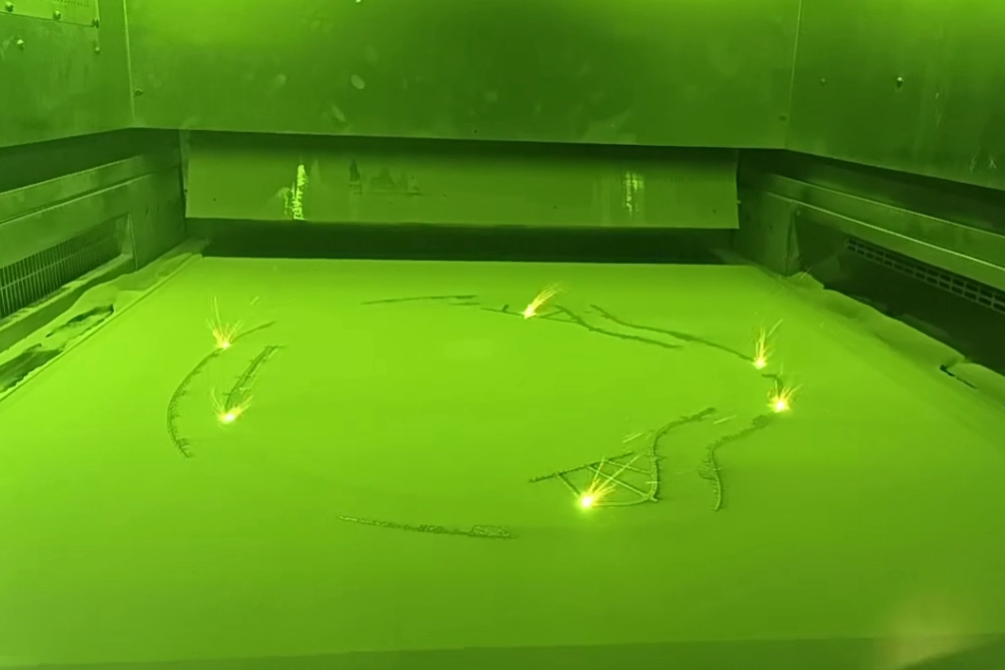
Additive Fertigung: Pulverbettfusion ermöglicht die Herstellung hochfester Edelstahlkomponenten mittels Neways 15-5PH 3D-Drucktechnologie.
CNC-Bearbeitung: Unterstützt enge Toleranzen und Oberflächengüteoptimierung durch CNC-Bearbeitung von Superlegierungen.
EDM-Bearbeitung: Komplexe innere Geometrien und hochpräzise Merkmale sind durch EDM von Superlegierungen erreichbar.
Tiefbohren: Maßhaltigkeit wird unter präziser Tiefbohrbearbeitung von Superlegierungen aufrechterhalten.
Wärmebehandlung: Ausscheidungshärtung wird durch kontrolliertes Altern mittels Wärmebehandlung von Superlegierungen erreicht.
Schweißen: Schweißbar mit kontrollierten Parametern, unterstützt durch Schweißen von Superlegierungen.
Gießen: Bestimmte Anwendungen nutzen die Edelstahlumformung durch Edelstahlverarbeitung.
Geeignete Nachbearbeitungsmethoden
Ausscheidungshärtende Alterungsbehandlungen zur Erreichung maximaler Festigkeit
Heißisostatisches Pressen (HIP) über HIP-Verarbeitung zur Porenentfernung und Ermüdungsverbesserung
Präzisionsbearbeitung zur Erreichung von Maßtoleranzen in Luft- und Raumfahrtqualität
Oberflächenpolieren und Schleifen zur Verbesserung der Korrosionsbeständigkeit und Verschleißeigenschaften
Passivierung oder chemische Reinigung zur Verbesserung der Edelstahlleistung
Kugelstrahlen zur Erhöhung der Ermüdungsfestigkeit
Maßprüfung und Werkstoffprüfung zur Qualitätssicherung
EDM-Oberflächenverfeinerung für tiefe oder intricate Hohlräume
Häufige Branchen und Anwendungen
Halterungen, Beschläge, Scharniersysteme und mechanische Aktuatoren in der Luft- und Raumfahrt
Medizinische Geräte, chirurgische Instrumente und sterilisierbare Ausrüstung
Industriemaschinen, die zuverlässige korrosionsbeständige Komponenten erfordern
Ausrüstung für marine Umgebungen, Wellen und lasttragende Teile
Ventile, Pumpen und hochfeste Präzisionshardware im Energiesektor
Leistungskomponenten und Antriebsstrangelemente im Automobilbereich
Wann Sie diesen Werkstoff wählen sollten
Wenn gleichzeitig hohe Festigkeit und verbesserte Zähigkeit erforderlich sind
Wenn gedruckter Edelstahl einer Alterungsbehandlung mit minimalem Verzug unterzogen werden muss
Wenn Korrosionsbeständigkeit wichtig ist, aber extreme Legierungen (z. B. auf Nickelbasis) nicht erforderlich sind
Wenn ermüdungsbeständige Komponenten für dynamische mechanische Systeme benötigt werden
Wenn Präzisionsteile während des Langzeitbetriebs Stabilität bewahren müssen
Wenn kosteneffizienter, hochleistungsfähiger Edelstahl für den 3D-Druck bevorzugt wird
Wenn Bauteile enge Toleranzen und eine ausgezeichnete Oberflächenkonsistenz erfordern
Wenn Anwendungen in der Luft- und Raumfahrt oder in der Industrie langfristige Zuverlässigkeit erfordern
Verwandte Blogs erkunden