
CMSX-4 Hochdruckturbinenschaufel Monokristall-Legierungsgussgießerei
Einführung
CMSX-4 ist eine Nickelbasis-Monokristall-Superlegierung der zweiten Generation, die hervorragende Kriechbeständigkeit, Oxidationsbeständigkeit und ausgezeichnete Ermüdungsfestigkeit bei Temperaturen bis zu 1100°C bietet. Mit einer Zugfestigkeit von etwa 1350 MPa und einer optimierten γ'-Phasenverteilung wird CMSX-4 häufig zur Herstellung von Hochdruckturbinenschaufeln in modernen Luft- und Raumfahrtantrieben sowie Industriegasturbinen eingesetzt.
Bei Neway AeroTech sind wir auf die Herstellung von CMSX-4 Hochdruckturbinenschaufeln durch präzises monokristallines (Einkristall-) Vakuum-Feingußverfahren spezialisiert. Dies gewährleistet fehlerfreie Mikrostrukturen, präzise Maßhaltigkeit und herausragende mechanische Hochtemperaturleistung.
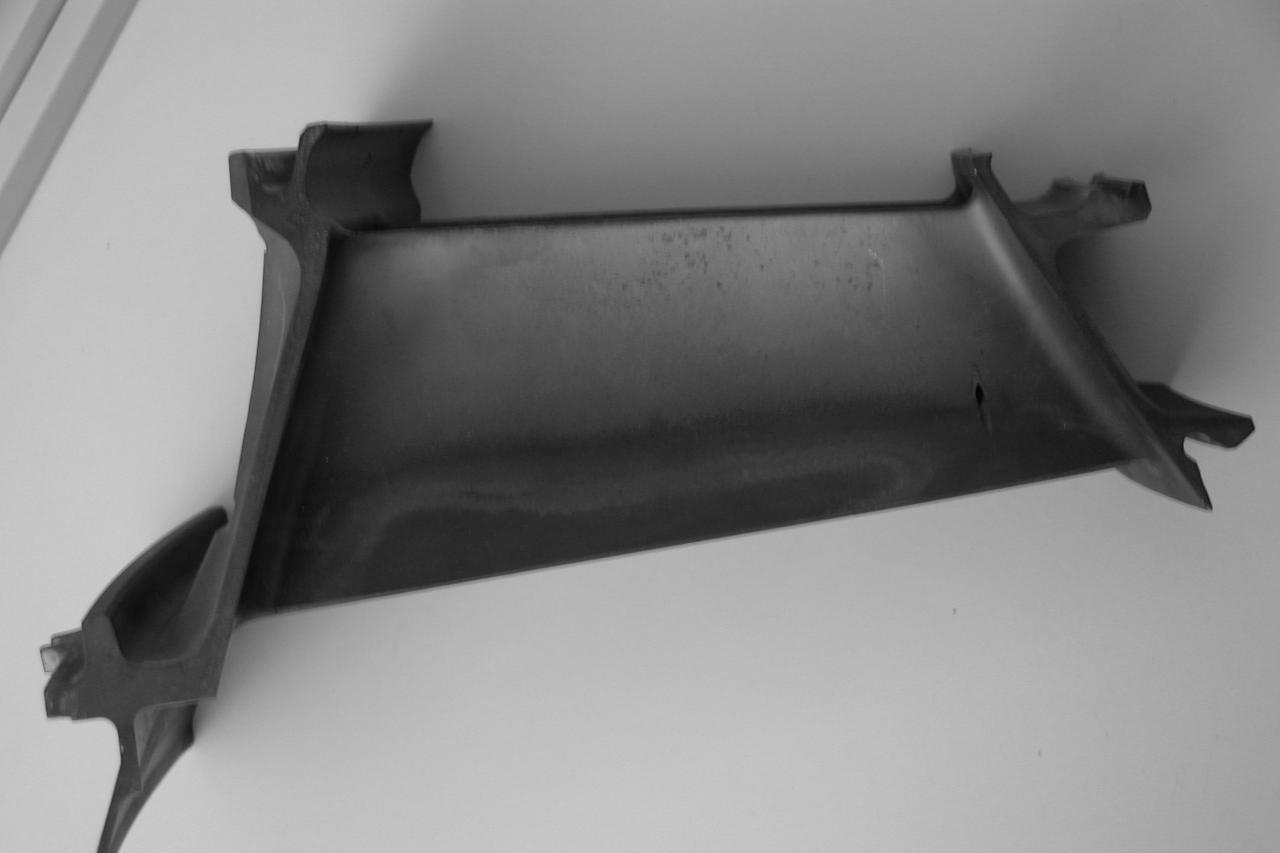
Wesentliche Fertigungsherausforderungen für CMSX-4 Hochdruckturbinenschaufeln
Strenge Kontrolle der chemischen Zusammensetzung (Ni-Basis, Cr ~6,5 %, Co ~9 %, Mo ~0,6 %, Al ~5,6 %, Ti ~1 %, W ~6 %, Ta ~6,5 %, Re ~3 %), um die γ'-Phase zu stabilisieren.
Präzise Kontrolle des Einkristallwachstums, um die [001]-Orientierung sicherzustellen und Korngrenzen zu eliminieren.
Einhaltung enger Maßtoleranzen (±0,03 mm), die für den aerodynamischen Wirkungsgrad und die mechanische Passung entscheidend sind.
Erreichen von Oberflächengüten (Ra ≤1,6 µm), um den Luftstrom zu optimieren und Strömungsverluste zu minimieren.
Monokristall-Gussprozess für CMSX-4 Hochdruckturbinenschaufeln
Der Fertigungsprozess umfasst:
Wachsmodellherstellung: Hochpräzise Wachsmodelle mit ±0,1 % Maßkonstanz für komplexe Schaufelgeometrien.
Schalenaufbau: Mehrschichtige Keramikschalen unter Verwendung von Yttrium-stabilisierten Zirkonoxid-Schlickern für Wärmebeständigkeit.
Entwachsung: Dampfautoklavierung bei ~150°C entfernt das Wachs sauber, ohne die Schale zu beschädigen.
Vakuumschmelzen und -gießen: CMSX-4-Legierung wird bei ~1450°C im Vakuum (<10⁻³ Pa) geschmolzen, um Verunreinigungen zu vermeiden.
Einkristallwachstum: Kontrolliertes Ziehen (~3–5 mm/min) durch einen Temperaturgradienten, um einen perfekten [001]-Einkristall zu erreichen.
Schalenentfernung und CNC-Bearbeitung: Schalenentfernung, Präzisionsbearbeitung und Oberflächenpolitur, um aerodynamische und maßliche Präzision zu erreichen.
Vergleichende Analyse von Fertigungsmethoden für Turbinenschaufeln
Verfahren | Gefügestruktur | Oberflächengüte | Maßgenauigkeit | Mechanische Festigkeit | Max. Temperaturbeständigkeit |
|---|---|---|---|---|---|
Einkristall-Feinguß | Einkristall | Ausgezeichnet (Ra ≤1,6 µm) | Sehr hoch (±0,03 mm) | Überlegen (~1350 MPa) | Hervorragend (~1100°C) |
Richtungserstarrung | Säulenförmige Körner | Gut (Ra ~3 µm) | Hoch (±0,05 mm) | Sehr gut (~1270 MPa) | Ausgezeichnet (~1050°C) |
Gleichachsiger Guss | Zufällige Körner | Mäßig (Ra ~3–5 µm) | Mäßig (±0,1 mm) | Gut (~1240 MPa) | Hoch (~980°C) |
Optimale Fertigungsstrategie für CMSX-4 Hochdruckturbinenschaufeln
Einkristall-Feinguß erreicht eine Oberflächengüte von Ra ≤1,6 µm, eine Präzision von ±0,03 mm und eliminiert Korngrenzen für maximale Kriech- und Ermüdungsbeständigkeit.
Richtungserstarrung bietet säulenförmige Gefügestrukturen mit starker mechanischer Leistung, aber geringerer Ermüdungsbeständigkeit als Einkristallbauteile.
Gleichachsiger Guss bietet eine kostengünstigere Lösung, jedoch mit begrenzter Hochtemperatur-Kriech- und Ermüdungsbeständigkeit, was ihn für primäre Turbinenschaufeln ungeeignet macht.
CMSX-4 Legierungsleistungsübersicht
Eigenschaft | Wert | Anwendungsrelevanz |
|---|---|---|
Zugfestigkeit | ~1350 MPa | Trägt extreme Zentrifugal- und thermische Lasten |
Streckgrenze | ~1180 MPa | Hohe Betriebsstabilität unter Dauerbelastung |
Maximale Betriebstemperatur | ~1100°C | Geeignet für moderne Hochdruckturbineneinlassbedingungen |
Kriechbeständigkeit | Hervorragend | Verlängert die Lebensdauer unter anhaltender Belastung bei hohen Temperaturen |
Ermüdungsfestigkeit | ~700 MPa | Widersteht hochzyklischer Ermüdung in extremen thermischen Umgebungen |
Vorteile der Verwendung von CMSX-4 für Hochdruckturbinenschaufeln
Hochtemperaturfestigkeit erhält die Schaufelintegrität bei Turbineneintrittstemperaturen (~1100°C).
Überlegene Kriech- und Ermüdungsbeständigkeit verlängert die Lebensdauer unter kontinuierlichen Hochlastbedingungen erheblich.
Ausgezeichnete Oxidationsbeständigkeit bewahrt die Oberflächenstabilität unter extremem Verbrennungsgaseinfluss.
Einkristallstruktur eliminiert Korngrenzversagensmechanismen und maximiert Haltbarkeit und Zuverlässigkeit.
Nachbearbeitungstechniken für CMSX-4 Hochdruckturbinenschaufeln
Heißisostatisches Pressen (HIP): Verdichtet Gussteile, eliminiert Porosität und verbessert die Ermüdungs- und Kriechlebensdauer.
Lösungs- und Auslagerungswärmebehandlung: Verfeinert die γ'-Phasenstruktur und maximiert die mechanischen Hochtemperatureigenschaften.
Präzisions-CNC-Bearbeitung: Erreicht ±0,01 mm Toleranz und Ra ≤0,8 µm aerodynamische Oberflächengüten.
Oberflächenpolitur und Kugelstrahlen: Verbessert die Ermüdungsbeständigkeit und die aerodynamische Oberflächenqualität.
Prüfung und Qualitätssicherung für Turbinenschaufeln
Koordinatenmessmaschine (KMM): Gewährleistet ±0,03 mm Maßgenauigkeit, die für aerodynamische Schaufelprofile entscheidend ist.
Ultraschallprüfung (UT): Erkennt interne Fehler und gewährleistet die Gussteilintegrität.
Eindringprüfung (PT): Lokalisiert feine Oberflächenrisse und Unregelmäßigkeiten bis zu 0,002 mm.
Metallografische Analyse: Bestätigt die Einkristallstruktur und die γ'-Phasenstabilität.
Branchenanwendungen und Fallstudie
Die von Neway AeroTech hergestellten CMSX-4 Hochdruckturbinenschaufeln werden umfassend in modernen Luft- und Raumfahrtantrieben sowie Industriekraftwerksturbinen eingesetzt. In einem aktuellen Luft- und Raumfahrtprogramm demonstrierten CMSX-4-Schaufeln über 16.500 Flugstunden bei 1080°C Eintrittstemperaturen und verlängerten die Motorüberholungsintervalle im Vergleich zu herkömmlichen gleichachsigen Gusschaufeln um 40 %.
Häufig gestellte Fragen (FAQ)
Welche Maßtoleranzen kann Neway AeroTech für CMSX-4 Hochdruckturbinenschaufeln erreichen?
Warum ist Einkristallguss für die Herstellung von CMSX-4 Turbinenschaufeln entscheidend?
Wie schneidet CMSX-4 im Vergleich zu anderen Superlegierungen für Turbinenschaufelanwendungen ab?
Welche Branchen verwenden CMSX-4 Turbinenschaufeln am häufigsten?
Wie stellt Neway AeroTech Qualität und Haltbarkeit bei CMSX-4 Schaufelguss sicher?
