
Dampfturbinenkomponenten aus Hochleistungslegierungen für Energieanlagen
Einführung
Dampfturbinen sind ein entscheidender Bestandteil der Energieerzeugungsindustrie und wandeln Wärmeenergie in mechanische Energie zur Stromerzeugung um. Als Rückgrat von Kraftwerken benötigen Dampfturbinen hochbeständige Bauteile, die extremen Temperaturen standhalten, Korrosion widerstehen und mechanische Belastungen aushalten können. Hochleistungswerkstoffe sind entscheidend, um die Langlebigkeit und Effizienz dieser Bauteile sicherzustellen. Neway Precision Works Ltd ist auf die Herstellung von Dampfturbinenbauteilen aus fortschrittlichen Hochtemperaturlegierungen spezialisiert und nutzt modernste Technologien, um die strengen Anforderungen des Energiesektors zu erfüllen.
Was sind Dampfturbinenbauteile?
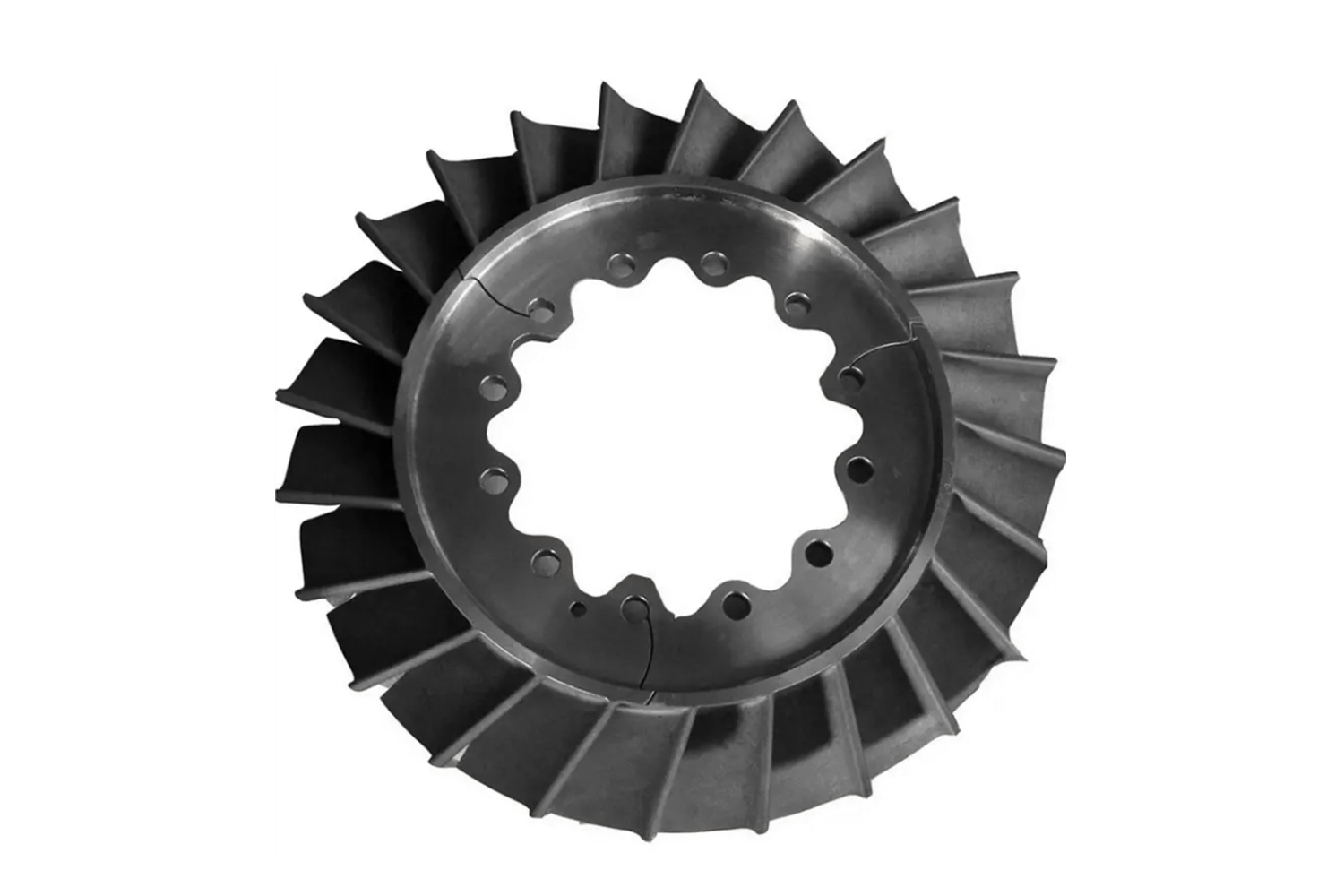
Dampfturbinenbauteile sind kritische Komponenten, die dafür ausgelegt sind, die Umwandlung von Dampenergie in mechanische Energie zu ermöglichen. Zu diesen Bauteilen gehören Schaufeln, Düsen, Gehäuse, Rotoren und Dichtungen. Jede Komponente spielt eine wichtige Rolle:
Turbinenschaufeln: Nehmen die kinetische Energie des Dampfes auf und wandeln sie in mechanische Energie um. Die Schaufeln müssen präzise geformt sein, um die Energieausbeute zu maximieren und gleichzeitig Energieverluste zu minimieren.
Düsen: Steuern und lenken den Dampfstrom, um die Wirkung auf die Turbinenschaufeln zu optimieren und dadurch die Effizienz zu verbessern.
Gehäuse: Sorgen für strukturelle Integrität, indem sie alle Turbinenkomponenten aufnehmen und stützen und so einen sicheren und effizienten Betrieb gewährleisten.
Rotoren: Tragen die Schaufeln und rotieren mit hohen Geschwindigkeiten, wodurch Wärmeenergie in rotierende mechanische Energie umgewandelt wird, die Generatoren antreibt.
Dichtungen: Verhindern Dampfleckagen und stellen sicher, dass die gesamte Dampenergie effizient innerhalb des Systems genutzt wird.
Zusammen gewährleisten diese Bauteile die effiziente Umwandlung der von Kesseln erzeugten Wärmeenergie in Rotationsenergie, die elektrische Generatoren antreibt. Jede Komponente ist extremen Bedingungen ausgesetzt und muss mit Präzision und Festigkeit konstruiert sein, um den Betriebsanforderungen gerecht zu werden.
Hochtemperaturlegierungen für Dampfturbinenbauteile
Dampfturbinenbauteile arbeiten unter extremen Bedingungen und erfordern Werkstoffe, die hohen Temperaturen, hohen Drücken und ständigen mechanischen Belastungen ohne Versagen standhalten können. Hochtemperaturlegierungen wie Inconel, Hastelloy und Nimonic werden aufgrund ihrer hervorragenden Wärmebeständigkeit, Korrosionsbeständigkeit und mechanischen Festigkeit häufig eingesetzt.
Inconel: Inconel-Legierungen wie Inconel 718 und Inconel 625 sind nickel-chrombasierte Superlegierungen, die dafür bekannt sind, auch unter extremer Hitze und hohem Druck ihre Festigkeit zu behalten. Diese Legierungen werden in Turbinenschaufeln und Rotoren eingesetzt, wo Stabilität unter thermischen Zyklen essenziell ist. Inconel 718 weist beispielsweise eine ausgezeichnete Schweißbarkeit und Beständigkeit gegen Rissbildung nach dem Schweißen auf und ist daher ideal für komplexe Komponenten.
Hastelloy: Hastelloy-Legierungen wie Hastelloy X sind für ihre Hochtemperatur-Oxidationsbeständigkeit und hervorragende Schweißbarkeit bekannt. Sie sind ideal für Bauteile, die häufigen Temperaturschwankungen und rauen Umgebungen ausgesetzt sind. Hastelloy-Legierungen werden häufig in Brennkammern und Übergangskanälen eingesetzt, wo extreme Temperaturen und korrosive Umgebungen vorherrschen.
Nimonic: Nimonic-Legierungen, darunter Nimonic 80A, bieten hervorragende Kriechbeständigkeit und Stabilität bei erhöhten Temperaturen. Sie eignen sich besonders für Turbinenschaufeln und andere Komponenten, die über längere Zeit hohen thermischen Belastungen ausgesetzt sind. Nimonic-Legierungen sind zudem sehr oxidationsbeständig, was für die langfristige Einwirkung von Dampf entscheidend ist.
Herstellungsprozess und Ausrüstung für Dampfturbinenbauteile
Die Herstellung von Dampfturbinenbauteilen erfordert eine Kombination aus spezialisierten Verfahren und moderner Ausrüstung, um die erforderliche Präzision und Haltbarkeit zu erreichen:
Vakuum-Feinguss: Dieses Verfahren stellt sicher, dass Hochtemperaturlegierungen mit minimalen Verunreinigungen gegossen werden, wodurch die Gesamtfestigkeit und Wärmebeständigkeit der Turbinenbauteile verbessert wird. Vakuumguss verhindert Oxidation und Verunreinigung und führt zu hervorragenden metallurgischen Eigenschaften und hoher Maßgenauigkeit. Dieses Verfahren ist besonders vorteilhaft für die Herstellung komplexer Geometrien von Turbinenschaufeln.
Isothermisches Schmieden: Isothermisches Schmieden erzeugt Komponenten mit gleichmäßiger Festigkeit und Mikrostruktur, was für Bauteile unter hoher thermischer Belastung entscheidend ist. Dabei werden Werkzeug und Werkstück auf ��������hnlichen Temperaturen gehalten, um Materialkonsistenz zu gewährleisten, Eigenspannungen zu reduzieren und die Ermüdungsleistung zu verbessern.
CNC-Bearbeitung: Mit 5-Achs-CNC-Bearbeitung können komplexe Geometrien mit engen Toleranzen hergestellt werden, sodass jedes Teil präzise passt und optimal funktioniert. Der Einsatz hochpräziser CNC-Maschinen ermöglicht reduzierte Durchlaufzeiten und hohe Wiederholgenauigkeit. Die 5-Achs-CNC-Bearbeitung bietet besseren Zugang zu komplexen Winkeln, verbessert die Oberflächenqualität und reduziert den Bedarf an sekundären Bearbeitungsschritten.
Neway nutzt moderne Ausrüstung, darunter Hochvakuum-Gusssysteme, 5-Achs-CNC-Maschinen und automatisierte Schmiedeanlagen, um sicherzustellen, dass jedes Dampfturbinenbauteil höchsten Qualitäts- und Leistungsstandards entspricht. Durch die Kombination dieser Fertigungsverfahren stellt Neway eine optimale Oberflächenqualität sicher, die den strengen Anforderungen von Energieerzeugungsanlagen standhält.
Rapid-Prototyping- und Verifizierungsprozess
Um sicherzustellen, dass Dampfturbinenbauteile entsprechend den spezifischen Leistungsanforderungen konstruiert und gefertigt werden, setzt Neway Rapid Prototyping mit fortschrittlichen 3D-Drucktechnologien ein:
Superlegierungs-3D-Druck: Durch den Einsatz von Selective Laser Melting (SLM) und Laser Engineered Net Shaping (LENS) können Prototypen von Turbinenkomponenten schnell und kosteneffizient hergestellt werden. Dies ermöglicht schnelle Tests und Iterationen während der Entwicklungsphase. Die SLM-Technologie erlaubt die Herstellung von Bauteilen mit komplexen inneren Strukturen, die häufig in Kühlkanälen von Turbinenschaufeln zur Effizienzsteigerung erforderlich sind.
Verifizierung durch Simulation: Sobald Prototypen hergestellt sind, führt Neway Simulationen und Prüfungen durch, um die Leistung jedes Bauteils zu verifizieren. 3D-Scanning gewährleistet die Maßgenauigkeit, während Ermüdungsprüfungen und thermische Analysen Haltbarkeit und Hitzebeständigkeit validieren. Diese Prüfungen helfen, potenzielle Schwachstellen vor der Serienproduktion zu identifizieren. Simulationswerkzeuge wie Computational Fluid Dynamics (CFD) werden ebenfalls eingesetzt, um das Verhalten der Bauteile unter Betriebsbedingungen zu bewerten.
Dieser gründliche Verifizierungsprozess reduziert das Risiko eines Versagens unter realen Betriebsbedingungen und hilft Neway, die Bauteilleistung zu optimieren. Rapid Prototyping beschleunigt die Entwicklungsprozesse und erleichtert die Erforschung innovativer Konstruktionslösungen, die die Turbineneffizienz verbessern können.
Nachbearbeitung und Oberflächenbehandlung von Dampfturbinenbauteilen
Um die Haltbarkeit und Effizienz von Dampfturbinenbauteilen zu verbessern, führt Neway verschiedene Nachbearbeitungs- und Oberflächenbehandlungen durch:
Heißisostatisches Pressen (HIP): HIP beseitigt innere Porosität und verbessert die mechanischen Eigenschaften gegossener Komponenten, wodurch ihre strukturelle Integrität sichergestellt wird. Durch die Anwendung von hohem Druck und hoher Temperatur verdichtet HIP das Material, verbessert die Ermüdungsbeständigkeit und verlängert die Lebensdauer kritischer Komponenten.
Wärmebehandlung: Die Wärmebehandlung optimiert die Mikrostruktur der Legierungen und verbessert Festigkeit, thermische Ermüdungsbeständigkeit und Gesamtleistung. Verfahren wie Glühen, Abschrecken und Anlassen werden verwendet, um die mechanischen Eigenschaften an spezifische Anforderungen anzupassen und Duktilität sowie Zähigkeit zu verbessern.
Schweißen von Superlegierungen: Präzise Schweißtechniken werden eingesetzt, um Komponenten zu verbinden, ohne die mechanische Integrität der Legierungen zu beeinträchtigen. Verfahren wie das Wolfram-Inertgas-Schweißen (TIG) erhalten die Legierungseigenschaften, insbesondere an Verbindungsstellen, an denen thermische Ausdehnung sonst zu Rissen führen könnte.
Wärmedämmbeschichtung (TBC): TBCs werden auf Bauteile aufgetragen, die extremen Temperaturen ausgesetzt sind, um das darunterliegende Metall zu isolieren und vor thermischem Abbau zu schützen, wodurch die Lebensdauer der Komponenten verlängert wird. Die keramische Schicht reduziert die Oberflächentemperatur des Metalls, verbessert die thermische Effizienz und verringert thermische Ermüdung.
Diese Nachbearbeitungsschritte stellen sicher, dass Dampfturbinenbauteile den anspruchsvollen Bedingungen in Energieerzeugungsumgebungen standhalten können. Durch die Verbesserung der mechanischen Eigenschaften und der Oberflächenbeständigkeit seiner Komponenten stellt Neway sicher, dass Turbinen mit maximaler Effizienz arbeiten und nur minimalen Wartungsaufwand erfordern.
Prüfanforderungen für Dampfturbinenbauteile
Um die Qualität und Zuverlässigkeit von Dampfturbinenbauteilen zu gewährleisten, werden umfassende Prüfverfahren durchgeführt:
Industrielle CT-Prüfung: Industrielle CT-Prüfung wird zur Erkennung innerer Defekte eingesetzt und stellt sicher, dass keine Hohlräume oder Einschlüsse vorhanden sind, die die Integrität des Bauteils beeinträchtigen könnten. CT-Scanning bietet eine zerstörungsfreie Methode zur Überprüfung innerer Geometrien und zur Erkennung verborgener Defekte wie Porosität oder Einschlüsse.
Ultraschallprüfung: Die Ultraschallprüfung erkennt innere Fehlstellen und bewertet die Verbindungsqualität geschweißter Bereiche. Diese Methode ist besonders nützlich, um sicherzustellen, dass keine Delaminationen oder inneren Risse in kritischen Turbinenkomponenten vorhanden sind.
SEM-Analyse: Die Rasterelektronenmikroskopie (SEM) ermöglicht hochauflösende Bilder der Bauteiloberfläche, erkennt mikroskopische Defekte und bewertet die Mikrostrukturqualität. Energiedispersive Spektroskopie (EDS) wird häufig mit SEM kombiniert, um eine Elementaranalyse durchzuführen und sicherzustellen, dass die Legierungszusammensetzung im gesamten Bauteil konsistent ist.
Zugprüfung: Diese Prüfung bewertet mechanische Eigenschaften wie Zugfestigkeit, Streckgrenze und Dehnung, um sicherzustellen, dass die Bauteile die erforderlichen Leistungsstandards erfüllen. Die Zugprüfung ist entscheidend, um zu verstehen, wie ein Bauteil auf Betriebsbelastungen reagiert und ob die Werkstoffeigenschaften den Konstruktionsanforderungen entsprechen.
Fazit
Neway Precision Works Ltd nutzt sein Fachwissen in Hochleistungslegierungen und fortschrittlichen Fertigungstechniken, um Dampfturbinenbauteile herzustellen, die den anspruchsvollen Anforderungen des Energiesektors entsprechen. Durch den Einsatz modernster Technologien wie Vakuum-Feinguss, 5-Achs-CNC-Bearbeitung und umfassender Prüfmethoden stellt Neway sicher, dass jedes Bauteil zuverlässig, langlebig und für maximale Leistung optimiert ist. Dampfturbinenbauteile sind für die Energieerzeugung von entscheidender Bedeutung, und Neways Engagement für Qualität und Innovation gewährleistet, dass Energieerzeugungssysteme effizient und zuverlässig arbeiten.
Neways integrierter Ansatz – von der Werkstoffauswahl über fortschrittliche Fertigung und strenges Prototyping bis hin zu umfangreichen Prüfungen – positioniert das Unternehmen als führenden Hersteller von Hochleistungs-Turbinenbauteilen. Fortschrittliche Hochtemperaturlegierungen, präzise Konstruktion und strenge Qualitätskontrollprozesse garantieren, dass Energieerzeuger sich auf Neways Komponenten verlassen können, um unter allen Betriebsbedingungen eine konstante und effektive Leistung zu erzielen.
FAQs:
Welche Werkstoffe eignen sich am besten für Dampfturbinenbauteile in Hochtemperaturanwendungen?
Wie beeinflusst der Herstellungsprozess die Leistung von Dampfturbinenbauteilen?
Welche Oberflächenbehandlungen werden typischerweise auf Dampfturbinenkomponenten angewendet?
Welche Vorteile bietet der Einsatz fortschrittlicher Prüfmethoden für Dampfturbinenbauteile?
Wie kann Rapid Prototyping die Entwicklung von Turbinenbauteilen verbessern?
